Side-by-Side IQ Profile: Pembroke Welsh Corgi vs. Havanese
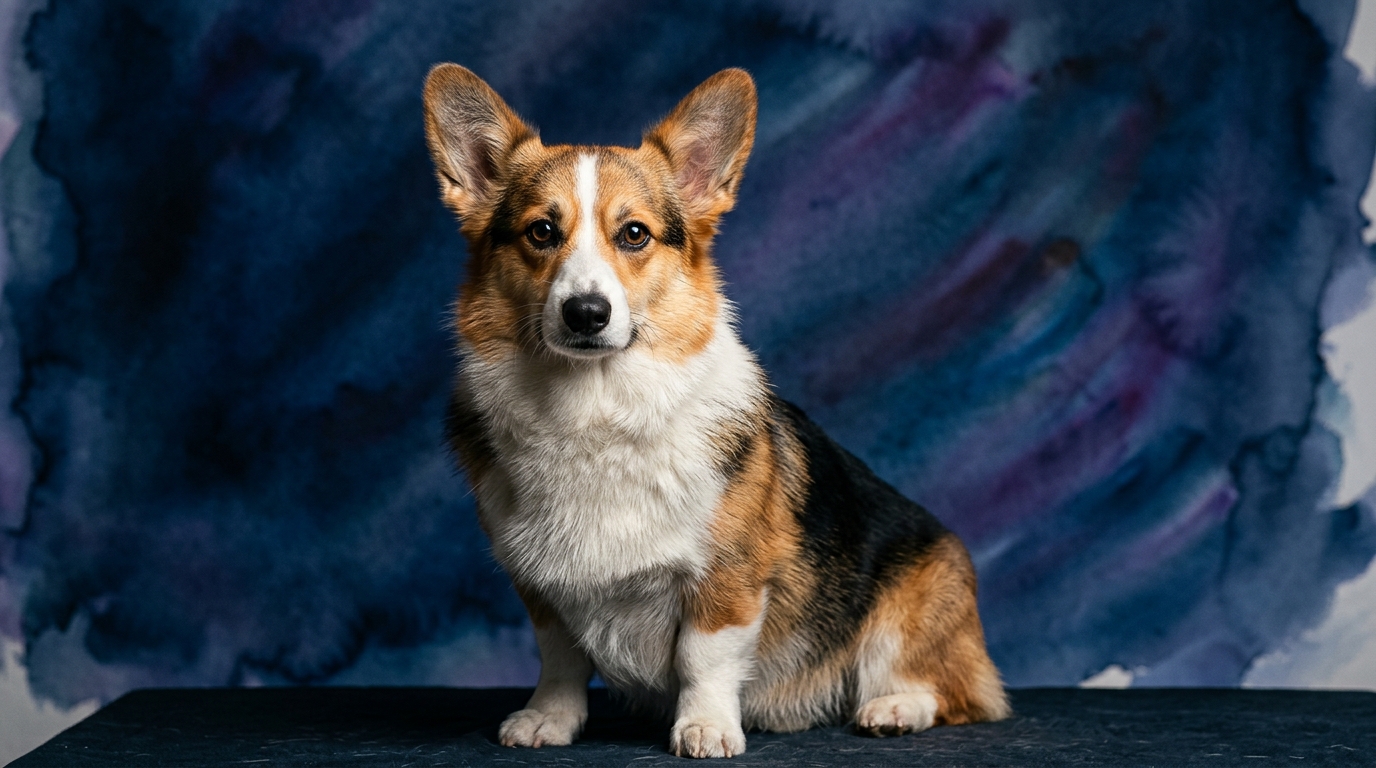
The Pembroke Welsh Corgi, a breed historically tasked with herding livestock, exhibits a cognitive profile reflecting its working heritage. Our Pet IQ Lab assessment gives the Corgi a Problem Solving score of 4/5, indicating a strong capacity for independent thought and figuring out novel situations. Their Training Speed is an impressive 5/5, suggesting they grasp new commands and routines with remarkable alacrity. Social Intelligence, vital for interacting with their human family and other animals, stands at 4/5, showing good adaptability in varied social contexts. Instinctive Drive, a measure of their inherent motivation for tasks like chasing or retrieving, is a high 5/5, while their Memory is rated 4/5, allowing them to recall learned behaviors and patterns effectively. This blend of attributes places the Corgi at a respectable #11 on the Coren ranking of canine intelligence.
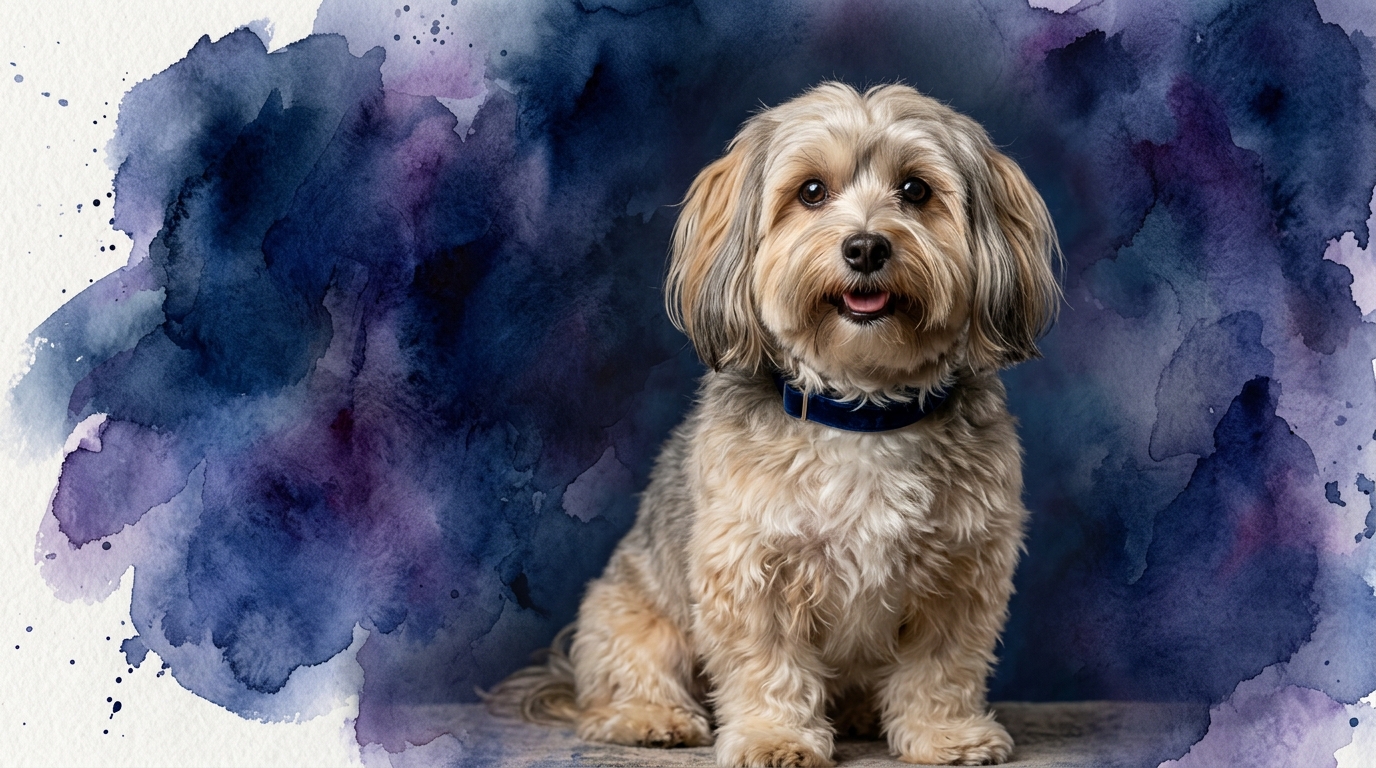
In contrast, the Havanese, a charming companion breed, presents a different but equally valuable cognitive blueprint. While not included in the traditional Coren ranking, our Pet IQ Lab provides a comprehensive look at their mental faculties. The Havanese scores 3/5 in Problem Solving, indicating they can navigate challenges but might require more guidance than a Corgi. Their Training Speed is also 3/5, meaning they are certainly trainable, but may take a bit longer to solidify new commands. Where the Havanese truly excels is in Social Intelligence, earning a perfect 5/5, highlighting their exceptional ability to connect with people and adapt to social cues. Their Instinctive Drive is a moderate 2/5, reflecting their role as companions rather than working dogs. Finally, their Memory is rated 3/5, sufficient for daily routines and basic commands but perhaps less robust for complex sequences. These scores paint a picture of a dog optimized for companionship and social interaction.
Where the Pembroke Welsh Corgi Excels Cognitively
The Pembroke Welsh Corgi's cognitive strengths are deeply rooted in its herding background. Their 4/5 Problem Solving score means they are adept at navigating complex environments and figuring out how to achieve a goal, whether it's opening a cabinet or finding a hidden toy. This intrinsic drive to 'figure things out' can make them engaging partners for puzzle toys and advanced obedience. Their 5/5 Training Speed is a standout feature; Corgis often pick up new commands in very few repetitions, making them highly responsive to consistent positive reinforcement. This rapid learning curve means owners can progress quickly through training levels, tackling more intricate tasks like agility or advanced trick training.
Furthermore, the Corgi’s 5/5 Instinctive Drive translates into a persistent and motivated approach to tasks. This isn't just about herding sheep; it manifests as a keen interest in fetch, scent work, or even just 'managing' their household by keeping an eye on everyone. Their 4/5 Memory supports this, allowing them to retain vast repertoires of commands and routines, even after periods of inactivity. Owners will find that Corgis remember previous training sessions and can often pick up right where they left off, making refresher training efficient and effective. This combination of quick learning, strong problem-solving, and robust memory allows Corgis to excel in structured activities and adapt to new situations with a confident, analytical approach.
Where the Havanese Shines Cognitively
While the Corgi’s strengths lie in task-oriented intellect, the Havanese truly shines in the realm of emotional and social cognition. Their remarkable 5/5 Social Intelligence is their paramount cognitive asset. This means Havanese are exceptionally attuned to human emotions and social cues, often seeming to anticipate their owner's moods and desires. They thrive on interaction and are adept at forming deep, empathetic bonds, making them quintessential companion animals. This high social intelligence translates into a dog that integrates seamlessly into family life, often acting as a comforting presence and a perceptive conversationalist, responding to tone of voice and body language with remarkable accuracy.
This exceptional social acumen also makes the Havanese remarkably adaptable to various social settings, from bustling family gatherings to quiet evenings at home. They generally greet strangers with warmth and are often amicable with other pets, thanks to their innate ability to read and respond appropriately to social signals. While their Problem Solving and Training Speed scores are moderate, their high social intelligence means they are highly motivated by human approval and connection. This strong desire to please and interact forms the bedrock of their trainability, even if the pace is slower. Owners find that the Havanese's social perceptiveness creates a deeply rewarding and harmonious living experience, as they are naturally inclined to be cooperative and endearing companions.
Trainability: Which Breed Learns Faster?
When it comes to the pure mechanics of learning new commands and behaviors, the Pembroke Welsh Corgi generally demonstrates a faster acquisition rate. Their Training Speed of 5/5 means they often pick up new cues in just a few repetitions, making initial obedience training a relatively quick and rewarding process. This is bolstered by their 4/5 Problem Solving and 5/5 Instinctive Drive, which provide a foundation of mental agility and a strong motivation to engage with tasks. For instance, a Corgi might learn 'sit' or 'stay' in one or two short sessions, eager to understand the game and the reward involved. Their herding lineage primes them for understanding and responding to directives efficiently.
The Havanese, with a Training Speed of 3/5, will certainly learn, but often requires more consistent repetition and patience. Their 3/5 Problem Solving score suggests they may take a bit longer to generalize commands to new environments or to figure out multi-step tasks. However, their 5/5 Social Intelligence is a powerful motivator; while they may not learn as quickly, their strong desire to please and connect with their owner means they are highly receptive to positive reinforcement and praise. For example, a Havanese might take several more sessions to master 'stay', but their willingness to engage and their joy in pleasing their human will make the journey enjoyable. Training a Havanese often feels more like a collaborative dance, focusing on bond-building, whereas training a Corgi might feel like a more direct intellectual challenge.
Matching Breeds to Lifestyles: Active vs. Relaxed Owners
The Pembroke Welsh Corgi, with its high Instinctive Drive (5/5) and robust Problem Solving (4/5), is an excellent match for active owners who enjoy engaging their dogs in various activities beyond just walks. Their herding background means they possess a significant amount of energy and a need for mental stimulation. Owners who enjoy dog sports like agility, obedience trials, herding games, or even just long, exploratory hikes will find a Corgi to be an eager and capable partner. They thrive on having a 'job' to do, even if that job is simply mastering a new trick or completing a puzzle toy. A Corgi without sufficient mental and physical outlets can become bored and potentially channel their ingenuity into less desirable behaviors, like excessive barking or creative mischief.
Conversely, the Havanese, with its moderate Instinctive Drive (2/5) and unparalleled Social Intelligence (5/5), is ideally suited for more relaxed owners who prioritize companionship and social interaction. While they certainly enjoy walks and playtime, their primary need is to be with their people, soaking up attention and participating in family life. They are content with moderate daily exercise, such as a couple of short walks or indoor play sessions, and do not typically demand intense physical challenges. Owners who enjoy cuddling on the couch, bringing their dog along for errands, or simply having a constant, affectionate shadow will find the Havanese to be an ideal fit. Their adaptable social nature makes them excellent candidates for apartment living or homes where their main role is that of a cherished family member.
The Verdict
Choose a Pembroke Welsh Corgi if you're an active owner seeking a quick-witted, task-oriented companion eager for training challenges and mental stimulation.
Opt for a Havanese if you're a relaxed owner desiring an exceptionally social, affectionate companion whose primary joy is being deeply connected to their human family.
🧠 Find Your Pet's IQ Score
Our Pet IQ Lab assessment covers 25+ tests across 5 cognitive dimensions — personalized to your breed.
Take the Full IQ Test →Frequently Asked Questions
Are Pembroke Welsh Corgis good family dogs?
Yes, Corgis can be wonderful family dogs due to their social intelligence and adaptability. However, their herding instincts mean they might try to 'herd' small children or other pets, requiring consistent guidance and supervision to ensure appropriate interactions.
Do Havanese dogs bark a lot?
Havanese can be prone to barking, especially if they are not adequately stimulated or if they are left alone for extended periods, as their high social intelligence makes them very people-dependent. Consistent training and addressing their need for companionship can help manage excessive barking.
Which breed is better for first-time dog owners?
Both breeds can be suitable, but the Havanese might be slightly more forgiving for a first-time owner due to their lower instinctive drive and strong desire to please, making their training curve less demanding in terms of sheer speed. Corgis require a more consistent and engaging approach to manage their higher drive and problem-solving tendencies.