Side-by-Side IQ Profile: Pembroke Welsh Corgi vs. Icelandic Sheepdog
At The Cosmic Pet Pet IQ Lab, we evaluate canine cognition across five key dimensions. Let's delve into how the Pembroke Welsh Corgi and the Icelandic Sheepdog measure up.
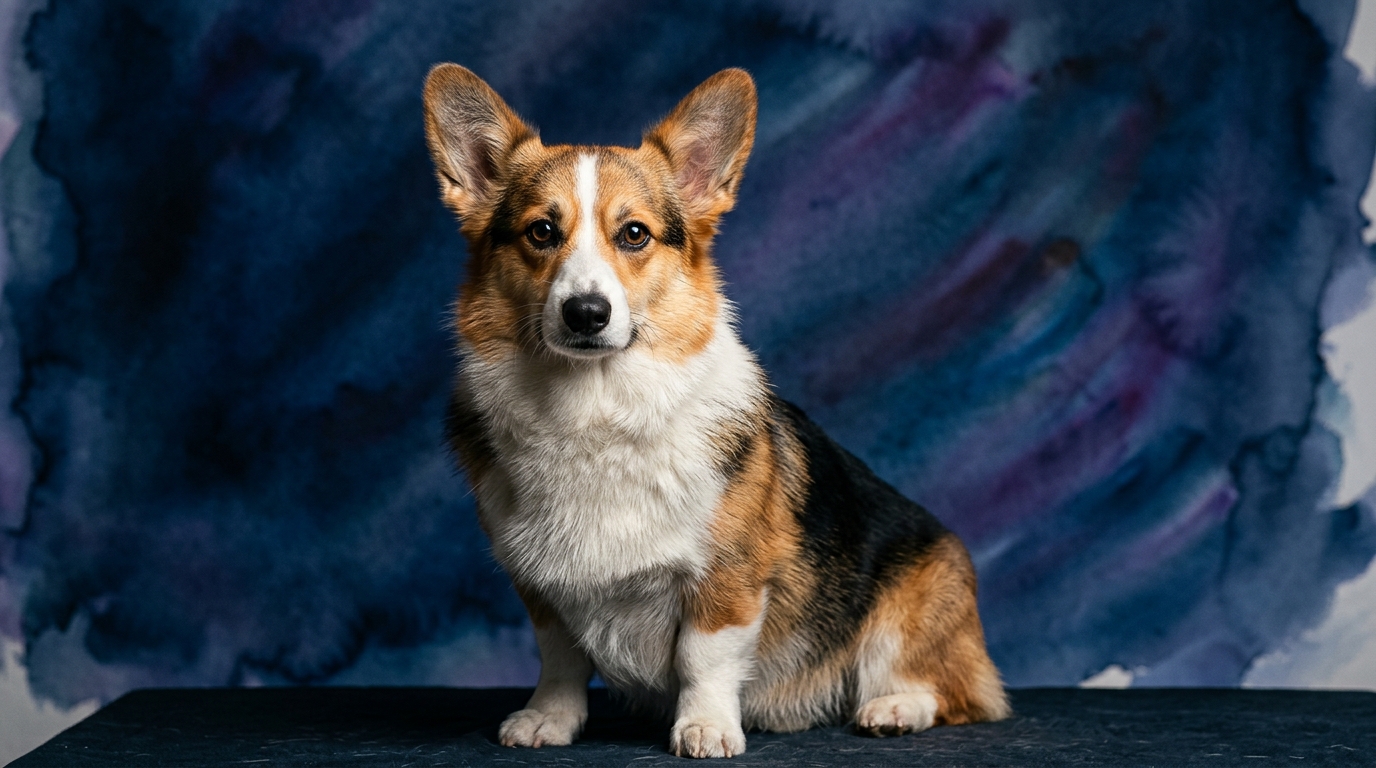
The Pembroke Welsh Corgi, a breed with a notable Coren rank of #11, demonstrates a robust cognitive profile. Their Problem Solving is rated 4/5, indicating an adeptness at devising strategies to achieve desired outcomes, such as figuring out how to open a treat cupboard or navigate complex environments. Their Training Speed is an impressive 5/5, meaning they grasp new commands and routines with exceptional swiftness, often requiring minimal repetition. Social Intelligence stands at 4/5; Corgis are generally skilled at interpreting human cues, understanding household dynamics, and can even employ charming, subtle tactics to get their way. An Instinctive Drive of 5/5 reflects their strong, persistent herding tendencies, often translating into a focused approach to tasks or, if unchanneled, to directing family members. Finally, their Memory is rated 4/5, allowing them to retain learned information, routines, and past experiences with considerable accuracy.
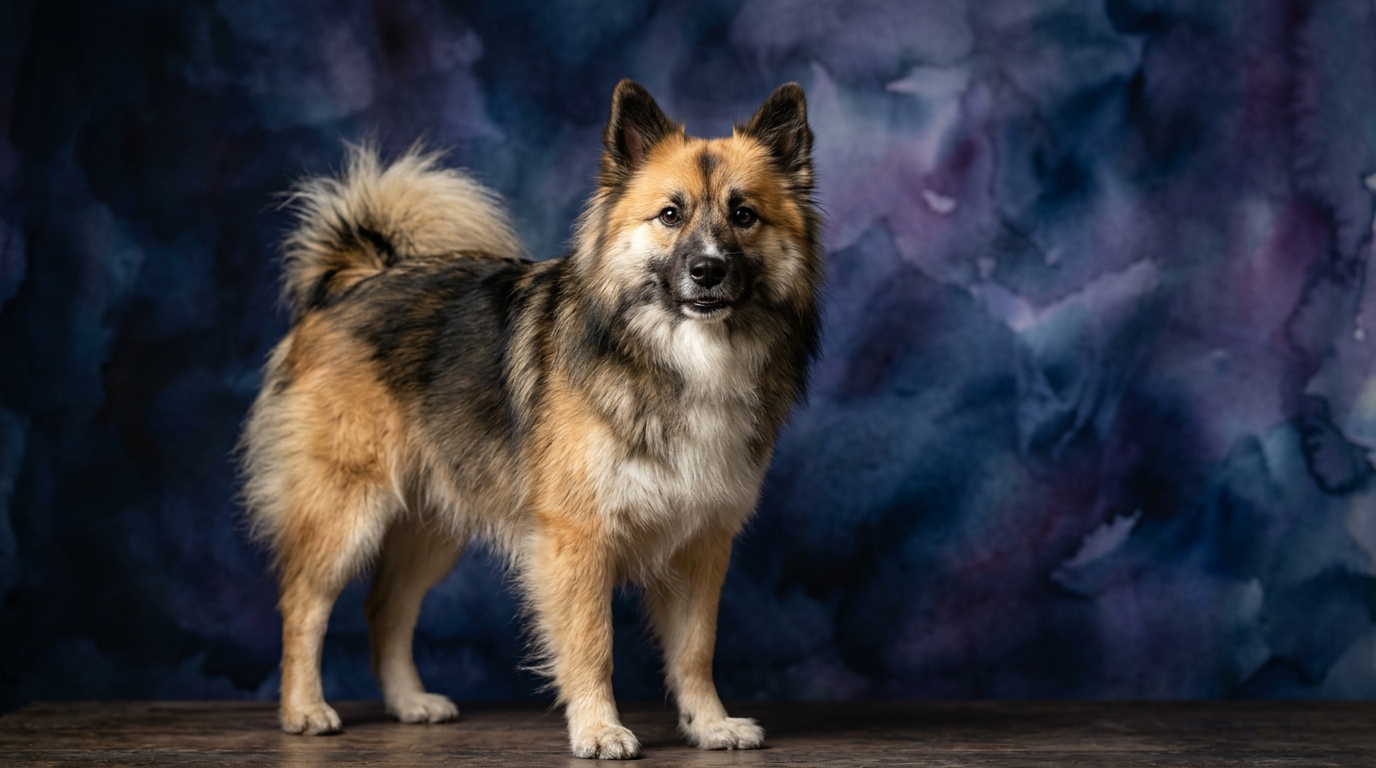
In contrast, the Icelandic Sheepdog, while not Coren-ranked, presents a distinct set of cognitive strengths. Their Problem Solving ability is rated 3/5, suggesting they are capable of addressing direct challenges but might be less inclined towards complex, multi-step strategizing, often relying more on trial-and-error or direct guidance. Their Training Speed is 3/5, indicating a moderate pace of learning; they are generally willing but require consistent reinforcement and patience to master new skills. Social Intelligence for the Icelandic Sheepdog is 3/5; they are typically friendly and eager to interact, though they might interpret subtle human cues less acutely than a Corgi, preferring more straightforward communication. An Instinctive Drive of 3/5 points to a herding instinct focused more on gathering and vocalizing alerts, rather than the intense, physical control seen in some other herding breeds. Lastly, their Memory is 3/5, meaning they retain information adequately but might benefit from periodic refreshers for less frequently used commands or concepts.
Where the Pembroke Welsh Corgi Excels Cognitively
The Pembroke Welsh Corgi consistently demonstrates a cognitive edge across multiple dimensions. Their superior Problem Solving (4/5) allows them to be highly resourceful, often finding creative solutions to obstacles, whether it's escaping a pen or manipulating a puzzle toy. This capacity for strategic thought means they are less likely to simply give up on a task and more likely to experiment until they succeed. This breed's remarkable Training Speed (5/5) is a significant advantage; Corgis absorb new commands and elaborate sequences with striking efficiency, making them excellent candidates for advanced obedience, agility, or trick training. Their sophisticated Social Intelligence (4/5) enables them to quickly understand and adapt to human expectations, often anticipating what their owner wants or needs. Furthermore, their powerful Instinctive Drive (5/5) means they bring a tenacious focus to tasks, making them highly motivated when engaged in activities that channel their herding heritage. This overall cognitive speed and depth allow the Corgi to master complex environments and routines with greater ease.
Where the Icelandic Sheepdog Shows Unique Cognitive Strengths
While the Corgi often seeks to outmaneuver, the Icelandic Sheepdog's cognitive profile suggests a more straightforward approach to interaction, which can be a distinct advantage in certain living situations. Its Problem Solving at a 3/5 means it's less likely to meticulously devise schemes to raid the pantry or persistently challenge boundaries in complex ways. This can translate into a more predictable household companion, less prone to the intricate 'dog logic' that might occasionally baffle an owner. The Icelandic Sheepdog's 3/5 in Social Intelligence, while lower than the Corgi's, points to a less manipulative, more openly expressive disposition; they are friendly and eager to engage, often wearing their emotions on their sleeve rather than subtly strategizing for attention or resources. Their Instinctive Drive, rated 3/5, is geared more towards watchful herding and vocal alerts, rather than the Corgi's intense, often physical, herding of human ankles. This makes their herding tendencies generally less intrusive in a family setting, preferring to gather rather than push. This breed offers a simpler, more transparent cognitive experience, where their actions and intentions are often more readily understood without deep interpretation.
Training Dynamics: Corgi vs. Icelandic Sheepdog
When it comes to trainability, the Pembroke Welsh Corgi (Training Speed 5/5) generally presents a faster and more intricate learning experience compared to the Icelandic Sheepdog (Training Speed 3/5). Corgis are renowned for their eagerness to learn and their rapid comprehension of new commands, often picking up complex routines in just a few repetitions. Their high problem-solving ability means they enjoy mental challenges and thrive on learning new tricks or advanced obedience exercises. However, this quick learning also means they can just as swiftly pick up undesirable behaviors if not consistently guided, and their strong instinctive drive requires deliberate channeling to prevent unwanted herding of people or pets. They respond exceptionally well to positive reinforcement and consistent, clear expectations, quickly understanding the consequences of their actions due to their strong memory.
The Icelandic Sheepdog, on the other hand, learns at a more moderate pace, requiring more patience and repetition from their trainer. They are generally willing participants but can be more easily distracted by their environment, reflecting their vigilant herding nature. While they may not strategize to 'outsmart' their trainer like a Corgi might, their learning still benefits immensely from consistent, positive reinforcement and clear, unambiguous cues. Their moderate social intelligence means they respond well to direct interactions rather than subtle hints. Owners training an Icelandic Sheepdog should be prepared for a steady, incremental progress, focusing on building a solid foundation through consistent practice and making training sessions engaging to maintain their attention.
Suitability for Active vs. Relaxed Owners
Both the Pembroke Welsh Corgi and the Icelandic Sheepdog originate from herding backgrounds, meaning neither is truly suited for a sedentary lifestyle; both require daily engagement. However, their cognitive profiles suggest different types of activity and owner involvement.
The Pembroke Welsh Corgi, with its high problem-solving (4/5), training speed (5/5), and instinctive drive (5/5), thrives with active owners who are prepared to provide extensive mental and physical stimulation. An owner who enjoys dog sports like agility, herding trials, or advanced obedience will find the Corgi a willing and capable partner. They need their sharp minds to be consistently challenged with puzzle toys, training sessions, and varied experiences. A less active owner might find a Corgi's unmet cognitive needs lead to them inventing their own 'jobs,' often involving mischievous problem-solving or persistent herding of household members, which can be overwhelming. They need an owner who can match their mental energy and provide structured outlets for their drive.
The Icelandic Sheepdog, while also needing activity, might be a better fit for owners seeking a friendly companion for regular outdoor adventures rather than intense cognitive challenges. Their moderate instinctive drive (3/5) and problem-solving (3/5) mean they enjoy walks, hikes, and play sessions, thriving on being part of family activities. They appreciate a consistent routine and benefit from regular physical exercise that allows them to explore and observe their surroundings, fulfilling their vigilant nature. A relaxed owner who can commit to daily walks, playtime, and consistent, gentle training might find the Icelandic Sheepdog a manageable and affectionate companion. While they still need engagement, their cognitive demands are generally less intense and less prone to strategic mischief than a Corgi's, offering a more straightforward and less demanding daily interaction for an owner who appreciates a steady pace.
The Verdict
Choose the Pembroke Welsh Corgi if you are an owner seeking a rapid learner, a dog that thrives on complex mental challenges and can excel in dog sports or advanced obedience, and who appreciates a dog with a strong, often strategic personality. Be prepared for their quick wit and need for consistent mental engagement.
Choose the Icelandic Sheepdog if you value a friendly, straightforward companion that learns steadily, enjoys regular outdoor activities, and appreciates a less cognitively demanding yet still engaging herding breed, one that is less likely to outwit you with complex schemes. They offer a more predictable and openly affectionate companionship.
🧠 Find Your Pet's IQ Score
Our Pet IQ Lab assessment covers 25+ tests across 5 cognitive dimensions — personalized to your breed.
Take the Full IQ Test →Frequently Asked Questions
Are Corgis truly 'smarter' than Icelandic Sheepdogs based on these metrics?
Based on our IQ metrics, Corgis show higher aptitude in problem-solving, training speed, and instinctive drive, suggesting a quicker, more complex cognitive processing. However, 'smarter' is subjective; the Icelandic Sheepdog offers a different, less cognitively intense companionship that many owners find equally rewarding and easier to manage.
Do Icelandic Sheepdogs make good family pets despite their moderate IQ scores?
Absolutely. Their friendly social intelligence (3/5) means they bond well with families and are generally good with children, often displaying an open, affectionate nature. Their moderate instinctive drive makes them less prone to overly intense herding behaviors within the home, making them a well-adjusted family member.
How do the herding drives differ between the two breeds in a home environment?
The Corgi's instinctive drive (5/5) is intense, often involving heel-nipping and pushing to control movement, which can be challenging in a home without proper channeling. The Icelandic Sheepdog's drive (3/5) is more about gathering, vocalizing, and surveillance, typically less physically assertive and more about alerting or keeping the 'flock' together without forceful intervention.