
The Cosmic Pet Pet IQ Lab: Side-by-Side Profiles
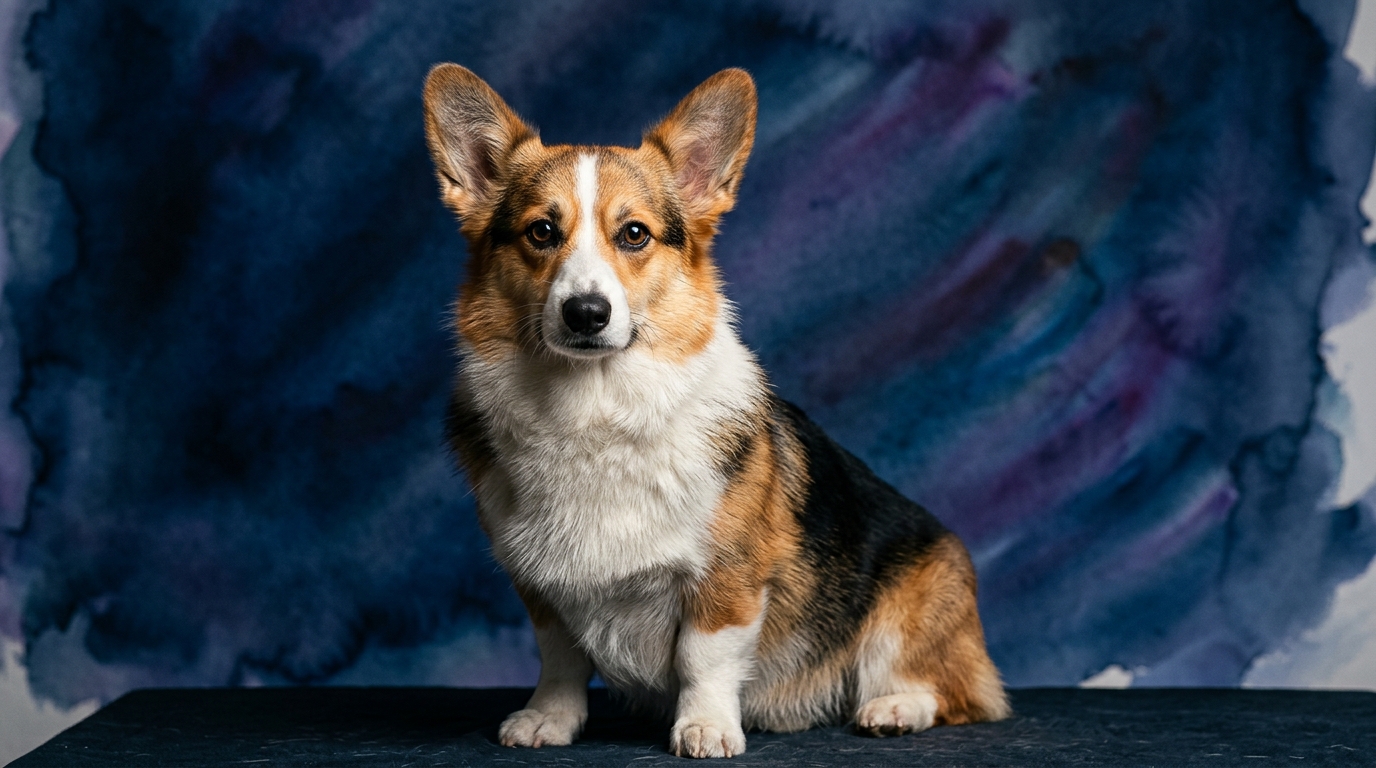
The Pembroke Welsh Corgi, a breed with a notable Coren rank of #11, demonstrates a well-rounded and impressive cognitive toolkit. Its Problem Solving ability is rated at 4/5, indicating a strong capacity to navigate novel situations and figure out solutions independently or with minimal guidance. Training Speed shines at a perfect 5/5, suggesting these dogs grasp new commands and routines with remarkable alacrity. Social Intelligence, at 4/5, highlights their aptitude for understanding human cues, emotions, and complex social dynamics within a household. Their Instinctive Drive, rated 5/5, speaks to a powerful inherent urge to herd and manage, which translates into a focused, task-oriented mindset. Finally, Memory, at 4/5, ensures they retain learned behaviors and social lessons effectively over time, contributing to their consistent performance.
In contrast, the Irish Terrier, a breed not currently featured on the Coren ranking, presents a more uniform, moderate cognitive profile across the board. Its Problem Solving skill is assessed at 3/5, indicating a solid, functional ability to tackle challenges, though perhaps with less spontaneous innovation than the Corgi. Training Speed also stands at 3/5, meaning they are trainable and can learn, but may require more repetitions and patience compared to breeds with higher scores. Social Intelligence, at 3/5, suggests they are capable of forming strong bonds and understanding basic human interactions, but might not be as keenly attuned to subtle emotional shifts. Their Instinctive Drive, also 3/5, points to a moderate level of inherent terrier behaviors like digging or chasing, rather than an overwhelming, singular drive. Similarly, Memory at 3/5 implies they retain information adequately, but perhaps not with the same precision or longevity as a breed with a higher score, potentially requiring occasional refreshers for complex tasks.
Where the Pembroke Welsh Corgi Wins Cognitively
The Pembroke Welsh Corgi's cognitive strengths distinctly outpace the Irish Terrier in several key areas, primarily driven by its herding heritage. Its 5/5 Training Speed means a Corgi will typically master new commands and house rules in fewer sessions, making initial integration and ongoing skill development a smoother process. This rapid learning extends beyond basic obedience; they quickly associate specific words with actions and understand complex sequences, such as 'fetch the blue ball from the basket.' Their superior 4/5 Social Intelligence allows them to interpret human body language and vocal tones with greater nuance, often anticipating what their owner wants or needs before a command is even given, leading to a more harmonious partnership. Furthermore, the Corgi's 5/5 Instinctive Drive for herding translates into a natural inclination for structured activities and a desire to 'work,' making them highly motivated by tasks and challenges. This drive, combined with their 4/5 Problem Solving, means they are not just quick to learn but also adept at applying learned solutions to new, similar situations, such as figuring out how to retrieve a toy stuck under furniture.
Where the Irish Terrier Wins Cognitively
While the Irish Terrier's scores are consistently moderate at 3/5, these numbers highlight a different kind of cognitive strength: independence and resilience. A 3/5 in Problem Solving, while not as high as the Corgi's, signifies a dog that can still approach and resolve issues, often relying on its own judgment and tenacity rather than constantly seeking human input. This can be a distinct advantage for owners who appreciate a dog with a robust sense of self and the ability to entertain itself or navigate situations without constant direction. Their moderate Instinctive Drive (3/5) means that while they possess typical terrier traits like a keen prey drive and a love for digging, these impulses are generally less overwhelming and more manageable than in some other working breeds with higher drive scores, allowing for easier redirection. The Irish Terrier's cognitive profile suggests a sturdy, self-reliant companion, capable of making its own decisions and standing its ground, which translates into a dog that can be surprisingly adaptable and resourceful in varying environments, even if it takes a bit longer to process new information or master complex tasks.
Which is Easier to Train and Why
When it comes to ease of training, the Pembroke Welsh Corgi holds a distinct advantage, primarily due to its 5/5 Training Speed and high Social Intelligence. Corgis, with their herding background, are bred to work closely with humans, respond quickly to commands, and interpret cues. They are typically eager to please, forming associations between actions and rewards very rapidly, which makes teaching new behaviors and refining existing ones a relatively straightforward process. Their strong memory also ensures that once a lesson is learned, it tends to stick.
The Irish Terrier, with its 3/5 Training Speed, requires a more patient and persistent approach. Terriers are known for their independent nature and a 'what's in it for me?' attitude. They are certainly trainable, but they often require more engaging, varied training methods and a stronger incentive to comply. Their moderate social intelligence means they might not always be as finely tuned to an owner's subtle cues, and their independence can sometimes be perceived as stubbornness. Training an Irish Terrier often involves making them believe the task was their idea, leveraging their intelligence and tenacity rather than relying on sheer compliance, which can be a more time-consuming but ultimately rewarding endeavor.
Which Suits Active Owners vs. Relaxed Owners
For active owners seeking a highly engaged and cooperative canine partner, the Pembroke Welsh Corgi is often the more suitable choice. Their high instinctive drive (5/5) and problem-solving skills (4/5) mean they thrive on mental stimulation, structured activities, and a consistent 'job,' even if that job is agility, obedience, or simply managing the household. They require regular, moderate exercise, but more importantly, consistent mental challenges to prevent boredom and channel their considerable cognitive energy. They are well-suited to owners who enjoy teaching new tricks, participating in dog sports, or simply having a dog that is always ready for interaction and learning.
The Irish Terrier, while not a couch potato, can be a better fit for owners who appreciate a dog with a more independent streak and are prepared for consistent, but perhaps less intense, engagement. Their moderate instinctive drive (3/5) means they need outlets for their energy and terrier instincts—such as secure spaces for digging or regular walks to satisfy their curiosity—but they might not demand constant, complex mental tasks in the same way a Corgi does. They are adaptable and can enjoy a relaxed evening, but will certainly need regular physical activity and consistent mental engagement to prevent mischievous behaviors. Owners who appreciate a dog that is less 'needy' for constant direction but still wants to be part of the family, and who are confident in managing a spirited, self-reliant personality, will find a great companion in the Irish Terrier.
The Verdict
Choose the Pembroke Welsh Corgi if you desire a highly trainable, socially astute companion eager to participate in structured activities and learn new skills rapidly.
Opt for the Irish Terrier if you appreciate an independent, resilient dog with moderate drives, valuing a companion who brings tenacity and self-reliance to the partnership.
🧠 Find Your Pet's IQ Score
Our Pet IQ Lab assessment covers 25+ tests across 5 cognitive dimensions — personalized to your breed.
Take the Full IQ Test →Frequently Asked Questions
Do Pembroke Welsh Corgis bark a lot due to their herding instincts?
Yes, Corgis can be prone to barking, a natural part of their herding communication. This behavior is often directed at strangers, other animals, or as a way to 'herd' family members, but it can be managed with consistent training and redirection from a young age.
Are Irish Terriers good with children and other pets?
Irish Terriers can be excellent family dogs, typically forming strong bonds with their human family, including children, especially when raised together. However, due to their terrier prey drive, careful introductions and supervision are crucial with smaller pets, though many coexist peacefully with proper socialization.
What kind of mental stimulation is best for an Irish Terrier?
Irish Terriers benefit from mental stimulation that taps into their problem-solving and hunting instincts, such as puzzle toys, scent work, and varied obedience training sessions. Engaging in activities like earthdog trials or agility can also provide excellent outlets for their energy and intelligence.