A Side-by-Side Cognitive Profile
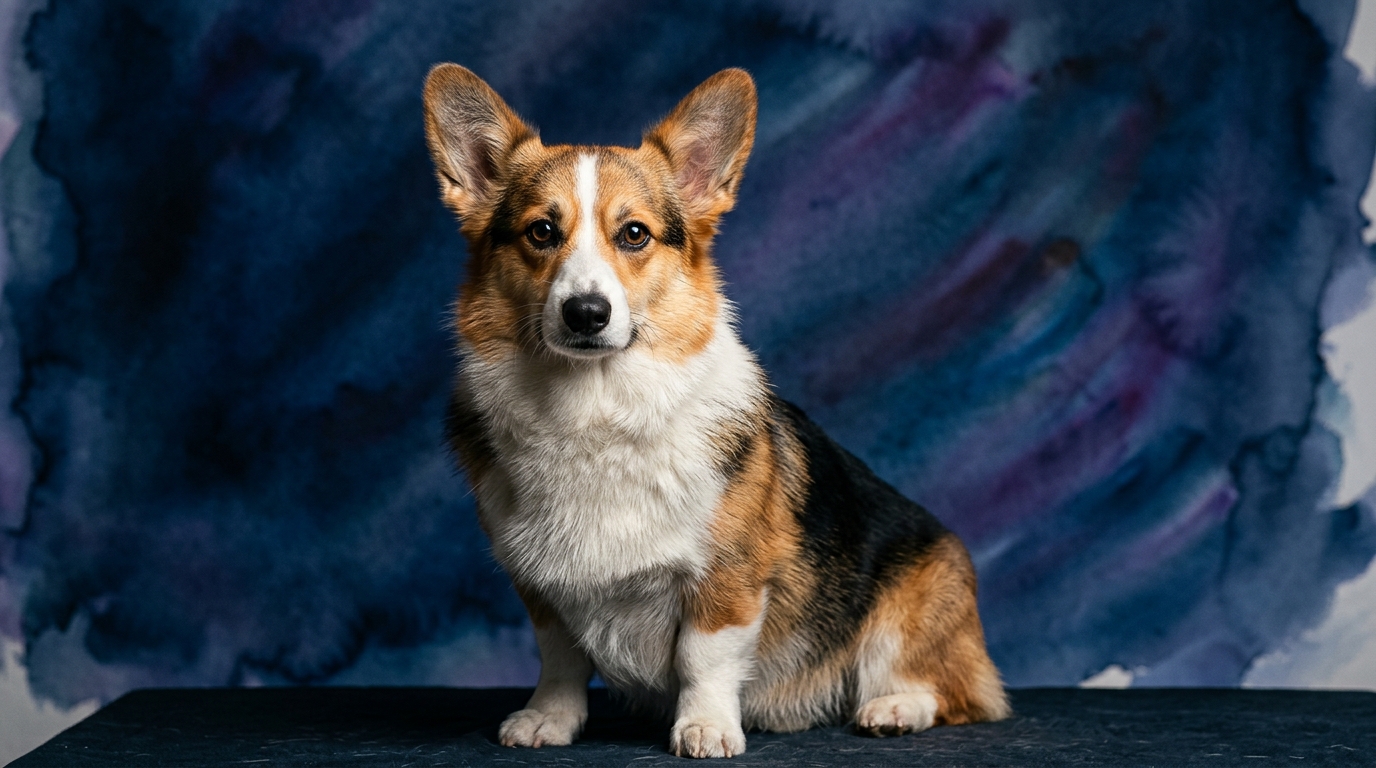
The Pembroke Welsh Corgi, a compact herding dog with a Coren rank of #11, demonstrates a cognitive profile optimized for active collaboration and quick learning. Their problem-solving ability, rated 4/5, allows them to navigate complex environments, figure out how to achieve desired outcomes, and adapt rapidly to new situations, often using their wits to outmaneuver livestock. Training speed is a standout at 5/5, reflecting their eagerness to please and quick grasp of new commands, making them exceptionally responsive to instruction and consistent reinforcement. Social intelligence scores 4/5, indicating a keen ability to interpret human moods and intentions, fostering strong bonds and appropriate interactions within a family unit. Their instinctive drive, at 5/5, is profoundly rooted in their herding heritage, providing them with an inherent focus and motivation to engage in purposeful activities. Finally, their memory, rated 4/5, ensures they retain learned behaviors, routines, and associations over extended periods, contributing to their reliability and consistency.
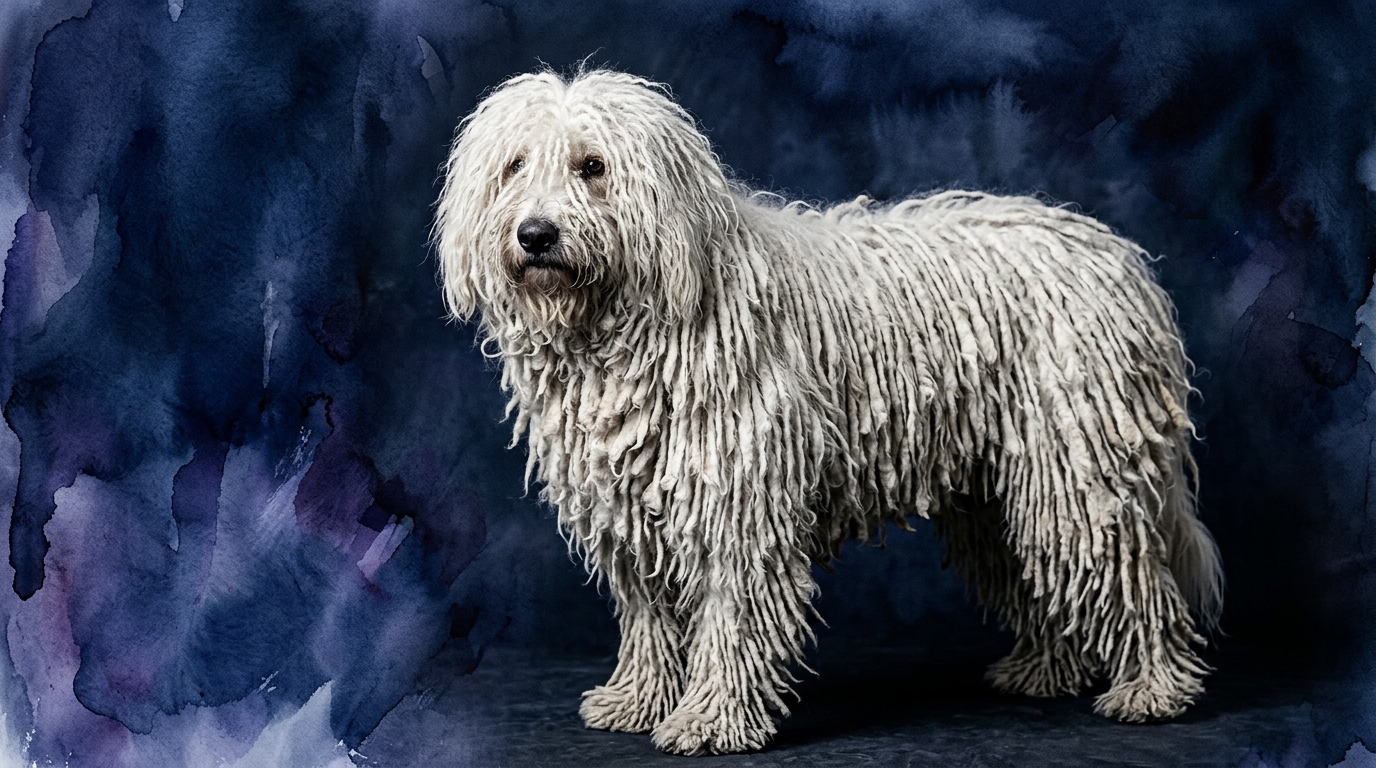
In stark contrast, the Komondor, a formidable working breed with a Coren rank of #67, exhibits a cognitive architecture tailored for independent vigilance and protection. Their problem-solving capacity, rated 3/5, leans towards practical, self-reliant solutions within their guarding duties rather than seeking human direction for novel challenges. While capable, they often prefer established methods. Training speed stands at 3/5, reflecting their independent nature; they require more patient repetition and motivation to internalize commands, often questioning the necessity of an instruction if it doesn't align with their perceived duty. Social intelligence, also 3/5, is primarily expressed through a discerning assessment of their environment and inhabitants, being reserved with strangers but deeply devoted to their family or flock. Their instinctive drive, rated 3/5, is singularly focused on protection and territorial defense, rather than a generalized drive for varied tasks. Memory, at 3/5, is robust for remembering safe individuals and potential threats within their territory, contributing to their unwavering guardianship, albeit with less general recall than some more biddable breeds.
Where the Pembroke Welsh Corgi Excels Cognitively
The Pembroke Welsh Corgi’s cognitive strengths shine brightly in areas demanding dynamic responsiveness and collaborative engagement. Their superior training speed (5/5) means they grasp new commands and complex sequences with remarkable alacrity, making them exceptionally suitable for advanced obedience, agility, or even trick training. This rapid learning curve is a direct advantage for owners seeking a companion that can quickly integrate into diverse routines and adapt to evolving household dynamics. Furthermore, their elevated problem-solving ability (4/5) allows them to independently figure out solutions to environmental puzzles, from opening cabinet doors to navigating a new walking route, demonstrating a proactive curiosity. This cognitive agility, combined with a strong social intelligence (4/5), enables them to read human cues and intentions with precision, facilitating smoother communication and a deeper understanding of their human companions’ expectations. Their potent instinctive drive (5/5) translates into a focused determination, whether applied to their original herding tasks or channeled into constructive activities, making them highly motivated participants in structured engagement.
Where the Komondor's Unique Cognition Stands Out
While the Komondor’s cognitive profile differs significantly, it possesses distinct strengths invaluable for its specialized role. Its primary cognitive advantage lies in its profound independence and self-reliance, crucial for a livestock guardian expected to make critical decisions without human intervention. The Komondor's problem-solving (3/5) is less about rapid, generalized learning and more about strategic, autonomous decision-making within its protective domain, such as identifying potential threats and responding appropriately. Their social intelligence (3/5), though not outwardly effusive, is deeply discerning; they excel at differentiating between familiar, safe individuals and perceived outsiders, a vital skill for their guarding duties. This discernment, paired with their instinctive drive (3/5) for protection, ensures unwavering vigilance and a steadfast commitment to their territory and charges. The Komondor’s memory (3/5) is particularly strong regarding the long-term recall of "friend or foe" distinctions, allowing them to maintain consistent protective behaviors over years. This breed's intelligence is a quiet, steadfast fortitude, valuing independent judgment over constant instruction.
Ease of Training: Corgi vs. Komondor
When considering ease of training, the Pembroke Welsh Corgi distinctly holds the advantage. Their Coren rank of #11 and a training speed of 5/5 reflect a profound eagerness to engage and a rapid assimilation of new information. Corgis thrive on positive reinforcement, quickly associating commands with rewards and exhibiting a strong desire to please their human counterparts. Their herding background instills an attentiveness to direction and a natural inclination to work cooperatively, making them highly responsive to verbal cues and hand signals. This innate biddability means they are generally quicker to pick up complex commands and integrate into structured training regimens.
In contrast, the Komondor, with a Coren rank of #67 and a training speed of 3/5, presents a more significant challenge. Bred to think independently and make autonomous decisions in the absence of a shepherd, Komondors often require convincing that a command is necessary or beneficial. Their training demands immense patience, consistency, and an understanding of their deep-seated independence. Komondors respond best to training methods that treat them as partners, rather than subordinates, requiring motivational techniques that align with their protective instincts or natural curiosity, rather than mere repetition. Their inherent skepticism towards commands that don't immediately make sense to their guardian mindset can slow the training process considerably, requiring a dedicated and understanding trainer.
Matching Breeds to Lifestyles: Active vs. Vigilant Owners
The choice between these two breeds heavily depends on an owner's lifestyle and their capacity for engagement. The Pembroke Welsh Corgi is a better fit for active owners who can provide consistent mental and physical stimulation. Their high instinctive drive (5/5) and robust problem-solving (4/5) mean they flourish with regular exercise, structured play, and activities that challenge their quick minds, such as agility, obedience trials, or even urban herding. An owner who enjoys daily walks, interactive games, and continuous training will find a Corgi a wonderfully engaged companion, eager to participate and learn new things.
Conversely, the Komondor is more suited for owners who might be described as "relaxed" in terms of high-energy output, but who are intensely dedicated to providing a secure environment and understanding a breed with specialized needs. While Komondors do require exercise, their primary mental engagement comes from observing and guarding their territory. They are not typically a breed for constant high-intensity activities or extensive social outings. Their independence means they are content to patrol their yard, assess their surroundings, and remain vigilant. Owners must be prepared for the commitment to their specialized role, offering a quiet confidence and a consistent, predictable routine that reinforces their guardian instincts without overstimulating them with unnecessary tasks.
The Verdict
Choose the Pembroke Welsh Corgi if you desire an engaged, quick-learning companion, enjoy interactive training, and can provide consistent mental and physical challenges.
Opt for the Komondor if you seek a protective, independent guardian, understand the nuances of working breed psychology, and can provide a secure environment where their innate guarding instincts are fulfilled.
🧠 Find Your Pet's IQ Score
Our Pet IQ Lab assessment covers 25+ tests across 5 cognitive dimensions — personalized to your breed.
Take the Full IQ Test →Frequently Asked Questions
Are Corgis generally more trainable than Komondors?
Yes, Corgis typically exhibit faster training speeds and greater eagerness to learn new commands, making them more receptive to traditional obedience training and quick to adapt to new routines.
What is the primary cognitive strength of a Komondor?
The Komondor's primary cognitive strength lies in its independent decision-making and unwavering vigilance, honed for protecting livestock without constant human direction and making autonomous judgments.
How do their social intelligences differ?
Corgis display broader social adaptability and quicker understanding of varied human cues, fostering general companionship, while Komondors possess a more specialized social intelligence focused on discerning threats and loyalty within their defined territory or family.