Side-by-Side IQ Profile: Herding Wit vs. Terrier Grit
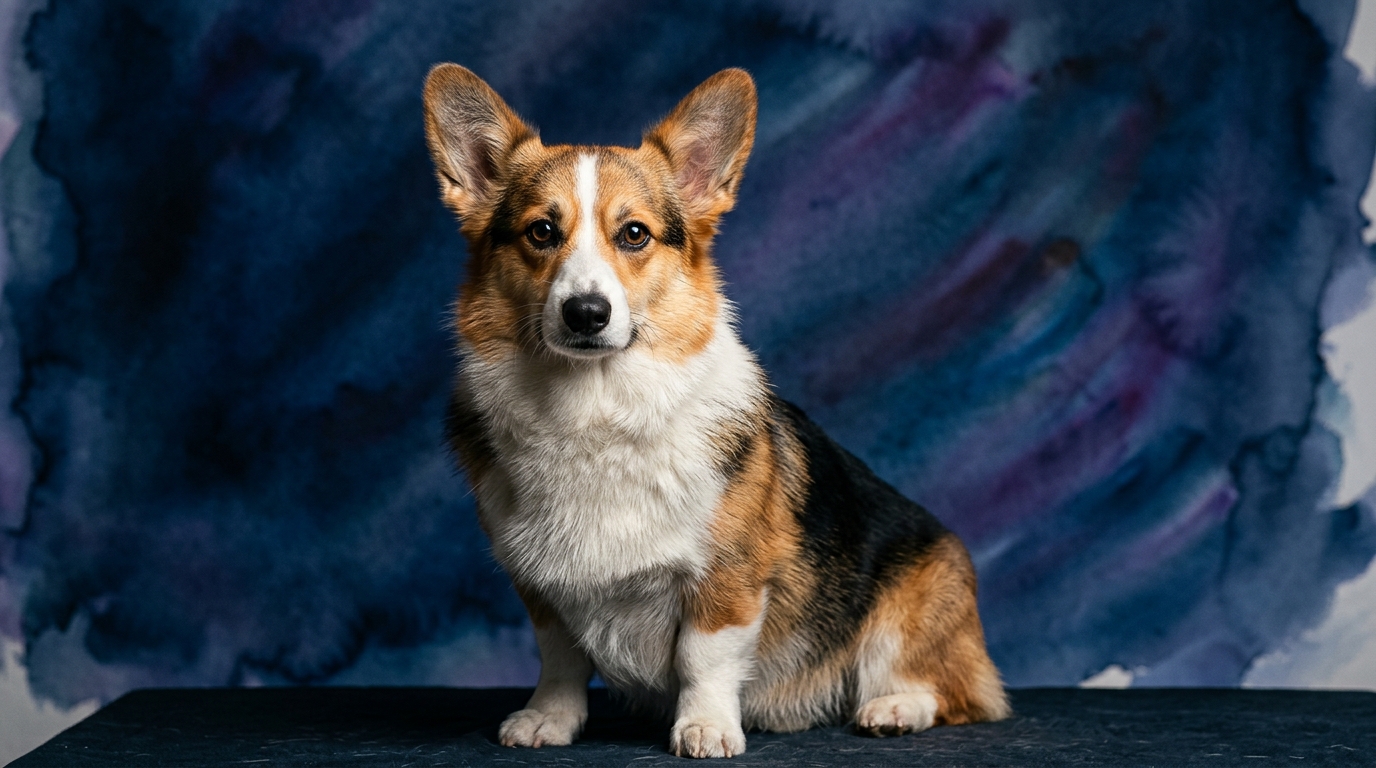
The Cosmic Pet Pet IQ Lab offers a nuanced look at canine intelligence, moving beyond simple 'smart' labels to evaluate specific cognitive dimensions. For the Pembroke Welsh Corgi, a breed historically tasked with complex livestock management, their profile reflects a highly cooperative and adaptable mind. They score 4/5 in Problem Solving, adept at navigating intricate situations and often devising creative solutions to reach goals. Their Training Speed is an exceptional 5/5, indicating a remarkable ability to grasp new commands swiftly. Social Intelligence is rated 4/5, showcasing their capacity to read human cues and integrate into family dynamics seamlessly. An Instinctive Drive of 5/5 highlights their strong herding impulses and inherent desire for purpose, while their Memory at 4/5 ensures they retain learned behaviors and experiences over extended periods.
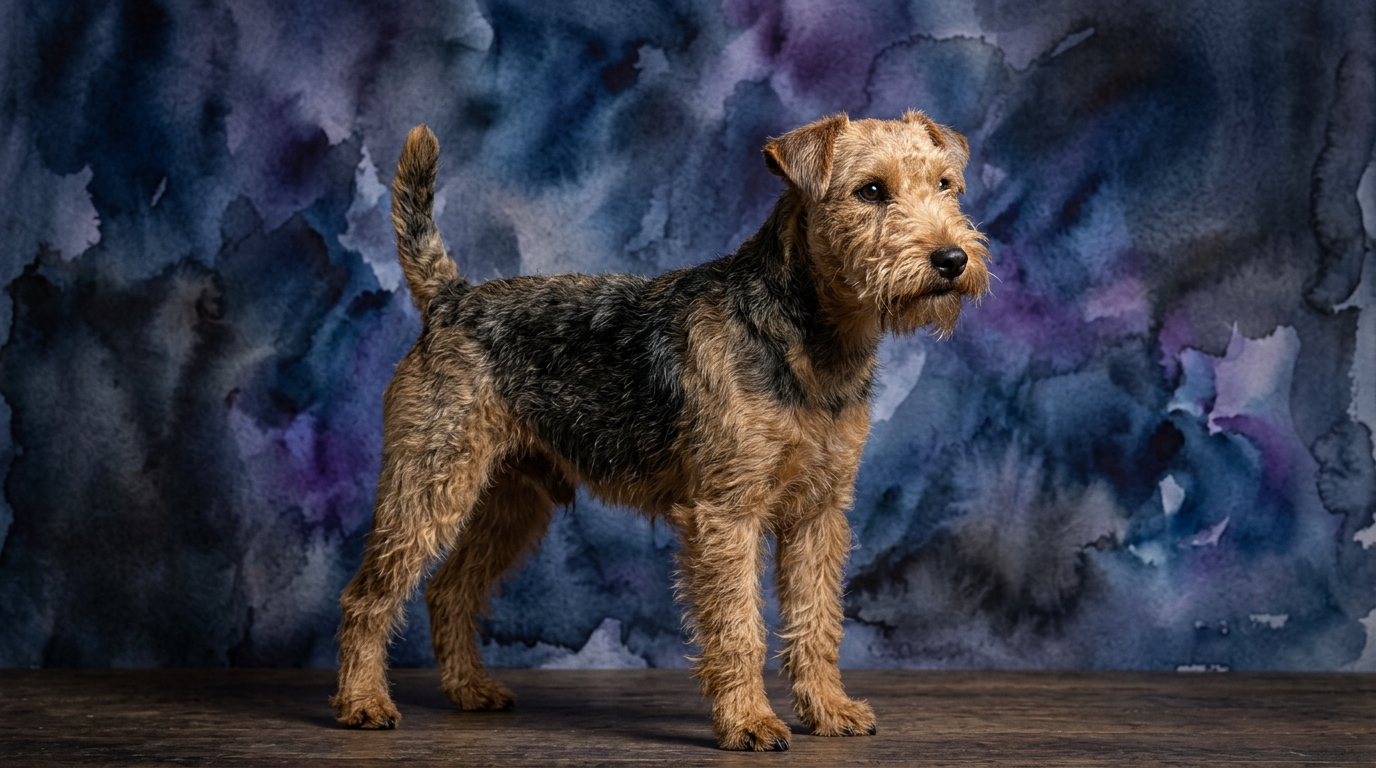
In contrast, the Lakeland Terrier, a breed developed for independent vermin hunting, presents a different set of cognitive strengths. Their Problem Solving is rated 3/5, demonstrating practical resourcefulness, especially when pursuing a goal, though perhaps less inclined towards abstract reasoning than the Corgi. Training Speed stands at 3/5, suggesting a moderate learning pace that can be influenced by their independent streak. Social Intelligence is also 3/5, meaning they understand social dynamics but often prioritize their own agenda or immediate task. Their Instinctive Drive is 3/5, primarily focused on prey drive and exploration, rather than cooperative work. Lastly, their Memory is 3/5, indicating a solid ability to recall commands and routines, albeit with a potential for selective 'forgetting' when a more compelling instinct takes hold.
Where the Pembroke Welsh Corgi Excels Cognitively
The Pembroke Welsh Corgi's cognitive profile paints a picture of a dog built for intricate communication and collaborative work. Their Coren ranking of #11, which places them among the most adept working breeds, is clearly reflected in their Pet IQ Lab scores. The Corgi's superior Training Speed (5/5) means they pick up cues and complex sequences almost immediately, making them delightful partners for obedience, agility, or even advanced trick training. This rapid acquisition of knowledge stems from a deep eagerness to please and an intrinsic motivation to engage with their human companions.
Beyond quick learning, the Corgi's high scores in Problem Solving (4/5) and Social Intelligence (4/5) work in tandem, allowing them to interpret human intentions and adapt their actions with remarkable precision. They anticipate commands, understand routines, and navigate household rules with an intuitive grasp that minimizes misunderstandings. Their powerful Instinctive Drive (5/5) isn't just about herding; it's about having a purpose and remaining engaged, which fuels their desire to learn, work, and interact purposefully with their handler, making them highly responsive to direction and mental challenges.
Where the Lakeland Terrier Shines Cognitively
While the Lakeland Terrier's scores might appear lower in comparison, their cognitive strengths are uniquely suited to their original purpose and manifest differently. Their Problem Solving ability (3/5) is not about cooperative herding, but about independent resourcefulness. This means they excel at figuring out how to achieve a personal objective, whether it's navigating a complex scent trail, getting to a perceived 'prey,' or outsmarting a puzzle toy designed for mental engagement. They possess a tenacious, self-reliant wit that allows them to persist until a solution is found, often through trial and error.
The Lakeland's Instinctive Drive (3/5), though numerically lower than the Corgi's, is intensely focused and purposeful. This drive is rooted in their heritage as fearless hunters, giving them an unyielding mental fortitude when pursuing a goal. They are not easily deterred and exhibit a determination that can be channeled into activities like scent work, earth dog trials, or even complex fetch games. Their moderate Social Intelligence (3/5) allows them to form strong bonds, but their focus can often be more on the task at hand rather than constant human validation, reflecting a self-assured and independent thinking style.
Training Dynamics: Corgi's Eagerness vs. Lakeland's Independence
Training a Pembroke Welsh Corgi is generally a rewarding experience due to their exceptional Training Speed (5/5) and eagerness to please. They are highly biddable and quick to grasp new commands, often requiring fewer repetitions than many other breeds. This makes them ideal candidates for various dog sports like obedience, rally, and agility, where their responsiveness and desire to work shine. Positive reinforcement methods, coupled with consistent, engaging sessions, will yield excellent results, fostering a strong bond built on mutual understanding and clear communication.
The Lakeland Terrier, with a Training Speed of 3/5, requires a different approach. Their independent nature and strong prey drive mean that training often demands more patience, consistency, and creativity. Instead of rote obedience, Lakeland Terriers respond best when training feels like a game, a challenge, or when it appeals to their innate instincts. Owners must make themselves more interesting than potential distractions, using high-value rewards and varied techniques to maintain their focus. While they can learn a wide array of commands, their independent streak means they might choose to 'audit' a command if they perceive a more enticing alternative, requiring a firm yet fair handler who understands their terrier temperament.
Matching Lifestyles: Active Engagement vs. Determined Exploration
For owners seeking an actively engaged and highly cooperative companion, the Pembroke Welsh Corgi is an excellent fit. They thrive in environments where their cognitive abilities are regularly challenged through training, puzzle toys, and structured play. Their strong instinctive drive means they need a 'job' – whether it's learning new tricks, participating in dog sports, or simply being involved in daily family activities. They are not suited for owners who desire a purely 'relaxed' pet that requires minimal mental stimulation, as their intelligent minds can become bored and potentially destructive without proper outlets.
The Lakeland Terrier suits owners who appreciate an independent spirit and can provide outlets for their hunting instincts and boundless energy. While they enjoy family interaction, they are often content to pursue their own interests, such as exploring a secure yard, engaging in scent work, or chasing a lure. They require physical activity to burn off energy, but also mental challenges that appeal to their terrier nature, such as digging boxes or problem-solving toys. They are less suited for owners seeking a constantly compliant companion, instead thriving with those who understand and respect their determined, self-sufficient character.
The Verdict
Choose the Pembroke Welsh Corgi if you desire a highly biddable, eager-to-please companion who thrives on cooperative learning and consistent mental engagement.
Opt for the Lakeland Terrier if you appreciate an independent, resourceful dog with a tenacious spirit, and you're prepared to engage their instincts with creative, patient training.
🧠 Find Your Pet's IQ Score
Our Pet IQ Lab assessment covers 25+ tests across 5 cognitive dimensions — personalized to your breed.
Take the Full IQ Test →Frequently Asked Questions
Which breed is better for first-time dog owners?
The Pembroke Welsh Corgi is generally more forgiving for first-time owners due to their high biddability and eagerness to learn. Their quick training speed makes it easier to establish good habits and manage their behavior effectively from the start.
Do Lakeland Terriers require a lot of exercise?
Lakeland Terriers possess a good amount of energy and require regular physical activity to stay healthy and happy. Daily walks, playtime, and opportunities for off-leash running in a secure area are essential to satisfy their active nature and prevent boredom.
Are Pembroke Welsh Corgis good with children?
Pembroke Welsh Corgis can be wonderful family dogs and are generally good with children, especially when properly socialized from a young age. Their herding instincts may lead to gentle 'nipping' at heels, so supervision and teaching children to respect their space are important.