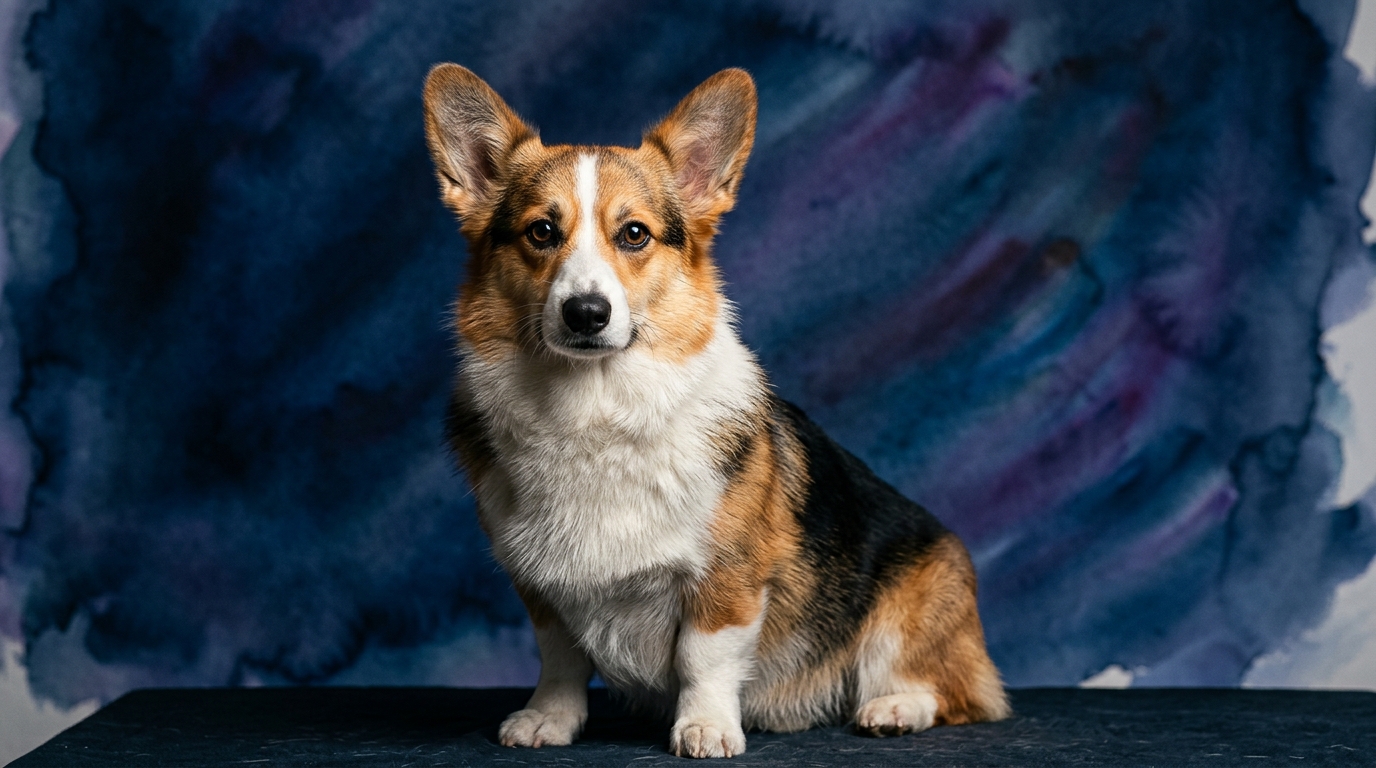

Side-by-Side IQ Profile: Corgi vs. Lhasa Apso
The Pembroke Welsh Corgi, ranked #11 by Dr. Stanley Coren, showcases a remarkable aptitude across multiple cognitive dimensions. Their Problem Solving is rated at 4/5, indicating an ability to quickly devise solutions to environmental challenges, such as figuring out how to open a cupboard or navigate a complex obstacle course. Training Speed stands at an impressive 5/5, reflecting their rapid grasp of new commands and eagerness to engage in learning activities. Social Intelligence, at 4/5, demonstrates their attunement to human cues and their capacity for cooperative interaction. An Instinctive Drive of 5/5 highlights their strong herding impulses and a purposeful work ethic, while a Memory score of 4/5 ensures they retain learned behaviors and experiences effectively.
In contrast, the Lhasa Apso, positioned at Coren rank #68, presents a distinct cognitive blueprint. Their Problem Solving ability is rated 3/5, meaning they can address challenges but might approach them with more persistence or deliberation rather than immediate innovation. Training Speed also sits at 3/5, suggesting they learn at a moderate pace, often requiring consistent motivation and a patient approach. Social Intelligence at 3/5 indicates an independent streak; while deeply bonded to their trusted family, they are less overtly cooperative with strangers or in group settings. Their Instinctive Drive is 3/5, primarily focused on vigilance and territorial defense, and their Memory at 3/5 is sufficient for recognizing familiar faces, routines, and perceived threats, essential for their historical guardian role.
Where Pembroke Welsh Corgi Excels Cognitively
The Pembroke Welsh Corgi's cognitive strengths are deeply rooted in their herding heritage. Their 4/5 Problem Solving and 5/5 Instinctive Drive translate into a dog that not only comprehends complex tasks but actively seeks to engage with and manage their environment. This often manifests as swift decision-making, whether it's anticipating the movement of livestock or quickly adapting to new training exercises. They don't just follow instructions; they often process the underlying intent, making them highly adaptable in dynamic situations.
Furthermore, their 5/5 Training Speed is bolstered by a 4/5 Social Intelligence, creating a highly receptive and cooperative learner. Corgis are attuned to human direction and feedback, enabling them to build a broad repertoire of skills rapidly. Their robust memory (4/5) ensures that once a behavior or command is learned, it is retained, allowing for consistent performance and the ability to perform intricate sequences. This combination of cognitive assets makes them adept at canine sports, advanced obedience, and tasks requiring multi-step problem-solving.
Where Lhasa Apso Shines Cognitively
The Lhasa Apso’s cognitive profile, while different from the Corgi, reveals strengths tailored to their specific purpose as watchful sentinels. Their 3/5 Problem Solving, for example, often presents as tenacity and resourcefulness in navigating their immediate environment to achieve a desired outcome, such as finding the optimal vantage point for observation or persistently working at a puzzle toy. Their focus isn't necessarily on speed, but on a deliberate, self-assured approach to challenges.
A 3/5 Social Intelligence, rather than indicating a lack of connection, reflects a discerning and independent nature. This allows them to make judgments based on their own assessment of a situation, a crucial trait for a guardian breed who must decide when to alert or when to observe. Their 3/5 Instinctive Drive is a highly focused, unwavering commitment to vigilance and territorial defense, demanding consistent attention to their surroundings. This persistent alertness is a specialized cognitive function, enabling them to detect subtle changes in their environment. Their 3/5 Memory supports this role by allowing them to reliably recall who belongs and who doesn't, and to remember routines that ensure their comfort and security.
Training Dynamics: Corgi's Eagerness vs. Lhasa Apso's Independence
When considering ease of training, the Pembroke Welsh Corgi generally presents as a more straightforward student. Their 5/5 Training Speed and 4/5 Social Intelligence mean they are typically eager to engage, quick to understand commands, and motivated by positive reinforcement and human interaction. Their herding background instills a natural responsiveness to direction, making them receptive to structured learning environments. They often display a keen desire to please, making the training process a collaborative and rewarding experience for both dog and owner.
The Lhasa Apso, with a 3/5 Training Speed and 3/5 Social Intelligence, requires a different approach. Their independent and self-assured nature means they learn, but often on their own terms. They may not possess the same inherent drive to comply immediately and might require more patience, consistency, and creative motivation to maintain their interest. Real behavioral differences include their tendency to weigh a command against their own perceived importance of the task at hand. For instance, a Lhasa Apso might prioritize observing a perceived anomaly outside over executing a 'sit' command, demanding an owner who understands their intrinsic motivations and works with, rather than against, their discerning personality.
Matching Breeds to Lifestyles: Active Engagement vs. Steadfast Companionship
The cognitive demands of the Pembroke Welsh Corgi make them an excellent fit for active owners who relish engaging with their canine companions. Their 4/5 Problem Solving and 5/5 Instinctive Drive mean they thrive on having a 'job,' whether it's learning new tricks, participating in dog sports like agility or herding trials, or simply engaging in regular, mentally stimulating play sessions. They require consistent physical exercise, typically 30-60 minutes daily, but equally important is the cognitive engagement to prevent boredom and channel their purposeful energy constructively. Owners who enjoy teaching and interacting with a responsive, quick-witted dog will find a Corgi a fulfilling partner.
Conversely, the Lhasa Apso is better suited for more relaxed owners who appreciate a steadfast, independent companion. While they enjoy walks and playtime, their needs are less about high-energy output and more about consistent companionship and the opportunity to fulfill their natural role as a vigilant presence. Their 3/5 Instinctive Drive is focused on observation and protection, meaning they don't require complex tasks but rather a secure environment where they can feel responsible. Owners who value a dog with a strong sense of self, who offers loyal presence rather than constant, eager participation, will find the Lhasa Apso a profoundly rewarding and devoted family member.
The Verdict
Choose the Pembroke Welsh Corgi if you seek an enthusiastic, highly trainable partner for activities, mental challenges, and a consistently responsive companion.
Opt for the Lhasa Apso if you desire a discerning, loyal companion who offers steadfast presence, an independent spirit, and a unique, self-assured personality.
🧠 Find Your Pet's IQ Score
Our Pet IQ Lab assessment covers 25+ tests across 5 cognitive dimensions — personalized to your breed.
Take the Full IQ Test →Frequently Asked Questions
Do Corgis bark a lot?
Yes, Corgis, with their herding instincts and alert nature, can be quite vocal, often using barks to communicate warnings or express excitement. Consistent training from a young age can help manage this inherent trait and teach appropriate times for vocalization.
Are Lhasa Apsos good with kids?
Lhasa Apsos can be good with older, respectful children who understand how to interact with dogs, but their independent and sometimes reserved nature means they may not tolerate boisterous play as readily as some other breeds. Supervision is always recommended to ensure positive interactions for both dog and child.
How much exercise does a Corgi need?
Pembroke Welsh Corgis require moderate daily exercise, typically 30-60 minutes of walks or active playtime, coupled with mental stimulation to satisfy their active minds and herding drive. This blend of physical and cognitive activity is crucial to prevent boredom and promote overall well-being.