Side-by-Side Cognitive Profiles: Corgi vs. Maltese
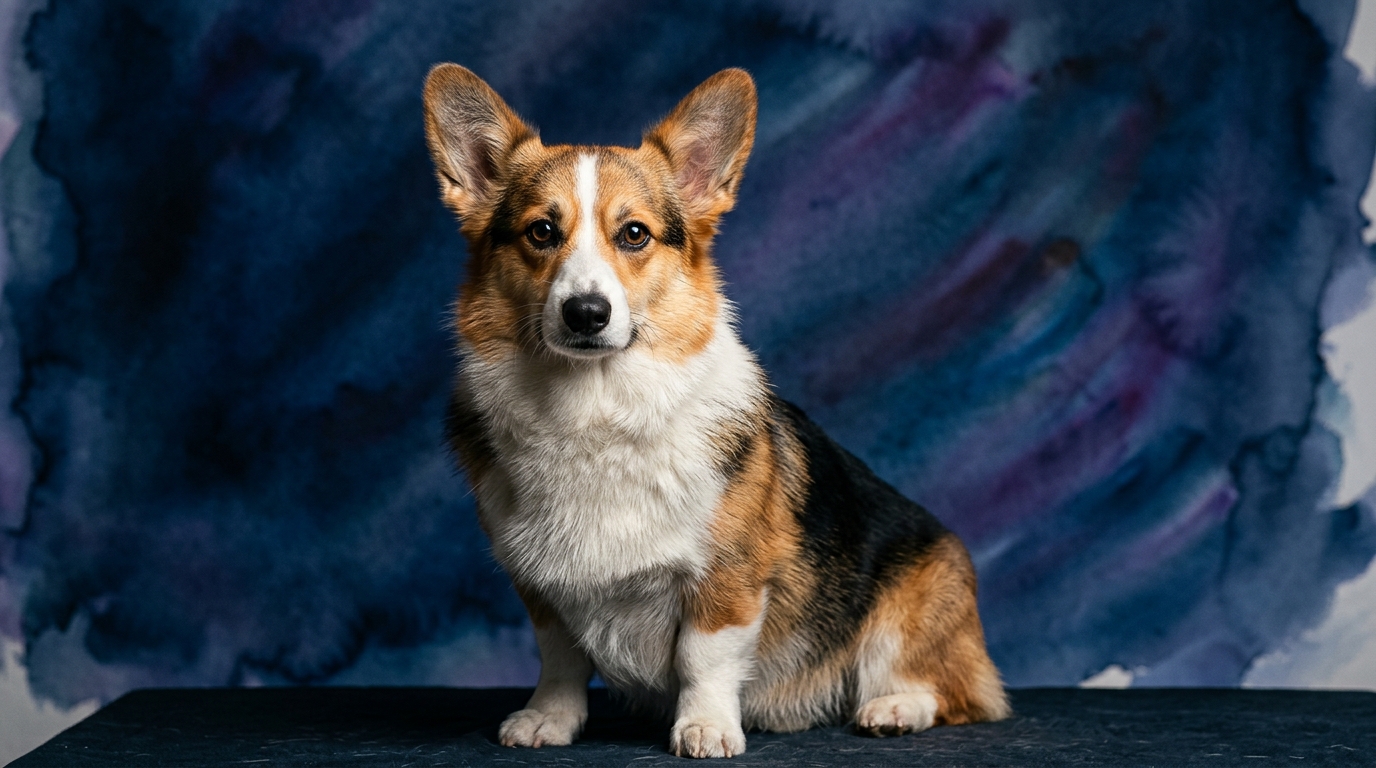
**Pembroke Welsh Corgi (Coren Rank #11)**: This spirited herder exhibits a remarkable blend of cognitive strengths, optimized for dynamic work. Their Problem Solving (4/5) is robust, enabling them to quickly assess novel situations and devise effective solutions, often independently, when faced with a task or obstacle in their environment. Training Speed (5/5) is exceptionally high; they grasp new commands, complex sequences, and routines with impressive alacrity, displaying an eagerness to engage and learn from their human counterparts. Social Intelligence (4/5) allows them to form strong, cooperative bonds and understand human cues within a working context, though their primary focus often remains on structured activities and tasks rather than pure emotional mirroring. Their Instinctive Drive (5/5) is paramount, manifesting as a persistent desire to work, organize, and control their surroundings, a direct and powerful legacy of their herding lineage. Finally, Memory (4/5) ensures they retain complex lessons learned, build upon past experiences effectively, and remember intricate routines, making them highly consistent performers.
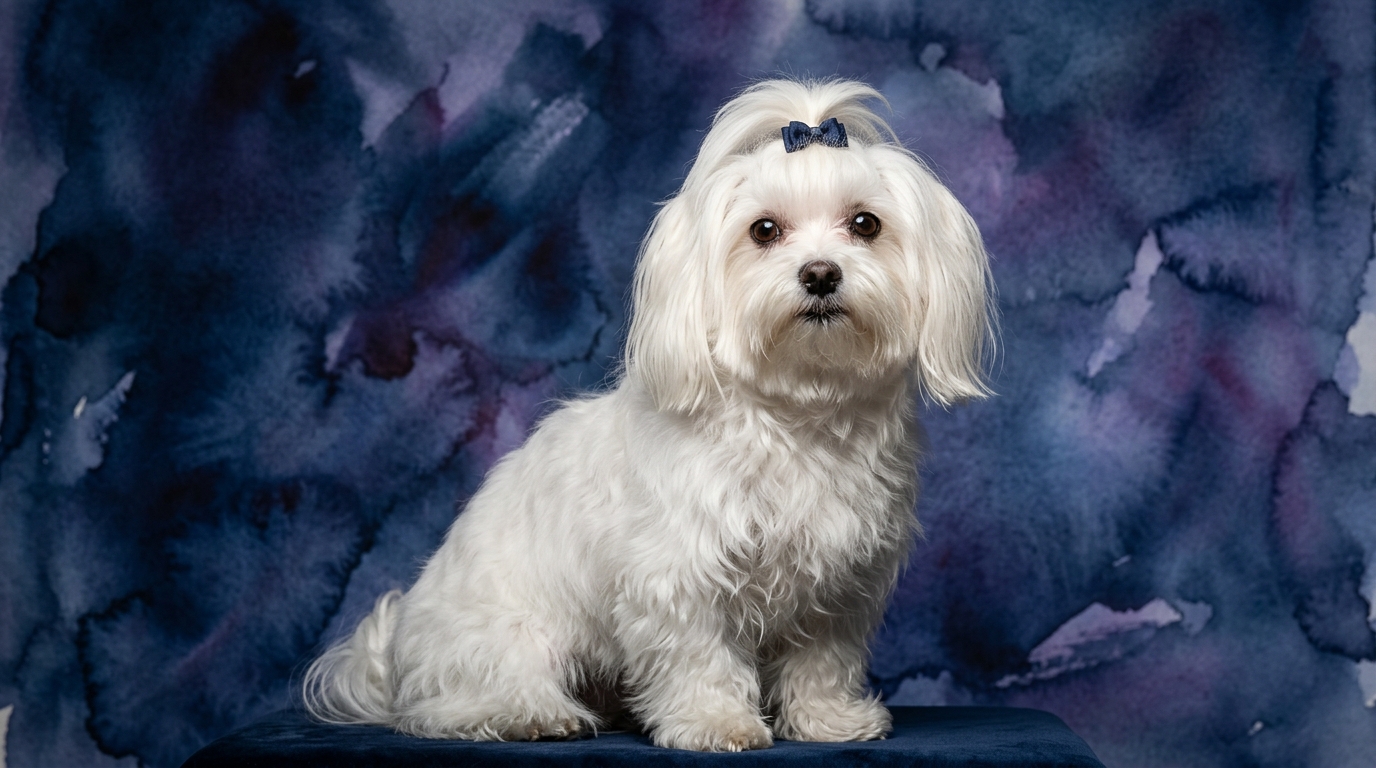
**Maltese (Coren Rank #59)**: The elegant Maltese presents a different, yet equally compelling, cognitive makeup, meticulously optimized for close human interaction and companionship. Their Problem Solving (3/5) is adequate for navigating daily life, learning basic tricks, and understanding household dynamics, but generally less geared towards complex, multi-step tasks requiring abstract reasoning. Training Speed (3/5) is moderate; they can certainly learn a wide array of commands, but often require more repetition, patience, and highly motivating positive reinforcement, thriving on individual attention during sessions. Where they truly shine is Social Intelligence (5/5); these dogs are masters of reading human emotions, anticipating needs, and offering profound, empathetic companionship, making them exceptionally attuned to their owners' moods and desires. Their Instinctive Drive (2/5) is relatively low, focusing predominantly on comfort, affection, and interaction rather than on independent work, strong prey responses, or territorial management. Memory (3/5) serves them well for remembering routines, beloved faces, and preferred comforts, though perhaps less for intricate task sequences or long-term strategic planning.
Where the Pembroke Welsh Corgi Excels Cognitively
The Pembroke Welsh Corgi's cognitive prowess shines brightest in environments demanding dynamic thought, strategic planning, and swift action. Their superior Problem Solving (4/5) allows them to not just follow instructions, but to strategize on the fly, whether it’s figuring out how to retrieve a toy from a tricky, multi-layered spot, outsmarting a puzzle feeder, or navigating a complex agility course with precision and foresight. This breed often anticipates the next step in a sequence, demonstrating a proactive intelligence. Coupled with an exceptional Training Speed (5/5), Corgis absorb new information, intricate commands, and multi-part routines at an accelerated rate, making them highly receptive to advanced obedience, competitive trick training, and even specialized working roles. Their powerful Instinctive Drive (5/5) provides an unwavering motivation to engage in tasks, transforming training into a purposeful, collaborative partnership rather than a mere repetition of cues. This inherent drive, deeply rooted in their herding heritage, means they possess a natural inclination to organize, manage, and complete objectives, lending a focused intensity and enduring enthusiasm to their learning and application of skills that few breeds can match.
Where the Maltese Excels Cognitively
The Maltese's cognitive strengths are profoundly rooted in their social and emotional attunement, positioning them as unparalleled companions and emotional support animals. Their Social Intelligence (5/5) is a defining characteristic, allowing them to read and respond to human emotions with remarkable precision and empathy. A Maltese can often sense an owner's mood shifts, offering comfort through gentle nudges or playful distraction exactly when needed, showcasing a deep empathic capacity that extends far beyond simple recognition of faces. This breed thrives on interaction, using their subtle body language, soft gazes, and expressive vocalizations to communicate effectively and maintain harmony within their human family. While their Problem Solving (3/5) isn't primarily focused on complex physical tasks or independent problem-solving in the environment, they are remarkably adept at solving social puzzles, quickly figuring out how to gain attention, elicit a desired positive response from their owners, or manipulate situations to their advantage for comfort. Their cognitive energy is largely directed towards strengthening emotional bonds and maintaining their cherished place within their social unit, making them exceptionally intuitive and responsive to the nuances of human companionship.
Which is Easier to Train and Why
When evaluating ease of training for complex tasks and obedience, the Pembroke Welsh Corgi generally holds a distinct advantage due to its exceptional Training Speed (5/5) and robust Instinctive Drive (5/5). Corgis are inherently eager to learn and possess a natural inclination towards structured tasks, often picking up new commands and linking them into sequences in very few repetitions. Their herding background means they are accustomed to working in close cooperation with humans and respond well to clear, consistent direction, though their independent spirit and strong will require a confident, fair leader to guide them effectively. Owners might encounter their characteristic “nipping” at ankles or herding children, a residual herding behavior that requires early and consistent redirection, but this stems from an inherent, powerful drive, not a lack of understanding or defiance.
The Maltese, with a more moderate Training Speed (3/5), requires a more patient, gentle, and consistently reward-based approach. While they are certainly capable of learning a wide range of commands and tricks, their motivation is primarily social and comfort-driven rather than task-oriented. They might take longer to generalize commands to different environments and are more sensitive to harsh corrections, flourishing instead with abundant positive reinforcement, enthusiastic praise, and high-value treats. Their lower Instinctive Drive (2/5) means they are less compelled to “work for work's sake” and more inclined to seek warmth, affection, and companionship, making consistent, engaging, and fun training sessions absolutely crucial to maintain their focus and enthusiasm. The primary challenge with a Maltese often lies in maintaining their attention and making training feel like a positive, bonding activity rather than a demanding chore.
Which Suits Active Owners vs. Relaxed Owners
The Pembroke Welsh Corgi is an ideal match for active owners who relish engaging their companion in purposeful activities, consistent training, and challenging mental stimulation. Their high Instinctive Drive (5/5) and robust Problem Solving (4/5) mean they thrive when given “jobs” to do, whether it's participating in agility, competitive obedience, herding trials, or simply learning an extensive repertoire of advanced tricks and problem-solving games. Owners who enjoy long, brisk walks, structured play sessions, and consistent, ongoing training will find the Corgi a willing, enthusiastic, and highly capable partner. Without adequate mental and physical stimulation, a Corgi can quickly become bored and channel their considerable energy and cognitive abilities into less desirable behaviors, reflecting their profound need for consistent engagement and purpose.
Conversely, the Maltese is perfectly suited for more relaxed owners seeking a devoted, affectionate, and emotionally intuitive lap companion. Their exceptional Social Intelligence (5/5) means their primary need is close human connection, constant companionship, and gentle interaction, rather than strenuous physical activity or complex, independent tasks. While they certainly enjoy short, leisurely walks around the neighborhood and playful interactions with their family, their cognitive and emotional well-being is predominantly centered on being an integral, cherished part of their human family's daily life, often content to observe from a comfortable perch or cuddle contentedly on a lap. Owners who prioritize deep emotional bonding, gentle interaction, and a more serene lifestyle over rigorous activity will find the Maltese an exceptionally fulfilling, low-key, and deeply affectionate companion.
The Verdict
Choose the Pembroke Welsh Corgi if you are an active owner seeking a task-oriented companion eager to learn complex commands and participate in dog sports, appreciating a dog with strong problem-solving skills and a distinct work ethic.
Opt for the Maltese if you desire a highly socially intelligent, empathetic companion who thrives on close human interaction and offers profound emotional support, perfectly content with a more relaxed lifestyle centered on affection.
🧠 Find Your Pet's IQ Score
Our Pet IQ Lab assessment covers 25+ tests across 5 cognitive dimensions — personalized to your breed.
Take the Full IQ Test →Frequently Asked Questions
Do Corgis bark a lot due to their herding instincts?
Yes, Pembroke Welsh Corgis often use their voice to “manage” their environment and alert their family, a remnant of their herding communication. This vocal tendency can be managed with consistent training, channeling their instinctive drive into appropriate outlets.
Are Maltese difficult to house train because of their training speed?
Maltese can sometimes present challenges in house training, not necessarily due to a lack of ability, but because their smaller bladders and preference for comfort might mean they need more frequent outdoor access and consistent reinforcement. Patience and positive methods are key to success with their moderate training speed.
Can a Maltese participate in dog sports like agility?
While a Maltese's instinctive drive is lower than a Corgi's, they can certainly participate in dog sports like agility at a recreational level, especially if motivated by treats and social praise. Their excellent social intelligence means they enjoy working with their owner, even if their problem-solving isn't geared for top competition.