Side-by-Side IQ Profile: Corgi vs. Newfoundland
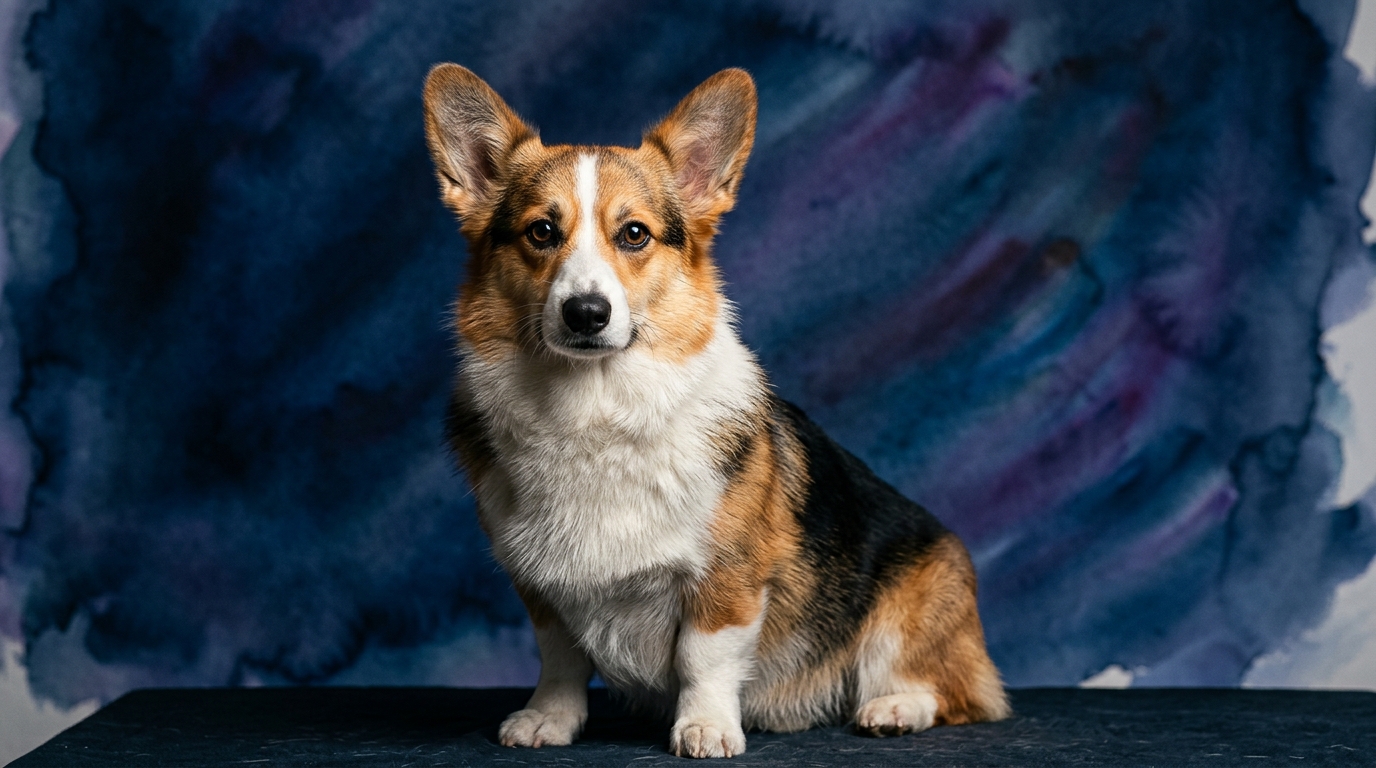
The Cosmic Pet Pet IQ Lab provides a comprehensive framework to understand the unique cognitive strengths of each breed. For the Pembroke Welsh Corgi, ranked #11 by Coren, its Problem Solving score is 4/5, indicating a strong aptitude for navigating complex situations and devising solutions. Its Training Speed is an impressive 5/5, highlighting an exceptional capacity for rapid learning and command acquisition. Social Intelligence stands at 4/5, suggesting a good understanding of human cues and social dynamics, while Instinctive Drive is a robust 5/5, reflecting its deep-seated herding behaviors. Memory for the Corgi is rated 4/5, showing a solid ability to recall learned behaviors and experiences.
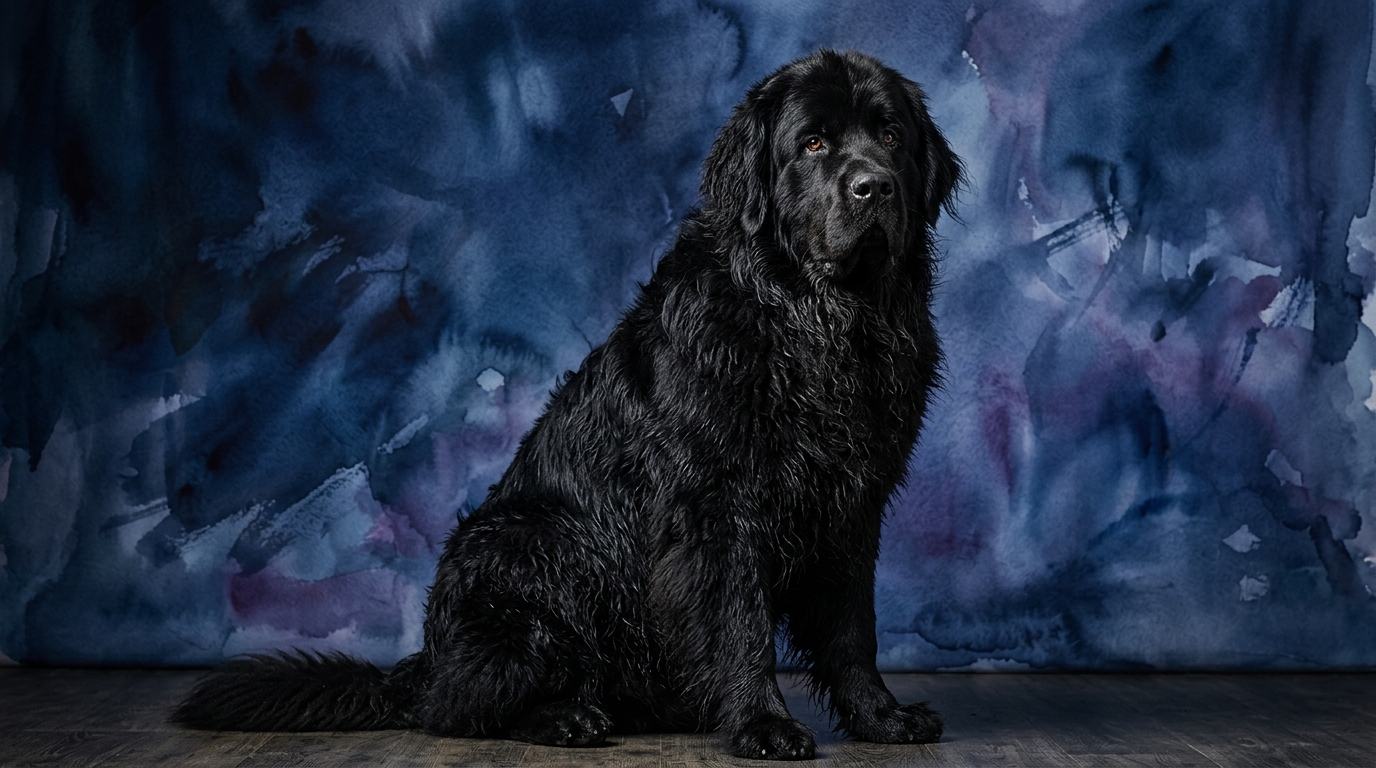
In contrast, the Newfoundland, Coren ranked #34, presents a distinct cognitive blueprint. Its Problem Solving score is 3/5, indicating a competent but perhaps less independent approach to novel challenges. Training Speed is rated 4/5, signifying a good pace of learning, though slightly slower than the Corgi. The Newfoundland truly shines in Social Intelligence with a perfect 5/5, demonstrating an extraordinary empathy and attunement to human emotion. Its Instinctive Drive is also 5/5, reflecting its strong innate desire to assist and protect, particularly in water. Memory for the Newfoundland aligns with the Corgi at 4/5, indicating reliable recall over time.
Where Pembroke Welsh Corgi Wins Cognitively
The Pembroke Welsh Corgi's cognitive strengths are particularly evident in its superior Training Speed and Problem Solving capabilities. Its 5/5 training speed means a Corgi can often grasp new commands and routines with remarkable swiftness, requiring fewer repetitions than many other breeds. This rapid assimilation of information translates into an eager student, quick to pick up tricks, obedience commands, or even intricate agility courses. Owners often report that Corgis seem to anticipate what's expected of them, processing information and responding efficiently.
Furthermore, the Corgi's 4/5 Problem Solving score allows it to navigate novel situations with a strategic mindset. Stemming from its herding lineage, where it had to outsmart and direct livestock, Corgis often display ingenuity in figuring out how to open gates, retrieve out-of-reach toys, or even manipulate their environment to their advantage. This makes them adept at puzzle toys and tasks that require sequential thinking, demonstrating a practical application of their cognitive prowess in everyday scenarios.
Where Newfoundland Wins Cognitively
The Newfoundland's cognitive advantage lies overwhelmingly in its exceptional Social Intelligence, rated a perfect 5/5. This breed possesses an unparalleled ability to interpret and respond to human emotions and social cues, making them profoundly empathetic companions. They are often described as having an almost intuitive understanding of human feelings, offering comfort or altering their behavior to match the emotional tone of their environment. This high social intelligence is crucial for their historical role as water rescue dogs, where sensing distress and responding appropriately without direct commands was paramount.
This profound social awareness extends beyond mere responsiveness; it shapes their entire interaction with their family. Newfoundlands are adept at forming deep, nuanced bonds, often demonstrating a gentle patience and protective instinct that stems from their understanding of their human's vulnerability. While their Problem Solving score is 3/5, suggesting they might not be as quick to independently strategize solutions to physical puzzles, their ability to navigate complex social situations and provide emotional support is a cognitive triumph that sets them apart.
Which is Easier to Train and Why
When considering ease of training, the Pembroke Welsh Corgi generally holds an edge due to its superior Training Speed (5/5). Corgis tend to learn new commands quickly, often needing fewer repetitions to master a task. Their inherent eagerness to work and please, combined with their quick cognitive processing, means they can progress rapidly through obedience training. However, their strong instinctive drive (5/5) and independent problem-solving can sometimes lead to stubbornness if they perceive a task as pointless or if they have a better 'solution' in mind, requiring consistent and engaging training methods.
The Newfoundland, with a Training Speed of 4/5, learns at a good pace but typically requires more repetition and patience than a Corgi. Their strength in Social Intelligence (5/5) means they are highly attuned to their owner's emotions and desires, which can make them very compliant once they understand what is being asked. They respond well to positive reinforcement and a calm, consistent approach. While not as quick to pick up a new trick, their desire to please and their steady temperament can make them exceptionally reliable and well-behaved companions in the long run, often excelling in tasks that require loyalty and sustained focus rather than rapid-fire responses.
Which Suits Active Owners vs. Relaxed Owners
For owners with an active lifestyle who enjoy engaging their dog in various mental and physical challenges, the Pembroke Welsh Corgi is often a fitting match. Their high instinctive drive (5/5) and strong problem-solving skills (4/5) mean they thrive on activities like herding games, agility, obedience trials, or even complex scent work. Corgis require consistent mental stimulation to prevent boredom, which can manifest as unwanted behaviors. Their need for engagement means they are best suited for individuals or families who can dedicate time to structured play, training sessions, and opportunities for them to exercise their quick wits and energetic bodies.
Conversely, the Newfoundland is an excellent choice for more relaxed owners who value deep companionship and a steady, gentle presence. While Newfoundlands still require regular exercise to maintain health, their primary cognitive strength lies in their social intelligence (5/5) and their calm, empathetic nature. They thrive on being an integral part of family life, offering comfort and enjoying quiet companionship. Owners who appreciate a dog that is acutely attuned to their emotional state and happy to simply be near them, rather than constantly seeking tasks, will find a Newfoundland to be a profoundly rewarding and devoted companion. Their strong instinctive drive (5/5) often manifests as a desire to protect and be close to their family, rather than an urge for constant high-intensity activity.
The Verdict
Choose the Pembroke Welsh Corgi if you seek a quick-witted, highly trainable companion eager for mental challenges and structured activities, thriving on consistent engagement.
Opt for the Newfoundland if you desire a profoundly empathetic, gentle giant whose greatest strength lies in its social intelligence and unwavering devotion to its human family.
🧠 Find Your Pet's IQ Score
Our Pet IQ Lab assessment covers 25+ tests across 5 cognitive dimensions — personalized to your breed.
Take the Full IQ Test →Frequently Asked Questions
Do Corgis or Newfoundlands learn commands faster?
Corgis generally learn commands faster, boasting a Training Speed of 5/5 compared to the Newfoundland's 4/5. Their quick processing and eagerness to work mean they often grasp new concepts with fewer repetitions, making initial training sessions very efficient.
Which breed is better at understanding human emotions?
The Newfoundland excels in understanding human emotions, with a perfect 5/5 in Social Intelligence, compared to the Corgi's 4/5. They are remarkably attuned to their owners' feelings, often offering comfort or adapting their behavior based on perceived emotional states.
Are Corgis or Newfoundlands more prone to independent problem-solving?
Corgis are more prone to independent problem-solving, scoring 4/5 in this dimension, whereas Newfoundlands score 3/5. Corgis often display ingenuity in figuring out how to achieve goals or navigate obstacles, reflecting their historical role in herding livestock with strategic thinking.