Side-by-Side Cognitive Profile
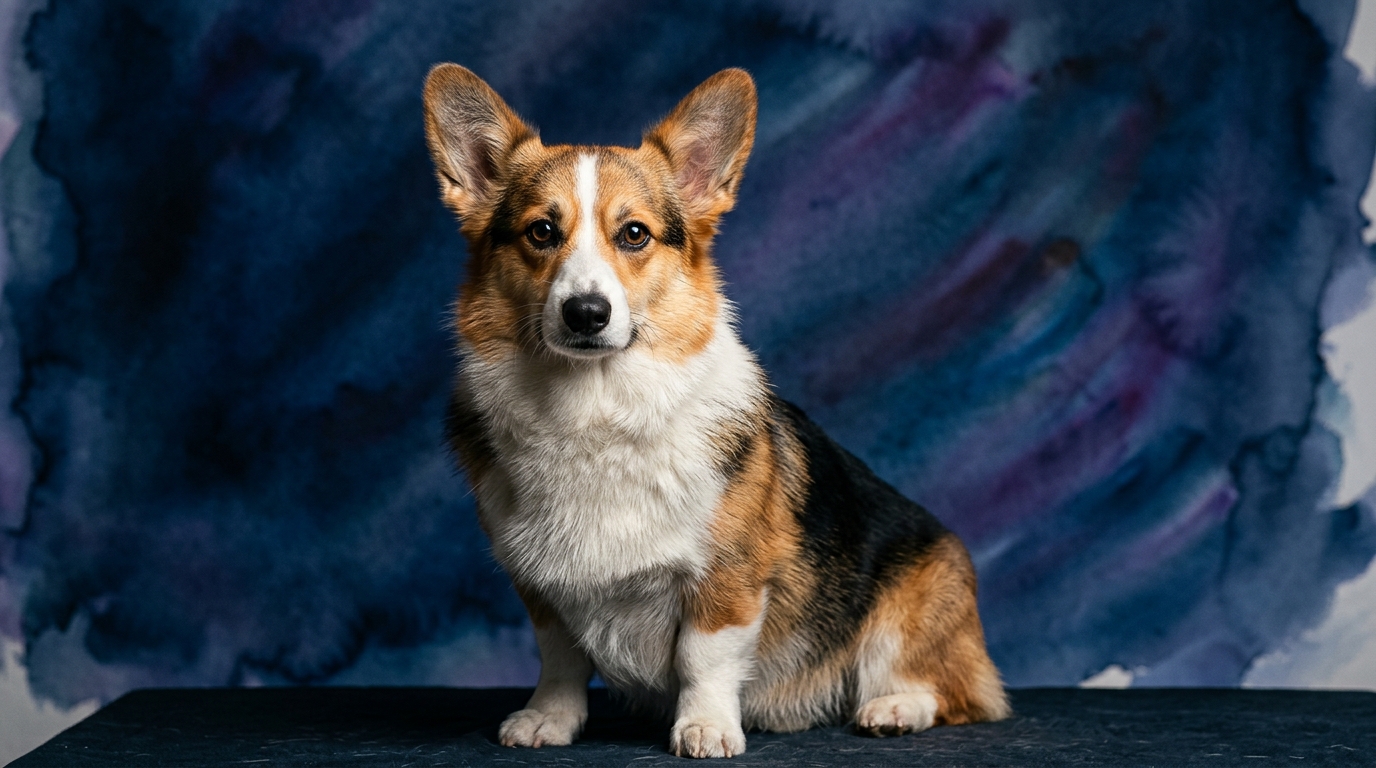
The Pembroke Welsh Corgi, a dog from the Herding group, boasts a Coren rank of #11, indicating a strong capacity for working and obedience intelligence. Its detailed cognitive scores highlight a balanced and responsive intellect. The Corgi achieves a Problem Solving score of 4/5, showcasing an aptitude for navigating complex situations and devising effective solutions. Its Training Speed is exceptional at 5/5, meaning these dogs absorb new commands and routines with remarkable swiftness, often requiring minimal repetitions. Social Intelligence is rated 4/5, reflecting a nuanced understanding of social cues and a strong ability to interact appropriately within various group dynamics. An Instinctive Drive of 5/5 underscores their powerful herding impulse, which fuels their engagement with tasks and provides inherent motivation. Finally, their Memory is strong at 4/5, allowing them to retain learned information and experiences over significant periods.
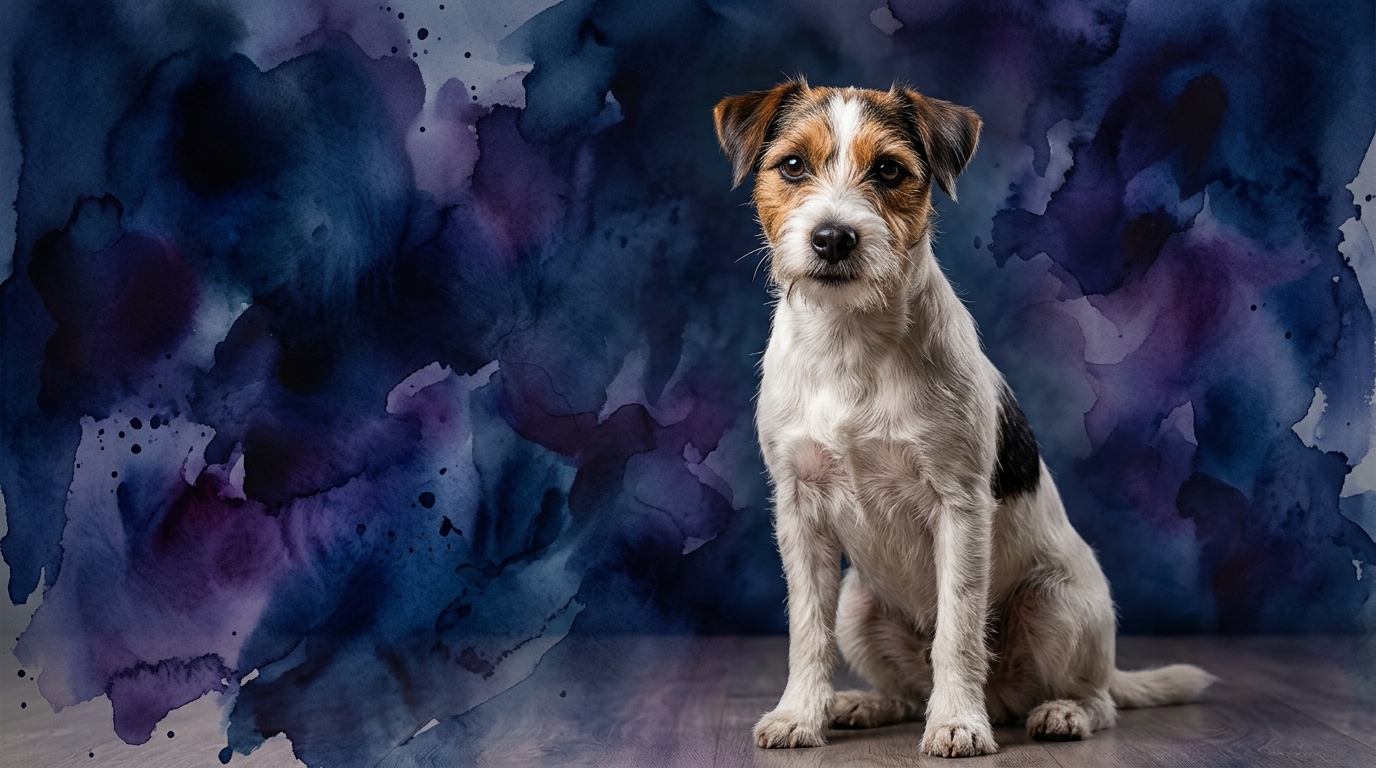
In contrast, the Parson Russell Terrier, a dog from the Terrier group, does not appear on the Coren ranking, suggesting a different cognitive emphasis. Its profile reveals a more independent and tenacious mind. The Parson scores 3/5 for Problem Solving, indicating an ability to tackle tangible challenges, often driven by persistence rather than strategic planning. Its Training Speed is moderate at 3/5, meaning consistent and engaging methods are crucial for learning, as their independence can sometimes overshadow compliance. Social Intelligence is also 3/5; while they understand basic interactions, they may be less attuned to subtle human emotional states compared to breeds bred for close collaboration. Their Instinctive Drive, also 3/5, is robustly focused on chasing, digging, and exploring, reflecting their hunting heritage. Memory is rated 3/5, sufficient for remembering routines and specific task-related information, though perhaps not for complex social nuances or intricate sequences.
Where Pembroke Welsh Corgi Wins Cognitively
The Corgi's cognitive strengths are deeply rooted in their herding heritage, demanding a sophisticated blend of observation, strategy, and responsiveness. Their Problem Solving score of 4/5 reflects an ability to assess dynamic situations, like a scattered flock, and devise a plan to bring order. This isn't just brute force; it involves understanding spatial relationships and anticipating movement, a skill that translates into excellent navigation of complex environments and mastery of elaborate puzzle toys. Furthermore, their Training Speed, rated 5/5, is a significant advantage. This rapid assimilation of new information means Corgis excel in obedience, agility, and other structured training, often picking up new commands after just a few repetitions. Their high Social Intelligence (4/5) allows them to keenly interpret human intentions and emotions, making them exceptionally attuned companions who can anticipate needs and respond appropriately to subtle cues. This capacity for social understanding is crucial for a dog working closely with a handler, and it makes them highly adaptable to various household dynamics. Finally, their powerful Instinctive Drive (5/5) means they are inherently motivated to engage in tasks that mimic their historical role, channeling their energy into productive activities rather than undirected mischief, provided they are given appropriate outlets.
Where Parson Russell Terrier Wins Cognitively
While the Parson Russell Terrier's IQ scores may appear lower across the board, their cognitive profile is a testament to a different kind of working intelligence—one built for independent action and unwavering determination in challenging environments. Their Problem Solving score of 3/5, though moderate, is characterized by a tenacious approach. When faced with a task, particularly one involving scent work or retrieving, they exhibit remarkable persistence, often trying multiple strategies until they succeed, even if those strategies aren't always the most efficient. This drive isn't about elegant herding maneuvers but about single-minded pursuit and overcoming obstacles. Their Instinctive Drive, also 3/5, is a powerful engine for their specific tasks, manifesting as an intense desire to chase, dig, and explore, which for a terrier, is their primary form of problem-solving. They are driven by an innate curiosity about their environment and an urge to investigate every interesting scent or rustle. This intrinsic motivation, while sometimes challenging to redirect, makes them incredibly self-sufficient in their work. Their memory (3/5) is well-suited for remembering locations of prey or hidden objects, crucial for a hunting dog. Unlike the Corgi, whose intelligence is geared towards collaboration and control, the Parson's cognition thrives on autonomy and a relentless, focused pursuit of their objective, showcasing a robust, self-reliant mental framework.
Which is Easier to Train and Why
When considering ease of training, the Pembroke Welsh Corgi generally presents a more straightforward path. Their Training Speed of 5/5 means they grasp new commands quickly, often with enthusiastic compliance. This rapid learning is coupled with a Social Intelligence of 4/5, making them eager to please their human companions and highly responsive to positive reinforcement. Corgis are typically motivated by praise, treats, and the opportunity to engage with their handler, making structured training sessions highly productive. They thrive on clear direction and enjoy the mental stimulation of learning new things, often seeing training as a rewarding collaborative activity. In contrast, the Parson Russell Terrier, with a Training Speed of 3/5, requires a more patient and creative approach. Their independent nature and strong instinctive drive (3/5) mean they are less inherently inclined to simply "obey" without question. While capable of learning, they can be more easily distracted by environmental stimuli—a scent, a rustle, a squirrel—and may prioritize their own investigative pursuits over human commands. Training a Parson often involves making the learning process feel like a game, appealing to their prey drive and using high-value rewards to maintain their focus. Their problem-solving is often more self-directed, which can make them brilliant at finding solutions to their own perceived needs, but less consistently attentive to human-initiated tasks. Therefore, while both breeds can be trained to a high standard, the Corgi's innate desire for cooperation and quick processing speed typically makes the journey less arduous for the average owner.
Which Suits Active Owners vs. Relaxed Owners
The choice between a Pembroke Welsh Corgi and a Parson Russell Terrier often hinges on an owner's lifestyle and their capacity for mental and physical engagement. The Pembroke Welsh Corgi, with its high instinctive drive (5/5) and need for mental stimulation, suits active owners who enjoy structured activities. While not necessarily requiring marathon runs, Corgis thrive on consistent training, puzzle toys, and activities that tap into their herding instincts, like canine sports or even just daily "work" around the house. Their social intelligence also means they generally enjoy being involved in family activities and can adapt well to various social settings, provided they receive adequate mental outlets. A relaxed owner might find a Corgi's persistent herding nudges or vocalizations challenging if not properly channeled. The Parson Russell Terrier, on the other hand, is unequivocally a dog for highly active and dedicated owners. Their moderate but focused instinctive drive (3/5), combined with a tenacious problem-solving approach, means they require significant physical exercise and consistent mental challenges that appeal to their hunting instincts. Daily long walks, vigorous play, earthdog trials, or agility are essential to prevent boredom and destructive behaviors. Their independent nature means they can be less content to simply lounge and observe; they crave interaction and a "job" to do, which often involves exploring, digging, and chasing. A relaxed owner would likely struggle with a Parson's boundless energy and potential for self-directed entertainment, which could manifest as digging up the yard or persistent barking. Therefore, owners looking for a highly trainable, socially attuned companion for structured activities might lean towards the Corgi, while those seeking a tireless, independent, and adventurous partner for robust outdoor pursuits would find a fitting match in the Parson Russell Terrier.
The Verdict
Choose the Pembroke Welsh Corgi if you seek a highly trainable, socially astute companion eager for structured learning and family involvement, thriving on clear direction and mental engagement.
Opt for the Parson Russell Terrier if you are a highly active owner prepared for a tenacious, independent partner who excels in self-directed pursuits and requires vigorous physical and mental outlets.
🧠 Find Your Pet's IQ Score
Our Pet IQ Lab assessment covers 25+ tests across 5 cognitive dimensions — personalized to your breed.
Take the Full IQ Test →Frequently Asked Questions
Is the Pembroke Welsh Corgi truly easier to train than the Parson Russell Terrier?
Yes, generally. The Corgi's 5/5 training speed and 4/5 social intelligence mean they grasp commands rapidly and are eager to cooperate with their handler, making structured training more straightforward and often less repetitive.
Do Parson Russell Terriers require more exercise than Corgis?
Yes, typically. While Corgis need consistent activity, the Parson Russell Terrier's hunting heritage demands more vigorous and sustained physical outlets, including long walks, intense play, and opportunities for chasing and digging to satisfy their energetic drive.
Which breed is better for a first-time dog owner?
The Pembroke Welsh Corgi is often a more forgiving choice for a first-time owner due to their higher trainability and desire to please. The Parson Russell Terrier's independence and high energy require a more experienced hand and consistent management.