Side-by-Side Cognitive Profiles
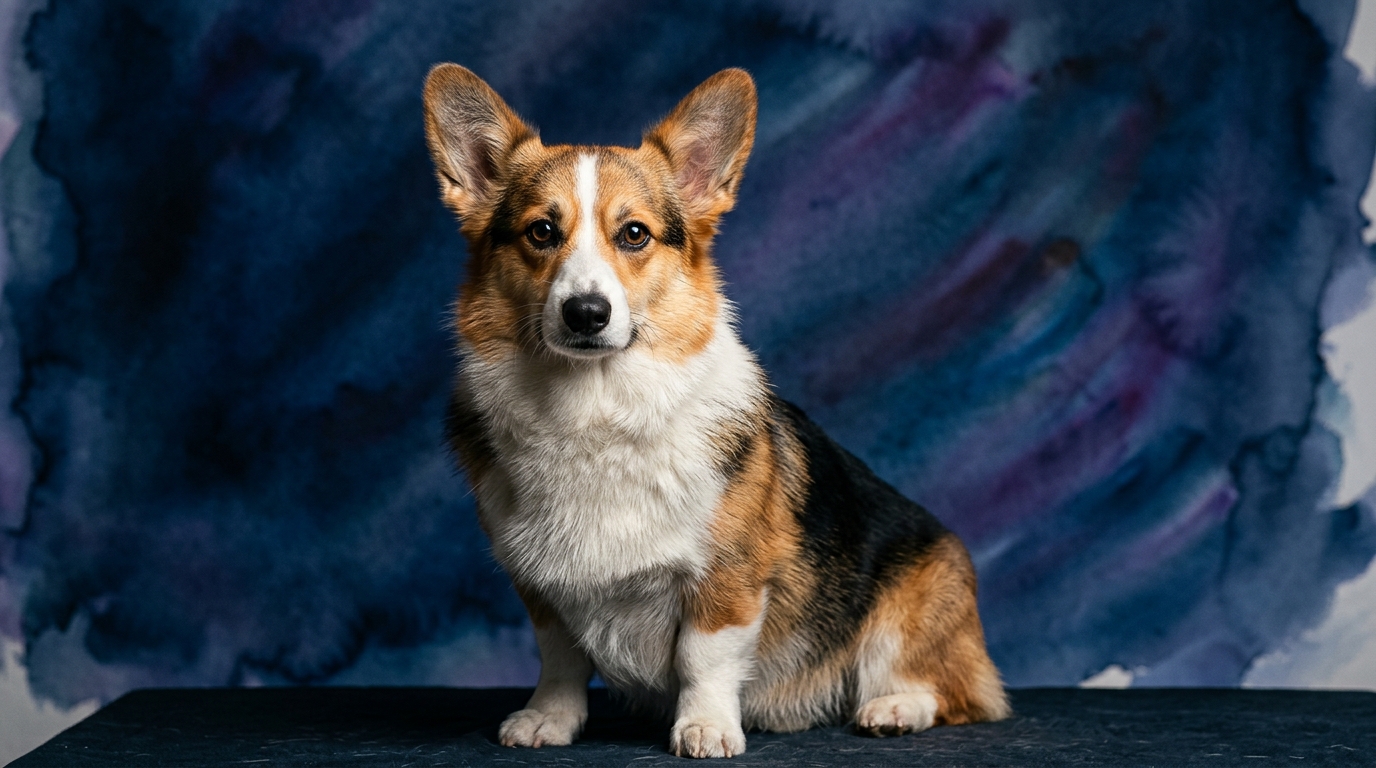
At The Cosmic Pet Pet IQ Lab, we analyze canine intelligence across five key dimensions, providing a nuanced understanding beyond simple obedience. For the Pembroke Welsh Corgi, a Herding breed with a Coren rank of #11, their profile showcases a robust mental framework. Their Problem Solving is rated 4/5, reflecting a strong capacity for navigating complex situations and figuring out puzzles, often stemming from their need to manage livestock. Training Speed is an impressive 5/5, indicating they absorb new commands with remarkable rapidity and consistency. Social Intelligence stands at 4/5, demonstrating their adeptness at reading human cues and integrating into family dynamics, though with a streak of independent thought. Their Instinctive Drive is a powerful 5/5, deeply rooted in their herding heritage, manifesting as a desire to gather and control. Finally, their Memory is strong at 4/5, aiding in consistent performance and retention of learned behaviors.
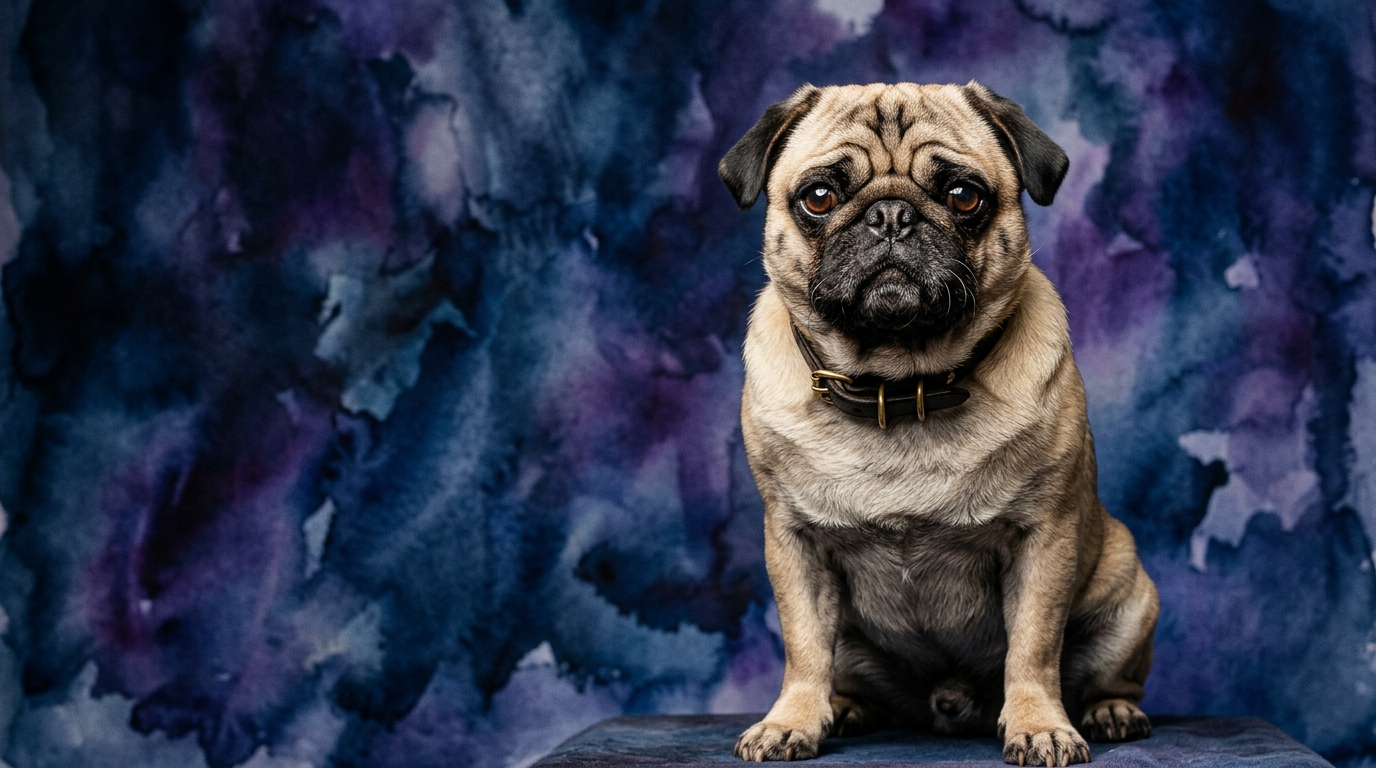
The Pug, a Toy breed with a Coren rank of #57, presents a very different, yet equally compelling, cognitive blueprint. Their Problem Solving is 2/5; historically bred for companionship, they typically rely on human intervention rather than independent strategizing. Training Speed is also 2/5, requiring significant patience and consistency, as they are often more focused on comfort and attention than mastering new commands. Where Pugs truly shine is in Social Intelligence, earning a perfect 5/5; they possess an exceptional ability to connect with humans, reading moods and offering comfort. Their Instinctive Drive is low at 2/5, as their motivation typically stems from seeking affection and comfort rather than performing tasks. Memory is rated 3/5, adequate for routines and familiar faces, but less consistent for complex sequences.
Where the Pembroke Welsh Corgi Excels Cognitively
The Pembroke Welsh Corgi's cognitive strengths are undeniably rooted in their herding legacy, positioning them as highly capable problem-solvers and rapid learners. Their 4/5 problem-solving score means they approach novel situations with an analytical mind, often attempting various solutions until success is achieved, whether it’s figuring out a complex puzzle toy or navigating a new environment. This mental agility is coupled with a perfect 5/5 training speed, allowing them to absorb complex command sequences and new behaviors with remarkable efficiency. Their strong instinctive drive (5/5) provides an internal motivation for purposeful activities, channeling their energy into focused tasks. This unique combination of mental quickness, eager biddability, and intrinsic motivation makes the Corgi a formidable student, excelling in activities that demand strategic thought, quick reactions, and consistent performance, such as advanced obedience or agility sports.
Where the Pug Excels Cognitively
The Pug's cognitive brilliance shines brightest in the realm of social intelligence, where they achieve an impressive 5/5. Their mental faculties are profoundly geared towards forming deep, empathetic connections with their human companions. Pugs are masters at reading subtle human emotional cues, often responding with comforting presence or playful solicitations for attention precisely when needed. This acute social awareness allows them to integrate seamlessly into a household, understanding family dynamics and adapting their behavior to seek affection or avoid conflict. While their problem-solving and training speed scores are modest, their primary drive (instinctive drive 2/5) is focused almost entirely on companionship, making them profoundly attuned to human interaction. This high social IQ ensures they are not just pets, but integral, emotionally responsive members of the family, providing immense comfort and joy through their perceptive and affectionate nature.
Which is Easier to Train and Why
The Pembroke Welsh Corgi is demonstrably easier to train due to its superior training speed (5/5) and inherent biddability. Their herding background cultivated a strong desire to work in cooperation with humans, making them highly receptive to commands and eager to please. A Corgi typically grasps a new command in a handful of repetitions, often showing enthusiasm for the learning process itself. For instance, teaching a Corgi to 'stay' involves clear rewards and consistent practice, but their cognitive framework quickly processes the command-action-reward loop, making them reliable performers. They respond well to positive reinforcement and clear directives, quickly forming associations between actions and outcomes.
In contrast, the Pug's training speed (2/5) and lower instinctive drive (2/5) mean a much slower learning curve. Pugs are more likely to be distracted by comfort, food, or attention, and less intrinsically motivated by the 'work' of training itself. Teaching a Pug 'stay' might require many more repetitions, shorter training sessions, and a higher value reward, as their primary motivation isn't to perform a task but to enjoy companionship or a treat. Their charming stubbornness, often mistaken for a lack of intellectual capacity, is more accurately a reflection of their preference for social interaction and comfort over task-oriented learning. They require an owner with exceptional patience and a consistent, reward-based approach that makes training feel like a fun interaction rather than a chore.
Suitability for Active vs. Relaxed Owners
For active owners seeking a canine partner for engaging activities, the Pembroke Welsh Corgi is an excellent match. Their high instinctive drive (5/5) for herding, coupled with robust problem-solving (4/5) and rapid training speed (5/5), makes them thrive in environments that offer mental and physical challenges. Corgis excel in dog sports like agility, obedience, and even herding trials, requiring an owner who can commit to consistent training and daily exercise. They need stimulating walks, puzzle toys, and opportunities to use their quick wits and energetic bodies. An owner who enjoys outdoor adventures or structured training sessions will find a Corgi to be an enthusiastic and capable companion, always ready for the next challenge. A relaxed owner, conversely, would likely find the Corgi's persistent energy and need for engagement overwhelming, potentially leading to boredom-induced behaviors like excessive barking or nipping.
The Pug, with its low instinctive drive (2/5) and primary focus on social intelligence (5/5), is perfectly suited for more relaxed owners. Their ideal day involves snuggling on the couch, short leisurely strolls, and ample human companionship. Pugs are content to be close by, offering quiet affection rather than demanding strenuous activity. Their minimal exercise needs and desire for comfort align perfectly with a less active lifestyle, making them wonderful companions for individuals or families who prefer a calm home environment. An owner who values a deeply affectionate lapdog and prioritizes emotional connection over athletic prowess will find a Pug to be a wonderfully compatible and low-maintenance companion. They are masters of relaxation and thrive on simply being present with their beloved humans, offering unconditional emotional support.
The Verdict
Choose a Pembroke Welsh Corgi if you seek a highly trainable, mentally agile companion eager for challenges and structured activities, thriving on a purpose-driven bond. They are best for owners who appreciate a dog with a strong work ethic and the capacity for complex learning.
Opt for a Pug if your priority is a deeply affectionate, socially perceptive companion whose primary joy comes from close human connection and a relaxed, comfortable lifestyle. They are ideal for owners who value emotional warmth and a low-maintenance activity level.
🧠 Find Your Pet's IQ Score
Our Pet IQ Lab assessment covers 25+ tests across 5 cognitive dimensions — personalized to your breed.
Take the Full IQ Test →Frequently Asked Questions
Are Corgis good at learning tricks?
Yes, Corgis typically excel at learning tricks due to their high training speed (5/5) and problem-solving abilities (4/5). Their eagerness to please and quick grasp of concepts make them enthusiastic and capable students for various complex tricks and routines.
Do Pugs enjoy puzzle toys?
Pugs may enjoy some puzzle toys, especially if they dispense food, but their problem-solving score (2/5) indicates they might not engage with complex puzzles for extended periods. Simple, food-motivated puzzles are usually more successful than those requiring intricate manipulation, as their motivation is often food-driven rather than task-oriented.
Which breed is more independent?
The Pembroke Welsh Corgi, with its herding background, tends to be more independent and capable of making decisions, reflecting its 4/5 social intelligence score which balances cooperation with self-reliance. Pugs, with their 5/5 social intelligence, are generally more dependent on human interaction and companionship, preferring to be close to their people at all times.