Side-by-Side Pet IQ Lab Profile
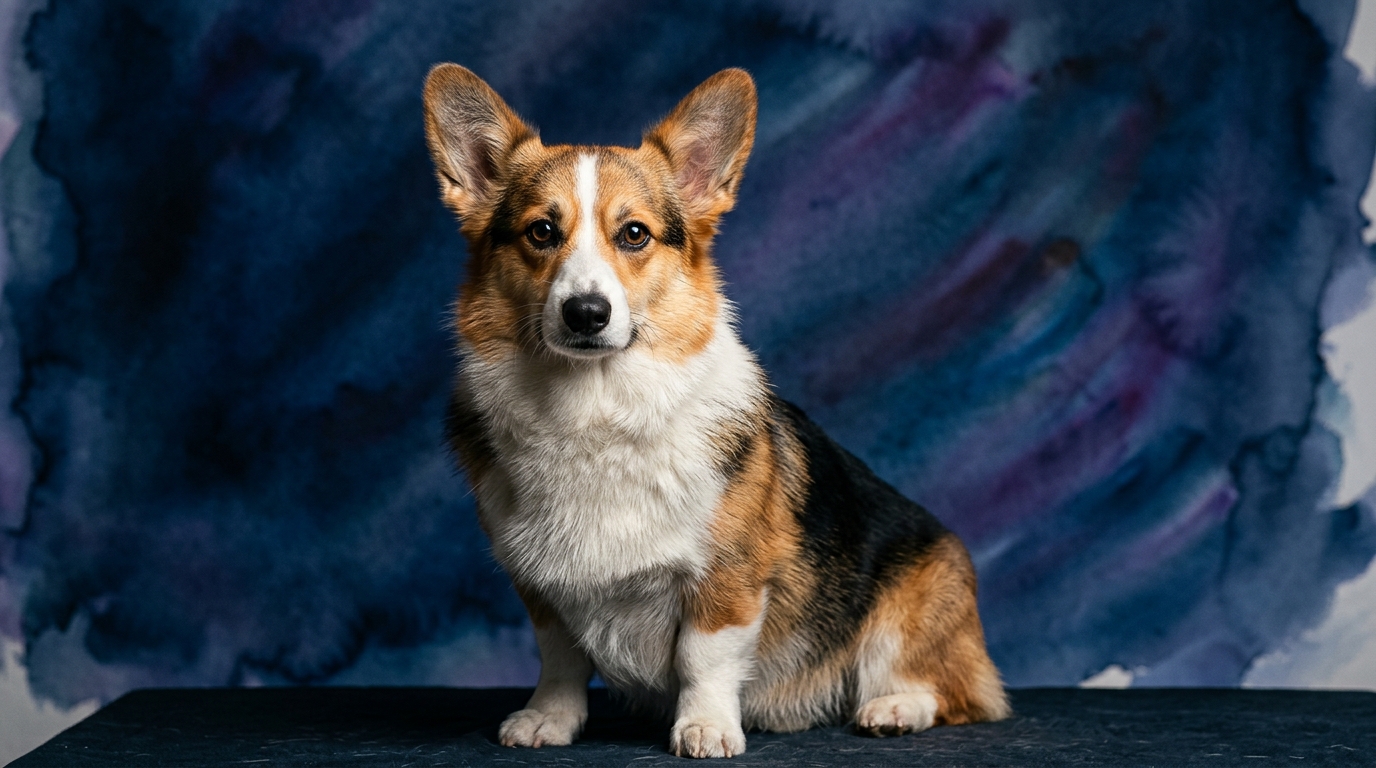
The Pet IQ Lab meticulously evaluates canine cognition across five crucial dimensions, offering a granular view of each breed's mental aptitude. For the Pembroke Welsh Corgi, a breed with a notable Coren rank of #11, our data reveals a robust cognitive profile. Their Problem Solving score of 4/5 indicates an impressive capacity to navigate novel situations and devise solutions, crucial for their historical herding role. Training Speed, rated at a perfect 5/5, highlights their exceptional ability to grasp and retain new commands rapidly, making them highly receptive students. Social Intelligence, at 4/5, points to a strong understanding of human cues and pack dynamics, fostering effective communication. An Instinctive Drive of 5/5 underscores their powerful, inherent urge to herd, chase, and control movement, a core aspect of their breed identity. Finally, a Memory score of 4/5 ensures they recall learned behaviors and routines with notable consistency.
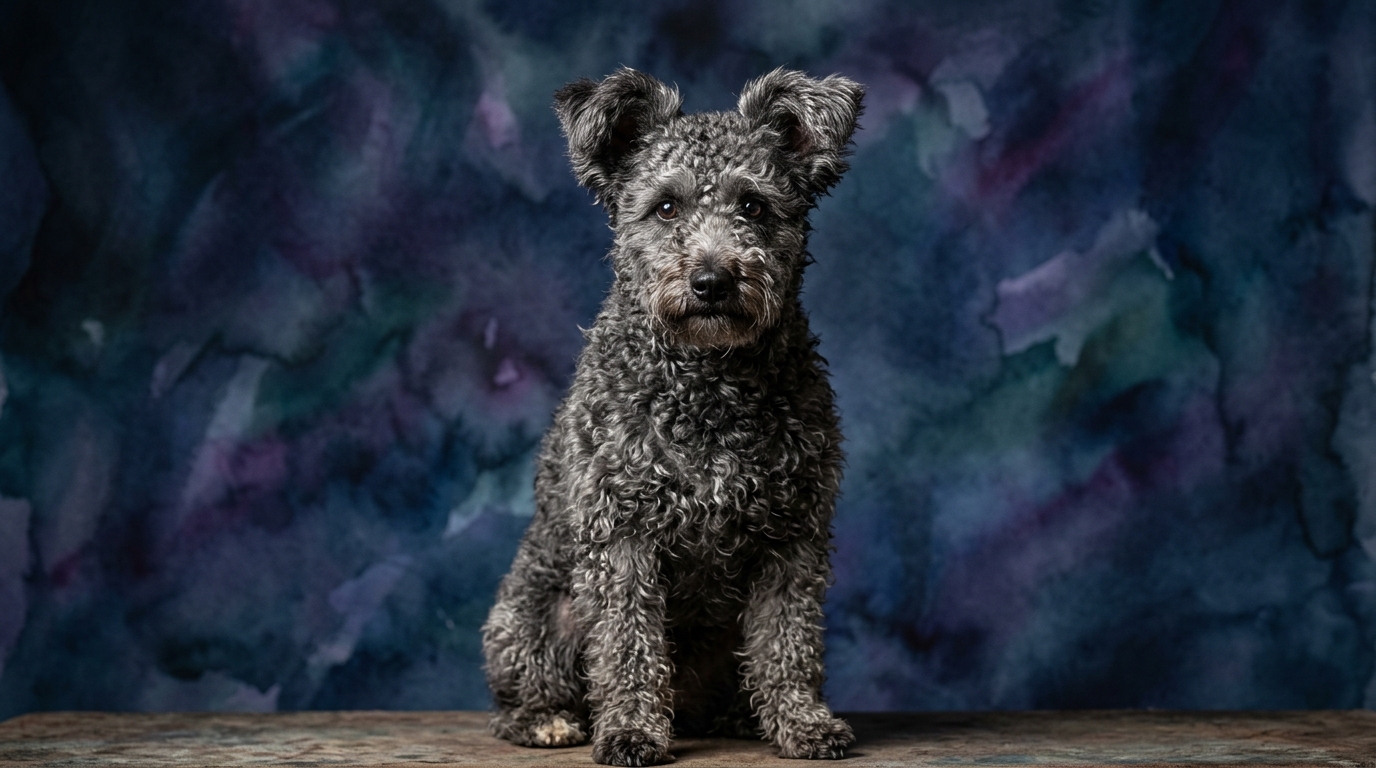
In contrast, the Pumi, while not currently listed in Coren's rankings, presents a more uniformly balanced cognitive blueprint according to Pet IQ Lab assessments. This Hungarian herder scores 3/5 across all five dimensions: Problem Solving, Training Speed, Social Intelligence, Instinctive Drive, and Memory. A Problem Solving score of 3/5 suggests they are capable of tackling challenges, though perhaps with less spontaneous innovation, often relying on established patterns or owner guidance. Their Training Speed at 3/5 indicates a willingness to learn, but they may require more repetition and patience to solidify new commands compared to their Corgi counterparts. A Social Intelligence of 3/5 means they are generally responsive to human interaction and social structures, though potentially less attuned to subtle emotional shifts. An Instinctive Drive of 3/5 confirms their herding heritage, showing a definite inclination for working behaviors, yet possibly with a more controlled intensity. Lastly, their Memory score of 3/5 suggests they retain information adequately, but might benefit from regular reinforcement to keep skills sharp.
Where the Pembroke Welsh Corgi Wins Cognitively
The Pembroke Welsh Corgi clearly stands out in several cognitive arenas. Their exceptional Training Speed, rated 5/5, means they pick up new commands and routines with remarkable swiftness, often requiring fewer repetitions for mastery. This translates directly into a more efficient and less frustrating training experience. Coupled with a strong 4/5 in Problem Solving, Corgis frequently demonstrate an ingenious capacity for independent thought, such as figuring out how to open gates or retrieve out-of-reach items. Their 4/5 Social Intelligence allows them to interpret human moods and intentions with greater precision, fostering a more responsive relationship. Moreover, a powerful 5/5 Instinctive Drive fuels their engagement, making them highly motivated for tasks that tap into their natural herding tendencies, from organized sports to complex puzzle toys. This robust combination of quick learning, cleverness, social awareness, and inherent drive positions the Corgi as a highly adaptable and mentally agile companion.
Where the Pumi Wins Cognitively
While the Pumi's scores are consistently 3/5, this balanced profile represents unique cognitive advantages for specific owner lifestyles. A Pumi's moderate Instinctive Drive (3/5) means they possess inherent herding enthusiasm without the potentially overwhelming intensity of some higher-drive breeds. This can make them more adaptable to suburban living where constant herding outlets might not be available, reducing the risk of redirection onto family members or objects. Their 3/5 in Training Speed and Problem Solving suggests a dog capable of learning and solving puzzles, but one that might engage in a more collaborative, step-by-step training process, potentially fostering a deeper bond through sustained effort. For owners valuing a dog that is engaged but not relentlessly demanding, and who enjoy gradual skill development, the Pumi's steady, capable cognitive approach can be a significant "win." Their balanced memory and social intelligence also mean they are generally reliable and affable.
Which is Easier to Train and Why
Without a doubt, the Pembroke Welsh Corgi presents an easier training journey for most owners due to their perfect 5/5 Training Speed and robust 4/5 Problem Solving capabilities. Corgis absorb new commands and behaviors with impressive alacrity, often understanding what's expected after just a few repetitions. Their keen memory (4/5) ensures these lessons stick, making long-term retention strong. This quick uptake and retention mean owners can progress through obedience training, trick learning, or even complex dog sports at a faster pace, achieving reliable results more swiftly. For example, teaching a Corgi to "stay" will likely involve fewer sessions before the command is proofed in various environments, as they are quick to connect the action with the reward and remember the expectation.
The Pumi, with a 3/5 Training Speed, requires a more patient and consistent approach. While certainly trainable, they may need more repetitions and a slower progression through training stages to internalize commands. A Pumi might take several extra sessions to reliably master a "recall" command, necessitating more dedicated practice in varied settings. Their 3/5 Problem Solving suggests they might not independently generalize learned behaviors as quickly, meaning owners need to be more deliberate in teaching skills in different contexts. For instance, a Corgi might quickly understand that "sit" means sit regardless of location, whereas a Pumi might need specific reinforcement in both locations initially. This isn't a reflection of a lack of willingness, but a difference in cognitive processing speed, requiring the Pumi owner to be a more persistent and creative trainer.
Which Suits Active Owners vs. Relaxed Owners
The Pembroke Welsh Corgi generally suits active owners prepared to provide consistent mental and physical stimulation. Their 5/5 Instinctive Drive means they possess a powerful urge to work and be engaged, often manifesting as a desire to chase, herd, or manage movement. Without appropriate outlets, this drive can lead to redirected behaviors like nipping at heels or excessive barking. Their 4/5 Problem Solving and 4/5 Social Intelligence also mean they thrive on mental challenges, such as puzzle toys, agility courses, or advanced obedience. A Corgi will appreciate daily structured activities, whether brisk walks, fetch sessions, or learning new tricks, and will quickly become bored and potentially mischievous if under-stimulated.
The Pumi, with its more moderate 3/5 Instinctive Drive, can be a better fit for owners who are active but perhaps not intensely so, or those seeking a slightly less demanding herding breed. While they absolutely require regular exercise and mental engagement – they are still herding dogs – their drive is often more manageable than the Corgi's. A Pumi will enjoy daily walks, playtime, and opportunities to explore, but might be content with slightly fewer hours of intense activity or less complex mental games. Their balanced cognitive scores suggest they are adaptable, capable of enjoying a good romp but also settling down when activity concludes. For an owner who enjoys outdoor adventures on weekends but has a more relaxed weekday routine, a Pumi's balanced energy and drive might integrate more smoothly into their lifestyle.
The Verdict
For owners seeking a swift learner, a highly responsive companion, and a dog that thrives on constant mental engagement and structured activity, the Pembroke Welsh Corgi is an excellent choice. Their quick wit and strong drive make them ideal for dog sports and complex training.
Conversely, if you appreciate a dog with a balanced, moderate drive, are prepared for a more patient and collaborative training journey, and desire a capable but slightly less intensely demanding herding breed, the Pumi might be your perfect match.
🧠 Find Your Pet's IQ Score
Our Pet IQ Lab assessment covers 25+ tests across 5 cognitive dimensions — personalized to your breed.
Take the Full IQ Test →Frequently Asked Questions
Are Pembroke Welsh Corgis prone to herding children or other pets?
Yes, with a 5/5 instinctive drive, Corgis have a strong natural urge to herd, which can sometimes extend to family members, especially children or other pets. Early training and providing appropriate outlets for this drive, like herding games or specific toys, are crucial to manage this behavior.
Do Pumis bark a lot due to their herding background?
Pumis can be vocal, as barking is a tool used in herding to control livestock. While their instinctive drive is 3/5, they are alert and will often use their voice to communicate or alert to perceived threats or novelties. Consistent training from a young age can help manage excessive barking.
How do Corgi's and Pumi's social intelligence scores affect their interactions with strangers?
A Corgi's 4/5 social intelligence often means they are adept at reading people, which can make them friendly and engaging, but also potentially discerning or wary if not socialized well. A Pumi's 3/5 social intelligence suggests they are generally amenable, but might be more reserved or take longer to warm up to new people, relying more on established social cues rather than subtle interpretations.