Side-by-Side IQ Profile: Unpacking Cognitive Strengths
Our Cosmic Pet Pet IQ Lab assessment evaluates five key dimensions of canine cognition, revealing distinct mental architectures for the Pembroke Welsh Corgi and the Sealyham Terrier. These profiles illuminate how centuries of selective breeding for specific tasks have sculpted their thinking processes.
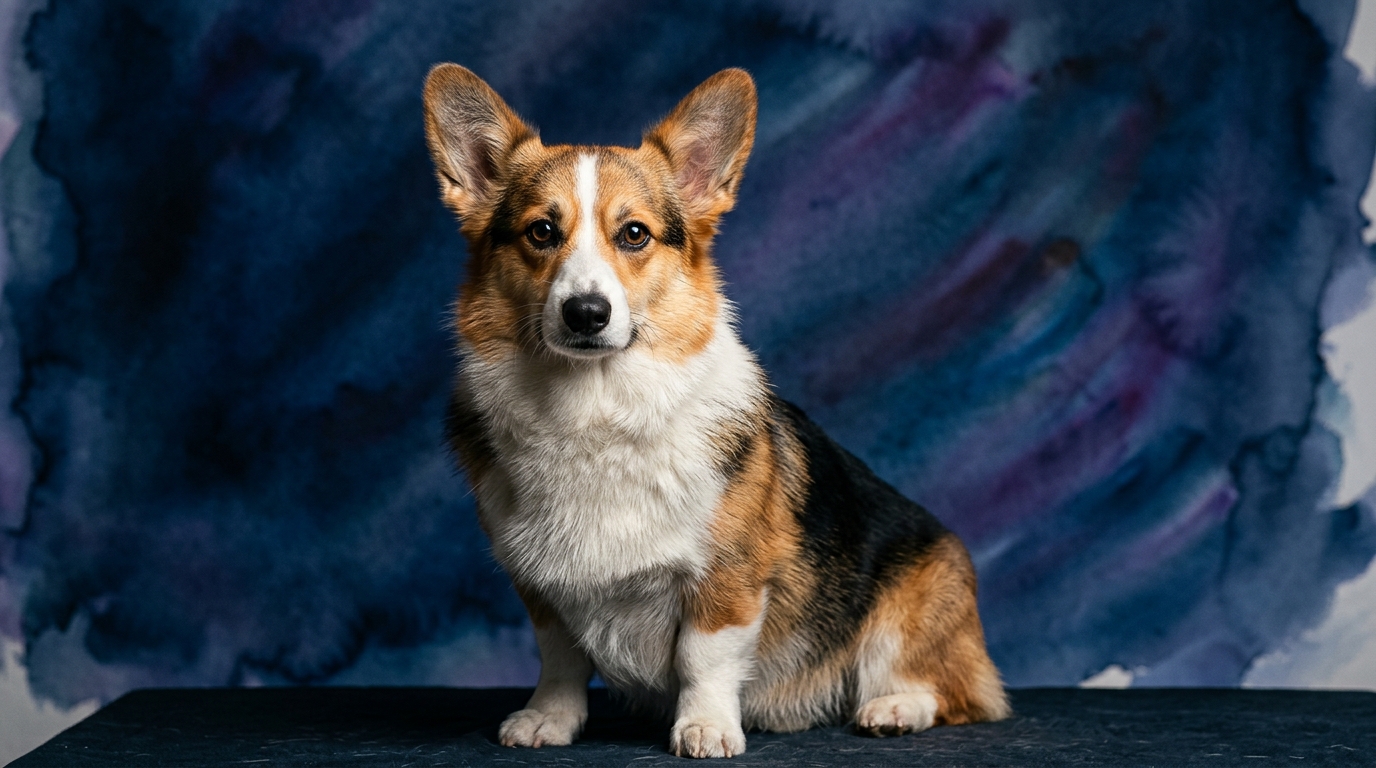
The Pembroke Welsh Corgi, originating as a cattle herder, exhibits a robust cognitive profile. Its Problem Solving is rated 4/5, reflecting an ability to navigate complex situations, such as managing livestock or figuring out routes. Training Speed, at an impressive 5/5, highlights their eagerness and rapid assimilation of commands, a trait essential for working closely with human handlers. Social Intelligence also scores high at 4/5, indicating their capacity to read human intentions and integrate smoothly into family dynamics. An Instinctive Drive of 5/5 underscores their inherent herding tendencies, including nipping at heels and organizing groups. Finally, their Memory is strong at 4/5, ensuring they retain learned behaviors and recognize familiar faces and environments with ease.
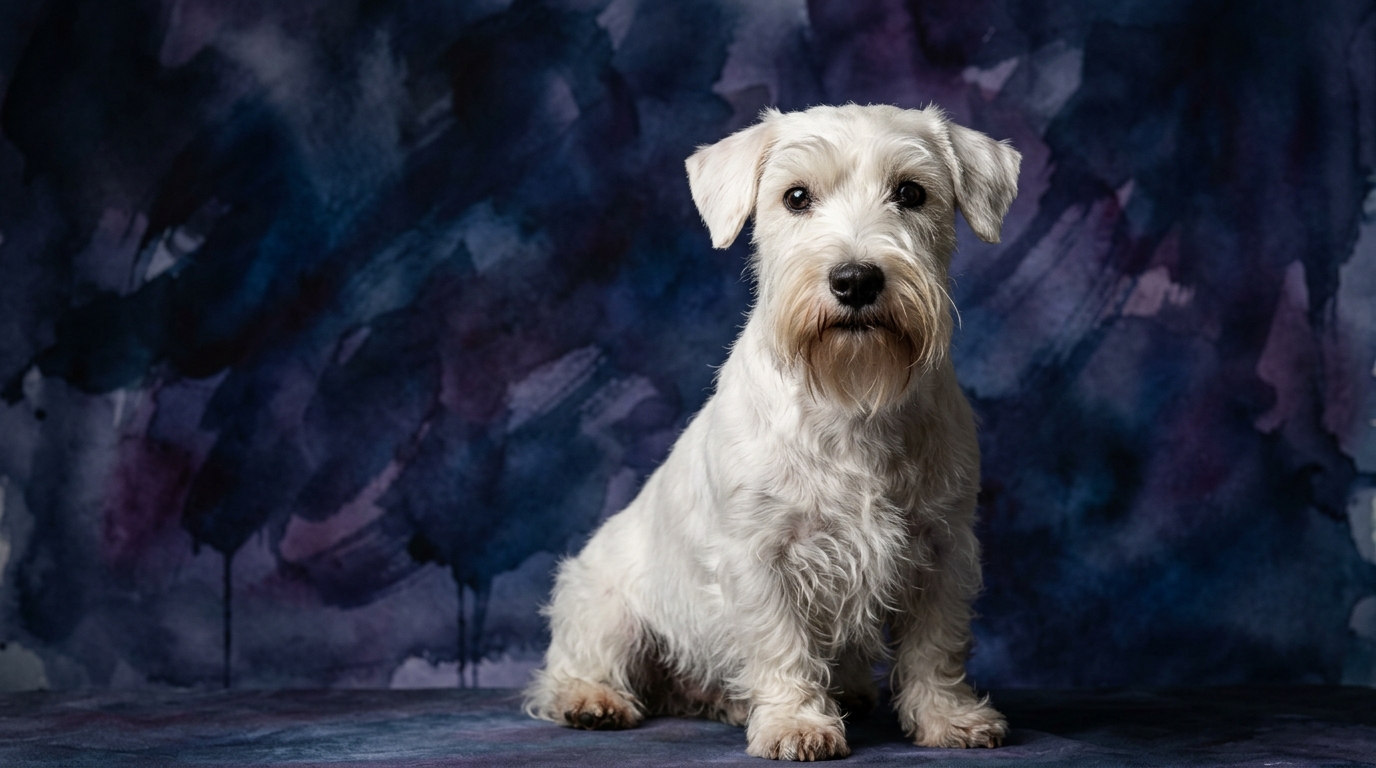
In contrast, the Sealyham Terrier, bred for independently hunting vermin, presents a different cognitive blueprint. Its Problem Solving ranks 3/5, demonstrating resourcefulness in specific contexts, like finding prey in tight spaces, but perhaps less general adaptability than the Corgi. Training Speed is 3/5, suggesting a more independent nature that requires patience and consistent motivation, rather than an inherent drive to please. Social Intelligence also stands at 3/5; while affectionate with their chosen family, they can be more reserved or assertive with strangers and other canines. Instinctive Drive is 3/5, primarily manifesting as a tenacious prey drive, digging, and alerting behaviors rather than cooperative herding. Their Memory is rated 3/5, meaning they learn routines and commands, but may require more repetitions for long-term retention compared to the Corgi.
Where the Pembroke Welsh Corgi Excels Cognitively
The Corgi's cognitive superiority primarily stems from its sophisticated herding lineage, demanding a nuanced understanding of dynamic environments and cooperative tasks. Their Problem Solving at 4/5, combined with a 4/5 Social Intelligence, allows them to excel in situations requiring foresight and group management. For instance, a Corgi can quickly learn to anticipate a handler's next move in an agility course or understand the unspoken cues that signify a change in family routine, such as preparing for a walk. Their ability to respond to multiple complex commands in sequence, a hallmark of their 5/5 Training Speed, means they are adept at learning intricate routines, whether in competitive obedience or simply navigating a busy household. This breed’s cognitive strength lies in its capacity for structured learning and its inherent desire to work in partnership, making them quick studies for multi-stage tasks that require both physical execution and mental processing of human direction.
Where the Sealyham Terrier Excels Cognitively
The Sealyham Terrier's cognitive strengths are rooted in its independent, subterranean hunting heritage, where self-reliance and tenacity were paramount. While its Problem Solving is 3/5, this score reflects a specialized form of intelligence geared towards specific challenges. A Sealyham thrives in tasks requiring autonomous decision-making and persistent effort, such as scent work or finding hidden objects. Their instinctive drive, while rated 3/5, is singularly focused on discovery and pursuit, leading to exceptional determination when investigating a scent trail or digging for a perceived target. They possess a keen sensory awareness for subtle environmental changes that might indicate prey, making them highly effective at their original purpose. This breed excels when given a task that allows them to follow their nose and instincts without constant human intervention, demonstrating a self-directed cognitive resilience distinct from the Corgi's cooperative intelligence.
Which is Easier to Train and Why
When comparing ease of training, the Pembroke Welsh Corgi distinctly outpaces the Sealyham Terrier, a difference rooted in their respective historical roles and cognitive profiles. The Corgi's 5/5 Training Speed and 4/5 Social Intelligence mean they are naturally inclined to engage with their human partners and quickly grasp new concepts. Their herding background instilled a desire to please and a readiness to follow direction, as their work depended on close cooperation with people. This translates into a dog that often learns commands in fewer repetitions and maintains focus during training sessions, motivated by praise, treats, and the inherent satisfaction of a 'job well done.' Their strong memory (4/5) further solidifies learned behaviors, making recall reliable.
The Sealyham Terrier, with a 3/5 Training Speed and 3/5 Social Intelligence, presents a greater training challenge due to its independent nature. Bred to work alone underground, these terriers often prioritize their own instincts over human directives. This means they can be more stubborn, requiring significant patience, creativity, and consistency from their trainers. While they are capable of learning, their motivation often needs to be higher-value, and they may decide a command is optional if something more interesting (like a scent or a digging opportunity) presents itself. Their memory (3/5) is sufficient for routines, but commands might take longer to become ingrained, especially if not frequently reinforced in varied environments. Training a Sealyham is a rewarding experience for those who appreciate a dog with a strong will and enjoy the process of building a relationship based on mutual respect rather than eager compliance.
Which Suits Active Owners vs. Relaxed Owners
The choice between a Pembroke Welsh Corgi and a Sealyham Terrier also hinges on an owner's lifestyle, particularly their activity level and approach to engagement. The Pembroke Welsh Corgi, despite its compact size, thrives with active owners who can provide consistent mental stimulation and moderate physical activity. Their 5/5 Instinctive Drive for herding means they need a 'job' or regular engaging activities to prevent boredom and channeling their energy appropriately. Owners who enjoy daily structured walks, puzzle toys, obedience training, or even dog sports like agility will find a Corgi a fulfilling companion. Their 4/5 Social Intelligence means they relish being an integral part of family activities and require significant interaction, making them ideal for owners who seek a constant, engaged partner.
Conversely, the Sealyham Terrier can be a better fit for owners who might describe themselves as more relaxed, but critically, understand the specific outlets a terrier needs. While not requiring the same level of structured activity as a Corgi, a Sealyham still needs regular exercise, often in shorter, more intense bursts. Their 3/5 Instinctive Drive translates into a need for opportunities to dig, explore scents, and engage in vigorous play. A 'relaxed' owner for a Sealyham is someone who appreciates their independent streak, doesn't demand constant attention, and provides secure spaces for digging or regular walks where they can investigate interesting smells. They are content to observe from a distance or engage on their own terms, making them suitable for owners who enjoy a charming companion with a strong sense of self, but also provide outlets for their core terrier behaviors.
The Verdict
Choose the Pembroke Welsh Corgi if you seek a highly trainable, socially engaged companion eager to participate in structured activities and family life, thriving on partnership and purpose.
Opt for the Sealyham Terrier if you appreciate an independent, tenacious spirit, enjoy problem-solving challenges in training, and desire a charming companion with a strong, self-reliant character.
🧠 Find Your Pet's IQ Score
Our Pet IQ Lab assessment covers 25+ tests across 5 cognitive dimensions — personalized to your breed.
Take the Full IQ Test →Frequently Asked Questions
Are Corgis good for first-time dog owners?
Yes, their trainability and social nature make them a good fit, though their inherent herding instincts require consistent guidance and early socialization to manage nipping tendencies.
Do Sealyham Terriers bark a lot?
Their terrier instinct to alert and guard their territory can lead to frequent barking, especially at perceived threats or novel sounds, making early training crucial for managing vocalizations.
How much exercise do these breeds need?
Corgis need moderate daily exercise combined with significant mental engagement; Sealyhams benefit from regular shorter walks and opportunities for independent play and digging to satisfy their working drives.