Side-by-Side Cognitive Profile: Corgi vs. Skye Terrier
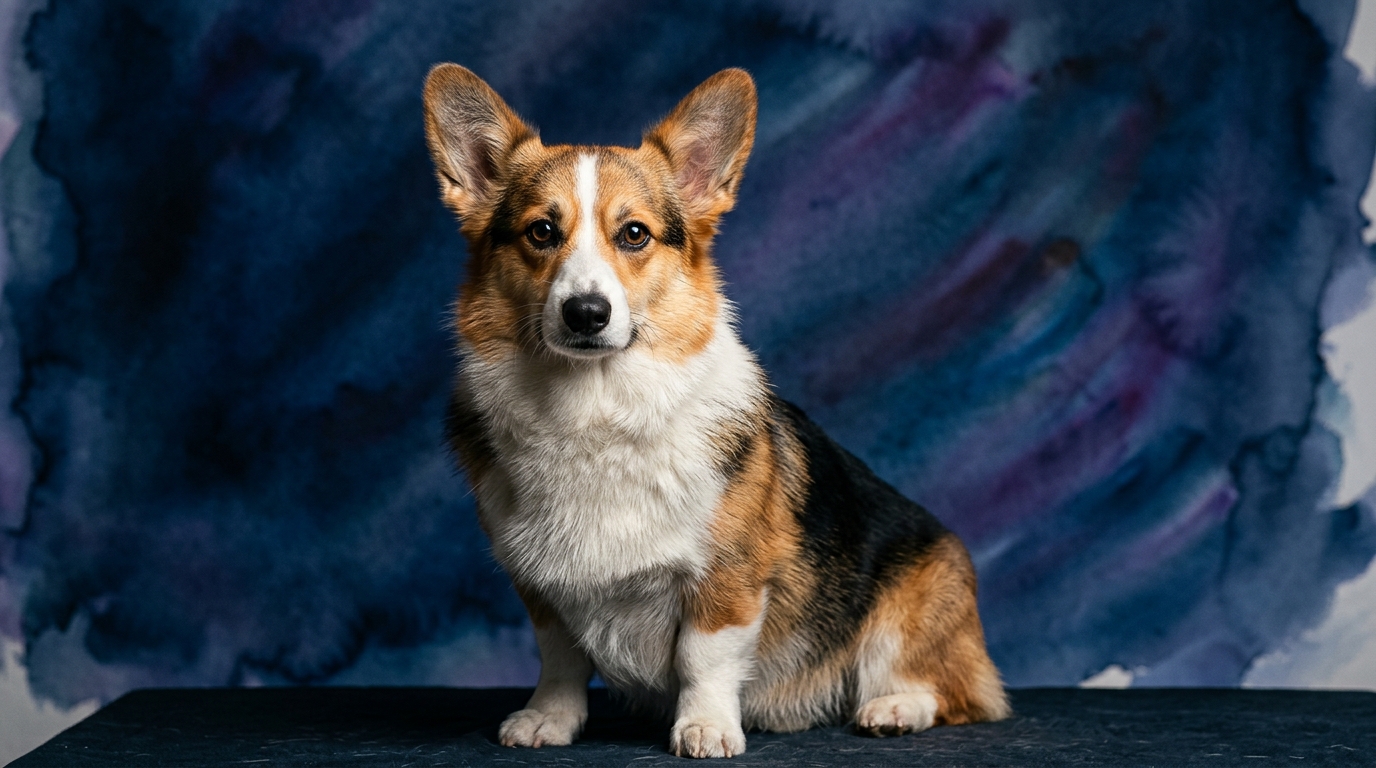
In The Cosmic Pet Pet IQ Lab, we assess five key dimensions of canine cognition. For the Pembroke Welsh Corgi, a breed with a Coren rank of #11, these scores reflect their heritage as a precise and responsive herding dog. Their Problem Solving is rated 4/5, indicating an effective ability to navigate complex situations and strategize, often using their environment to achieve goals. Training Speed is exceptionally high at 5/5, showcasing their rapid grasp of new commands and routines with minimal repetition. Social Intelligence stands at 4/5, demonstrating a keen awareness of human emotions and family dynamics, allowing them to adapt their behavior appropriately. Instictive Drive is a strong 5/5, reflecting their powerful innate urge to herd, gather, and direct, translating into focused attention and purposeful action. Finally, Memory is scored at 4/5, signifying their reliable retention of learned behaviors, commands, and spatial information over time.
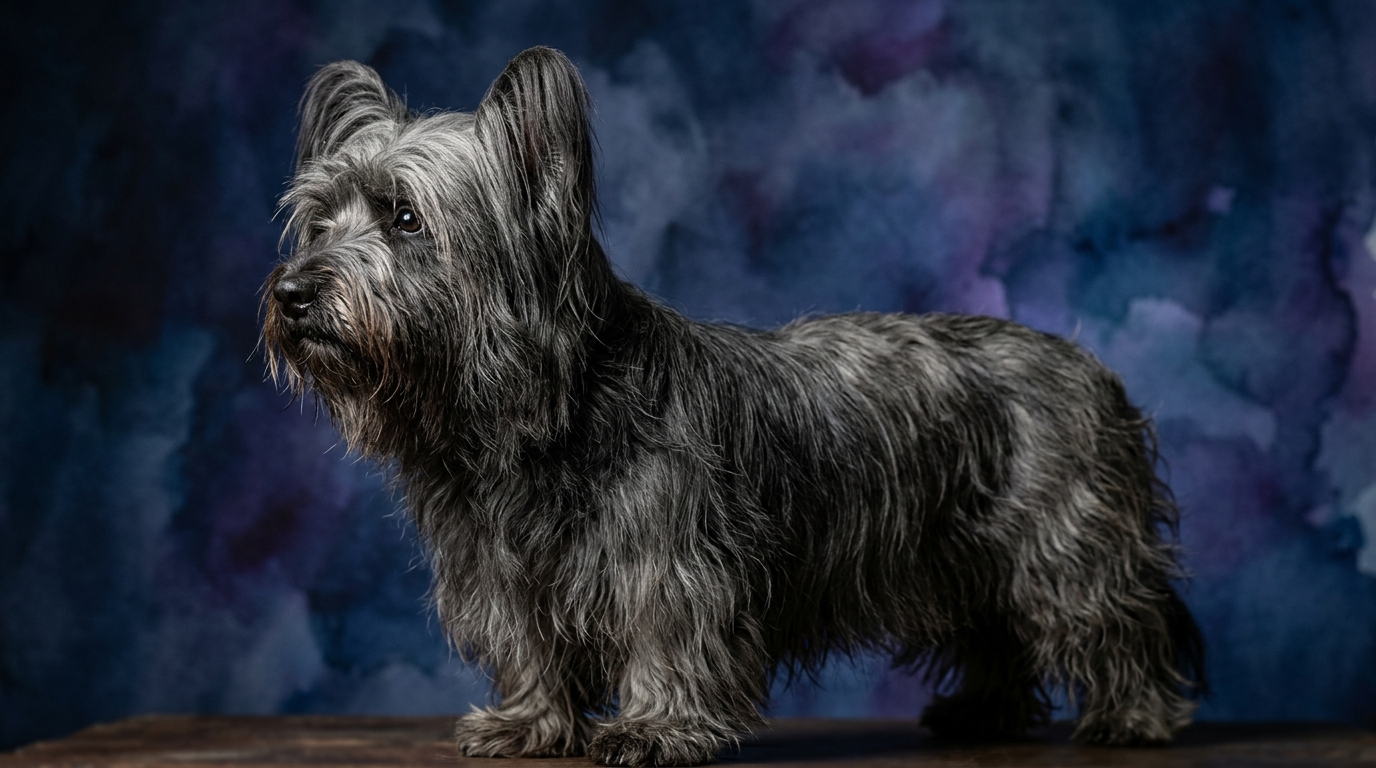
The Skye Terrier, not Coren-ranked but with a rich history as a tenacious earth dog, presents a different cognitive blueprint. Their Problem Solving is rated 3/5, suggesting a persistent, often trial-and-error approach to challenges rather than intricate planning. Training Speed is 3/5, indicating they require consistent, patient, and engaging methods, often taking more repetitions to solidify new commands due to their independent nature. Social Intelligence is 3/5, characterized by a reserved demeanor, forming deep bonds with their immediate family but often showing aloofness towards strangers, focusing their social awareness on their inner circle. Instictive Drive is 3/5, reflective of their traditional terrier drive for hunting and digging, exhibiting focused determination when pursuing scents or investigating their environment, a drive specific to prey rather than broad control. Their Memory is also 3/5, functional for established routines and familiar individuals, though perhaps not recalling past events or commands with the same precision or speed as breeds with higher scores.
Where the Pembroke Welsh Corgi Shines Cognitively
Pembroke Welsh Corgis exhibit distinct cognitive strengths rooted in their herding heritage. Their superior Training Speed (5/5) means they absorb new commands and complex sequences with remarkable alacrity, translating into a dog that can quickly understand and respond to intricate multi-step tasks, proving invaluable in sports like agility or obedience trials. This rapid learning isn't just about quick tricks; it reflects a deep capacity for cooperative work. Their Instinctive Drive (5/5), specifically their herding impulse, provides an inherent motivation to work closely with a handler, to gather and direct, which channels into highly focused attention during training and daily interactions, contrasting sharply with breeds whose drives might be more independent. Furthermore, their Problem Solving (4/5) often involves strategic thinking, using their environment to their advantage, like figuring out how to bypass an obstacle to reach a specific toy, rather than simply brute-forcing it. This strategic approach, combined with their strong Social Intelligence (4/5), allows them to anticipate human intentions and adapt their behavior, making them exceptionally cooperative partners in learning and daily life.
Where the Skye Terrier Excels Cognitively
While the Skye Terrier's scores might appear lower across the board, their cognitive strengths are uniquely tailored to their original purpose: solitary hunting in challenging terrain. Their Problem Solving (3/5), though not as rapid as a Corgi's, is characterized by an unyielding persistence. A Skye Terrier faced with a den might spend hours digging, meticulously working through the earth, demonstrating a tenacious focus unmatched by many breeds when engaged in a specific, instinct-driven task. This isn't about speed, but about unwavering dedication. Their Instinctive Drive (3/5) is highly specialized, geared towards scent work and independent pursuit of prey, which fosters a profound sense of self-reliance. This means they are less dependent on constant human direction once engaged in a task they perceive as worthwhile. Their Social Intelligence (3/5), while reserved, is deeply discerning; they form exceptionally strong, loyal bonds with their chosen few, exhibiting a protective and attentive demeanor towards their family that is not easily extended to outsiders. This focused social intelligence makes them highly attuned to their immediate household's needs and nuances.
Trainability: Which Breed is Easier and Why?
The Pembroke Welsh Corgi is generally considered easier to train due to several interconnected cognitive factors. Their Training Speed (5/5) is a primary advantage; they pick up new commands and routines with fewer repetitions. This efficiency stems from their herding background, where quick comprehension and precise responses were critical for managing livestock. Corgis are eager to please and derive satisfaction from working cooperatively with their human, leveraging their Social Intelligence (4/5) to interpret cues and intentions. Their strong Instinctive Drive (5/5), particularly their desire to "work" and be part of a team, further fuels their receptiveness to training, as they are motivated by engagement and mental stimulation.
In contrast, the Skye Terrier's Training Speed (3/5) is slower, and their independent nature, a hallmark of terrier breeds, means they often require more patience and creative motivation. Their Instinctive Drive (3/5) leans towards solitary pursuit, making them less inherently inclined to take constant direction from a human when a more compelling scent or digging opportunity presents itself. They might understand a command but choose whether or not to comply based on their own assessment of the situation. Successful training with a Skye Terrier often involves making the training feel like their idea, using high-value rewards, and maintaining a consistent, engaging approach to overcome their natural independence and discerning social nature.
Matching Breeds to Owner Lifestyles
The Pembroke Welsh Corgi, with its energetic herding background, generally suits owners who appreciate daily engagement and can provide consistent mental and physical stimulation. While their short legs might suggest otherwise, Corgis require regular exercise, including brisk walks, playtime, and opportunities for mental challenges like puzzle toys or obedience training. Their high Instinctive Drive (5/5) means they thrive when given a "job" to do, whether it's herding ducks in a trial or learning complex trick sequences. Owners who enjoy an active lifestyle, are keen on dog sports, or simply love interactive play will find a Corgi a rewarding companion. Their high Training Speed (5/5) also makes them excellent candidates for various structured activities.
The Skye Terrier, while not a complete couch potato, is better suited for owners who value a more relaxed, yet deeply devoted, companionship. They do require regular, moderate exercise—daily walks are essential—but they aren't typically candidates for extreme endurance activities. Their specialized Instinctive Drive (3/5) means they might enjoy a good sniffari or a focused digging session, but their energy levels are generally lower than a Corgi's. They are more content with a comfortable home environment and the close company of their family. Owners who appreciate a dog with a strong, independent personality, a discerning social circle, and a preference for quiet companionship after their exercise needs are met will find the Skye Terrier a perfect match. Their lower Training Speed (3/5) implies an owner who possesses patience and enjoys building trust through consistent, gentle methods.
The Verdict
Opt for a Pembroke Welsh Corgi if you seek a highly trainable, socially astute companion eager for consistent engagement and mental challenges. Their quick learning and cooperative spirit make them ideal for owners who enjoy interactive training and dog sports.
Select a Skye Terrier if you prefer a deeply loyal, discerning companion with a strong, independent spirit. They are best for owners who appreciate a dog's reserved nature and specialized, tenacious drives, offering profound companionship in a calm home.
🧠 Find Your Pet's IQ Score
Our Pet IQ Lab assessment covers 25+ tests across 5 cognitive dimensions — personalized to your breed.
Take the Full IQ Test →Frequently Asked Questions
Are Corgis generally more vocal than Skye Terriers?
Pembroke Welsh Corgis are often noted for their vocal tendencies, particularly barking, a trait linked to their herding instinct to alert and direct. Skye Terriers, while not silent, tend to be more reserved, often barking only when necessary or to express strong emotions, aligning with their discerning social intelligence.
Do Corgis and Skye Terriers have similar exercise needs?
No, their exercise needs differ notably. Corgis, with their herding background, require regular, moderate to high-intensity exercise and mental stimulation to prevent boredom. Skye Terriers need consistent daily walks and mental engagement, but generally less intense or prolonged activity, preferring focused sniffs and comfortable lounging.
How do their grooming requirements compare?
Both breeds have double coats that require regular grooming. Pembroke Welsh Corgis shed considerably and benefit from frequent brushing to manage their dense undercoat. Skye Terriers have a long, flowing coat that needs regular brushing to prevent mats, along with occasional professional grooming, making their maintenance somewhat more involved.