Side-by-Side Cognitive Profiles: Corgi vs. Schnauzer
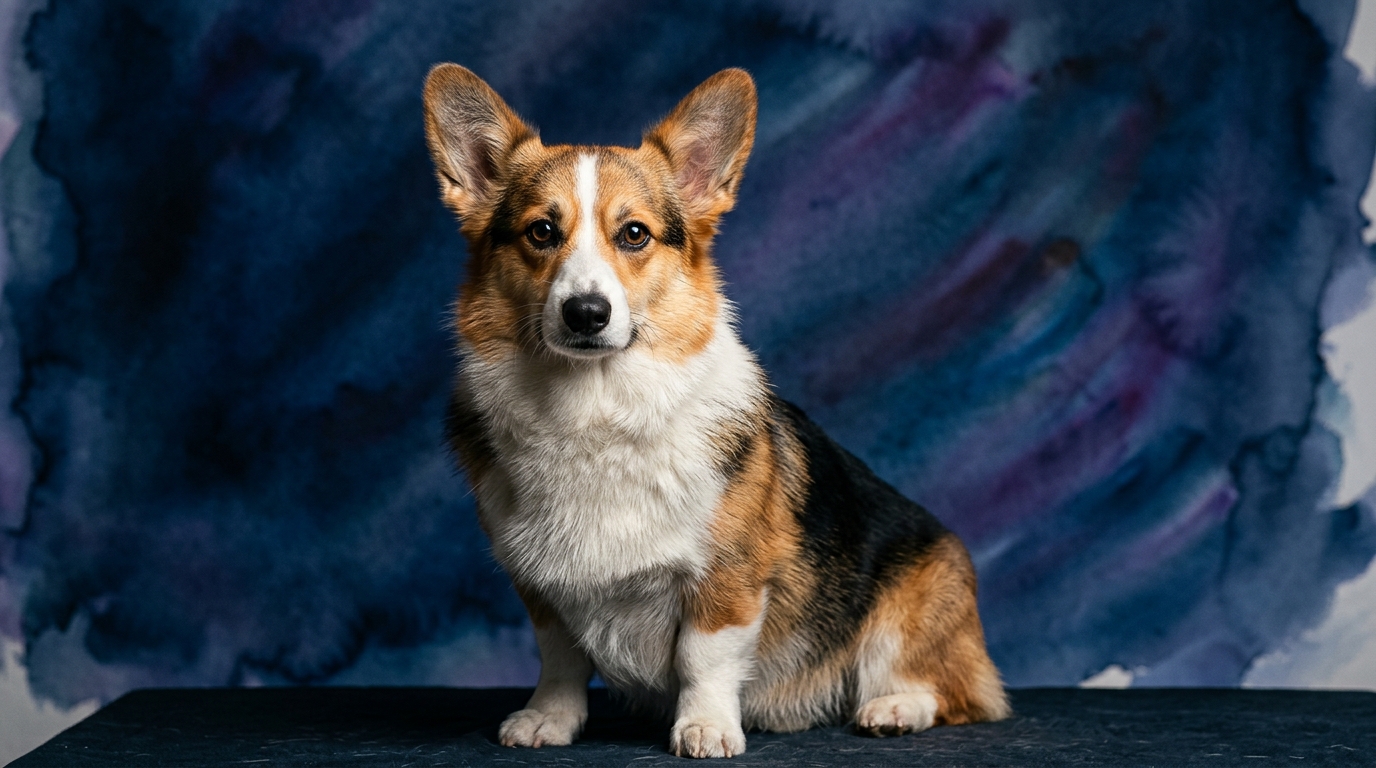
At The Cosmic Pet Pet IQ Lab, we analyze canine intelligence across five key dimensions, providing a nuanced understanding beyond simple ranking. The Pembroke Welsh Corgi, a Herding breed, holds a Coren rank of #11, indicating a strong capacity for learning and obedience. Its IQ profile includes Problem Solving at 4/5, Training Speed at an exceptional 5/5, Social Intelligence at 4/5, Instinctive Drive at 5/5, and Memory at 4/5. This combination paints a picture of a quick-witted, highly responsive companion.
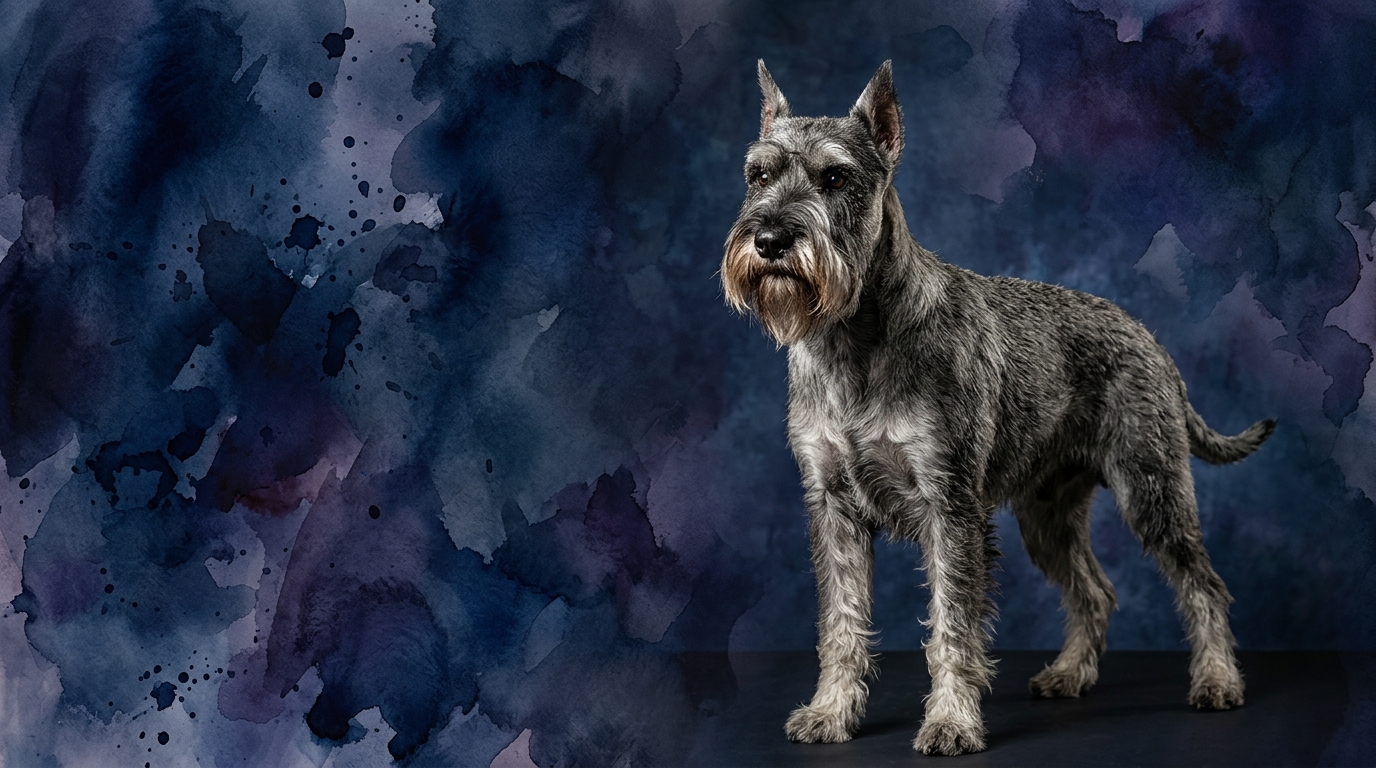
In contrast, the Standard Schnauzer, a Working breed, is ranked #22 by Coren, placing it firmly within the realm of capable and adaptable learners. Its IQ breakdown shows Problem Solving at 4/5, Training Speed at 4/5, Social Intelligence at 3/5, Instinctive Drive at 3/5, and Memory at 4/5. While its scores are slightly lower in some areas compared to the Corgi, the Schnauzer's profile suggests a thoughtful, resilient dog with its own unique cognitive strengths.
Where the Pembroke Welsh Corgi Shines Cognitively
The Pembroke Welsh Corgi truly excels in areas requiring rapid assimilation of commands and a keen awareness of its social environment. Its Training Speed score of 5/5 is a standout, reflecting an eagerness and ability to grasp new concepts and cues with remarkable alacrity. This isn't just about obedience; it's about the speed at which they form associations and generalize learned behaviors, making them exceptionally receptive to structured learning environments.
Furthermore, the Corgi's Instinctive Drive, also rated at 5/5, means their herding instincts are strong and readily channeled into tasks. This drive, combined with their 4/5 Social Intelligence, allows them to interpret human intentions and group dynamics effectively. They are adept at understanding their role within a family unit and often seek to 'manage' their human flock, demonstrating their social awareness and inherent drive to organize and interact.
Where the Standard Schnauzer's Cognition Stands Out
While the Standard Schnauzer may not boast the Corgi's lightning-fast training speed, its cognitive profile reveals a different kind of strength, particularly in its balanced Problem Solving and robust Memory. With a 4/5 in Problem Solving, the Schnauzer displays a thoughtful approach to novel situations, often taking a moment to assess and strategize rather than reacting impulsively. This makes them adept at navigating complex environments or figuring out how to achieve a desired outcome through persistence.
Their Memory score of 4/5 ensures that once a solution is found or a lesson learned, it tends to stick. This retention is invaluable for tasks requiring a sequence of actions or recall over extended periods. Although its Instinctive Drive is 3/5, it's a working drive focused on protecting and patrolling, which, when combined with its problem-solving abilities, allows the Schnauzer to excel in roles requiring independent decision-making and vigilance rather than constant direction.
Training Dynamics: Which Breed is More Amenable?
When it comes to ease of training, the Pembroke Welsh Corgi generally presents a more straightforward path for most owners. Their exceptional Training Speed (5/5) means they pick up commands quickly, often requiring fewer repetitions to solidify a new behavior. This, coupled with their 4/5 Social Intelligence, makes them highly responsive to praise and eager to please their human companions, translating into enthusiastic participation in training sessions. Their herding background also means they are accustomed to taking direction and working in cooperation.
The Standard Schnauzer, with a Training Speed of 4/5, is certainly capable of learning, but they may require a slightly more patient and consistent approach. Their 3/5 Social Intelligence suggests they are less motivated by constant human approval and more by the intrinsic satisfaction of a task or the clear logic of a command. Schnauzers can be independent thinkers, sometimes questioning the 'why' behind a command before complying. This isn't stubbornness as much as it is a characteristic of their working breed heritage, where independent judgment was often required. Training a Schnauzer often benefits from variety and clear, firm guidance to keep them engaged and prevent them from becoming bored or deciding their own agenda is more pressing.
Matching Breeds to Lifestyles: Active vs. Relaxed Owners
Understanding a breed's cognitive and instinctive makeup is key to determining its compatibility with an owner's lifestyle. The Pembroke Welsh Corgi, despite its compact size, possesses a formidable Instinctive Drive (5/5) rooted in its herding heritage. This means they are not content to be couch potatoes; they thrive on activity, mental stimulation, and having a 'job' to do, even if it's just herding family members or toys. Owners who can provide regular exercise, engage them in dog sports like agility or herding trials, and offer consistent mental challenges will find the Corgi to be a joyful, engaged partner. Their social intelligence also means they generally enjoy being at the center of family activity.
The Standard Schnauzer, with its Working group classification and an Instinctive Drive of 3/5, also benefits from an active lifestyle, but its energy often manifests differently. They are robust and energetic, requiring consistent exercise to prevent boredom and destructive behaviors. However, their drive is more focused on protection, patrolling, and independent work rather than constant interaction. They might be content with long walks, hikes, or engaging in activities like tracking or obedience, where their problem-solving and memory can be put to good use. While they are loyal, their 3/5 Social Intelligence means they can be more reserved with strangers and less overtly demanding of attention, making them a better fit for owners who appreciate a dog with a strong sense of purpose and a slightly more independent streak.
The Verdict: When to Choose Each Companion
The Verdict
Choose the Pembroke Welsh Corgi if you seek a highly trainable, socially astute companion eager to learn and participate in family life, thriving on consistent mental and physical engagement. Their quick wit and strong herding instincts make them ideal for owners who enjoy interactive play and structured activities.
Opt for the Standard Schnauzer if you desire a thoughtful, resilient working dog that excels in problem-solving and retains information well, appreciating a consistent routine and a role that allows for some independent decision-making. They suit owners who value loyalty and a sturdy companion for active adventures, even if they are a bit more reserved socially.
🧠 Find Your Pet's IQ Score
Our Pet IQ Lab assessment covers 25+ tests across 5 cognitive dimensions — personalized to your breed.
Take the Full IQ Test →Frequently Asked Questions
Are Pembroke Welsh Corgis prone to specific behavioral issues related to their intelligence?
Corgis, with their high instinctive drive and social intelligence, can become bossy or attempt to 'herd' family members if not given proper outlets for their energy and mental stimulation. Their quick learning ability means they can just as quickly learn undesirable behaviors if not consistently guided.
How does the Standard Schnauzer's 'Instinctive Drive' impact its daily life compared to the Corgi's?
The Standard Schnauzer's 3/5 instinctive drive, rooted in its working heritage, translates to a need for purpose, often manifesting as vigilance or a desire to patrol. While not as overtly 'herdy' as a Corgi, they require mental engagement to prevent boredom and can be quite task-oriented, enjoying activities that challenge their problem-solving skills.
Which breed is better for first-time dog owners based on their cognitive profiles?
For first-time owners, the Pembroke Welsh Corgi's 5/5 Training Speed and 4/5 Social Intelligence often make them easier to train and more forgiving of initial mistakes. Their eagerness to please and responsiveness can build confidence in new owners, though their strong herding drive still requires consistent management.