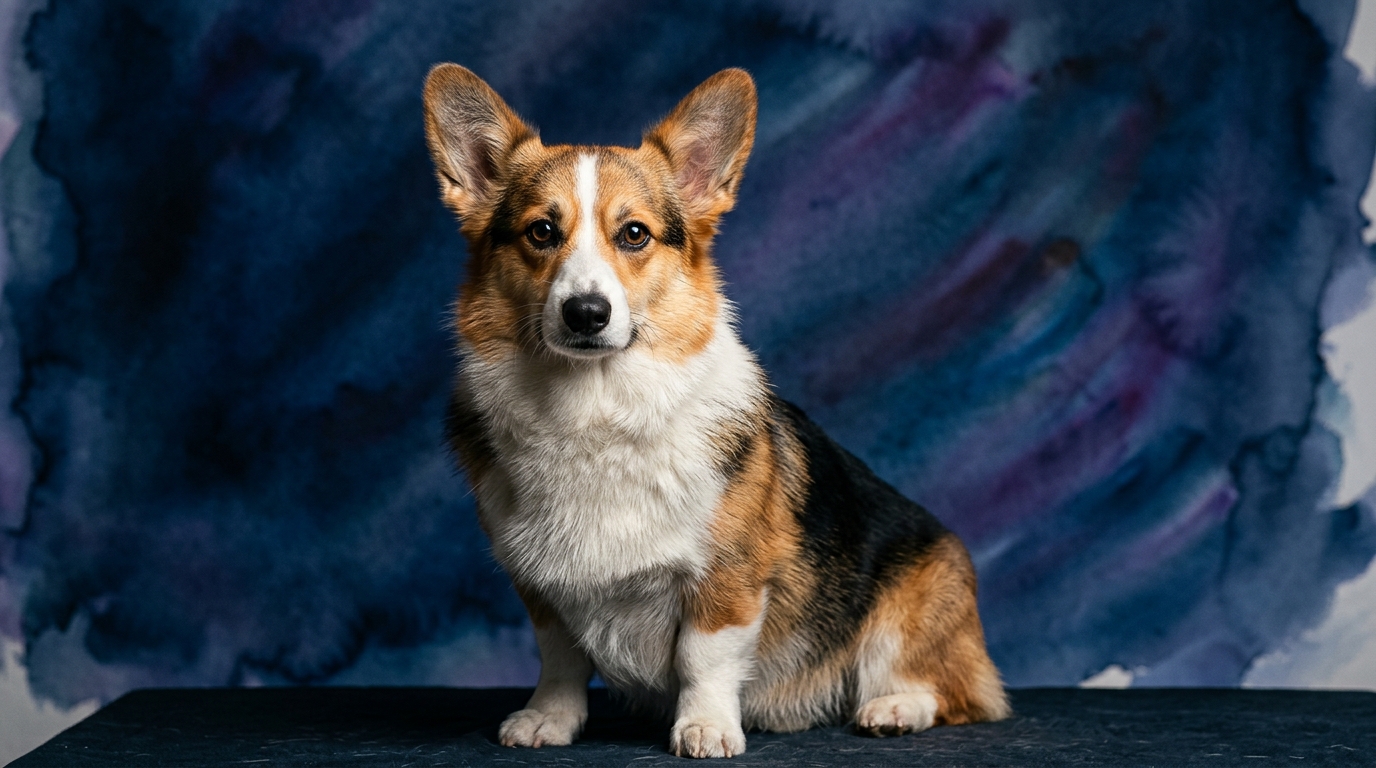
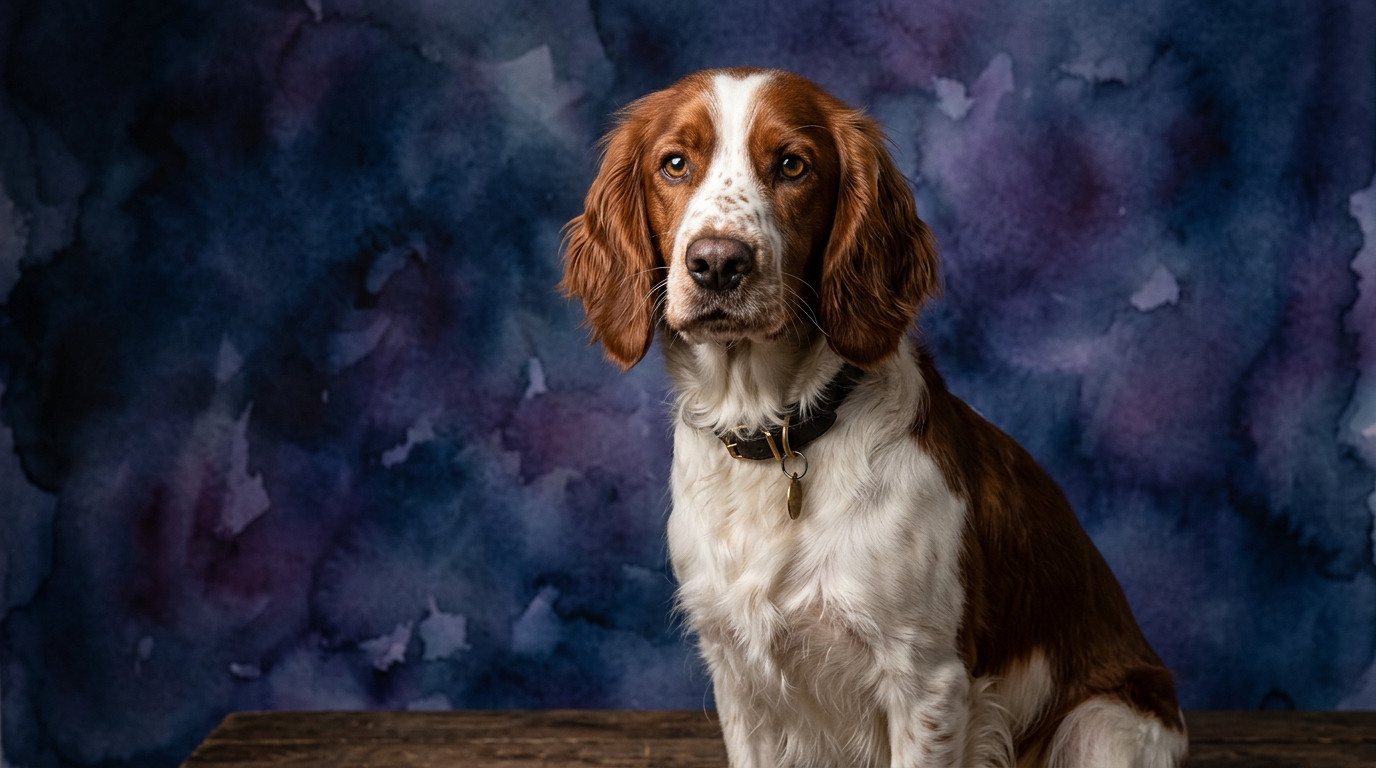
Side-by-Side Cognitive Profiles
The Cosmic Pet Pet IQ Lab employs five key dimensions to evaluate canine intelligence, offering a nuanced perspective beyond simple obedience rankings. For the Pembroke Welsh Corgi, a Herding dog with a Coren rank of #11, we observe strong scores: Problem Solving 4/5, Training Speed 5/5, Social Intelligence 4/5, Instinctive Drive 5/5, and Memory 4/5. This profile paints a picture of a quick-witted, highly trainable dog with a powerful innate purpose.
In contrast, the Welsh Springer Spaniel, a Sporting dog ranked #31 by Coren, presents a slightly different yet equally capable cognitive makeup. Their scores include Problem Solving 4/5, Training Speed 4/5, Social Intelligence 3/5, Instinctive Drive 3/5, and Memory 4/5. These scores reflect a diligent, focused canine whose intelligence is geared towards independent work and sustained effort in the field.
Where the Pembroke Welsh Corgi Excels Cognitively
The Pembroke Welsh Corgi's cognitive strengths are particularly evident in their unmatched Training Speed (5/5) and profound Instinctive Drive (5/5). Their historical role as cattle herders on Welsh farms demanded rapid comprehension of commands, quick reactions, and an innate understanding of how to manage livestock, often by nipping at heels and anticipating movements. This translates into a dog that picks up new commands and routines with impressive swiftness, often eager to please and participate in structured activities.
Furthermore, their Social Intelligence (4/5) allows them to be highly attuned to human cues and intentions. Corgis often observe their human companions closely, learning routines and even anticipating desires. This social acumen, combined with their problem-solving abilities (4/5), means they can not only learn complex tasks quickly but also adapt their approach based on handler feedback, demonstrating a collaborative and perceptive nature that serves them well in various domestic and competitive settings. Their memory (4/5) supports this, allowing them to retain vast amounts of information, from training sequences to household rules.
Where the Welsh Springer Spaniel Shines Cognitively
The Welsh Springer Spaniel, while scoring slightly lower in some areas, demonstrates a distinct set of cognitive advantages rooted in their heritage as flushing and retrieving dogs. Their Problem Solving score of 4/5, identical to the Corgi, reflects a different kind of ingenuity: one focused on navigating varied terrain, tracking scents, and independently figuring out how to locate and retrieve game. This is less about quick, reactive herding and more about sustained, methodical application of intellect to a specific task.
Their Memory (4/5) is also on par with the Corgi, crucial for remembering scent trails, the location of fallen game, and complex hunting patterns. While their Instinctive Drive (3/5) is lower than the Corgi's, it is a focused, persistent drive for hunting and retrieving rather than a pervasive need to control. This means they are less prone to the 'bossy' tendencies sometimes seen in herding breeds and more inclined towards steady, purposeful work. Their slightly lower Social Intelligence (3/5) doesn't imply a lack of affection, but rather a greater capacity for independent focus on a task, less reliant on constant human direction once a goal is understood.
Which is Easier to Train and Why
When it comes to ease of training, the Pembroke Welsh Corgi generally holds an edge due to their superior Training Speed (5/5) and elevated Social Intelligence (4/5). Corgis are renowned for their eagerness to learn and their capacity to quickly associate commands with actions. Their high instinctive drive means they often thrive when given a 'job' and respond well to positive reinforcement that taps into their innate desire for purpose. However, their intelligence and social awareness can also lead to them being quite clever and occasionally manipulative, requiring consistent boundaries and a confident handler to prevent them from 'herding' their owners.
The Welsh Springer Spaniel, with a Training Speed of 4/5, is still a very trainable dog, but they may require a bit more patience and repetition than a Corgi. Their slightly lower Instinctive Drive (3/5) and Social Intelligence (3/5) suggest they might be less intensely driven by human approval or the sheer joy of learning commands for their own sake. Instead, their motivation often comes from the satisfaction of completing a task, especially those involving scent work or retrieving. Effective training for a Welsh Springer Spaniel often leverages their natural sporting instincts, turning training into a fun, purposeful activity rather than purely obedience drills. They tend to be less prone to testing boundaries, but also less inclined to offer unsolicited 'help' than a Corgi might.
Suitability for Active vs. Relaxed Owners
The Pembroke Welsh Corgi, with its powerful Instinctive Drive (5/5) and high energy levels, is best suited for active owners who are prepared to provide significant mental and physical engagement. These dogs need more than just a walk around the block; they thrive on activities like agility, herding trials, obedience, or even just complex puzzle toys and consistent training sessions. Owners who enjoy teaching new tricks, engaging in dog sports, and managing a dog with a strong, opinionated personality will find the Corgi a rewarding companion. A relaxed owner might find a Corgi's persistent need for activity and mental stimulation overwhelming, potentially leading to undesirable behaviors.
The Welsh Springer Spaniel also requires an active lifestyle, but their type of activity often differs. Their sporting background means they excel in environments where they can run, sniff, and explore, making them ideal for owners who enjoy hiking, long walks, or field activities like hunting or scent work. While they need regular exercise to prevent boredom and maintain health, their Instinctive Drive (3/5) is typically less demanding of constant 'work' than a Corgi's. They can be content with a good run followed by a relaxed evening indoors, making them suitable for active owners who appreciate a dog that can transition between energetic outdoor adventures and calmer home life. They are generally less prone to the constant 'go-go-go' intensity of a dedicated herding breed, fitting well with owners who enjoy structured outdoor pursuits but also value some downtime.
The Verdict
Choose the Pembroke Welsh Corgi if you are an engaged owner who thrives on channeling a quick-witted, highly trainable dog with a strong, purposeful drive into activities like dog sports or advanced obedience, and you appreciate a dog with a big personality.
Opt for the Welsh Springer Spaniel if you are an active owner who enjoys consistent outdoor adventures, values a diligent and focused companion for activities like hiking or scent work, and appreciates a steady, cooperative nature that excels in purposeful tasks.
🧠 Find Your Pet's IQ Score
Our Pet IQ Lab assessment covers 25+ tests across 5 cognitive dimensions — personalized to your breed.
Take the Full IQ Test →Frequently Asked Questions
Do Pembroke Welsh Corgis require more mental stimulation than Welsh Springer Spaniels?
Generally, yes. The Corgi's higher Instinctive Drive and Social Intelligence mean they thrive on constant mental challenges and interaction. While both breeds need stimulation, Corgis often demand more varied and frequent 'jobs' to prevent boredom and channel their herding instincts.
Are Welsh Springer Spaniels good with children, given their social intelligence score?
Welsh Springer Spaniels can be wonderful family dogs and are generally good with children. Their Social Intelligence score of 3/5 indicates they are cooperative and amiable, though perhaps not as intensely focused on human social dynamics as a Corgi. Supervision is always recommended, but their steady temperament makes them suitable companions for respectful children.
Which breed is better for apartment living?
Neither breed is ideally suited for apartment living without significant daily commitment to exercise and mental engagement. However, if forced to choose, a well-exercised Welsh Springer Spaniel might adapt slightly better due to their slightly lower, though still substantial, instinctive drive and less 'bossy' personality compared to a Corgi, who can be quite vocal and demanding if under-stimulated in a small space.