Side-by-Side Cognitive Profiles
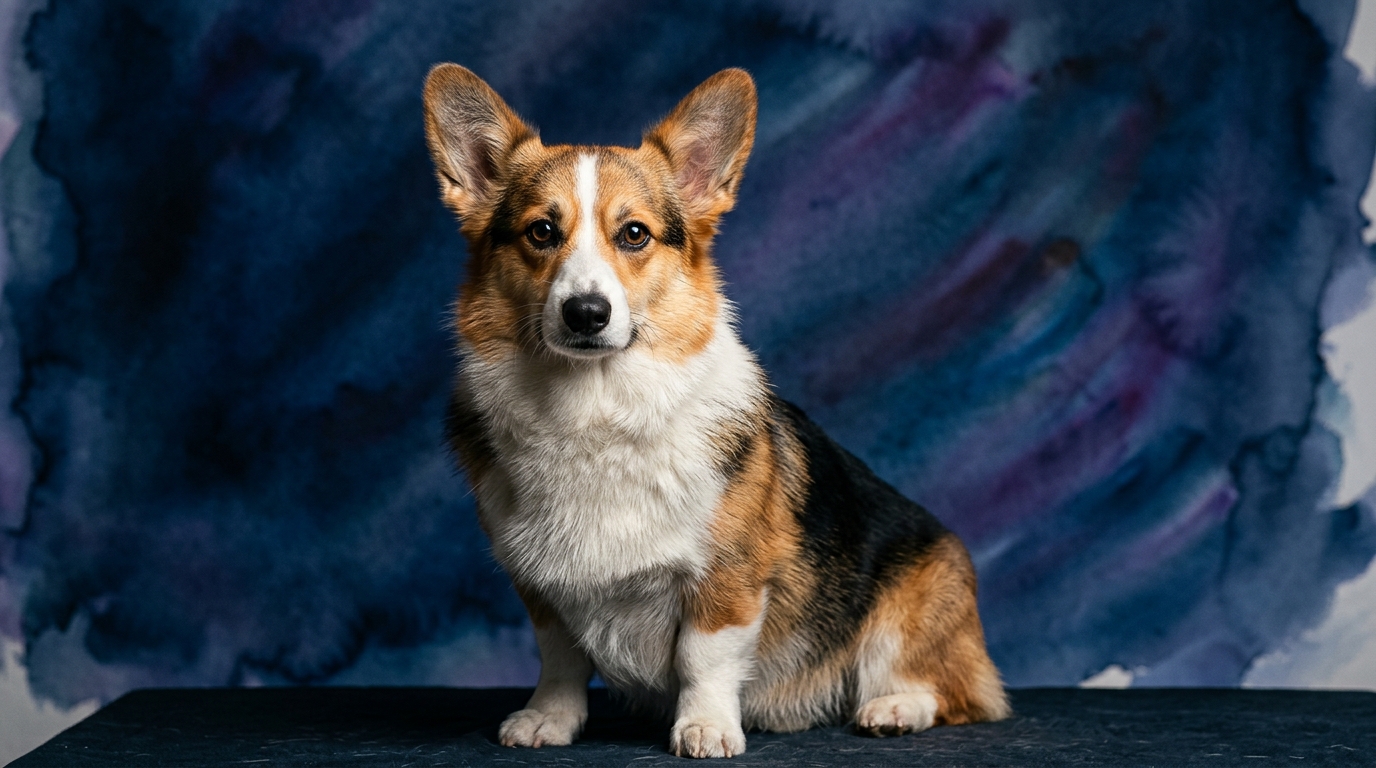
The Pembroke Welsh Corgi, a member of the Herding group and ranked #11 by Coren, demonstrates a cognitive makeup honed for collaboration and strategic action. Their Problem Solving at 4/5 reflects a capacity for adaptive thinking in dynamic situations, such as managing livestock movements. A perfect Training Speed of 5/5 highlights their eagerness and aptitude for rapidly grasping complex commands, often driven by a desire to work alongside humans. Social Intelligence, rated 4/5, indicates a strong ability to interpret human cues and integrate effectively into a family structure. An Instinctive Drive of 5/5 points to their inherent herding tenacity and focus, while a Memory score of 4/5 ensures they retain learned behaviors and routines efficiently.
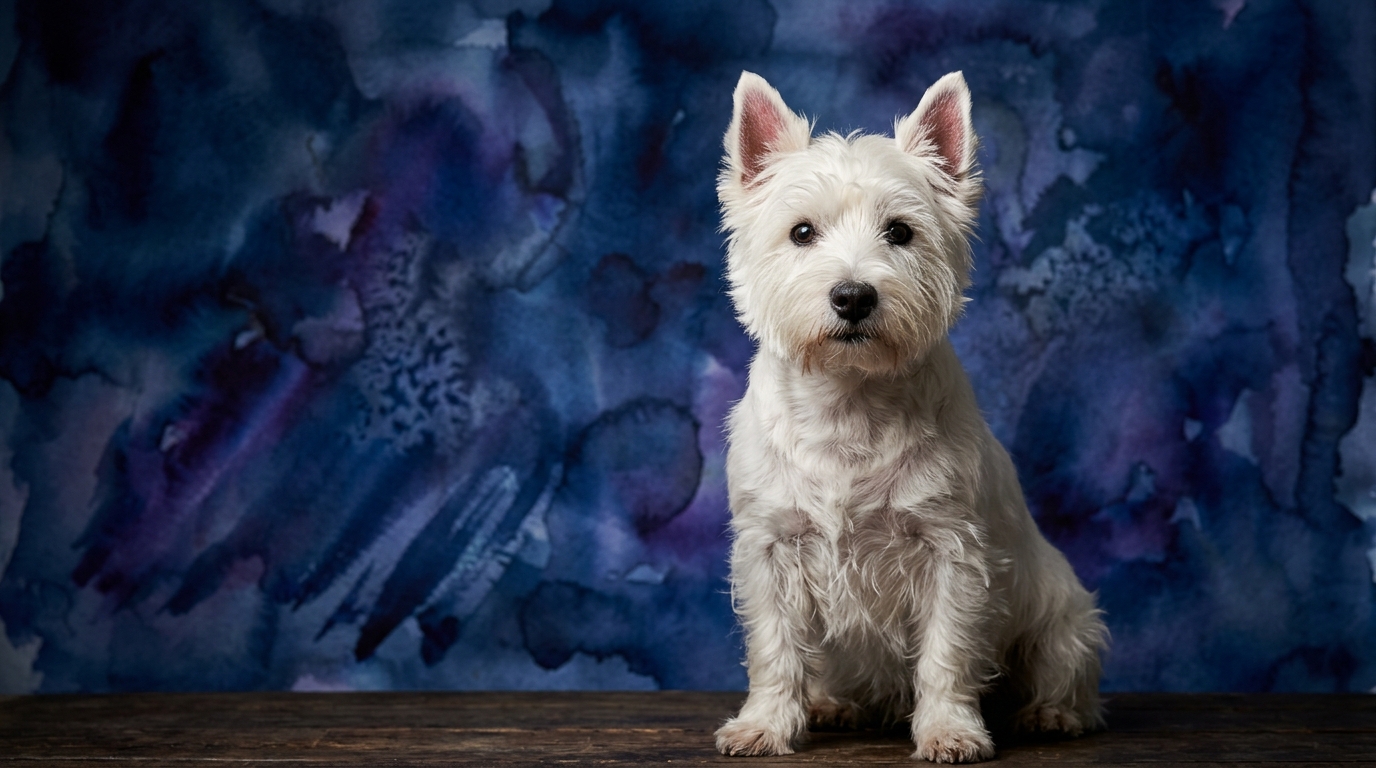
In contrast, the West Highland White Terrier, a Terrier group member ranked #47 by Coren, possesses a cognitive profile shaped by independent vermin hunting. Their Problem Solving, rated 3/5, often manifests as independent, trial-and-error approaches to challenges rather than collaborative strategy, typical of a solitary hunter. Training Speed, at 3/5, suggests they can learn, but their independent spirit means consistency and patience are vital; they might question commands rather than immediately comply. Social Intelligence, 3/5, indicates they form strong bonds but can be more selective or less universally obliging than a herding breed. An Instinctive Drive of 3/5 reflects their tenacious prey drive, focused on hunting small animals, which can be difficult to redirect. Their Memory, 4/5, is robust, allowing them to recall specific locations, scents, and past experiences effectively, crucial for their hunting tasks.
Where the Pembroke Welsh Corgi Excels Cognitively
The Pembroke Welsh Corgi's cognitive strengths are deeply rooted in their herding heritage, placing them at Coren rank #11. Their superior Problem Solving (4/5) shines in tasks requiring sequential steps or adapting to changing conditions, such as navigating an agility course or learning multi-part tricks. This isn't merely about brute force but about strategic thought, anticipating movements and reacting appropriately, much like they would with a flock. Their perfect 5/5 in Training Speed means they absorb new information with impressive alacrity, often needing fewer repetitions than many other breeds. This rapid assimilation isn't just about obedience; it extends to understanding complex routines and even subtle behavioral cues. Furthermore, their 4/5 Social Intelligence makes them exceptionally attuned to human emotions and intentions, allowing for a harmonious working relationship and making them highly responsive companions. This innate desire to cooperate and their capacity for understanding makes them excel in interactive, task-oriented learning environments.
Where the West Highland White Terrier Excels Cognitively
The West Highland White Terrier, with a Coren rank of #47, exhibits distinct cognitive advantages stemming from their role as independent vermin hunters. Their tenacity and single-minded focus on a task, even if their Problem Solving is rated 3/5, is a significant strength. When faced with a challenge, especially one involving a scent or a perceived 'prey,' their determination is unparalleled; they will persist through obstacles where a more collaborative breed might seek human assistance. Their robust Memory (4/5) is particularly strong for spatial recall and sensory details, allowing them to remember specific hunting grounds, burrow locations, or the scent of a particular 'intruder.' This isn't about memorizing commands but about retaining vital environmental information. While their Social Intelligence is 3/5, they form incredibly deep and loyal bonds with their chosen humans, displaying a fierce protectiveness and an understanding of their family unit that is unwavering, even if they aren't universally gregarious. Their independent Instinctive Drive (3/5) allows them to make decisions autonomously, which was crucial for their original purpose, fostering a self-reliant and spirited nature.
Trainability: Corgi's Cooperation vs. Westie's Independence
When evaluating ease of training, the Pembroke Welsh Corgi generally presents a more straightforward experience. Their exceptional Training Speed (5/5) means they pick up commands quickly, often with a few repetitions, and their strong Social Intelligence (4/5) makes them eager to please and highly responsive to human direction. Corgis derive satisfaction from working alongside their owners, a direct legacy of their herding role where collaboration was key to success. They understand the 'job' aspect of training and are motivated by praise and rewards from their human partners. Conversely, the West Highland White Terrier's Training Speed (3/5) and independent nature can make training a more patient endeavor. Westies, bred to work alone in challenging environments, are inclined to follow their own instincts rather than immediately deferring to human commands. Their inherent stubbornness, while a valuable trait for a solitary hunter persisting against vermin, translates into a need for consistent, positive reinforcement and a willingness from the owner to make training engaging and fun, rather than purely directive. Their problem-solving is often about figuring things out for themselves, not necessarily through human instruction.
Matching Breeds to Lifestyles: Active vs. Relaxed Owners
The Pembroke Welsh Corgi, despite its compact size, is a breed with substantial cognitive and physical energy, making it better suited for active owners. Their high Instinctive Drive (5/5) and need for mental stimulation mean they thrive with structured activities like obedience training, agility, or even herding games that tap into their natural talents. Owners who enjoy engaging their dog's mind with new challenges and consistent training will find the Corgi a rewarding partner. A relaxed owner who doesn't provide sufficient mental and physical outlets might find a Corgi becoming bored, leading to undesirable behaviors. The West Highland White Terrier, while also requiring regular exercise, can often be a better fit for owners whose 'activity' leans more towards independent exploration rather than collaborative tasks. Their strong prey drive and desire to dig mean they appreciate opportunities for outdoor adventures, but they don't necessarily demand the same level of structured mental work as a Corgi. A relaxed owner who enjoys walks, secure yard play, and appreciates a spirited, self-sufficient companion will likely find a Westie a delightful, albeit sometimes headstrong, addition.
The Verdict
Choose the Pembroke Welsh Corgi if you seek a highly trainable, cooperative companion eager to engage in structured learning and mentally stimulating activities, thriving on a partnership with their owner.
Opt for the West Highland White Terrier if you appreciate an independent, tenacious spirit with a strong sense of self, requiring consistent, patient training and enjoying more self-directed exploration and outdoor adventures.
🧠 Find Your Pet's IQ Score
Our Pet IQ Lab assessment covers 25+ tests across 5 cognitive dimensions — personalized to your breed.
Take the Full IQ Test →Frequently Asked Questions
Do Pembroke Welsh Corgis bark more than Westies?
Corgis, with their herding background, often use their voice to direct and alert, which can translate into frequent barking if not managed. Westies also bark, particularly at perceived threats or during hunting excitement, but their vocalizations might be more situation-specific.
Are Corgis good with children compared to Westies?
Corgis, with their social intelligence and desire to be part of the family, can be excellent with children, though their herding instinct might lead to nipping at heels if not trained. Westies can also be good family dogs, but their independent nature and potential for less tolerance might require careful supervision with very young or boisterous children.
Which breed adapts better to apartment living?
Both breeds can adapt to apartment living with sufficient exercise and mental stimulation. Corgis need regular walks and engaging play to prevent boredom, while Westies require consistent outdoor activity and secure spaces to satisfy their digging and hunting urges.