Side-by-Side IQ Profile
The Cosmic Pet Pet IQ Lab's assessment places both the Petit Basset Griffon Vendéen and the Affenpinscher at a balanced 3 out of 5 across all five cognitive dimensions: Problem Solving, Training Speed, Social Intelligence, Instinctive Drive, and Memory. While these identical scores might suggest a uniform cognitive experience, a closer look at their breed-specific expressions paints a richer, more nuanced picture of their mental landscapes.
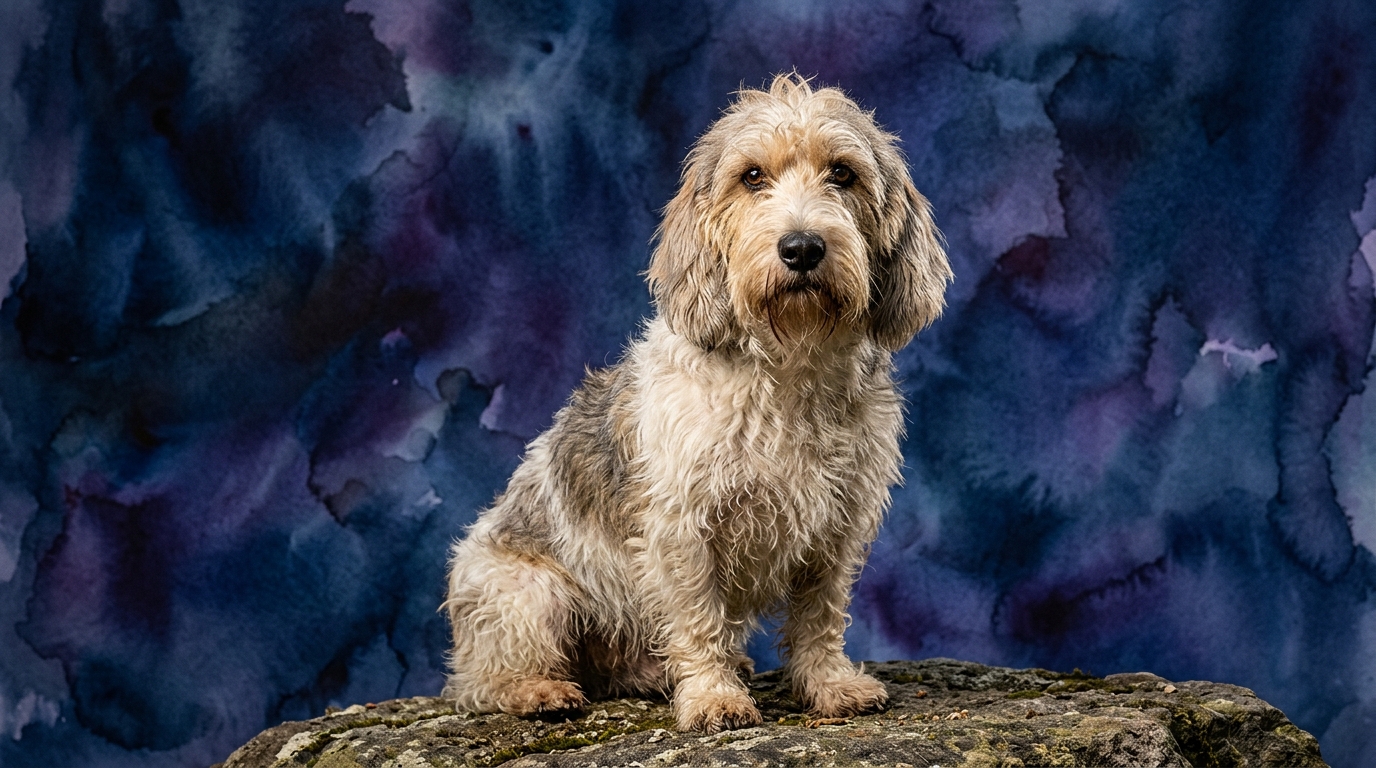
For the Petit Basset Griffon Vendéen, a hound at heart, their Problem Solving (3/5) is deeply tied to their nose; they excel at figuring out how to navigate complex terrains or overcome obstacles if a compelling scent is involved. Their Training Speed (3/5) reflects an ability to learn, but also an independent streak that prioritizes following a trail over human commands, making consistent, engaging methods crucial. Social Intelligence (3/5) manifests in their pack-oriented nature, reading cues within their human family, often with boisterous enthusiasm. An Instinctive Drive (3/5) is pronounced, centered on scenting, tracking, and vocalizing during the hunt. Finally, their Memory (3/5) is particularly strong for routes, scent patterns, and experiences that brought them joy or a successful ‘catch’.
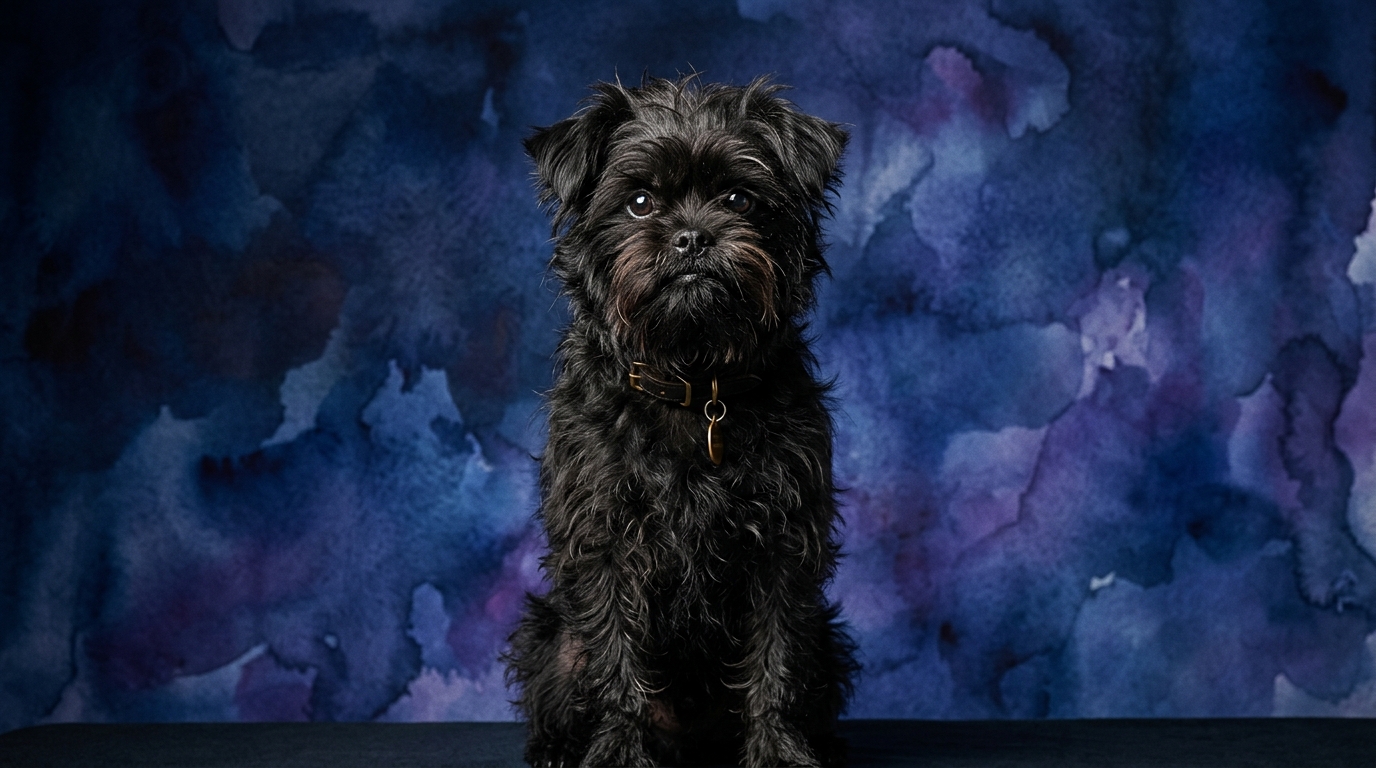
The Affenpinscher, a spirited Toy breed, demonstrates Problem Solving (3/5) through a clever resourcefulness in domestic settings, such as figuring out how to access a forbidden treat or manipulating a toy for maximum engagement. Their Training Speed (3/5) indicates they can grasp concepts quickly when motivated, though their inherent stubbornness and short attention span for repetitive tasks can make progress seem intermittent. Social Intelligence (3/5) is evident in their keen observation of household dynamics and their ability to charm or, conversely, be aloof with strangers, often acting as a vigilant household sentinel. Their Instinctive Drive (3/5) leans towards the terrier-like, with a strong urge to chase small, fast-moving objects and a protective territoriality. Their Memory (3/5) is adept at recalling daily routines, the preferences of their chosen people, and significant past interactions, both positive and negative.
Where Petit Basset Griffon Vendéen Wins Cognitively
Despite identical scores, the PBGV's cognitive strengths distinctively lean into its heritage as a scent hound. Their Problem Solving is uniquely optimized for navigation and persistence in the field; a PBGV will meticulously work through complex scent trails, demonstrating an unwavering focus that can outlast many other breeds. This isn't about opening a puzzle toy, but rather an intricate, multi-sensory analysis of an environment to locate a quarry, a task requiring remarkable sustained attention and deduction.
Furthermore, their Instinctive Drive, while rated 3/5, is channeled into a highly specialized form of intelligence: olfactory processing. The PBGV's ability to discriminate between myriad scents, follow a cold trail, and ignore distractions not relevant to its primary scent target represents a sophisticated cognitive function. This deep engagement with their environment through scent offers a unique perspective on their world, far exceeding the typical domestic dog's casual sniff, providing a nuanced understanding of their surroundings that an Affenpinscher, with its different priorities, wouldn't typically manifest.
Where Affenpinscher Wins Cognitively
The Affenpinscher, with its nimble body and equally agile mind, demonstrates cognitive victories primarily within the domestic sphere. Their Problem Solving, while also a 3/5, often involves clever manipulation of objects or situations to achieve a desired outcome, such as strategically placing themselves for maximum attention or figuring out how to get onto a favorite chair. This form of ingenuity is less about endurance in a hunt and more about immediate, often mischievous, tactical thinking within their immediate human environment, a skill honed by close companionship.
Their Social Intelligence, also a 3/5, often presents as a profound observational acuity within the home. An Affenpinscher is adept at picking up on subtle human emotional cues and household routines, sometimes to their own advantage. They can learn what behaviors elicit specific responses from their family members, showing a sophisticated understanding of social cause and effect. This nuanced grasp of interpersonal dynamics, combined with their memory for past interactions, allows them to navigate complex family structures with a distinct charm and sometimes, a calculated independence that sets them apart.
Which Is Easier to Train and Why
Comparing the training ease of these two breeds, both rated 3/5 for Training Speed, reveals more about their motivations than their raw learning capacity. The Petit Basset Griffon Vendéen's primary challenge in training stems from its powerful, innate Instinctive Drive centered on scent. When a compelling odor captures their attention, their world narrows to that single sensory input, making it incredibly difficult to divert their focus to a human command. Training a PBGV requires immense patience, creativity, and the ability to make learning feel like a fun, engaging hunt or game, rather than a repetitive drill. Their independent hound nature means they often need to understand 'why' they should comply, and a strong relationship built on mutual respect and positive reinforcement is crucial.
The Affenpinscher, while equally rated at 3/5 for Training Speed, presents a different set of training considerations. Their challenges often arise from a spirited stubbornness and a tendency towards boredom with repetitive tasks. They can pick up new commands quickly when motivated, often by food or play, but their attention may wane if sessions are too long or unstimulating. Their problem-solving skills, while delightful in certain contexts, can also manifest as clever avoidance of unwanted tasks. Training an Affenpinscher demands short, fun, and varied sessions, leveraging their desire for interaction and their memory for positive reinforcement, while gently navigating their independent streaks.
Which Suits Active Owners vs Relaxed Owners
When considering lifestyle compatibility, the Petit Basset Griffon Vendéen firmly aligns with active owners. Their robust build and strong Instinctive Drive necessitate significant daily exercise and mental engagement. PBGVs thrive on long, brisk walks, hikes, and opportunities for off-leash exploration in secure areas where their scenting abilities can be indulged. Their boisterous nature and need for physical exertion mean they are not content to be couch potatoes; an owner who enjoys outdoor adventures and can provide consistent outlets for their hound instincts will find a joyful companion in a PBGV. Without adequate stimulation, their problem-solving might turn to undesirable behaviors as they seek their own entertainment.
The Affenpinscher, conversely, can adapt to a wider range of owner activity levels, making them suitable for both moderately active and more relaxed individuals, though they are not entirely sedentary. While they possess bursts of energetic playfulness, particularly indoors, their smaller size means their exercise requirements are more manageable, typically satisfied with short daily walks and engaging indoor games. They are deeply social and thrive on close companionship, making them excellent apartment dwellers who appreciate cozy laps as much as a quick romp. However, their Problem Solving and Instinctive Drive still demand mental stimulation through toys, puzzle feeders, and consistent interaction to prevent boredom and potential mischievousness.
The Cognitive Compass: Navigating Your Choice
Ultimately, both the Petit Basset Griffon Vendéen and the Affenpinscher, despite their identical IQ scores, offer unique cognitive experiences rooted deeply in their breed histories and physical attributes. The PBGV's intelligence is a symphony of scent and endurance, while the Affenpinscher's is a clever, observant dance of domestic charm and spirited independence. Understanding these nuanced expressions beyond the numbers is key to choosing a companion whose cognitive makeup truly resonates with your own lifestyle and expectations.
The Verdict
Choose the Petit Basset Griffon Vendéen if you are an active owner who cherishes outdoor adventures, appreciates an independent spirit, and is prepared to channel a powerful scent drive with consistent, engaging training methods. Their boisterous nature and love for exploration make them ideal for those seeking a lively companion ready for the trail.
Opt for the Affenpinscher if you desire a charming, observant, and spirited companion who thrives on close interaction and can adapt well to apartment living. Their clever problem-solving and social acuity make them a delightful, albeit sometimes mischievous, presence for owners who enjoy engaging with a dog's distinct personality in a compact form.
🧠 Find Your Pet's IQ Score
Our Pet IQ Lab assessment covers 25+ tests across 5 cognitive dimensions — personalized to your breed.
Take the Full IQ Test →Frequently Asked Questions
Are PBGVs good family dogs?
Yes, PBGVs are generally good with families, possessing a social intelligence that makes them enjoy being part of a 'pack.' Their boisterous nature means they do best with children who understand how to interact respectfully with dogs, as their playful energy can be quite robust.
Do Affenpinschers bark a lot?
Affenpinschers can be quite vocal, often using their barks to alert owners to perceived threats or to express their opinions. While their social intelligence allows them to communicate effectively, managing their instinctual protective drive through early socialization and training can help moderate excessive barking.
How much exercise do these breeds need?
The PBGV requires a significant amount of daily exercise, ideally including opportunities to follow scents or engage in vigorous play for at least an hour. The Affenpinscher, while energetic in bursts, needs moderate daily activity, such as short walks and indoor play, typically totaling 30-45 minutes.