Side-by-Side Cognitive Profiles: Decoding Identical Scores
While both the Petit Basset Griffon Vendéen (PBGV) and the German Pinscher register a consistent 3/5 across our five key intelligence dimensions, the *expression* of these scores is profoundly influenced by their breed heritage. Understanding these nuances is crucial to appreciating their individual cognitive strengths.
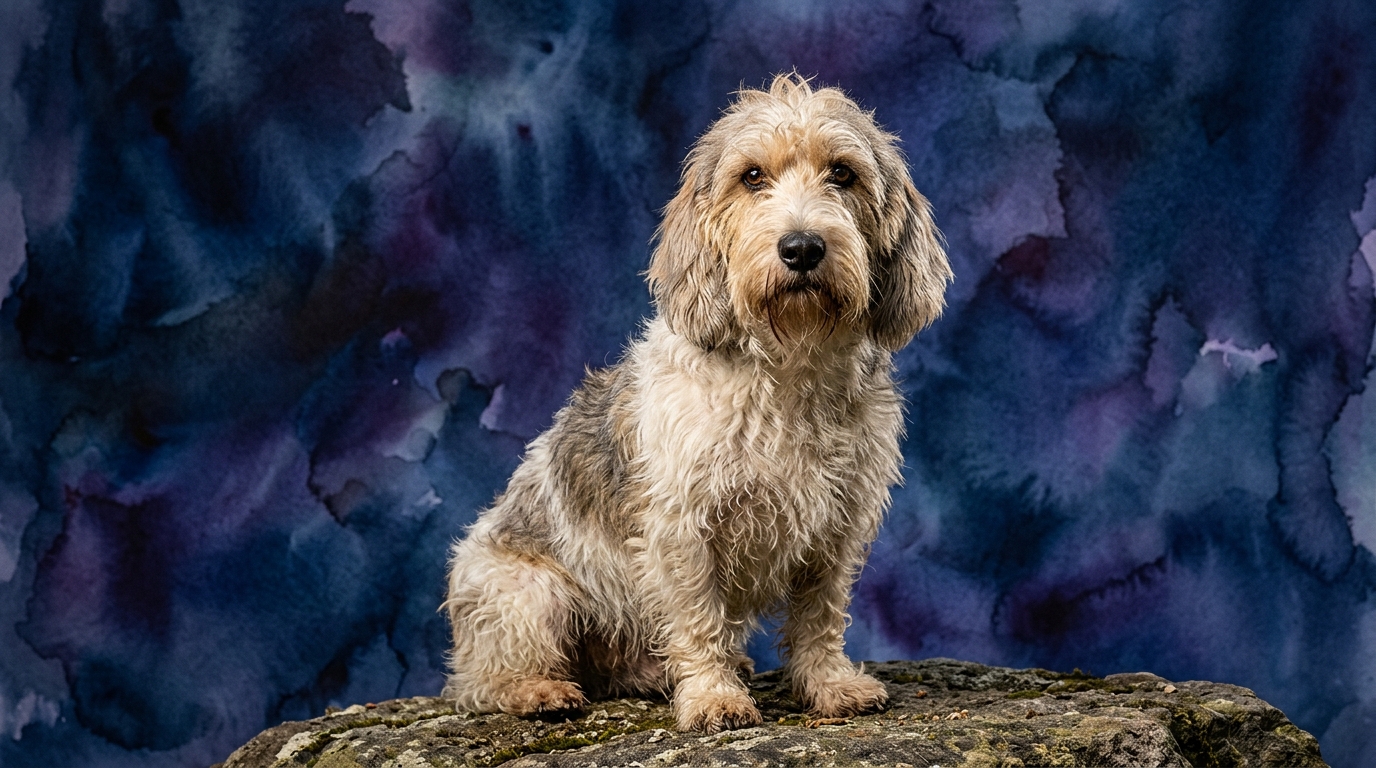
For the **Petit Basset Griffon Vendéen**, a hound with a rich history of tracking game in dense undergrowth, their cognitive profile is heavily weighted towards sensory processing and independent pursuit. Their **Problem Solving (3/5)** often manifests as tenacious, scent-driven navigation, where they expertly unravel complex olfactory puzzles to locate a target, demonstrating a practical intelligence focused on their primary instinct. **Training Speed (3/5)** for a PBGV means they are capable learners, but their independent nature and powerful nose mean that external stimuli, particularly compelling scents, can easily divert their attention, requiring patient and engaging methods. Their **Social Intelligence (3/5)** allows them to form cheerful bonds with their family and other animals, though they might express affection through boisterous enthusiasm rather than subtle cues, and their independence can sometimes override a desire for constant human approval. The **Instinctive Drive (3/5)** in a PBGV is almost entirely dedicated to scent work and the chase, manifesting as an insatiable curiosity for odors and a joyful, persistent pursuit of anything interesting. Finally, their **Memory (3/5)** is particularly adept at recalling scent trails, geographical layouts related to past explorations, and the locations of interesting smells, rather than strict rote memorization of commands.
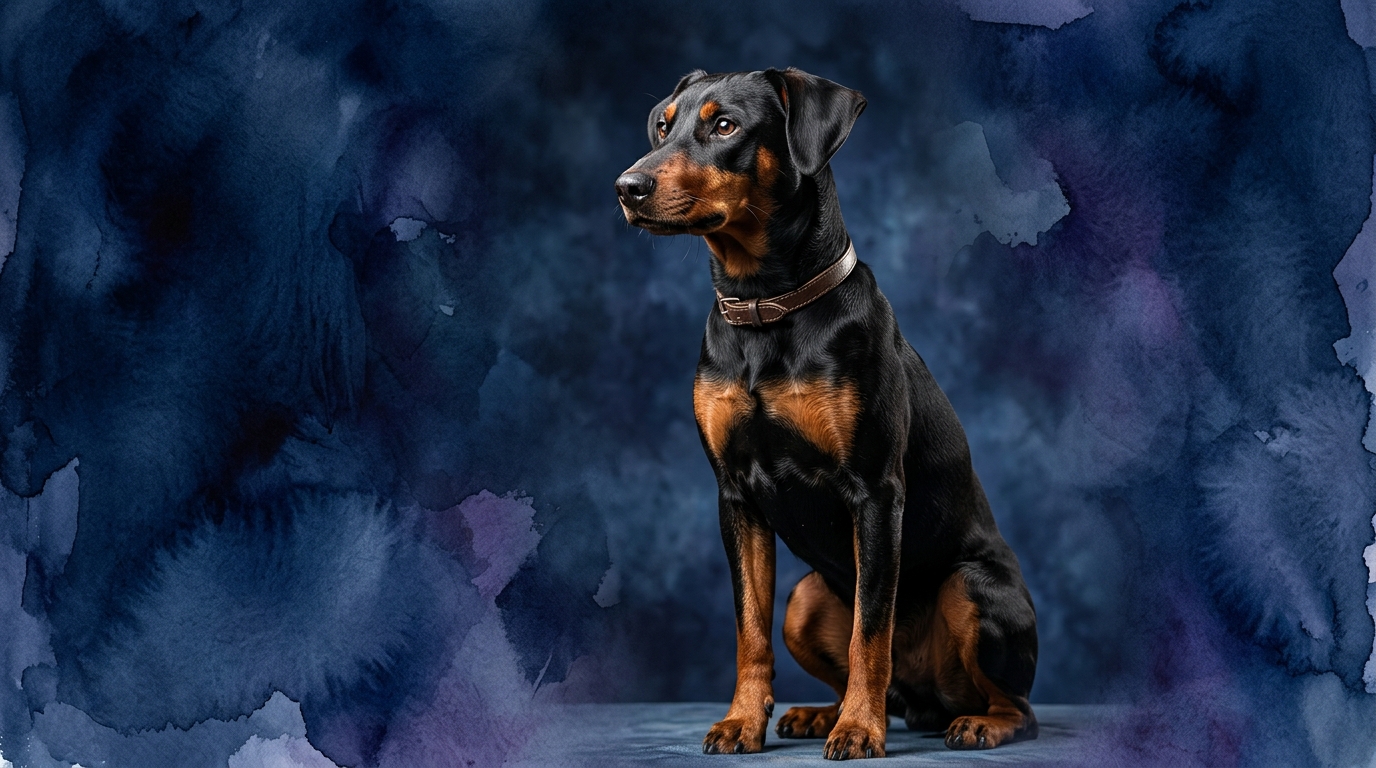
The **German Pinscher**, hailing from the working group, presents a 3/5 cognitive profile that underscores vigilance, resourcefulness, and a strong partnership orientation. Their **Problem Solving (3/5)** typically involves more strategic thinking in their immediate environment, such as figuring out how to manipulate objects to gain access or outwit a perceived threat. This intelligence is practical and often directed towards maintaining order or achieving a specific household goal. In terms of **Training Speed (3/5)**, German Pinschers are generally quick to grasp new commands and routines, eager to please their handler, but their independent streak and strong will mean they require consistent, firm, and fair handling to prevent them from testing boundaries. Their **Social Intelligence (3/5)** is characterized by a deep bond with their primary family, a keen ability to read human intentions, and a natural protectiveness, though they can be reserved or wary with strangers, interpreting social cues through a lens of vigilance. The **Instinctive Drive (3/5)** in a German Pinscher is often expressed as a strong guarding instinct, a desire for activity, and a keen prey drive for small vermin, translating into a need for a 'job' or purposeful engagement. Their **Memory (3/5)** is excellent for retaining learned commands, routines, and identifying individuals or situations that have been associated with positive or negative experiences, making them highly reliable in familiar contexts.
Where the Petit Basset Griffon Vendéen Excels Cognitively
The PBGV's cognitive strengths lie in areas where sensory processing, particularly olfaction, and independent decision-making are paramount. When faced with a complex scent puzzle – tracking a hidden treat through a maze of bushes or following a specific odor across varied terrain – the PBGV's problem-solving and memory for olfactory information shine. Their ability to filter out distracting smells and remain singularly focused on a target odor, adjusting their strategy based on faint cues, is a testament to their specialized intelligence.
This breed's instinctive drive, channeled through their powerful nose, allows them to navigate and understand their world in a way that the German Pinscher, with its different sensory priorities, would find less intuitive. The PBGV's cognitive 'win' is in its profound connection to the natural world through scent, demonstrating an unparalleled capacity for independent exploration and discovery based on olfactory data. Their social intelligence, while rated similarly, manifests as an infectious joy and adaptability in diverse social settings, making them charming and resilient companions in a variety of group dynamics, provided their need for independent exploration is met.
Where the German Pinscher Excels Cognitively
The German Pinscher's cognitive advantages are rooted in its working heritage, emphasizing vigilance, direct handler cooperation, and a more strategic approach to its immediate environment. Their problem-solving prowess is particularly evident in tasks requiring object manipulation or understanding cause-and-effect within a domestic or training context – for example, figuring out how to open a child-proof gate or completing a complex agility course with precision. Their memory for sequences of commands and routines is robust, allowing them to perform intricate tasks with consistency.
The German Pinscher's social intelligence, while also a 3/5, translates into a heightened awareness of their human family's emotions and intentions, fostering a deep, responsive bond. They excel in situations where they can act as a vigilant partner, anticipating needs or potential threats. Their instinctive drive, focused on guarding and active participation, means they thrive on directed mental challenges and excel in activities that require them to think alongside their handler, demonstrating a cognitive style that prioritizes partnership and purposeful engagement.
Ease of Training: Navigating Distinct Motivations
Determining which breed is 'easier' to train is less about raw intellectual capacity and more about understanding their core motivations and challenges. The German Pinscher, with its working background, often exhibits a strong desire to please its handler and a keen focus on directed tasks. This makes them generally quicker to pick up formal obedience commands and excel in structured activities like rally or agility, provided the handler offers consistent, firm, and engaging guidance. Their 3/5 training speed is often bolstered by their attentiveness and willingness to collaborate.
The Petit Basset Griffon Vendéen, on the other hand, possesses an independent hound spirit. While perfectly capable of learning, their powerful instinctive drive for scent can easily override commands when an interesting smell presents itself. Training a PBGV requires more patience, creativity, and a willingness to incorporate their natural instincts into the learning process, perhaps through scent games or tracking. Their 3/5 training speed is often influenced by their selective hearing when their nose is engaged; they aren't being stubborn, but rather following a different, equally compelling, cognitive pathway. Therefore, for traditional obedience, the German Pinscher might be perceived as more straightforward, while the PBGV demands a handler who embraces their unique, scent-driven approach to learning.
Lifestyle Match: Active Engagement for Both
Neither the Petit Basset Griffon Vendéen nor the German Pinscher are suited for truly 'relaxed' or sedentary owners, as both possess a significant instinctive drive (3/5) and require consistent mental and physical engagement. However, the *type* of activity they thrive on differs considerably.
The PBGV flourishes with owners who can provide ample opportunities for outdoor exploration in secure environments. They need time to follow their noses, investigate scents, and engage in self-directed discovery. While they enjoy vigorous play, their ideal 'activity' often involves long, sniff-filled walks or secure off-leash romps where their hunting instincts can be safely expressed. They are excellent companions for owners who enjoy hiking, exploring nature trails, and appreciate a dog that is cheerful but also somewhat independent in its pursuits.
The German Pinscher, conversely, thrives with active owners who enjoy structured activities and a strong partnership. They need consistent training, mental challenges like puzzle toys or advanced obedience, and vigorous exercise that engages both their body and mind. Dog sports such as agility, flyball, or even protection work can be excellent outlets for their energy and working drive. Owners who are committed to daily, directed exercise and enjoy having a highly interactive and vigilant companion will find the German Pinscher a rewarding match. Their need for a 'job' means they are not content to simply lounge; they require purposeful engagement to prevent boredom and potential destructive behaviors.
The Verdict
Choose the Petit Basset Griffon Vendéen if you appreciate a cheerful, independent, scent-driven companion who thrives on outdoor exploration and requires a patient, engaging approach to training. They are ideal for owners who enjoy long, investigative walks and a dog with a boisterous personality.
Opt for the German Pinscher if you seek a vigilant, highly interactive, and energetic partner who excels in structured activities and thrives on a strong working relationship. They are best suited for owners committed to consistent training, mental challenges, and a dog who desires a 'job' in daily life.
🧠 Find Your Pet's IQ Score
Our Pet IQ Lab assessment covers 25+ tests across 5 cognitive dimensions — personalized to your breed.
Take the Full IQ Test →Frequently Asked Questions
Are Petit Basset Griffon Vendéens good with children?
Yes, PBGVs are generally cheerful, outgoing, and form strong bonds with families. Their boisterous nature means supervision is wise with very young children to ensure gentle interactions, but they are typically very tolerant and playful.
Do German Pinschers require a lot of grooming?
German Pinschers have a short, smooth coat that is relatively low maintenance. Weekly brushing to remove loose hair and occasional baths are usually sufficient to keep them looking their best.
Which breed is more prone to separation anxiety?
Both breeds can develop separation anxiety if not properly socialized and accustomed to being alone. German Pinschers, with their strong bonding and protective instincts, may be slightly more prone to distress if left alone for extended periods without adequate mental and physical stimulation.