Side-by-Side IQ Profile: Identical Scores, Distinct Minds
At first glance, the Petit Basset Griffon Vendéen (PBGV) and the Lhasa Apso appear to share the same cognitive blueprint, each scoring a consistent 3 out of 5 across all five Pet IQ Lab dimensions: Problem Solving, Training Speed, Social Intelligence, Instinctive Drive, and Memory. This uniform rating suggests a baseline competence across various cognitive tasks, indicating neither breed is at an extreme end of the spectrum for any single attribute. However, these identical scores don't tell the full story of how each breed’s historical purpose and inherent temperament shape the practical application of these cognitive traits.
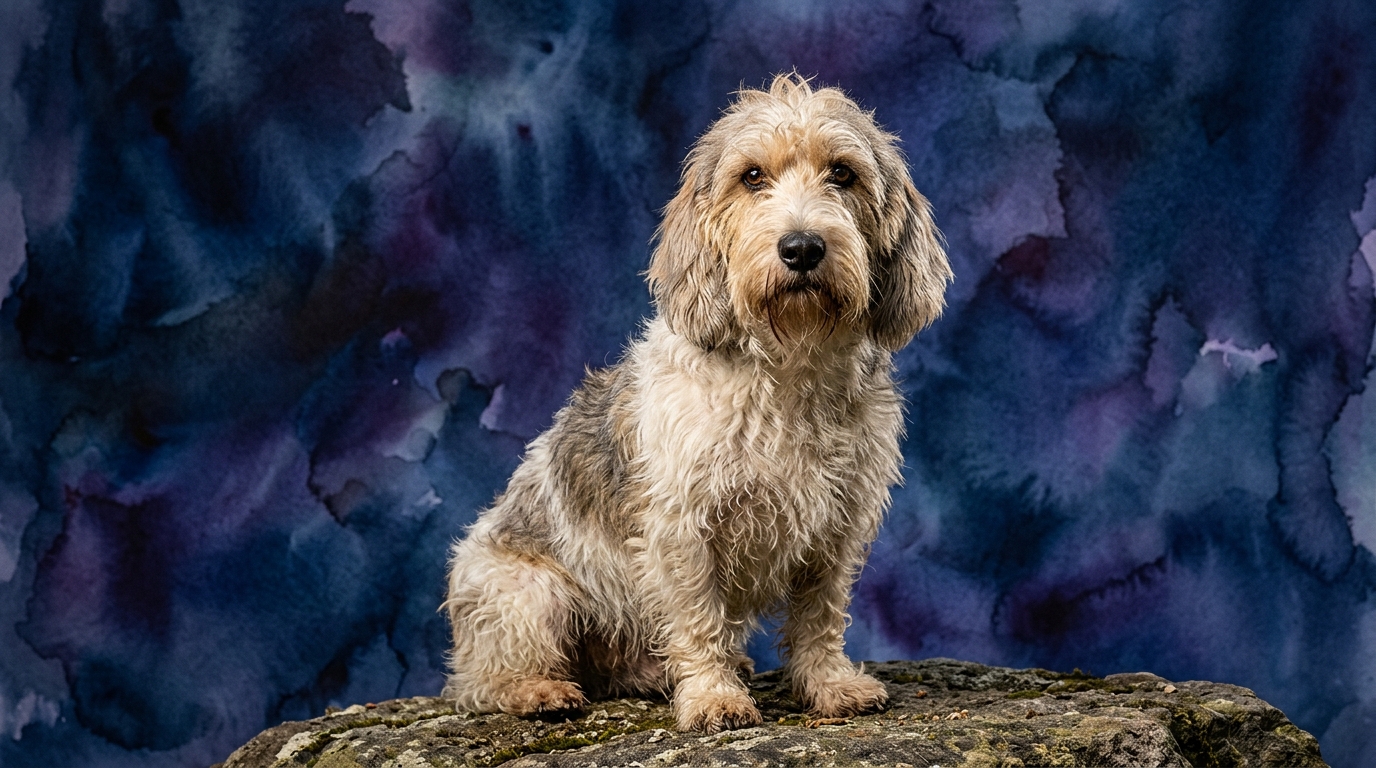
For the Petit Basset Griffon Vendéen, a hound breed, a 3/5 in Problem Solving often translates to an aptitude for unraveling scent trails and navigating complex outdoor environments during a hunt, rather than mastering intricate puzzle toys indoors. Their 3/5 Training Speed reflects a capacity to learn but is often tempered by their strong independent streak and a nose that frequently overrides human instruction. Social Intelligence at 3/5 for a PBGV speaks to their ability to work within a pack and interact with their human companions, though they retain a certain self-reliance. Their 3/5 Instinctive Drive is clearly rooted in their powerful hunting and tracking capabilities, a core part of their being. Finally, a 3/5 Memory allows them to recall scent patterns and familiar hunting grounds.
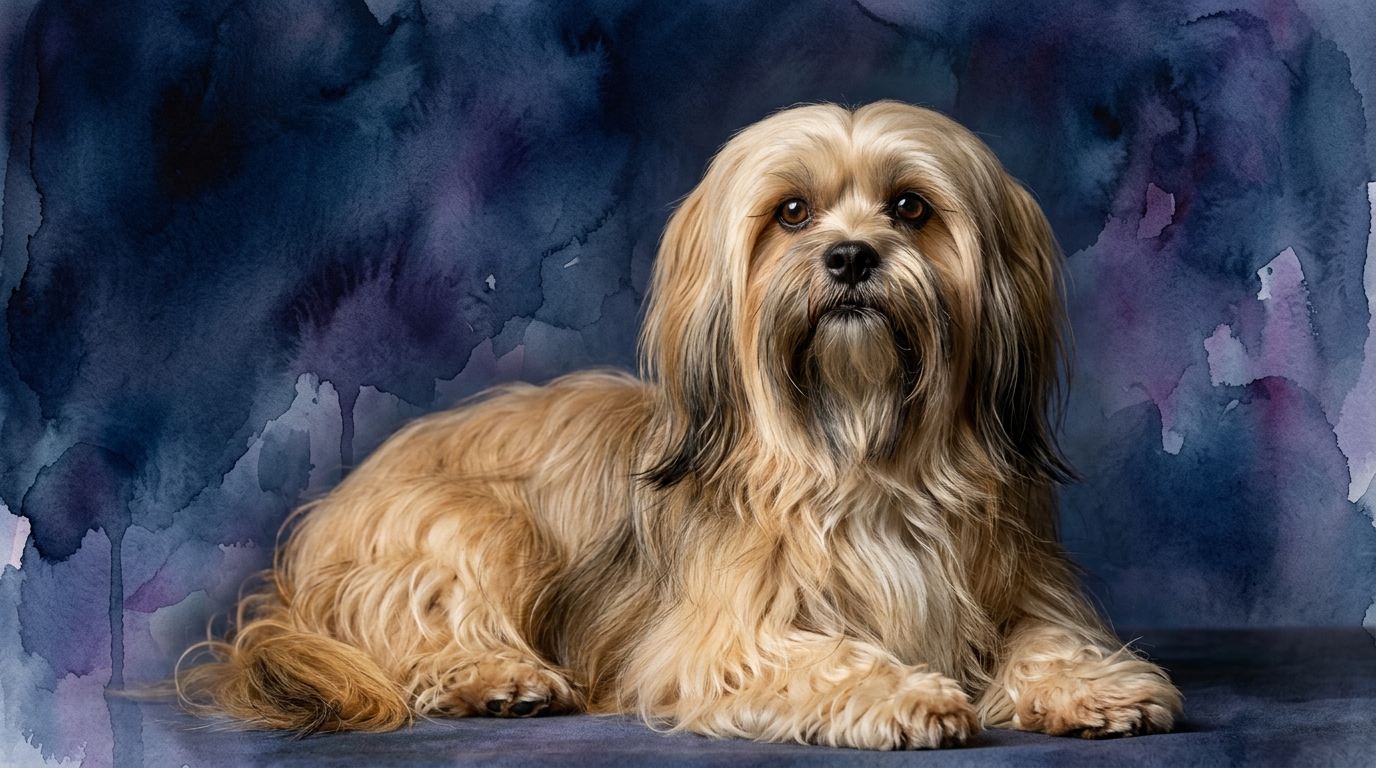
In contrast, the Lhasa Apso, a non-sporting breed historically tasked with guarding Tibetan monasteries, applies these same 3/5 cognitive scores in a vastly different context. Their 3/5 Problem Solving might manifest as a cleverness in finding the best vantage point for observation or outwitting attempts to bypass their vigilance. A 3/5 Training Speed for a Lhasa Apso is often met with a discerning and sometimes stubborn disposition, as they weigh the value of compliance against their own agenda. Their Social Intelligence at 3/5 is highly selective; they form deep bonds with their chosen family but can be reserved or even aloof with strangers, a trait beneficial for a guardian. The 3/5 Instinctive Drive for a Lhasa Apso is expressed through their acute alertness, territoriality, and protective instincts. Their 3/5 Memory serves them well in remembering household routines, discerning regular visitors from perceived threats, and recalling past interactions.
Where the Petit Basset Griffon Vendéen Excels Cognitively
The Petit Basset Griffon Vendéen's cognitive strengths are deeply intertwined with their heritage as scent hounds. While their Problem Solving is rated 3/5, this capacity shines brightest when they are presented with a challenge involving their nose. A PBGV can meticulously work out a complex scent trail, demonstrating an unwavering focus and systematic approach that might not be apparent in other cognitive tasks. This isn't about abstract logic, but a highly specialized form of practical intelligence geared towards detection and pursuit. Their 3/5 Instinctive Drive, specifically, means they possess an inherent, powerful motivation to follow a scent, often to the exclusion of all else, which is a vital cognitive asset for their original purpose.
Their Memory, also a 3/5, is particularly robust for recalling specific scent profiles and the geography of previous hunts. A PBGV remembers where they encountered a particularly interesting smell or a successful trail, allowing them to learn and adapt their hunting strategies over time. This memory is less about rote obedience commands and more about spatial and olfactory recall. Furthermore, their Social Intelligence, while a 3/5, allows them to cooperate effectively within a pack dynamic, understanding subtle cues from other dogs and working collectively towards a goal, a nuanced form of social cognition essential for a communal hunter.
Where the Lhasa Apso Excels Cognitively
The Lhasa Apso, with its 3/5 cognitive scores, demonstrates its particular acumen in areas related to its role as a sentinel and companion. Their Problem Solving, rated 3/5, is often displayed in their ability to assess and manage their immediate environment. They can cleverly navigate household dynamics, find optimal lookout spots, or even figure out how to manipulate situations to their advantage, such as getting extra attention or preferred sleeping arrangements. This problem-solving is less about physical exertion and more about strategic observation and subtle influence within their domain.
A Lhasa Apso's 3/5 Social Intelligence is highly refined within their inner circle. They possess a keen ability to read their human family members, often anticipating moods or desires, and adapting their behavior accordingly. This strong bond and perceptive understanding of their chosen few is a cognitive strength that fosters deep companionship. Their 3/5 Instinctive Drive translates into exceptional vigilance; they are quick to notice changes in their environment, from a distant sound to an unfamiliar shadow, and are prepared to alert their family. This persistent alertness is a testament to their cognitive processing of sensory input and their inherent territorial protective nature. Their Memory (3/5) is particularly strong for recalling people, routines, and perceived threats, making them reliable guardians who remember who belongs and who doesn't.
Which is Easier to Train and Why?
Neither the Petit Basset Griffon Vendéen nor the Lhasa Apso is typically described as "easy" to train, but the reasons behind their training challenges stem from their distinct cognitive manifestations. Both breeds score 3/5 in Training Speed, indicating a moderate capacity for learning, but their inherent drives and temperaments significantly influence the training process. The PBGV, as a hound, is primarily driven by scent. During training, even the most enticing treat can be instantly forgotten if a compelling scent wafts by. Their independent nature, bred to make decisions in the field, means they often weigh their own interests (following a scent) against your commands. Training a PBGV requires immense patience, consistency, and a highly engaging approach to overcome their powerful instinctive drive and tendency for distraction. They will learn, but you must make yourself more interesting than the environment.
The Lhasa Apso, on the other hand, presents a different kind of training hurdle. Their 3/5 Training Speed is often counterbalanced by a strong-willed and independent personality, a trait that served them well as monastery guardians who needed to be discerning and self-reliant. They are not necessarily easily distracted by external stimuli like a PBGV, but they are more likely to have their own opinions about whether a command is worth obeying. A Lhasa Apso often requires a 'what's in it for me?' attitude, and if they don't see the immediate benefit or if the command seems illogical to them, they may simply choose not to comply. Positive reinforcement, early socialization, and consistent, fair leadership are crucial for a Lhasa Apso, as they respond best to a relationship built on mutual respect rather than forceful dominance. Ultimately, a PBGV's challenge is distraction, while a Lhasa Apso's challenge is often rooted in selective compliance.
Which Suits Active Owners vs. Relaxed Owners
For owners with an active lifestyle, the Petit Basset Griffon Vendéen is generally the more suitable choice. Despite their shorter stature, PBGVs are robust, energetic hounds built for endurance. Their 3/5 Instinctive Drive means they require substantial physical exercise and mental stimulation, ideally involving scent work or exploring varied outdoor environments. Owners who enjoy long walks, hiking, or participating in scent-based dog sports like tracking or barn hunt will find a fulfilling partnership with a PBGV. Their cognitive needs are met through engaging their primary sense, and a relaxed owner might struggle to provide the outlet necessary for their hound energy and drive, potentially leading to boredom and destructive behaviors.
The Lhasa Apso, by contrast, is a better fit for more relaxed owners, though they are far from couch potatoes. While they appreciate regular walks and playtime, their exercise needs are not as demanding as a hound's. Their 3/5 Instinctive Drive manifests more as vigilance and a desire to patrol their territory rather than continuous physical exertion. Lhasa Apsos thrive on companionship and mental stimulation that comes from being an integral part of the family, observing their surroundings, and engaging with puzzle toys. They are content with indoor living as long as their social and moderate exercise needs are met. An owner who values a watchful, independent companion and enjoys a calmer pace of life would find a Lhasa Apso a rewarding addition.
The Verdict: When to Choose Each Breed
The Verdict
Choose the Petit Basset Griffon Vendéen if you are an active individual or family who enjoys outdoor adventures and is prepared to channel a powerful scent drive with consistent, engaging training methods. Their joyful, independent spirit thrives with owners who appreciate their hound nature and provide ample opportunities for exploration and 'nose work'.
Opt for the Lhasa Apso if you seek a vigilant, discerning companion who thrives on close family bonds within a more relaxed home environment, and you are ready for a strong-willed personality. They suit owners who appreciate a dog with opinions and can provide patient, positive reinforcement training to foster their loyalty and social intelligence.
🧠 Find Your Pet's IQ Score
Our Pet IQ Lab assessment covers 25+ tests across 5 cognitive dimensions — personalized to your breed.
Take the Full IQ Test →Frequently Asked Questions
Do Petit Basset Griffon Vendéens learn quickly?
Petit Basset Griffon Vendéens have a Training Speed of 3/5, indicating a moderate learning capacity. While they can pick up commands, their strong scent drive and independent hound nature often mean they prioritize interesting smells over human instructions, requiring patient and consistent training methods.
Are Lhasa Apsos good at problem-solving?
Lhasa Apsos score 3/5 in Problem Solving, which they often apply to navigating their home environment and assessing situations from a guardian's perspective. They can be clever in finding optimal observation spots or subtly influencing family dynamics to their advantage, demonstrating practical intelligence rather than complex abstract problem-solving.
Which breed is more social?
Both breeds have a Social Intelligence score of 3/5, but its manifestation differs. PBGVs are generally more outgoing and enjoy interacting with a wider range of people and dogs, reflecting their pack heritage. Lhasa Apsos, while deeply devoted to their immediate family, tend to be more reserved and discerning with strangers, aligning with their historical role as watchful protectors.