Side-by-Side Cognitive Profiles
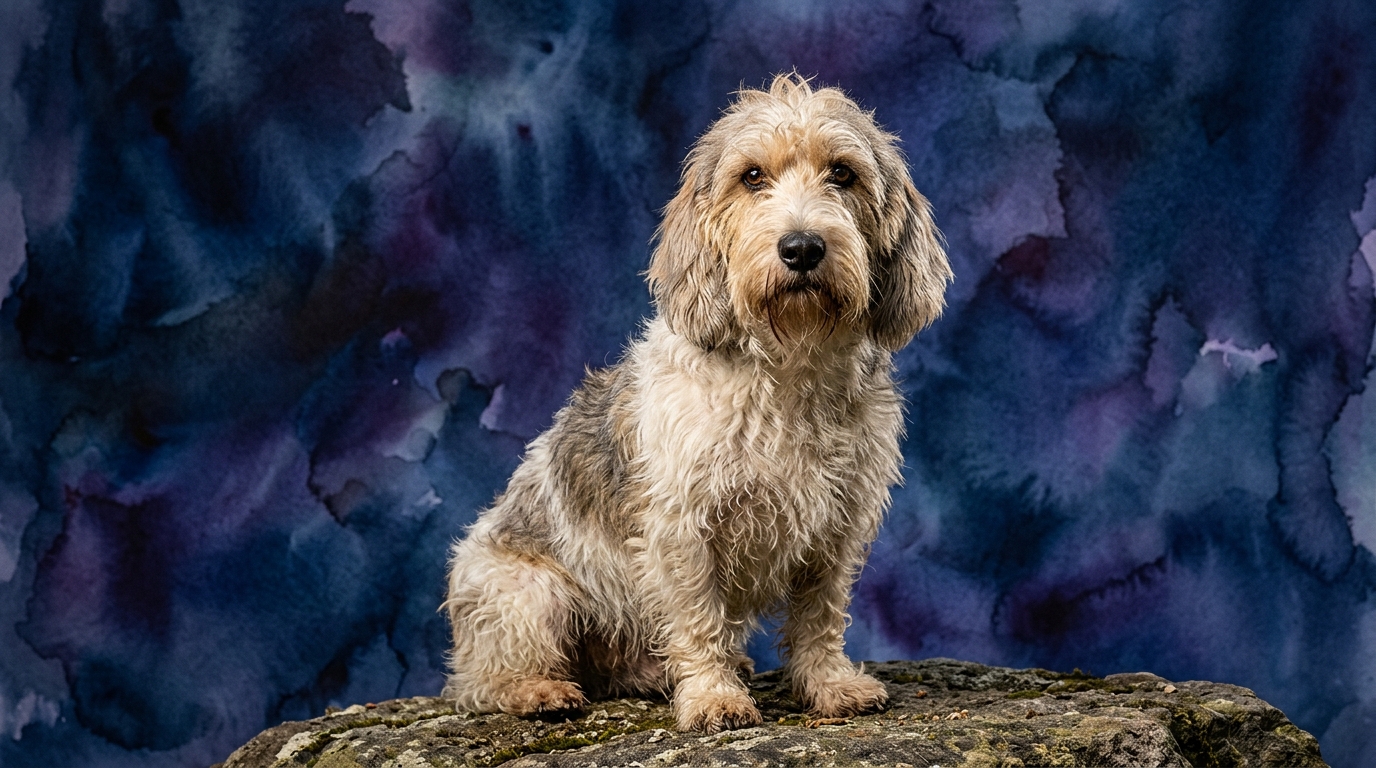
The Petit Basset Griffon Vendéen, a spirited hound, exhibits a cognitive makeup deeply rooted in its hunting heritage. Its Problem Solving at 3/5 often involves adeptly navigating complex outdoor terrain to follow a scent trail, prioritizing independent resolution of tracking challenges over human-directed puzzles. Training Speed, also 3/5, reflects their independence and potential for scent-based distraction, requiring patient, consistent methods to integrate human commands into their self-directed pursuits. Social Intelligence at 3/5 suggests a capacity for pack dynamics, being generally affable with other dogs and familiar people, though their focus might be less on subtle human cues and more on their immediate environment or mission. Their Instinctive Drive, a robust 3/5, is predominantly expressed through an unwavering pursuit of scent and a natural inclination to explore. Memory, scored at 3/5, allows them to retain complex scent patterns and routes, contributing to their effectiveness as a tracking breed, even if recall for a human command might compete with a compelling odor.
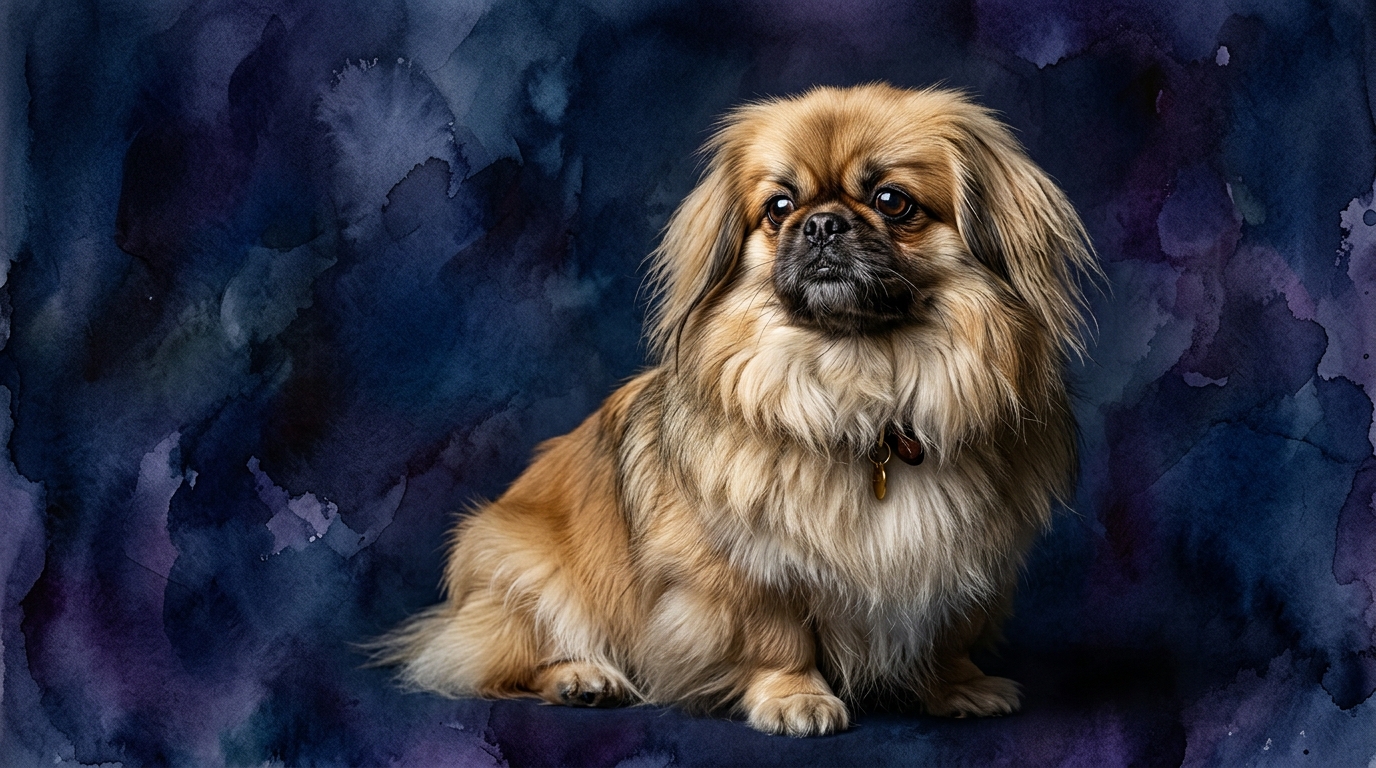
Conversely, the Pekingese, a regal toy companion, processes the world through a lens of comfort and personal preference. Their Problem Solving at 3/5 is typically applied to domestic scenarios, such as ingeniously securing the most comfortable spot or subtly communicating a desire for attention or treats, often manipulating their environment or humans to achieve desired outcomes. Training Speed, also 3/5, is influenced by their independent, sometimes stubborn nature; they learn effectively when motivated but might choose when to comply, making consistency and understanding their personal incentives crucial. Social Intelligence at 3/5 for the Pekingese manifests as deep devotion to their chosen family, observing and responding to their inner circle’s moods, though they can be reserved or aloof with strangers, valuing their personal space. Their Instinctive Drive, also 3/5, is less about prey and more about territoriality and guarding their household, combined with a strong desire for comfort and companionship. Memory at 3/5 allows them to recall routines, preferences of their humans, and past interactions, contributing to their discerning and sometimes particular personality.
Where the Petit Basset Griffon Vendéen Excels Cognitively
The PBGV's cognitive strengths shine brightest in environments that engage their innate hound abilities. Their problem-solving prowess, while rated 3/5, is particularly acute when presented with challenges requiring sustained focus on a sensory input like scent discrimination, such as unraveling a complex trail in varied terrain. They demonstrate a remarkable capacity for independent decision-making in the field, often making strategic choices about which path to take or how to overcome an obstacle while tracking, showcasing a practical, self-directed form of intelligence. This ability to maintain a singular focus despite distractions, driven by instinct, allows them to excel in tasks that demand persistence and a deep engagement with their environment, rather than immediate human instruction.
Where the Pekingese Excels Cognitively
The Pekingese, with its 3/5 cognitive scores, demonstrates its unique intellectual strengths within the confines of a home and its cherished human relationships. Their social intelligence, while rated 3/5, is exceptionally tuned to the nuanced emotional states and routines of their immediate family, allowing them to anticipate needs or respond to subtle cues that might go unnoticed by more independent breeds. Their problem-solving, also 3/5, often involves devising clever strategies to secure comfort, attention, or preferred resources within the household, showcasing an intelligence geared towards personal well-being and influencing their domestic environment. They possess a discerning memory for human preferences and household dynamics, allowing them to navigate social situations with a quiet confidence and often a touch of charming manipulation.
Training Aptitude: Patience is Key for Both
When it comes to training speed, both breeds are rated 3/5, indicating a moderate level of ease, but the nature of the challenge differs significantly. Training a Petit Basset Griffon Vendéen requires an understanding of their deep-seated hound instincts. They are perfectly capable of learning commands, but their strong scent drive means that a compelling smell can instantly override any command, making recall particularly challenging in distracting environments. Consistent, positive reinforcement, combined with engaging their natural instincts in training (like scent games), is crucial to building a strong working relationship. Their independence means they often need to understand the 'why' behind a command, or at least perceive it as beneficial or fun, rather than simply complying out of a desire to please. Owners must be prepared for moments of selective hearing when a fascinating scent is present.
The Pekingese, despite its 3/5 training speed, presents its own set of unique training considerations. Their Coren rank of #77 (out of 79) suggests that while they can learn, their willingness to perform obedience tasks on command is often low. This isn't due to a lack of understanding, but rather a strong sense of self-will and a preference for doing things on their own terms. Training success with a Pekingese hinges on making the process highly rewarding, often through food motivation or by framing commands as their idea. They can be quite stubborn, and attempts at harsh correction are likely to result in resistance rather than compliance. Building trust and making training a positive, low-pressure experience is vital, recognizing that their obedience is often a gesture of affection rather than an automatic response.
Matching Canine Minds to Lifestyles
The Petit Basset Griffon Vendéen thrives with active owners who appreciate their spirited nature and are prepared for their boundless energy and vocal enthusiasm. They are an excellent match for individuals or families who enjoy long hikes, exploring varied outdoor terrains, or participating in dog sports like scent work or earthdog trials, which engage their natural instincts. Owners must be patient with their independent streak and possess a good sense of humor for their sometimes boisterous antics, providing ample mental and physical stimulation to prevent boredom. A PBGV's cognitive landscape is best stimulated by opportunities to explore and follow their nose, making them ideal for those who embrace an adventurous lifestyle.
In contrast, the Pekingese is best suited for more relaxed households that can appreciate a devoted, discerning indoor companion. They are ideal for individuals or families seeking a loyal presence who enjoys comfortable surroundings and shorter, leisurely strolls rather than strenuous activities. Owners must value a dog with a strong, independent personality and be content with a profound bond forged through quiet companionship and mutual respect, rather than constant activity. A Pekingese's cognitive strengths are best nurtured in an environment where they feel secure, can observe household dynamics, and are cherished as a central, albeit sometimes opinionated, member of the family unit.
The Verdict: When to Choose Each
The Verdict
Choose the Petit Basset Griffon Vendéen if you seek an engaging, independent hound who thrives on outdoor exploration and scent-based challenges, offering lively companionship to an active household. Their cognitive zest is best met with opportunities for adventure and consistent, patient guidance.
Opt for the Pekingese if you desire a loyal, discerning companion who prefers indoor comforts and offers profound affection to their chosen family, requiring an owner who respects their independent spirit. Their nuanced domestic intelligence flourishes in a stable, loving environment.
🧠 Find Your Pet's IQ Score
Our Pet IQ Lab assessment covers 25+ tests across 5 cognitive dimensions — personalized to your breed.
Take the Full IQ Test →Frequently Asked Questions
Are Petit Basset Griffon Vendéens difficult to train?
PBGVs are moderately challenging to train due to their independence and strong scent drive, which can lead to distractions. Success requires consistent, positive reinforcement and making training engaging to their natural instincts.
Do Pekingese enjoy mental games or puzzles?
Yes, Pekingese can enjoy mental stimulation, but often on their own terms, preferring puzzles that lead to comfort or treats. They also find satisfaction in observing and subtly influencing household routines, demonstrating their unique problem-solving abilities.
Which breed is more adaptable to new environments?
The Petit Basset Griffon Vendéen, due to its hound nature and love for exploration, generally adapts well to varied outdoor settings and new adventures. The Pekingese, conversely, tends to prefer stable, familiar indoor environments where they feel secure and can maintain their routines.