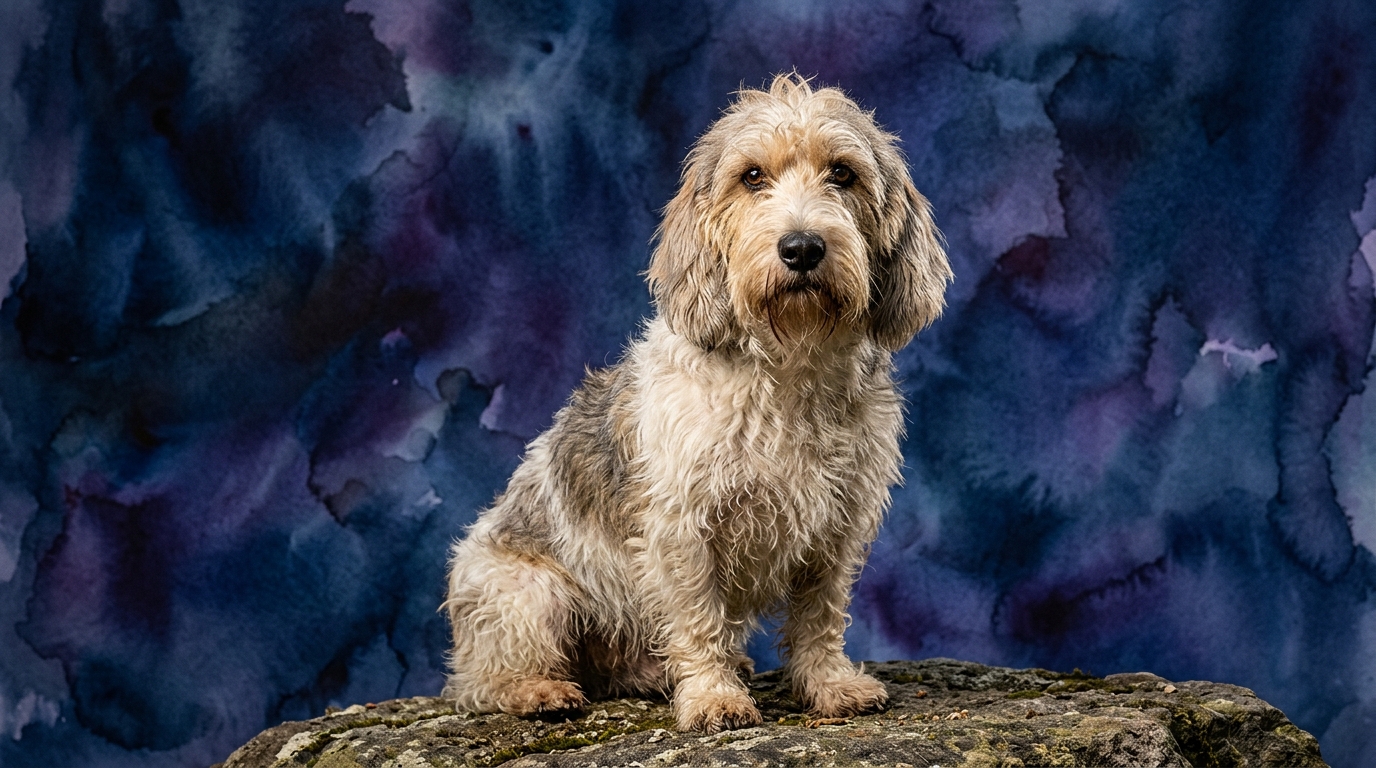
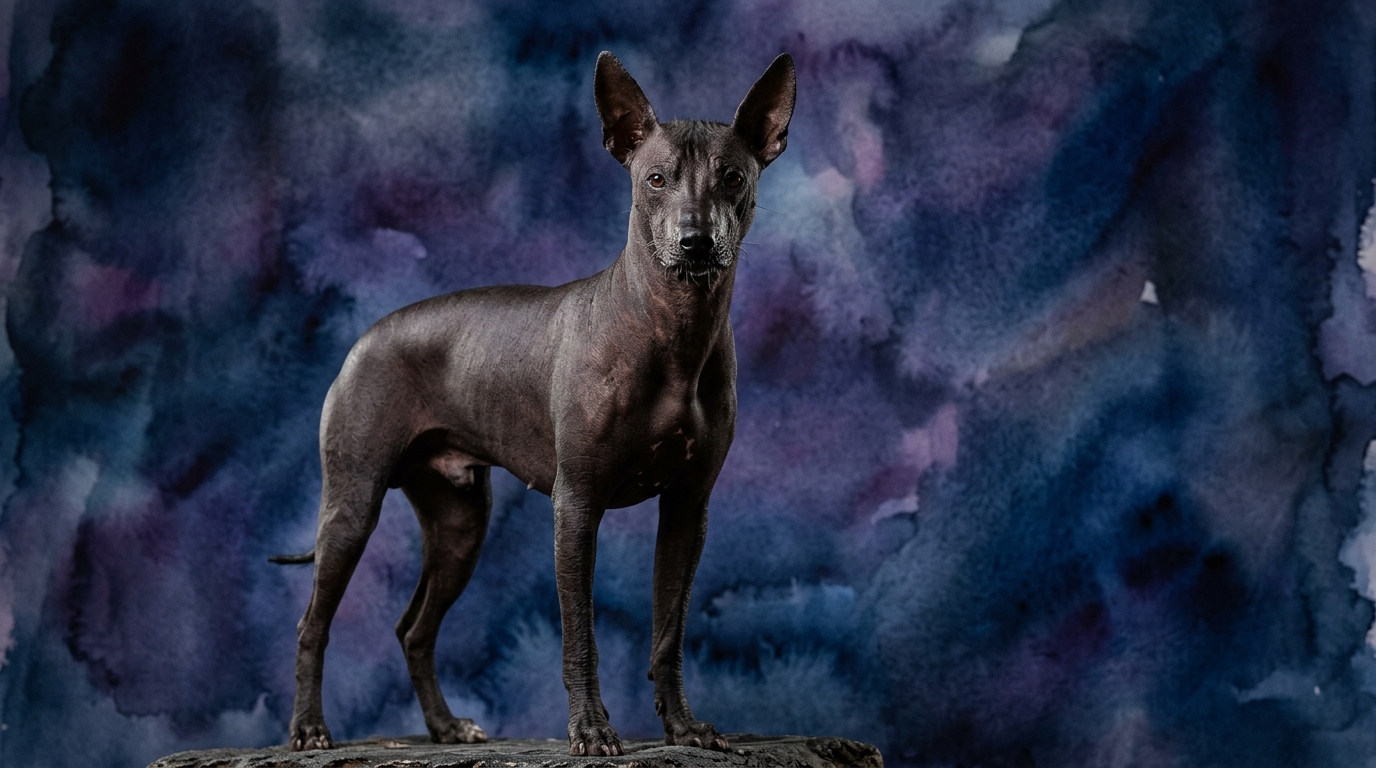
Side-by-Side Cognitive Profile: PBGV vs. Xoloitzcuintli
While both breeds register a consistent 3/5 across all our cognitive dimensions, understanding how these scores manifest uniquely in each breed requires a deeper look into their historical roles and inherent temperaments. It's not about one being 'smarter,' but how their specific forms of intelligence are expressed.
For the Petit Basset Griffon Vendéen, their **Problem Solving (3/5)** score reflects a resourceful hunter, adept at independently navigating complex outdoor environments to track small game. Their solutions often involve persistence in overcoming physical obstacles, whether it's finding a scent trail or outsmarting a childproof gate to reach a desired location.
Their **Training Speed (3/5)** indicates a capacity for learning, but their independent hound nature means they process instructions through the lens of 'what’s in it for me,' often requiring engaging, positive reinforcement to maintain focus. External distractions, especially compelling scents, can easily sidetrack a training session.
PBGVs' **Social Intelligence (3/5)** is geared towards pack dynamics and boisterous interaction within their family. They are skilled at reading human cues to elicit attention or treats, displaying an understanding of social leverage within their familiar circle, though their approach can be less subtle than some breeds.
A strong **Instinctive Drive (3/5)** underscores their potent hunting heritage, characterized by an unwavering scent drive, a desire to explore, and a characteristic enthusiasm for outdoor pursuits. This drive isn't just about prey; it's about engaging with the world primarily through their nose and voice, constantly seeking new sensory information.
Finally, their **Memory (3/5)** is solid, particularly for established routines, favored people, and especially for successful past behaviors, good or mischievous. They recall where they last found an interesting scent or how they previously managed to snag a forbidden snack, applying this recall to future endeavors.
Turning to the Xoloitzcuintli, their **Problem Solving (3/5)** ability often stems from an observational nature and deep bond with their human companions. They excel at figuring out household routines, anticipating events, or subtly manipulating situations to gain affection or comfort, rather than solving physical challenges in the wild.
Their **Training Speed (3/5)** suggests they are moderately quick learners, but their sensitive temperament means training success hinges on positive, gentle, and consistent methods. Xolos are less prone to distraction by external scents than a PBGV, but can become bored with repetitive drills or shut down if training feels harsh, demanding a patient and understanding approach.
The Xolo's **Social Intelligence (3/5)** is characterized by profound loyalty and an almost intuitive understanding of their family's moods and needs. While often reserved with strangers, they form deep, empathetic bonds with their chosen humans, reading subtle body language and emotional shifts with remarkable accuracy, making them highly attuned companions.
A 3/5 in **Instinctive Drive** for the Xolo reflects a strong protective instinct towards their family and home, coupled with a moderate prey drive for small vermin. They are alert and watchful, performing their ancient role as guardians and companions with a natural athleticism that allows for bursts of speed and agility, rather than sustained, focused hunting.
Xolos possess a strong **Memory (3/5)**, particularly for people, routines, and experiences, both positive and negative. They recall past interactions vividly, contributing to their deep bonds with family and their cautiousness with new people or situations, demonstrating a capacity for long-term emotional recall.
Where the Petit Basset Griffon Vendéen Wins Cognitively
While both breeds score identically, the PBGV's cognitive strengths distinctly align with their working heritage. A PBGV excels in persistent, independent problem-solving within dynamic, sensory-rich outdoor environments. Their historical role required them to make swift decisions on their own, tracking a scent through varied terrain without constant human direction. This translates to an impressive ability to focus on a scent trail for extended periods, ignoring distractions that would deter other breeds, and a keen resourcefulness in navigating obstacles in pursuit of a perceived goal.
Whether it's finding a dropped treat under the sofa or following an interesting smell down the block, their cognitive tenacity is remarkable. They demonstrate a unique blend of curiosity and determination, constantly processing new olfactory information and adapting their strategy to reach their objective. This isn't just about brute force; it's about a sophisticated, scent-driven information processing system that allows them to map and remember complex routes and targets based on a cascade of smells. Their memory, a 3/5, is particularly strong in recalling these sensory details and successful past strategies, making them adept at repeating behaviors that yielded a desired outcome, for better or worse.
Where the Xoloitzcuintli Wins Cognitively
Conversely, the Xoloitzcuintli's cognitive strengths shine in the realm of subtle social understanding and environmental awareness within their established family unit. Their ancient role as revered companions and guardians fostered a heightened sensitivity to human emotions and household dynamics. A Xolo's problem-solving, also a 3/5, often manifests as an astute ability to anticipate their human's next move or to subtly communicate their own needs through nuanced body language.
They are masters of observation, quickly learning household routines and identifying patterns, often positioning themselves strategically to be close to their loved ones or to alert them to changes in their environment. Their social intelligence, a 3/5, is characterized by a deep, almost intuitive bond with their family members, allowing them to pick up on slight shifts in mood or tension that might go unnoticed by other breeds. This isn't just about reading cues; it's about an empathetic connection that allows them to offer comfort or adjust their behavior in response to human emotional states. Their memory, also 3/5, is particularly strong for personal interactions and long-term relationships, contributing to their profound loyalty and cautious nature with strangers, as they recall past experiences vividly.
Training Dynamics: A Tale of Two Approaches
Given their identical 3/5 training speed, neither the PBGV nor the Xoloitzcuintli presents an inherently 'easier' path to training; rather, they demand different approaches tailored to their distinct behavioral profiles. The Petit Basset Griffon Vendéen's training journey is often a lively negotiation with their deeply ingrained hound instincts. While they are capable learners, their independent spirit and powerful scent drive mean they are easily distracted by compelling smells or outdoor stimuli. A PBGV needs training sessions to be consistently engaging, varied, and highly rewarding, relying heavily on positive reinforcement and treats to capture and maintain their attention. Their boundless energy and boisterous nature can make impulse control a significant challenge, requiring patient and persistent effort to teach them to override their urges to chase or vocalize. Training success with a PBGV often means finding ways to channel their natural drives into acceptable activities, like scent work or agility, rather than attempting to suppress them entirely.
The Xoloitzcuintli, on the other hand, while equally capable of learning, requires a training approach that respects their inherent sensitivity and strong will. They are less prone to scent distractions but can become quickly bored with repetitive drills or shut down entirely if methods are harsh or inconsistent. Xolos thrive on positive reinforcement, clear communication, and a gentle hand. Their reserved nature with strangers means early and extensive socialization is paramount to prevent shyness or reactivity, ensuring they learn to comfortably navigate the wider world. Unlike the PBGV's outward enthusiasm, a Xolo's response might be more subtle; they internalize experiences deeply, meaning negative training experiences can have lasting impacts on their trust and willingness to engage. Their loyalty and desire to please their family can be a strong motivator, but only when trust is firmly established and maintained through fair and consistent guidance. Ultimately, both breeds require dedicated, knowledgeable owners, but the PBGV demands an owner who can outwit a scent-driven adventurer, while the Xolo needs an owner who can build a secure, trusting bond with a sensitive, discerning companion.
Lifestyle Match: Active Explorers vs. Devoted Companions
The choice between a PBGV and a Xoloitzcuintli often comes down to the owner's lifestyle and their preferred level and type of activity. The Petit Basset Griffon Vendéen is unequivocally suited for active owners who relish outdoor adventures and are prepared for a dog with an abundance of energy and a relentless desire to explore. Their history as hunting hounds means they thrive on extensive daily exercise, including long walks, hikes, and opportunities for off-leash running in secure areas where they can indulge their powerful sniffing instincts. They are not content to be couch potatoes; a bored PBGV can quickly become a destructive or vocal one, channeling their cognitive energy into mischief. Owners who enjoy dog sports like agility, tracking, or rally will find a willing and enthusiastic partner in a PBGV, as these activities tap directly into their problem-solving and instinctive drives, providing essential mental and physical stimulation. They require an owner who understands and can manage their independent, boisterous nature and provide consistent engagement.
The Xoloitzcuintli, while athletic and capable of bursts of speed and play, can accommodate a slightly broader range of lifestyles, but still requires attentive ownership. They are generally better suited for owners who appreciate a balance of activity and quiet companionship. Xolos need regular exercise to maintain their physical condition and mental well-being, including daily walks or jogs, and opportunities for play in a secure yard. However, unlike the PBGV's constant 'on-the-go' mentality, a Xolo is often content to curl up with their family after their exercise needs are met, enjoying quiet companionship. They are less driven by the urge to constantly explore external environments and more by their bond with their human family. This makes them suitable for active owners who include their dog in their runs or hikes, but also for more relaxed owners who can provide structured playtime, regular walks, and ample indoor interaction. Their need for mental stimulation often revolves around interaction with their family, training, and puzzle toys, rather than endless outdoor sniffing expeditions.
The Verdict
Choose a Petit Basset Griffon Vendéen if you are an active, outdoorsy individual or family who enjoys a persistent, independent, and often humorous companion, and are prepared to engage their strong scent drive and boisterous personality with consistent training and ample outdoor activity.
Opt for a Xoloitzcuintli if you seek a deeply loyal, sensitive, and discerning companion who thrives on close family bonds, appreciates routine, and requires an owner committed to gentle, positive training and early socialization to nurture their calm yet alert nature.
🧠 Find Your Pet's IQ Score
Our Pet IQ Lab assessment covers 25+ tests across 5 cognitive dimensions — personalized to your breed.
Take the Full IQ Test →Frequently Asked Questions
Do PBGVs and Xolos really have the same intelligence?
While both breeds received identical 3/5 scores across our Pet IQ Lab dimensions, these scores represent a moderate capacity that manifests differently. The PBGV's intelligence is geared towards independent, persistent hunting and outdoor problem-solving, while the Xolo's excels in social sensitivity, observation, and deep bonding within its family unit.
Which breed is better for a first-time dog owner?
Neither breed is typically recommended for a completely novice owner without prior research and commitment, as both require specific training approaches and management of their unique temperaments. However, a Xolo might be slightly more manageable for a dedicated first-timer willing to invest in early socialization and positive reinforcement due to their less overwhelming outdoor drive compared to the PBGV.
How do their different drives impact their daily life?
The PBGV's strong instinctive drive means a daily life centered around scent exploration, vocal expression, and vigorous outdoor activity, requiring constant engagement to prevent boredom. The Xolo's drive manifests as alertness, loyalty, and a need for secure bonding, leading to a more reserved demeanor with strangers and a strong desire to be close to their family, balancing activity with quiet companionship.