Side-by-Side Cognitive Profile: Identical Scores, Distinct Minds
At first glance, the Pharaoh Hound and Miniature Pinscher appear to share an identical cognitive blueprint, each scoring a solid 3/5 across all five intelligence dimensions. However, these identical scores belie a rich tapestry of behavioral and instinctual differences, where the 'how' of their intelligence is far more telling than the 'what' of their scores.
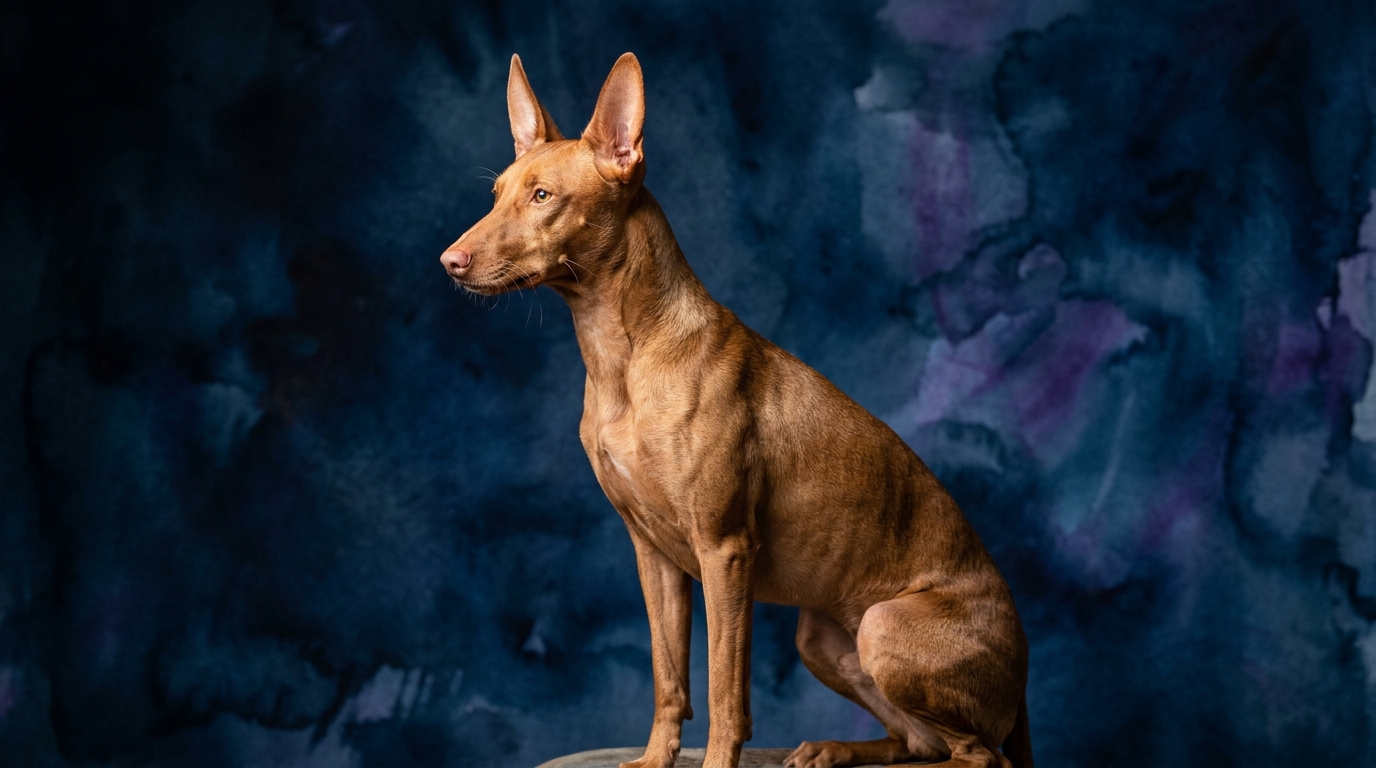
The **Pharaoh Hound**, a dignified sighthound, expresses its **Problem Solving (3/5)** through spatial awareness and strategic pursuit, excelling at mapping environments and predicting the movement of prey. Their **Training Speed (3/5)** is moderate, influenced by an independent nature that requires motivation aligning with their intrinsic sighthound drives, rather than mere compliance. Their **Social Intelligence (3/5)** manifests as a reserved yet perceptive understanding of human cues, forming deep bonds with family but showing aloofness towards strangers. A powerful **Instinctive Drive (3/5)** for chasing and hunting is central to their being, while their **Memory (3/5)** is strong for learned routines, commands, and geographical layouts.
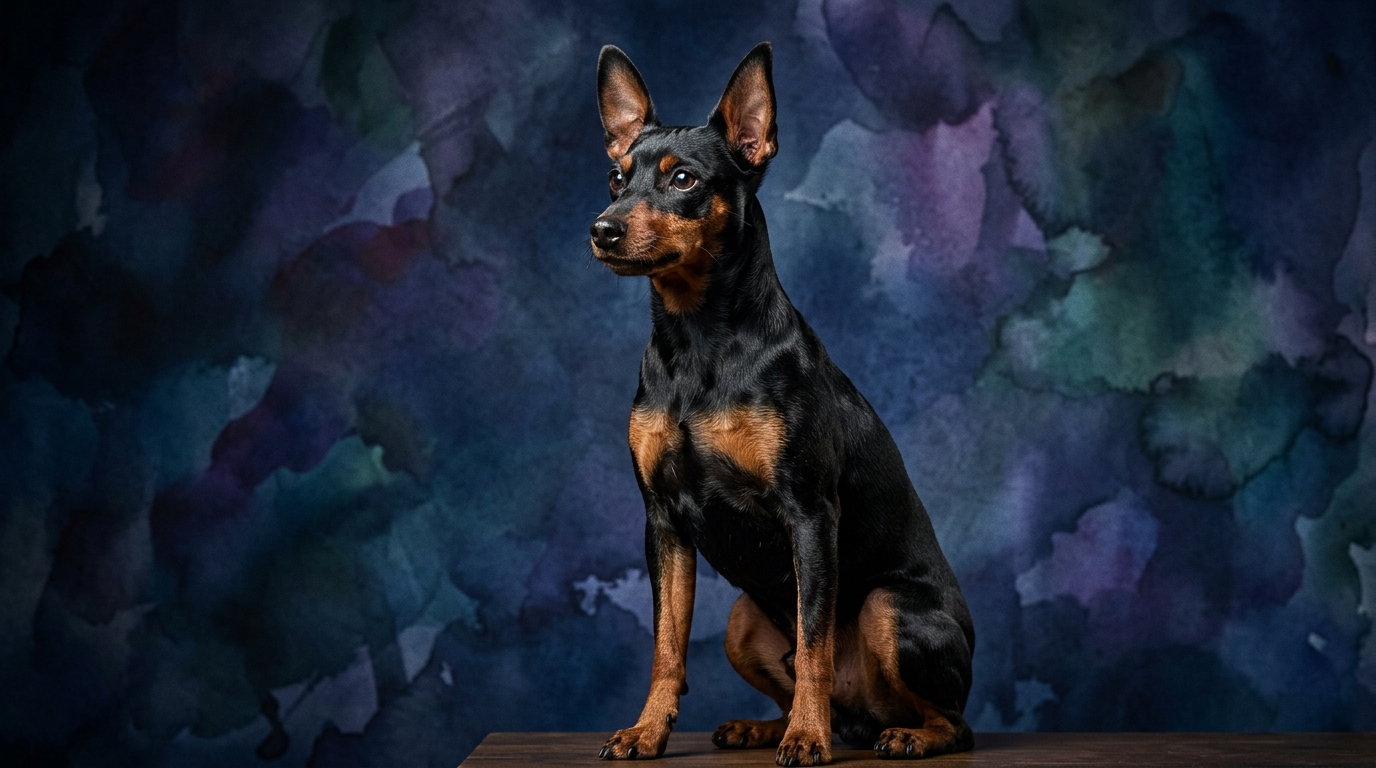
The **Miniature Pinscher**, a bold toy breed, showcases its **Problem Solving (3/5)** through determined resourcefulness in navigating its immediate environment, often finding inventive ways to achieve a desired outcome. Their **Training Speed (3/5)** is also moderate, but success often hinges on an engaging approach that appeals to their assertive, sometimes stubborn, personality. With **Social Intelligence (3/5)**, Min Pins are highly observant of household dynamics, using their understanding to communicate needs, though their confidence means they might prioritize their own agenda. Their robust **Instinctive Drive (3/5)** includes a strong prey drive for vermin and a territorial guarding impulse, fueling their vigilant nature. Finally, their **Memory (3/5)** allows them to recall routines, where treats are hidden, and past interactions, contributing to consistent behaviors.
Where the Pharaoh Hound Cognitively Excels
While both breeds share a 3/5 score for Problem Solving, the Pharaoh Hound’s cognitive strengths often shine in scenarios demanding spatial awareness and independent decision-making over vast distances. Their ancestral role as sighthounds means they are adept at processing visual cues rapidly and formulating chase strategies that account for terrain, speed, and trajectory. This manifests as an innate ability to 'map' their environment and predict movement, a highly specialized form of problem-solving distinct from the Min Pin's more localized, object-oriented approach. Their Memory, also 3/5, is particularly strong in recalling geographical layouts and successful hunting patterns, making them excellent navigators in open spaces and quick to remember the best routes.
Where the Miniature Pinscher Cognitively Excels
Conversely, the Miniature Pinscher, also scoring 3/5 in Problem Solving, often exhibits its cognitive prowess in more intricate, close-quarters situations. Their robust Instinctive Drive (3/5), rooted in vermin control, fuels a relentless determination to overcome immediate physical barriers or outmaneuver household challenges. This might involve an inventive approach to accessing a hidden toy or figuring out how to get attention, demonstrating a cunning persistence. Their Social Intelligence (3/5) allows them to keenly observe human routines and exploit perceived loopholes, making them masters of subtle manipulation within a domestic setting, a skill less pronounced in the more reserved Pharaoh Hound.
Training Dynamics: Pharaoh Hound vs. Miniature Pinscher
Despite both breeds registering a 3/5 for Training Speed, the practical experience of training each can differ considerably, largely due to their distinct motivations and temperaments. The Pharaoh Hound's independent nature and deep Instinctive Drive mean training success hinges on making tasks inherently rewarding and engaging their sighthound instincts. They respond well to positive reinforcement that feels like a game or a partnership, but can become aloof if training is repetitive or lacks perceived purpose from their perspective. Their Social Intelligence often means they understand what is asked, but their compliance is often conditional on their own assessment of the value of the task.
The Miniature Pinscher, with its bold and assertive personality, also requires engaging, positive reinforcement. However, their training challenges often stem from their strong-willed nature and tendency towards independent thought, sometimes described as 'stubbornness.' They learn quickly but may choose to 'unlearn' or ignore commands if they perceive a better alternative or if consistency falters. Training a Min Pin often feels like a constant negotiation, requiring a confident handler who can make learning more appealing than their own independent agenda, leveraging their sharp Memory to reinforce desired behaviors consistently.
Matching Cognition to Lifestyles: Active vs. Relaxed Owners
When considering owner lifestyles, both breeds present distinct requirements that extend beyond their identical IQ scores. The Pharaoh Hound, despite its elegant appearance, is an active sighthound built for bursts of speed and endurance. Its 3/5 Instinctive Drive mandates regular opportunities for running in secure, expansive areas where it can express its natural chasing behaviors. Owners who enjoy long, vigorous walks, secure off-leash running, or participation in dog sports like lure coursing will find their Pharaoh Hound thrives. A relaxed owner might struggle with providing the necessary outlets for their physical and mental energy, which could lead to restlessness and unwanted behaviors.
The Miniature Pinscher, while small, is far from a sedentary lapdog. Its 3/5 Instinctive Drive and energetic temperament mean it requires consistent daily exercise, including walks and engaging playtime. They are also mentally stimulated by learning new tricks and participating in agility or obedience training, benefiting from owners who enjoy interactive play and mental challenges. While they don't require the same vast running spaces as a Pharaoh Hound, their need for mental engagement and physical activity means they are best suited for owners who are active and enjoy interactive companionship, rather than those seeking a perpetually calm, relaxed presence. Their Problem Solving and Memory are constantly at work, making mental stimulation as important as physical activity.
The Verdict
Choose a Pharaoh Hound if you are an active owner who appreciates an independent yet deeply loyal companion, offering ample secure space for them to express their sighthound instincts and engage in quiet, intelligent partnership.
Opt for a Miniature Pinscher if you seek a confident, spirited companion who thrives on consistent engagement, mental stimulation, and an owner capable of firm yet positive guidance for their assertive intelligence.
🧠 Find Your Pet's IQ Score
Our Pet IQ Lab assessment covers 25+ tests across 5 cognitive dimensions — personalized to your breed.
Take the Full IQ Test →Frequently Asked Questions
Are Pharaoh Hounds difficult to train?
Pharaoh Hounds have a 3/5 training speed, meaning they learn at a moderate pace. Their independence means successful training requires engaging methods, positive reinforcement, and understanding their sighthound motivations, rather than expecting eager-to-please compliance.
Do Miniature Pinschers make good apartment dogs?
Miniature Pinschers can adapt to apartment living if their significant exercise and mental stimulation needs are consistently met. Their 3/5 instinctive drive and energetic nature mean daily walks, playtime, and training are crucial to prevent boredom and destructive behaviors, despite their small size.
How do the social behaviors of these breeds differ with identical social intelligence scores?
While both score 3/5 in social intelligence, Pharaoh Hounds tend to be more reserved with strangers, forming deep bonds within their family and reading cues subtly. Miniature Pinschers are often more outgoing and confident, using their social understanding to assert their needs and engage actively with their environment and people.