Side-by-Side IQ Profile: Unpacking Identical Scores
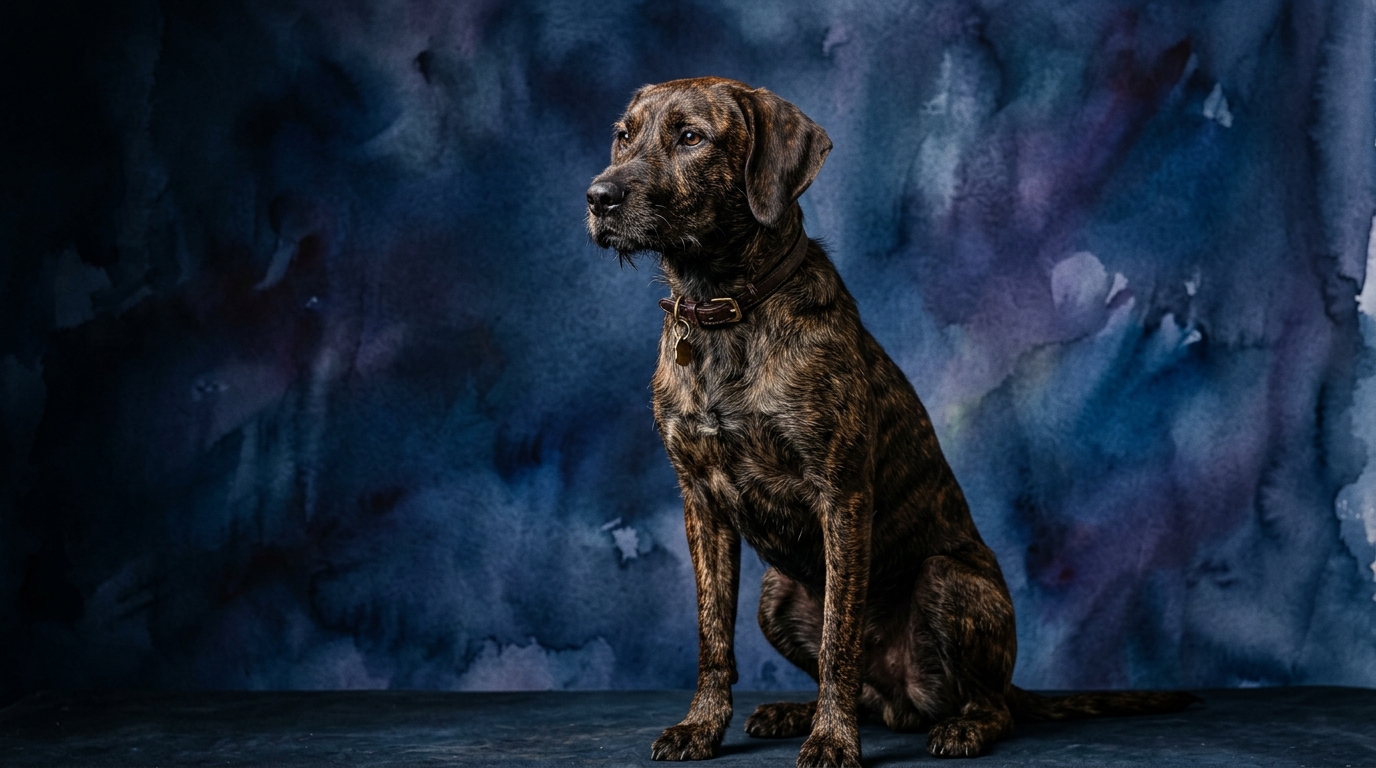
While both the Plott Hound and the Chow Chow are rated 3/5 across Problem Solving, Training Speed, Social Intelligence, Instinctive Drive, and Memory, the manifestation of these traits is profoundly shaped by their unique breed histories and purposes. For the Plott Hound, a tenacious scenthound, their Problem Solving (3/5) often involves intricate strategies for tracking game through varied terrain, navigating obstacles, and interpreting complex scent trails. Their Training Speed (3/5) reflects an ability to learn commands, particularly those related to their working tasks, but can be tempered by their independent nature and strong focus on scent. Social Intelligence (3/5) for a Plott Hound typically manifests as strong pack bonds with their human family and cooperative behavior in group settings, understanding subtle cues within their immediate circle. Their Instinctive Drive (3/5) is overwhelmingly dominated by their powerful scenting and pursuit instincts, a relentless focus on the hunt. Finally, their Memory (3/5) is exceptional for recalling specific trails, learned hunting patterns, and the locations of past successes.
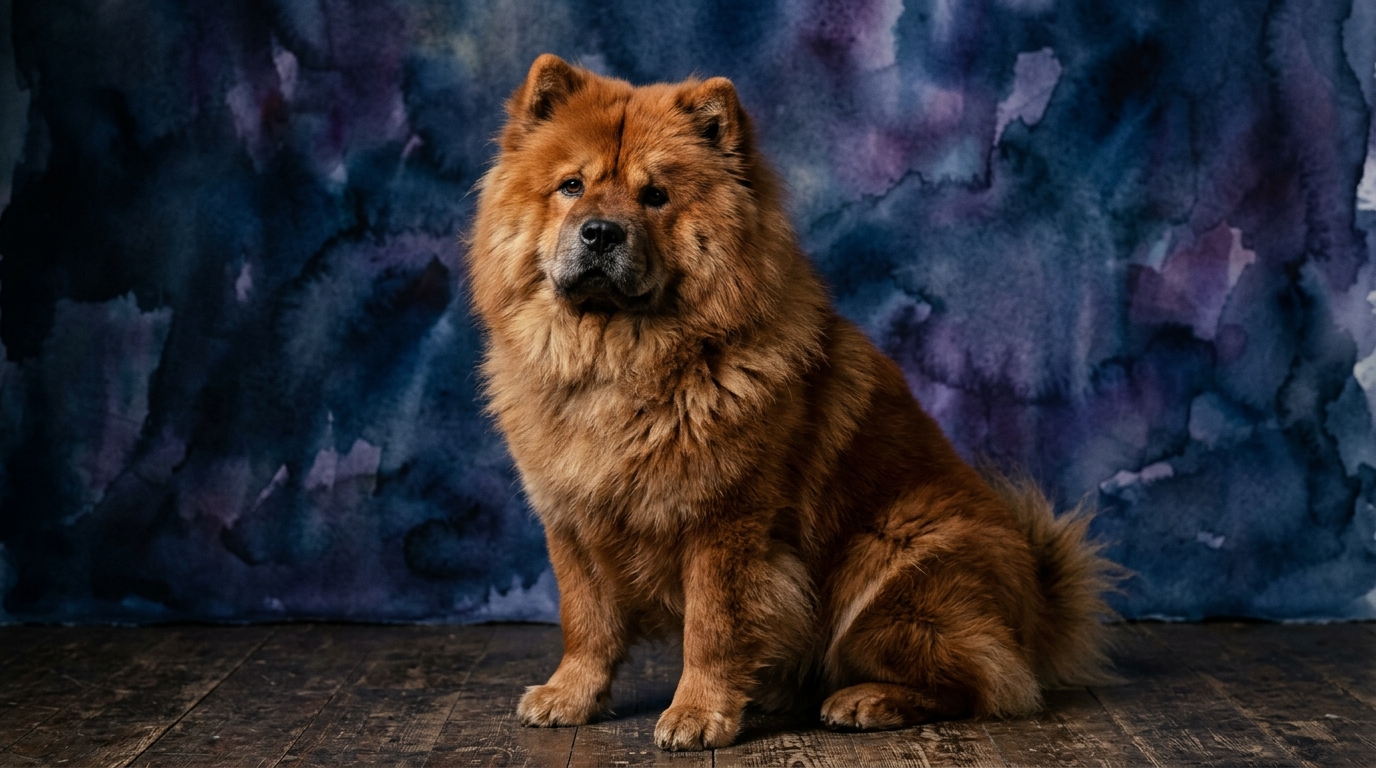
The Chow Chow, an ancient breed originally developed for guarding and companionship, exhibits these same scores through an entirely different lens. Their Problem Solving (3/5) typically involves assessing environmental factors, discerning threats, and making independent decisions about their personal space and family security. This is less about active pursuit and more about observational judgment. Their Training Speed (3/5) is influenced by their strong-willed, often aloof nature; they can learn, but require significant patience and consistent motivation, often showing little desire to please for its own sake. Social Intelligence (3/5) in a Chow Chow is characterized by a discerning loyalty to their chosen few, often displaying aloofness towards strangers, and a clear understanding of social boundaries. Their Instinctive Drive (3/5) is rooted in their guardian instincts, territoriality, and a strong sense of self-preservation. Their Memory (3/5) is long-lasting for routines, boundaries, and particularly for individuals they deem trustworthy or untrustworthy, remembering interactions with remarkable clarity.
Where the Plott Hound Wins Cognitively
The Plott Hound's cognitive strengths shine brightest in scenarios requiring sustained, focused engagement with a sensory task, particularly those involving scent. Their problem-solving aptitude for untangling complex olfactory puzzles, such as following a faint trail over diverse landscapes or differentiating between multiple scents, is a clear advantage. This breed demonstrates a superior ability to maintain concentration on a singular, long-term objective, even when faced with distractions, a testament to their deep-seated hunting heritage. Furthermore, their social intelligence, while rated similarly, often translates into a more overtly cooperative and communicative interaction style when engaged in a shared activity. They tend to be more responsive to direct guidance during tasks, thriving in environments where their human companion provides clear direction and works alongside them towards a goal. Their adaptability in new, outdoor environments, quickly processing and utilizing sensory information to navigate and achieve objectives, is a distinct cognitive asset.
Where the Chow Chow Wins Cognitively
The Chow Chow's cognitive advantages are rooted in their independent nature and guardian role. They excel in observational intelligence, demonstrating a keen ability to assess situations and individuals with a discerning eye. Their problem-solving is often expressed through independent decision-making, particularly in matters of security or personal boundaries, rather than relying on constant human input. This breed exhibits a remarkable capacity for self-sufficiency, capable of managing their environment and routines without continuous supervision, a trait stemming from their historical role as a general-purpose working dog. Their memory, while rated equivalently, is particularly strong for established routines, territorial boundaries, and long-term recognition of individuals, whether friend or perceived foe. This allows them to maintain a consistent behavioral framework within their defined space. The Chow Chow's social intelligence, though appearing aloof, allows them to accurately gauge trustworthiness and intention, making them shrewd judges of character in a way that differs from the Plott Hound's more overtly gregarious pack-oriented social skills.
Which is Easier to Train, and Why?
Despite identical 3/5 scores in Training Speed, the Plott Hound is generally considered easier to train for a wider array of tasks compared to the Chow Chow, largely due to fundamental differences in motivation and temperament. Plott Hounds, while independent, possess a strong desire to work and engage with their handlers, especially when tasks align with their natural instincts, like scent work. They respond well to positive reinforcement, praise, and the opportunity to use their innate abilities, making them more receptive to commands and eager to participate in structured learning. Their pack mentality, even if directed towards humans, fosters a cooperative spirit.
The Chow Chow, conversely, often presents a greater training challenge. Their inherent independence and strong-willed nature mean they typically lack the intrinsic desire to please their human companions that many other breeds possess. Training a Chow Chow requires immense patience, consistency, and a deep understanding of their unique motivations. They are less likely to perform a command simply because it is asked of them, often requiring a clear, tangible reason or benefit. Their aloofness can be misinterpreted as stubbornness, but it is often a reflection of their self-sufficient mindset. This means that while they are capable of learning, the process is usually slower and demands a more nuanced, less conventional approach from the trainer.
Which Suits Active Owners vs. Relaxed Owners?
The choice between a Plott Hound and a Chow Chow also hinges significantly on an owner's lifestyle and activity levels. Plott Hounds are unequivocally suited for active owners. Their robust instinctive drive and history as working dogs mean they require considerable physical exercise and mental stimulation, especially outlets for their powerful scenting abilities. Owners who enjoy hiking, scent work, or other outdoor activities will find a Plott Hound to be an enthusiastic and tireless companion. Without adequate physical and mental engagement, a Plott Hound can become restless and potentially destructive, channeling their unused energy into less desirable behaviors. They thrive in environments where they have a job to do, or at least a consistent routine of vigorous activity.
The Chow Chow, on the other hand, aligns better with more relaxed owners, though this does not imply a lack of mental engagement. While they have lower physical exercise requirements than a Plott Hound, often content with moderate walks, their independent and discerning nature demands consistent, clear boundaries and mental stimulation to prevent boredom and potential behavioral issues. Relaxed owners willing to invest time in consistent, patient training and socialization, who appreciate a more self-contained companion, will find the Chow Chow a suitable fit. They are not typically dogs for spontaneous adventures but prefer routine and a calm environment where their watchful nature can be comfortably expressed. Their lower energy needs make them more adaptable to apartment living, provided their specific social and mental needs are met.
The Verdict
Choose a Plott Hound if you are an active individual or family seeking a cooperative, scent-driven companion eager for outdoor adventures and structured tasks, embracing their robust energy.
Opt for a Chow Chow if you prefer a more independent, discerning companion with lower physical exercise needs, valuing loyalty to a select few and prepared for patient, consistent training.
🧠 Find Your Pet's IQ Score
Our Pet IQ Lab assessment covers 25+ tests across 5 cognitive dimensions — personalized to your breed.
Take the Full IQ Test →Frequently Asked Questions
Do Plott Hounds make good family pets?
Yes, Plott Hounds can be wonderful family pets, known for forming strong bonds with their human 'pack.' They are generally good with children, especially if raised with them, and thrive in an active home that can provide consistent exercise and mental stimulation to satisfy their working dog instincts.
Are Chow Chows difficult to socialize?
Chow Chows can be challenging to socialize due to their naturally reserved and discerning nature. Early and consistent positive socialization is crucial to help them develop appropriate responses to strangers and other animals, though they may always retain a degree of aloofness compared to more gregarious breeds.
Which breed is better for first-time dog owners?
Neither breed is typically recommended for first-time dog owners without significant dedication to research and training. The Plott Hound's high energy and strong prey drive require experienced handling, while the Chow Chow's independent and strong-willed temperament demands a patient, consistent, and confident owner experienced with assertive breeds.