A Side-by-Side Look at Their Cognitive Dimensions
The Cosmic Pet Pet IQ Lab assesses canine intelligence across five key dimensions: Problem Solving, Training Speed, Social Intelligence, Instinctive Drive, and Memory. For both the Plott Hound and the German Pinscher, every single one of these metrics registers a solid 3 out of 5. While these identical numerical scores might suggest cognitive parity, the *nature* of their intelligence, and how it manifests in daily life, is colored by their ancestral roles.
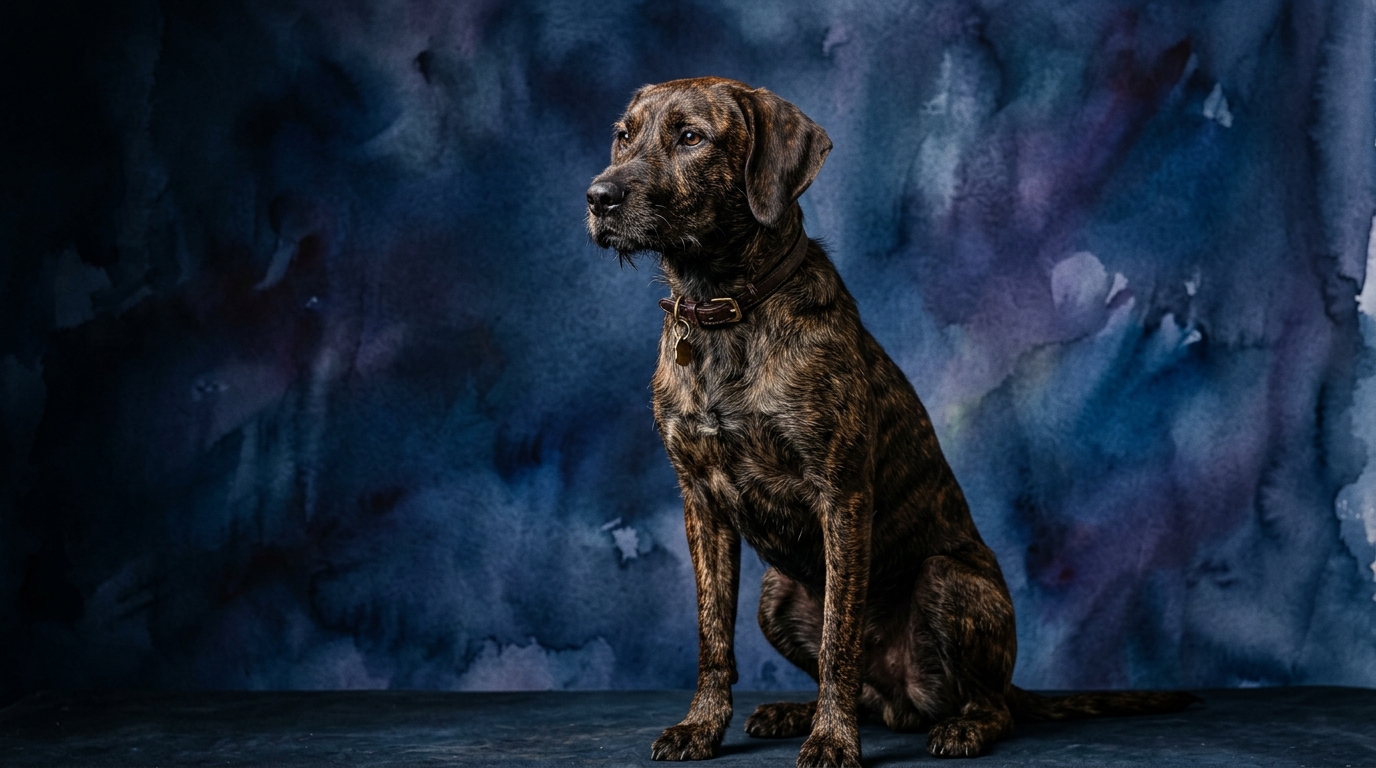
The Plott Hound, a tenacious hunting dog from the mountains of North Carolina, exhibits its 3/5 Problem Solving by independently navigating complex terrains and tracking elusive game, often making decisions far from human guidance. Its 3/5 Training Speed reflects its ability to learn intricate scent discrimination and tracking patterns, though formal obedience might require more patience due to its independent spirit. Social Intelligence at 3/5 means it forms strong bonds within its 'pack,' be it human or canine, and understands pack dynamics, while its 3/5 Instinctive Drive is overwhelmingly focused on scent work and the chase. Its 3/5 Memory is particularly adept at recalling complex scent trails and the locations of game.
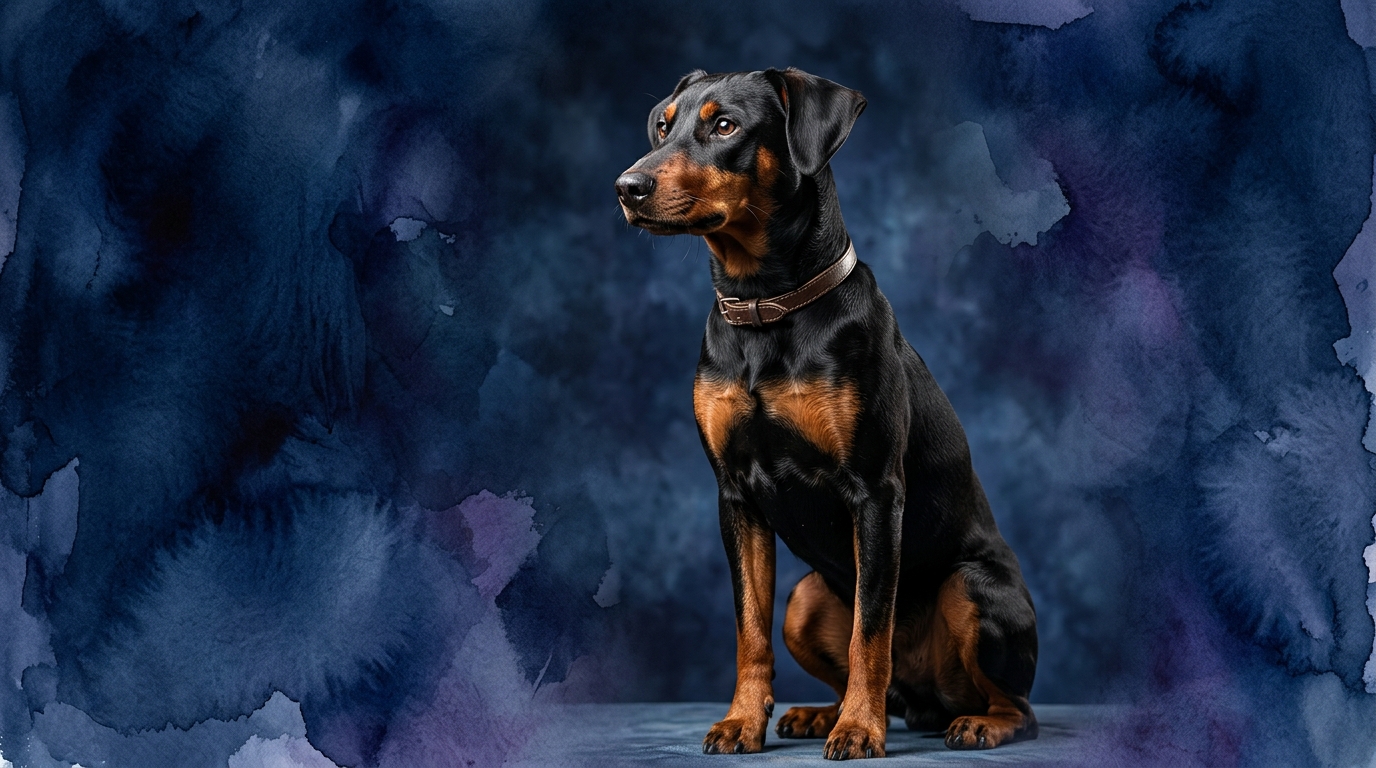
Conversely, the German Pinscher, a versatile working and guardian breed from Germany, applies its 3/5 Problem Solving to tasks like figuring out how to manage perceived threats or outsmarting vermin, often involving quick assessment and decisive action. Its 3/5 Training Speed is typically seen in its readiness to learn and execute commands for protection, obedience, or agility, valuing structure and direction. Social Intelligence at 3/5 points to its strong loyalty and protective instincts towards its primary human family, often being discerning with strangers. The 3/5 Instinctive Drive for the German Pinscher encompasses vigilance, guarding, and a strong prey drive for small animals. Its 3/5 Memory is evident in its reliable recall of commands, routines, and identifying familiar versus unfamiliar individuals or situations.
Where the Plott Hound's Cognition Shines
Despite sharing the same numerical IQ scores, the Plott Hound's cognitive strengths are deeply rooted in its heritage as a big-game hunter. Its 3/5 problem-solving ability is exceptionally specialized for the wilderness, demonstrating remarkable ingenuity in following a cold trail, navigating obstacles in dense underbrush, or locating a treed animal. This isn't about solving a puzzle toy in a living room; it's about persistent, independent, life-or-death decision-making in the field, often working autonomously for extended periods. This breed's 3/5 memory truly excels in retaining intricate scent patterns and geographical layouts encountered during a hunt, allowing them to retrace steps or remember productive areas. Their instinctive drive, also a 3/5, is singularly powerful when it comes to scenting and tracking, providing an unparalleled focus that can make them tireless workers in their chosen pursuit. For tasks demanding intense, self-directed olfactory investigation and endurance, the Plott Hound's specific application of its cognitive attributes gives it an edge.
Where the German Pinscher's Cognition Excels
The German Pinscher, with its working and guarding background, channels its 3/5 cognitive abilities into different, yet equally impressive, domains. Its 3/5 problem-solving is particularly effective in domestic and structured environments, such as quickly understanding household rules, figuring out how to alert its owner to an intruder, or mastering complex agility courses. This breed’s 3/5 training speed is often demonstrated by a keen willingness to engage with its handler, absorbing commands for obedience, protection work, or competitive sports with a focused intensity. They tend to be highly receptive to consistent training methods, making them quick learners in structured settings. The German Pinscher's 3/5 social intelligence is characterized by a deep loyalty and protective instinct towards its immediate family, allowing it to discern threats and respond appropriately, making it an astute guardian. Their 3/5 memory is excellent for retaining a wide repertoire of commands and understanding complex routines, which contributes to their reliability and responsiveness as a working companion. For owners seeking a dog that thrives on clear direction, purposeful tasks, and family protection, the German Pinscher's cognitive strengths are particularly well-suited.
Training Dynamics: Plott Hound vs. German Pinscher
When considering ease of training, the identical 3/5 Training Speed scores for both breeds can be misleading without understanding their behavioral predispositions. The German Pinscher, as a working breed, generally exhibits a higher degree of handler-focus. They often possess a strong desire to please their primary human, coupled with a natural alertness and responsiveness that makes them quite amenable to formal obedience training. Their instinctive drive, while protective, also includes a drive for purposeful activity and mental engagement under human direction, making them eager participants in learning new commands and routines. Consistency, positive reinforcement, and clear expectations typically yield impressive results with a German Pinscher, who thrives on structure.
The Plott Hound, on the other hand, while equally capable of learning (3/5 Training Speed), approaches training with a different mindset. Their deep-seated instinctive drive (3/5) for scent work often means their attention is primarily directed outwards, towards environmental stimuli, rather than solely on their handler. This independence, crucial for their hunting role, can translate into a perceived stubbornness in conventional obedience. Training a Plott Hound requires immense patience, understanding of their powerful olfactory world, and often incorporating scent-based activities to keep them engaged. While they can learn commands, their motivation might be less about pleasing and more about satisfying their inherent drives. Therefore, while both are trainable, the German Pinscher is generally considered 'easier' in the context of traditional obedience due to its intrinsic handler-orientation, whereas the Plott Hound demands a trainer who can work *with* its powerful hunting instincts rather than against them.
Lifestyle Match: Active Enthusiasts vs. Those Seeking Calm
Neither the Plott Hound nor the German Pinscher is a suitable companion for a relaxed, sedentary owner; both breeds demand significant physical and mental engagement. The Plott Hound, with its boundless stamina and powerful instinctive drive (3/5) for tracking, absolutely thrives with active, outdoors-oriented individuals or families. They require extensive daily exercise, ideally involving opportunities for scent work, long hikes, or structured tracking activities that allow them to utilize their natural talents. An owner who understands and embraces the Plott's hunting heritage will find a devoted, tireless partner. Without appropriate outlets for their energy and mental stimulation, they can become restless and destructive, making them ill-suited for a truly relaxed household.
The German Pinscher also requires an active lifestyle, but their energy can be channeled into a more diverse range of activities. While they certainly enjoy vigorous exercise like running, hiking, or playing, their working background means they also benefit greatly from structured mental challenges such as obedience training, agility, or engaging puzzle toys. Their protective instincts (3/5 Social Intelligence, 3/5 Instinctive Drive) mean they thrive on having a 'job' and being an integral part of their family's daily life. They are not content to simply lounge; they need purpose and interaction. Therefore, both breeds are for active owners, but the Plott Hound leans towards those who relish outdoor, scent-driven adventures, while the German Pinscher is better suited for owners who enjoy varied activities, structured training, and value a vigilant, interactive companion.
The Verdict: When to Choose Each Intelligent Companion
The Verdict
Choose the Plott Hound if you are an active, outdoorsy individual or family deeply invested in scent work, tracking, or providing ample opportunities for independent exploration in a secure environment.
Opt for the German Pinscher if you desire a versatile, vigilant working companion who thrives on structured training, diverse activities, and a close, protective bond with their human family.
🧠 Find Your Pet's IQ Score
Our Pet IQ Lab assessment covers 25+ tests across 5 cognitive dimensions — personalized to your breed.
Take the Full IQ Test →Frequently Asked Questions
Are Plott Hounds good with children?
Plott Hounds can be good family dogs with proper socialization and training from a young age. Their high energy and strong prey drive mean they need supervision with very young children and clear boundaries.
Do German Pinschers make good apartment dogs?
While German Pinschers are medium-sized, they are not ideal apartment dogs due to their high energy levels, need for mental stimulation, and protective barking tendencies. They thrive in homes with secure yards and active owners.
What kind of mental stimulation do these breeds need?
Plott Hounds benefit immensely from scent work, tracking games, and long 'sniff walks.' German Pinschers thrive on obedience training, agility, puzzle toys, and any activity that gives them a 'job' to do.