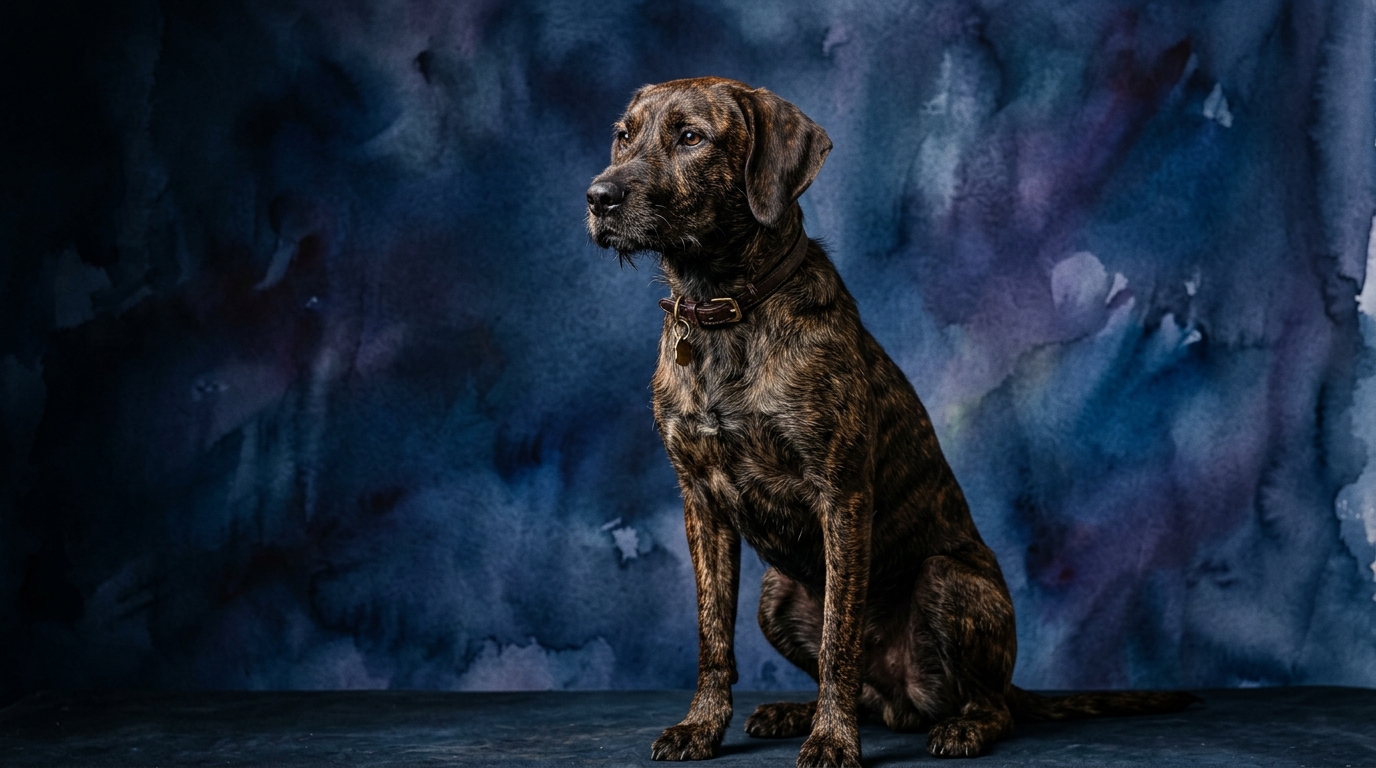
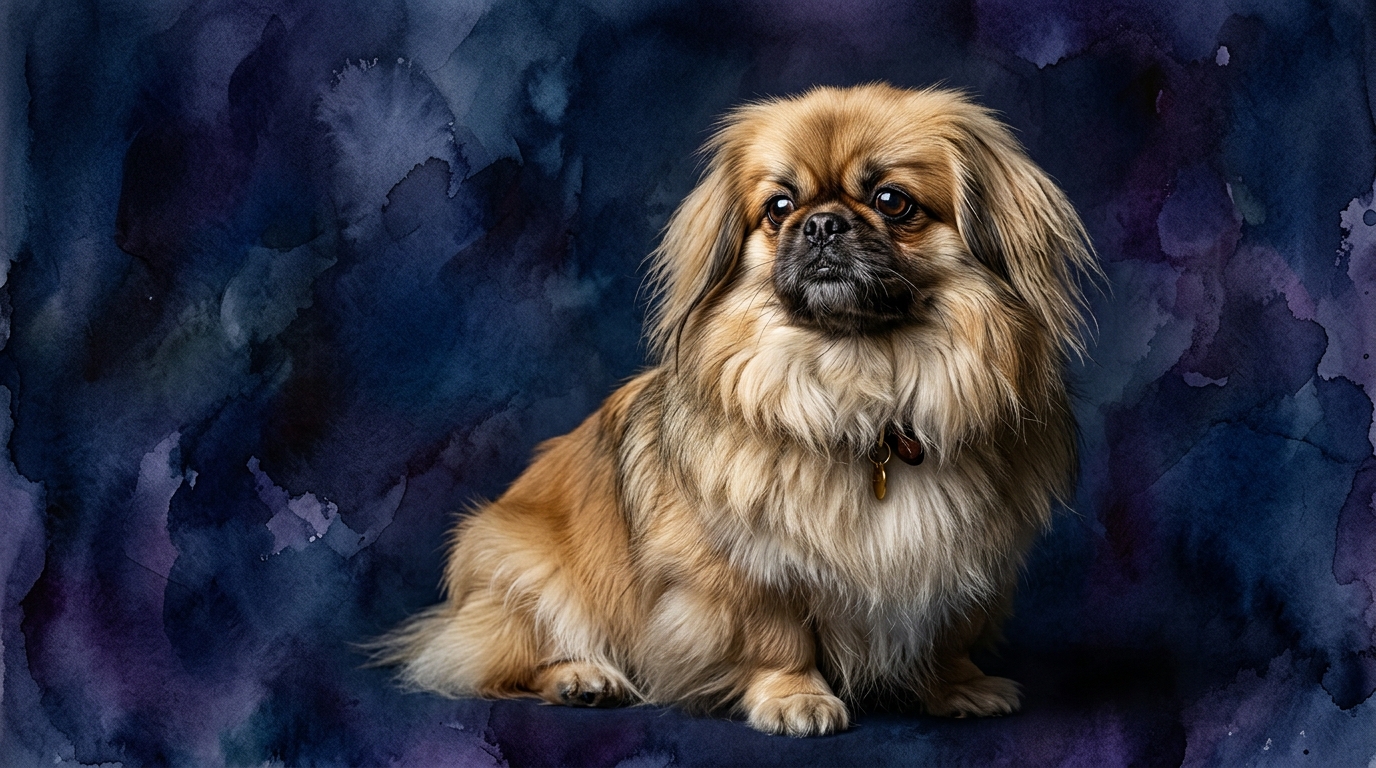
Side-by-Side Cognitive Profiles: Plott Hound vs. Pekingese
The Pet IQ Lab assesses canine cognition across five crucial dimensions: Problem Solving, Training Speed, Social Intelligence, Instinctive Drive, and Memory. Intriguingly, both the Plott Hound and the Pekingese register a consistent 3/5 across all these metrics, suggesting an average capacity within the broader canine spectrum. However, understanding their breed-specific application of these scores is key to appreciating their distinct cognitive strengths.
For the Plott Hound, a breed developed for tracking big game, Problem Solving (3/5) is less about abstract puzzles and more about practical environmental navigation. This manifests as an ability to untangle complex scent trails, negotiate challenging terrain, and strategize routes to locate quarry, showcasing persistence and focus. Training Speed (3/5) indicates they can learn, but their independent, task-oriented nature often means they prioritize a compelling scent over human commands, requiring consistent, engaging methods. Social Intelligence (3/5) allows them to form strong bonds within their 'pack' and interpret cues relevant to hunting cooperation, though their primary focus often remains on their work. Their Instinctive Drive (3/5) is profoundly rooted in their powerful olfactory senses and an unwavering desire to pursue, which acts as a primary cognitive engine. Memory (3/5) is exceptionally strong for recalling specific scent patterns, geographical landmarks, and successful hunting strategies, vital for their specialized role.
The Pekingese, a breed cherished for centuries as a companion, applies its cognitive capacities differently. Their Problem Solving (3/5) often involves manipulating their environment or their humans to achieve comfort or attention, such as finding the most strategic napping spot or subtly signaling desires. Training Speed (3/5), as reflected by their Coren rank of #77, means they require more repetitions and consistent motivation, often exhibiting an independent streak if they don't see the immediate benefit. Social Intelligence (3/5) is highly developed for reading human emotions and household dynamics, allowing them to form deep, often exclusive, bonds with their chosen people and communicate their needs effectively. Their Instinctive Drive (3/5) is centered on companionship, territorial vigilance, and a strong desire for comfort and security. Memory (3/5) is excellent for routines, remembering preferred individuals, and recalling past interactions, especially those involving treats or affection, which are central to their world.
Cognitive Edge: Where the Plott Hound Excels
The Plott Hound's cognitive strengths are deeply intertwined with its heritage as a working scent hound, giving it distinct advantages in specific domains. One significant area is their unparalleled aptitude for **environmental navigation and persistent tracking**. Their problem-solving capacity, rated at 3/5, shines brightest when applied to complex outdoor scenarios. This isn't about solving human-designed puzzles, but about deciphering intricate scent trails across varied terrains, demonstrating an unwavering focus and strategic route-finding ability that few other breeds can match. They can process and prioritize olfactory information, filtering out distractions to remain locked onto a target scent for extended periods.
Another key cognitive win for the Plott Hound is their exceptional **stamina and unwavering drive in pursuit**. Their instinctive drive, also rated 3/5, translates into an enduring mental fortitude that allows them to maintain high levels of engagement and physical exertion over long durations. This cognitive tenacity means they are not easily deterred by fatigue or minor setbacks, pushing through challenges with a singular purpose. This specialized cognitive endurance is crucial for their historical role and makes them formidable partners in activities requiring sustained effort.
Finally, Plott Hounds demonstrate a superior form of **experiential memory for outdoor environments**. While their general memory score is 3/5, it is particularly acute in recalling specific locations, successful hunting paths, and the nuances of various terrains and weather conditions. This isn't just rote memorization but a dynamic, context-specific recall that allows them to learn from past experiences in the field and apply that knowledge to future tracking endeavors, making them highly effective in their specialized niche.
Cognitive Edge: Where the Pekingese Shines
The Pekingese, with its history as a cherished companion, displays cognitive strengths that are finely tuned for social interaction and navigating the domestic sphere. One area where they distinctly excel is **social persuasion and subtle manipulation**. Their problem-solving abilities (3/5) frequently manifest in their adeptness at reading human cues and employing a variety of tactics, from charming nudges to assertive vocalizations, to achieve their desired outcomes, whether it's an extra treat, prime lap real estate, or simply uninterrupted attention. They are masters at understanding household dynamics and leveraging them to their advantage.
Another significant cognitive advantage for the Pekingese is their **heightened emotional acuity and attunement to human moods**. Their social intelligence (3/5) allows them to be remarkably sensitive to the emotional states of their primary caregivers, often adjusting their own behavior or offering comforting presence without explicit instruction. They possess a keen ability to integrate into and influence the emotional landscape of their human family, demonstrating a profound understanding of interpersonal relationships within their immediate circle.
Furthermore, Pekingese dogs exhibit a specialized form of **territorial awareness and vigilant communication**. While their instinctive drive is 3/5, it strongly encompasses a protective instinct towards their home and chosen people. They are quick to perceive and vocalize about perceived anomalies or intruders, showcasing a sharp cognitive focus on their immediate environment and a readiness to act as effective, albeit small, alarm systems. This vigilance, combined with their memory for routines, ensures they are excellent at noticing when something is amiss in their established domain.
Training Dynamics: Plott Hound vs. Pekingese
When considering ease of training, both breeds present unique challenges, despite their identical 3/5 Training Speed scores. The **Plott Hound's** training experience is largely dictated by its powerful instinctive drive. Their primary cognitive focus is on scent; once they catch a compelling trail, their ability to concentrate on human commands can diminish significantly. This isn't a lack of learning capacity, but a strong internal prioritization. Training requires immense patience, creativity, and highly rewarding motivators to redirect their attention from the environment to the handler. Off-leash reliability is particularly difficult to achieve, as their cognitive reward system is so strongly linked to pursuing scents, often overriding any learned obedience. Their independent nature means they learn best when training feels like a collaboration or a game, rather than strict command-and-response.
The **Pekingese**, on the other hand, presents training challenges rooted in their independent spirit and sometimes selective hearing. Their Coren rank of #77 indicates they generally require more repetitions to grasp new concepts and are less consistent in executing commands without strong, immediate motivation. Their problem-solving skills often translate into figuring out how to *avoid* doing something they don't want to do, or how to get *you* to do what *they* want. Success in training hinges on positive reinforcement, understanding their preference for comfort and treats, and making sessions short and engaging. While they can learn a wide range of commands, their compliance is often linked to their mood or perceived benefit, requiring an owner who can be both patient and persuasive, leveraging their social intelligence to foster cooperation.
Lifestyle Match: Active Owners vs. Relaxed Companionship
The cognitive and physical needs of these two breeds naturally align with very different owner lifestyles. The **Plott Hound** is unequivocally suited for active owners. Their high instinctive drive and robust physical endurance demand a household that can provide extensive opportunities for exercise, mental stimulation, and exploration. They thrive when given a 'job' or an outlet for their natural scenting abilities, such as hiking, scent work classes, or even just long, engaging walks where they can follow their nose. An owner who understands and respects their hound nature, providing consistent outdoor engagement and mental challenges, will find a deeply rewarding partnership.
Conversely, the **Pekingese** is an ideal match for more relaxed owners. While they appreciate short, leisurely strolls and indoor play, their physical exercise requirements are moderate. Their cognitive strengths are centered around companionship and navigating a comfortable home environment, making them content with indoor living and being the focal point of their human's attention. They are perfectly suited for individuals or families who desire a devoted, charming, and sometimes opinionated lapdog, appreciating their presence in a calm and predictable domestic setting where their social intelligence and comfort-seeking problem-solving can flourish.
The Verdict
Choose the Plott Hound if you seek an adventurous, dedicated partner for outdoor pursuits, scent work, or a home where their tenacious spirit and physical endurance can be fully engaged.
Opt for the Pekingese if you desire a loyal, charming, and relatively low-energy companion who thrives on close human interaction and can bring a spirited presence to a relaxed home environment.
🧠 Find Your Pet's IQ Score
Our Pet IQ Lab assessment covers 25+ tests across 5 cognitive dimensions — personalized to your breed.
Take the Full IQ Test →Frequently Asked Questions
Are Plott Hounds good family dogs?
Yes, Plott Hounds can be wonderful family dogs, often forming strong, loyal bonds with their human 'pack.' Their social intelligence allows them to integrate well, though their energy and independent nature mean they need consistent training and ample engagement to be polite and well-adjusted household members, especially around children.
Do Pekingese bark a lot?
Pekingese can be prone to barking, particularly due to their territorial awareness and alert nature, which is a manifestation of their instinctive drive and social intelligence. They use vocalization to signal perceived threats or express their desires, making them effective, though sometimes persistent, watchdogs.
How do their '3/5' cognitive scores compare to other breeds?
While both breeds score 3/5 across all dimensions in our lab, indicating an average cognitive capacity, this doesn't mean their intelligence is identical to all other 'average' breeds. Their breed-specific drives and historical roles dictate *how* these capabilities are applied; a Plott Hound's 3/5 Problem Solving focuses on tracking, whereas a Pekingese's focuses on domestic navigation and social interaction.