Side-by-Side IQ Profile: Pointer vs. Coton de Tuléar
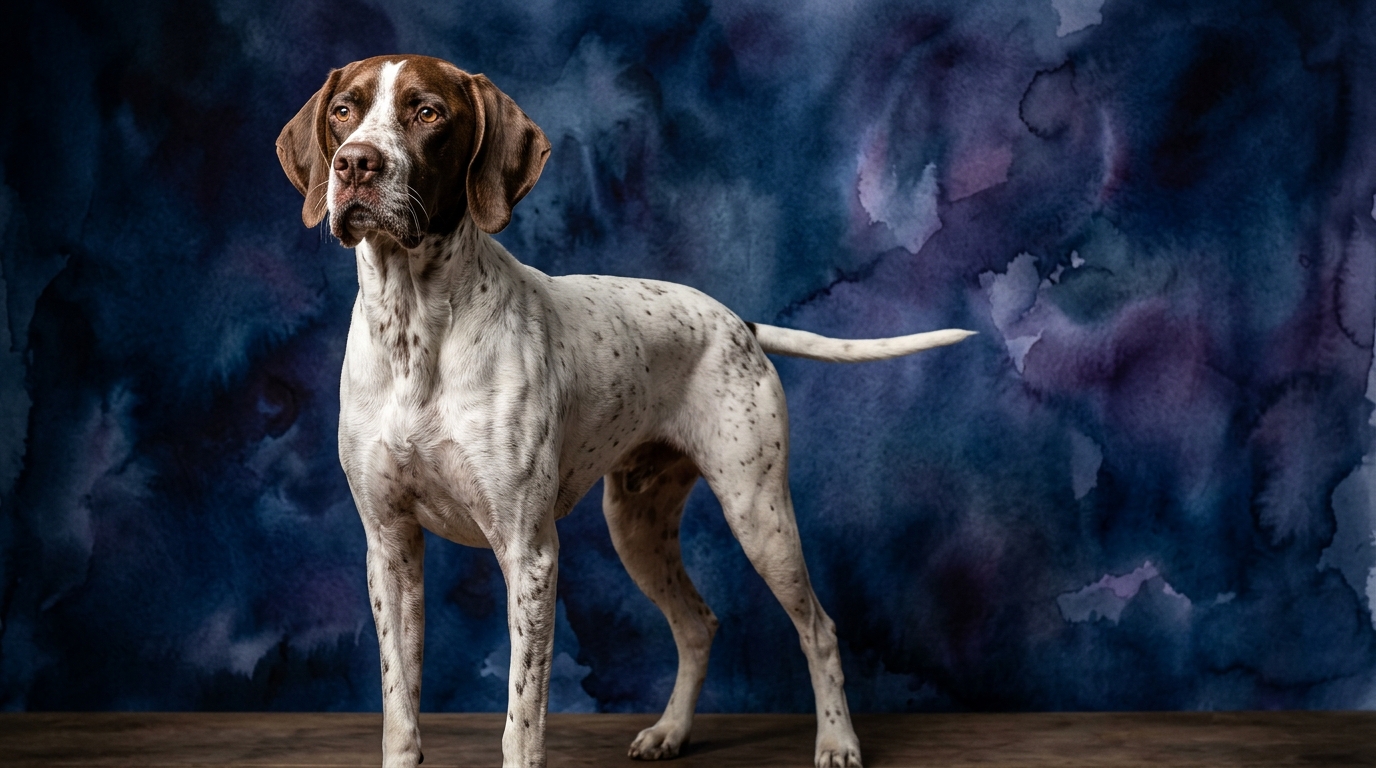
As a quintessential Sporting breed, the Pointer's 3/5 Problem Solving manifests most prominently in tasks demanding sustained focus and methodical deduction, particularly when a keen sense of smell is involved. This includes intricate scent discrimination, navigating complex outdoor environments to locate hidden "game," or solving multi-step retrieve challenges. Their 3/5 Training Speed signifies a moderate pace in acquiring new commands, often learning quickly when the instruction aligns with their powerful intrinsic motivation for seeking and pointing. However, maintaining their concentration amidst the myriad distractions of a field environment requires exceptionally consistent direction, clear cues, and a handler who understands their drive. Social Intelligence at 3/5 means they are highly attuned to their handler's signals, body language, and vocal inflections, fostering a cooperative working partnership crucial for effective field performance or advanced obedience. Their Instinctive Drive, a robust 3/5, is largely consumed by their extraordinary scenting ability and an unwavering, almost obsessive, urge to quarter fields and "point" game, a deeply ingrained behavioral sequence that defines their purpose. Memory at 3/5 allows them to recall intricate training sequences, the precise location of previously encountered scents, and complex learned routines, all vital for efficient and reliable performance during extended periods in the field.
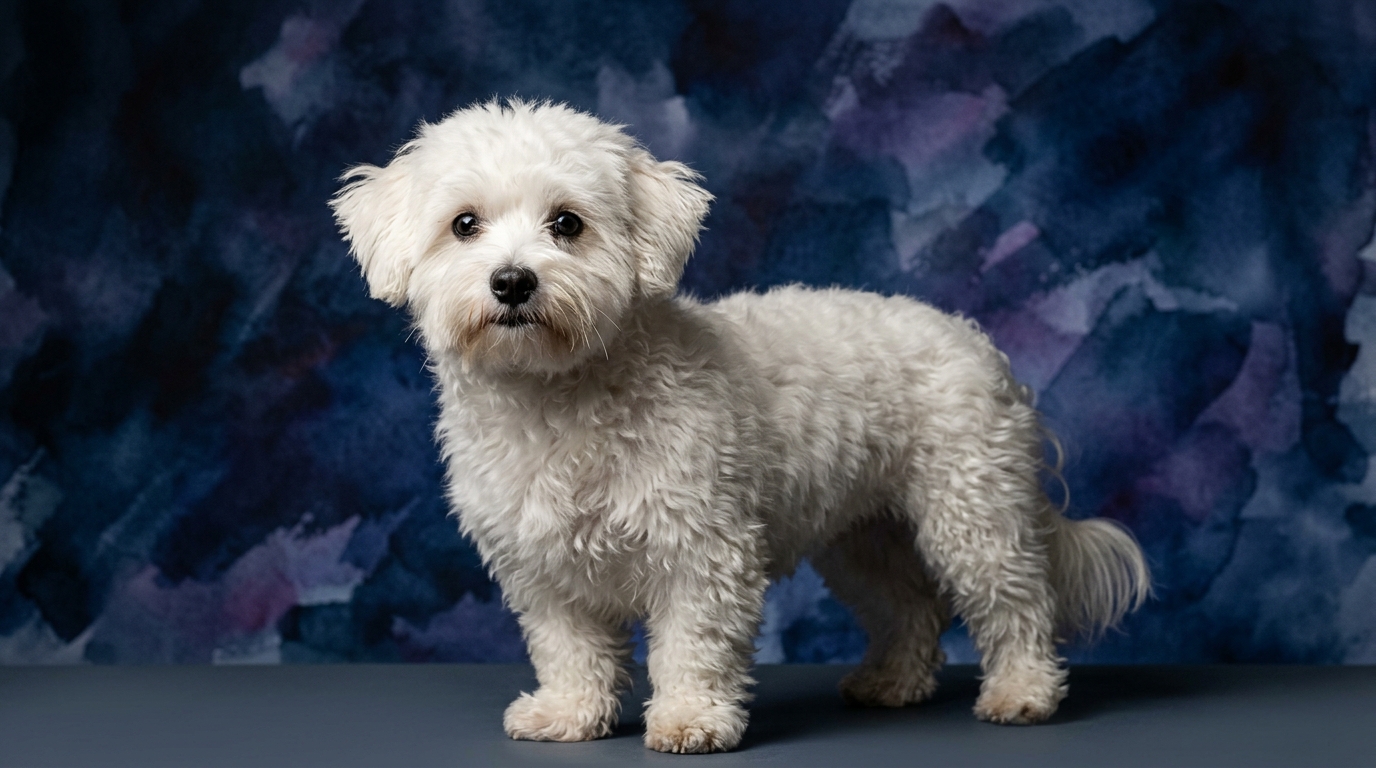
The Coton de Tuléar, a charming Non-Sporting companion breed, exhibits its 3/5 Problem Solving through clever, often charming, strategies to engage family members. This can include creatively manipulating toys to initiate play, discerning the most effective ways to solicit attention, or figuring out access to preferred cozy spots around the house. Their 3/5 Training Speed reflects a moderate pace in mastering household manners and learning a repertoire of tricks, often highly motivated by positive reinforcement, praise, and a strong desire for human interaction. While generally eager, they can display a charming independent streak if they perceive the task as unrewarding or repetitive. Social Intelligence at 3/5 means they are remarkably perceptive to human emotions, subtle shifts in mood, and the overall dynamics within their family, often adapting their own behavior to comfort a distressed owner or to participate quietly in family moments, solidifying their role as sensitive emotional support companions. Their Instinctive Drive, also 3/5, is primarily expressed as an intense need for companionship and interaction rather than a prey drive, manifesting as a playful zest for life, an eagerness to be involved in all family activities, and a strong bond with their human "pack." Memory at 3/5 ensures they rapidly assimilate household routines, recognize familiar faces and places, and retain a vast repertoire of learned behaviors and social cues, contributing significantly to their renowned adaptability within any family setting.
Where the Pointer Wins Cognitively
The Pointer's cognitive strengths distinctly lie in its profound capacity for sustained, goal-oriented work, particularly in expansive, stimulating outdoor environments. Its problem-solving acumen is specifically honed for complex scent discrimination, analyzing environmental cues, and navigating varied terrains efficiently to locate a target, a specialized skill set that far surpasses the Coton's in this specific domain. The Pointer's instinctive drive, while also a 3/5, is singularly focused on its ancestral hunting purpose, translating into an unmatched endurance for repetitive tasks like quartering a field and an unwavering concentration on a specific target scent, making it a master of its highly specialized field and a testament to generations of selective breeding for a singular cognitive purpose.
Where the Coton de Tuléar Wins Cognitively
The Coton de Tuléar excels cognitively in its nuanced social adaptability and emotional attunement within a human family structure. Its social intelligence, though rated 3/5, manifests as a superior capacity to interpret subtle human moods, vocal tones, and body language, allowing it to adjust its behavior accordingly, offering comfort or initiating play as needed. This profound understanding of domestic emotional landscapes is a skill less emphasized and perhaps less developed in the Pointer's more task-oriented working lineage. The Coton's problem-solving often involves intricate social maneuvering to achieve desired outcomes, such as garnering attention, initiating specific interactions, or even subtly influencing household decisions, demonstrating a sophisticated understanding of domestic dynamics that the more outwardly focused Pointer might not prioritize.
Which is Easier to Train and Why
Both breeds share a 3/5 Training Speed, but the nature of their training experience differs significantly. The Pointer, with its strong instinctive drive for field work, often requires a handler who can channel this innate energy into structured tasks. While they learn commands readily when motivated by their drive to "work," their high energy and potential for distraction by scent demand consistent, firm, and engaging training sessions focused on impulse control and recall, especially outdoors. The Coton de Tuléar, on the other hand, is typically more eager to please its human companions and thrives on positive reinforcement within a home environment. While they can be sensitive and may develop a "selective hearing" if not consistently engaged, their primary motivation is often companionship and praise, making them generally more amenable to learning house manners and tricks in a less demanding setting, provided training is kept fun and rewarding.
Which Suits Active Owners vs. Relaxed Owners
The Pointer is undeniably suited for active owners who can provide substantial physical exercise and mental stimulation. Its robust instinctive drive and capacity for sustained outdoor activity mean it thrives with daily runs, long hikes, or participation in dog sports like agility, field trials, or scent work. A less active lifestyle would likely lead to boredom and potential behavioral issues for a Pointer. The Coton de Tuléar, conversely, is an excellent match for more relaxed owners, though "relaxed" does not mean "inactive." While they enjoy walks and playtime, their physical demands are significantly lower than a Pointer's, and their primary need is for consistent companionship and mental engagement through puzzle toys or interactive play within the home. They adapt well to apartment living as long as their social and moderate exercise needs are met.
The Verdict
Opt for a Pointer if you lead an active, outdoors-oriented lifestyle and are prepared to engage deeply with a dog's inherent working drives through consistent training and ample physical and mental stimulation.
Select a Coton de Tuléar if you desire a highly adaptable, affectionate companion dog that thrives on close family interaction and is content with moderate exercise and engaging indoor activities.
🧠 Find Your Pet's IQ Score
Our Pet IQ Lab assessment covers 25+ tests across 5 cognitive dimensions — personalized to your breed.
Take the Full IQ Test →Frequently Asked Questions
Do Pointer dogs make good family pets despite their strong drive?
Yes, Pointers can be devoted family pets, especially when their significant exercise and mental stimulation needs are consistently met. They are generally good with children and other pets, but their high energy and strong prey drive necessitate early socialization and consistent training to ensure well-behaved interactions.
Are Coton de Tuléars prone to separation anxiety due to their high social intelligence?
Coton de Tuléars form strong bonds with their families, and their social intelligence makes them highly attuned to human presence. Without proper training and gradual desensitization to alone time, they can indeed be prone to separation anxiety, making early crate training and alone-time practice essential.
How do these breeds perform in competitive dog sports given their similar IQ scores?
Both breeds can excel in competitive dog sports, but in different areas. Pointers are natural competitors in field trials, hunt tests, and scent work, while Coton de Tuléars often shine in obedience, agility, and rally, demonstrating their versatility and eagerness to please in a less physically demanding context.