
Side-by-Side IQ Profile: Pointer
**Problem Solving (3/5):** Pointers demonstrate a practical problem-solving aptitude rooted in their hunting heritage. They excel at figuring out scent trails, locating hidden game, and navigating varied terrain efficiently to achieve their objective. However, their focus is often task-oriented; complex abstract puzzles might not hold their sustained interest without a clear, tangible reward tied to their drive.
**Training Speed (3/5):** These dogs exhibit a commendable training speed, particularly when the learning aligns with their natural predispositions for cooperation and retrieving. They are receptive to consistent, positive reinforcement, quickly grasping commands and sequences that facilitate their work alongside a human handler. Their eagerness to please, when channeled correctly, makes them willing pupils.
**Social Intelligence (3/5):** Pointers possess a balanced social intelligence, adept at reading their handler's cues and intentions in a working environment. They generally display an amiable temperament with familiar individuals and other dogs, though their primary focus often remains on their environment and tasks rather than intricate social dynamics or subtle human emotional states.
**Instinctive Drive (3/5):** Their instinctive drive is profoundly tied to their purpose: scenting, pointing, and retrieving game. This 3/5 rating signifies a strong, persistent drive to hunt and follow a trail, coupled with a controlled intensity that allows them to "point" rather than immediately pursue. It's a focused, purposeful drive, not typically aggressive or territorial.
**Memory (3/5):** Pointers showcase a robust memory for learned commands, routines, and the topography of their hunting grounds. They can recall specific scent patterns or areas where game has been located, aiding in efficient fieldwork. Their memory is practical, serving their working roles effectively, though not necessarily for abstract or complex sequences without repeated exposure.
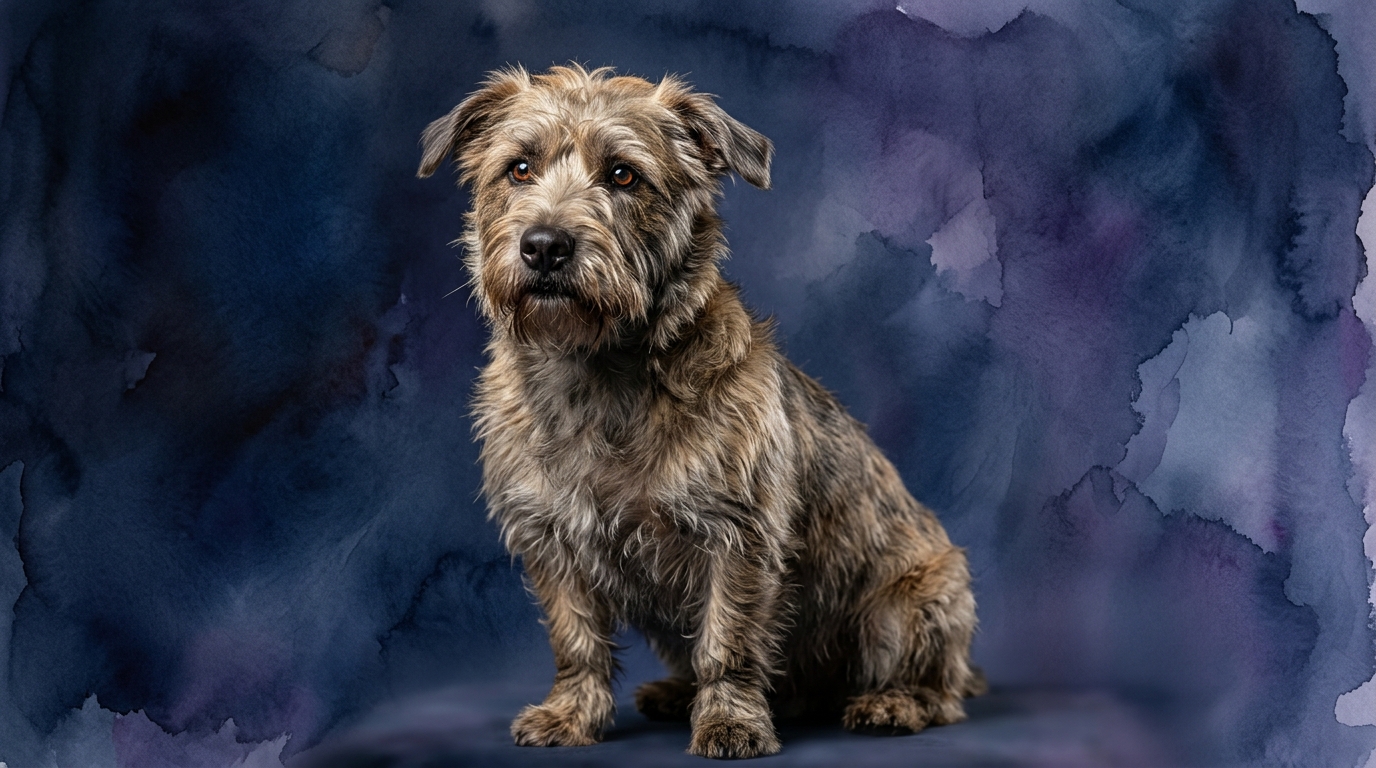
Side-by-Side IQ Profile: Glen of Imaal Terrier
**Problem Solving (3/5):** Glen of Imaal Terriers are resourceful problem-solvers, particularly when it comes to navigating confined spaces or overcoming obstacles to reach a desired outcome, often related to their vermin-hunting instincts. This score reflects their ability to devise independent strategies, which can sometimes manifest as clever ways to outsmart human rules rather than cooperative task completion.
**Training Speed (3/5):** While capable of learning quickly, the Glen of Imaal Terrier's training speed is often tempered by their inherent independence and terrier tenacity. They grasp concepts efficiently but might choose whether or not to comply based on their own assessment of the situation or their motivation. Consistent, engaging, and fair training is key to unlocking their learning potential.
**Social Intelligence (3/5):** Glens display a perceptive social intelligence, keenly observing household dynamics and the intentions of their human companions. They are generally devoted to their family, forming strong bonds, but can be reserved or discerning with strangers. Their social interactions are often marked by a quiet confidence and an independent streak, rather than overt eagerness to please.
**Instinctive Drive (3/5):** The Glen of Imaal Terrier's instinctive drive is characterized by a tenacious earth-dog mentality, a relentless pursuit of quarry, and a deep-seated determination. This 3/5 score indicates a strong, focused drive to dig and hunt vermin, often accompanied by a fearless and persistent nature. It's a drive that requires channeling and understanding.
**Memory (3/5):** Glens possess a strong memory for routines, boundaries, and past experiences, both positive and negative. They are unlikely to forget specific triggers or perceived injustices, and they retain learned behaviors and household rules. This practical memory aids their independent navigation of their environment and interactions.
Where the Pointer Wins Cognitively
Despite identical scores, the Pointer’s cognitive strengths shine in their cooperative focus and adaptability within a structured working environment. Their problem-solving (3/5) is geared towards efficient, open-field navigation and scent work, showing a capacity to adapt strategies based on environmental cues rather than sheer brute force. Their social intelligence (3/5) allows them to seamlessly integrate into a handler's directives, making them exceptional partners in tasks requiring synchronized effort and precise responses to commands. This cooperative inclination, combined with their memory (3/5) for learned patterns and terrain, allows them to execute complex sequences of actions with remarkable fluidity and a desire to please, a trait less pronounced in their terrier counterpart. They excel at sustained, directed effort over independent, sporadic bursts of ingenuity.
Where the Glen of Imaal Terrier Wins Cognitively
The Glen of Imaal Terrier, while sharing the same scores, demonstrates cognitive superiority in areas demanding independent thought, resilience, and tenacity. Their problem-solving (3/5) is less about cooperative execution and more about resourceful, self-directed ingenuity, particularly in confined or challenging situations where a human handler might not be present to guide. This manifests as a cleverness in finding ways around obstacles, whether physical or rule-based, often requiring a degree of independent decision-making. Their instinctive drive (3/5) for persistence, coupled with their memory (3/5) for past experiences, allows them to learn from trial and error with remarkable grit, enabling them to overcome challenges that might deter a more handler-dependent breed. They possess a quiet, determined cleverness that, while sometimes challenging for owners, signifies a profound ability to think for themselves.
Which is Easier to Train and Why
The Pointer generally proves easier to train due to their inherent desire to work in partnership with humans and their relatively lower threshold for independent decision-making when given a task. While both breeds score 3/5 in training speed, the Pointer's cooperative nature means they are more inclined to apply what they've learned consistently. Their social intelligence (3/5) makes them highly attuned to their handler’s wishes, leading to a more straightforward learning curve where compliance is often a given once a concept is understood. In contrast, the Glen of Imaal Terrier's strong independent streak and tenacious problem-solving (3/5) mean that even if they understand a command, they might weigh its personal benefit before complying. Training a Glen is often a negotiation, requiring more patience, creativity, and a consistent demonstration of why cooperation is in their best interest, making their training journey more nuanced.
Which Suits Active Owners vs. Relaxed Owners
The Pointer is undeniably suited for active owners who can provide ample opportunities for physical exertion and mental engagement tied to their sporting heritage. Their instinctive drive (3/5) demands outlets for scent work, running, and exploration, making them ideal companions for hikers, runners, or those involved in dog sports like agility or field trials. A Pointer thrives when given a "job" that taps into their cooperative problem-solving. Conversely, the Glen of Imaal Terrier, while needing daily walks and mental stimulation, can be a better fit for owners who appreciate a more relaxed pace but are prepared for a dog with a strong personality and independent spirit. While not a couch potato, their exercise needs can often be met with vigorous walks and engaging play in a secure yard, rather than continuous, high-intensity activity. They benefit from owners who can provide consistent structure and mental challenges to satisfy their resourceful problem-solving (3/5) without necessarily requiring hours of physical output.
The Verdict
Choose a Pointer if you seek a cooperative, energetic companion eager to partner in outdoor adventures and structured activities, where their focused drive and amiable nature can truly shine.
Opt for a Glen of Imaal Terrier if you appreciate a tenacious, independent spirit with a quiet cleverness, valuing a loyal companion who offers profound devotion within a more contained lifestyle, provided you're prepared for their charmingly stubborn streak.
🧠 Find Your Pet's IQ Score
Our Pet IQ Lab assessment covers 25+ tests across 5 cognitive dimensions — personalized to your breed.
Take the Full IQ Test →Frequently Asked Questions
Do identical IQ scores mean these breeds will behave identically?
No, identical IQ scores indicate similar raw cognitive capacity across dimensions, but breed purpose and historical roles profoundly shape how that intelligence is applied. The Pointer uses its scores for cooperative hunting, while the Glen of Imaal Terrier applies its similar scores for independent vermin control, leading to distinct behavioral patterns.
Can a Pointer live happily in an apartment?
A Pointer can adapt to apartment living if their significant exercise and mental stimulation needs are consistently met through daily vigorous activities and training. Without adequate outlets for their instinctive drive and energy, they may develop undesirable behaviors, making a home with a secure yard generally more suitable.
Are Glen of Imaal Terriers good with children?
Glen of Imaal Terriers can be good with respectful, older children, often forming close bonds with their family. Their independent and sometimes reserved nature means they prefer calm interactions and may not tolerate rough play, so supervision and teaching children how to interact appropriately are crucial for a harmonious household.