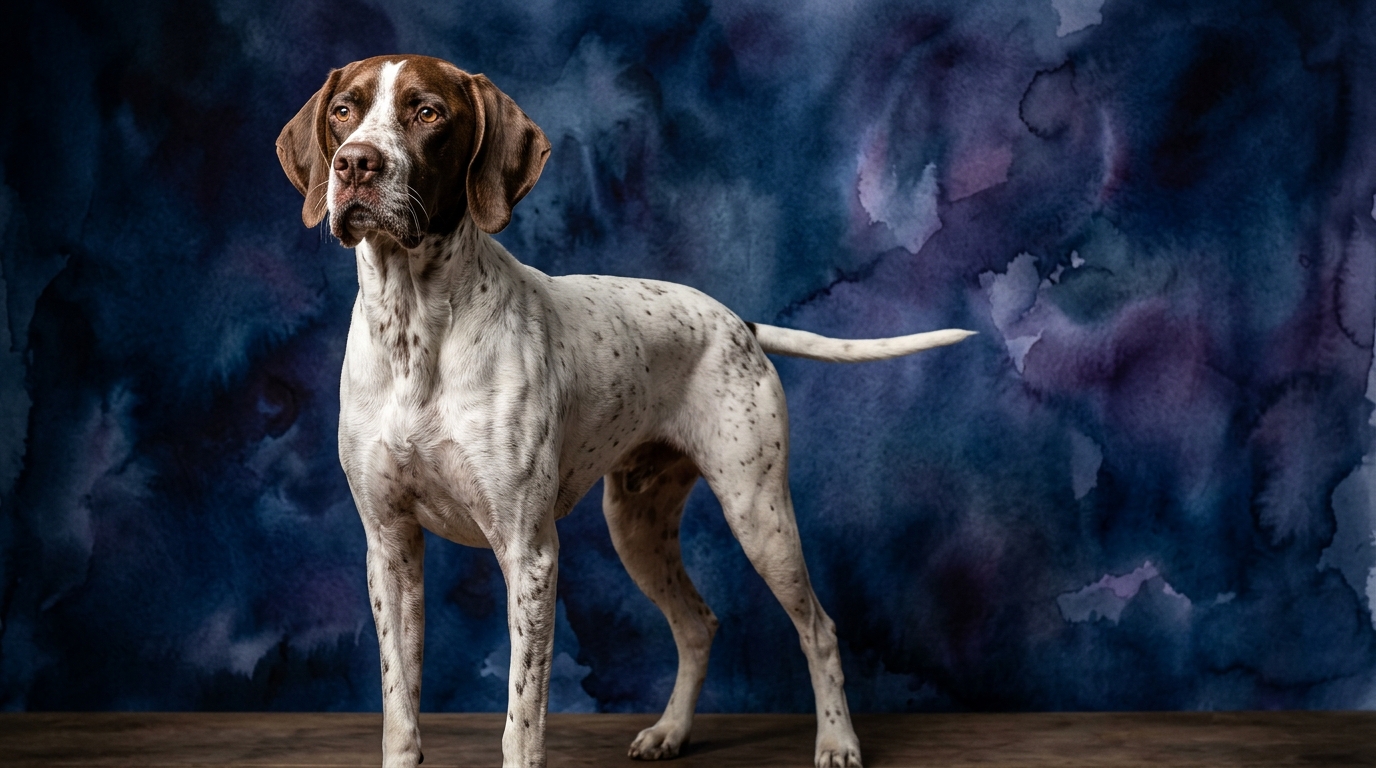
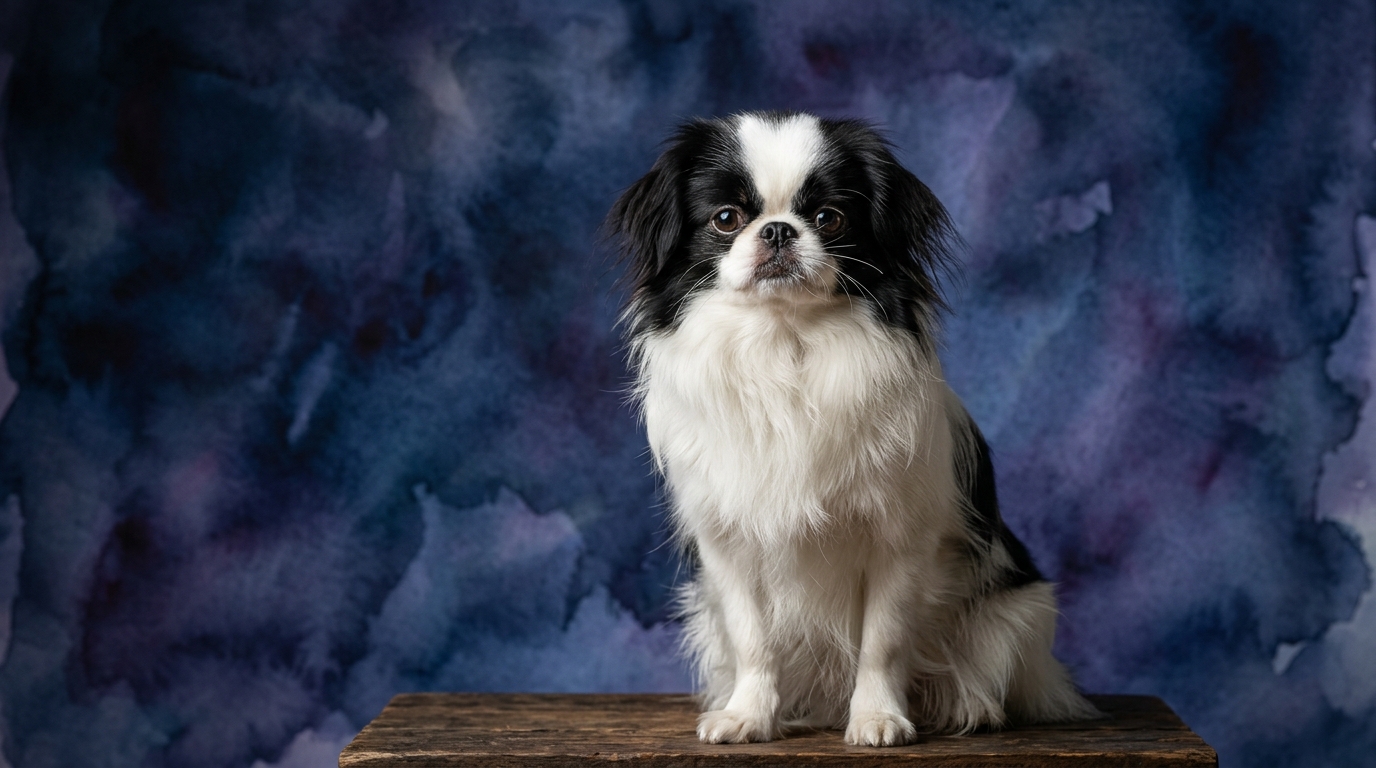
Side-by-Side IQ Profile: Unpacking the '3 out of 5'
While both the Pointer and Japanese Chin register a consistent 3/5 across the board in our Pet IQ Lab metrics, understanding what this score means for each breed requires a deeper look into their historical roles and inherent motivations. A score of 3 generally indicates a solid, functional level of cognitive ability that allows for effective learning and adaptation, but the context of that application varies dramatically between a sporting dog and a toy companion.
For the Pointer, a 3/5 in Problem Solving often manifests as practical, task-oriented ingenuity. This breed excels at navigating complex outdoor environments, interpreting subtle changes in scent and terrain, and strategizing to locate game. Their problem-solving isn't typically about abstract puzzles, but rather about efficient execution of a hunting sequence, such as determining the most direct path to a bird or finding a way around an obstacle in the field. This cognitive function is deeply intertwined with their physical prowess and their primary drive.
The Japanese Chin’s 3/5 in Problem Solving, by contrast, is often directed towards their human environment and social dynamics. They might demonstrate cleverness in manipulating objects to gain attention, figuring out how to open a cabinet to access a treat, or subtly communicating their desires to their owners. Their 'problems' are often social or comfort-related, requiring an understanding of human routines and weaknesses rather than environmental challenges.
Regarding Training Speed, both breeds score 3/5, suggesting they are generally receptive to learning new commands and behaviors at a moderate pace. For the Pointer, this speed is often driven by a desire to please their handler and fulfill their working instinct. They learn best with consistent, clear commands and positive reinforcement tied to performing tasks, especially those that mimic their natural retrieving or pointing behaviors. Their focus can be intense once engaged in a training session.
The Japanese Chin’s 3/5 in Training Speed is often influenced by their inherent desire for social interaction and comfort. They might learn quickly when training is framed as a playful interaction or when rewards are high-value treats or affection. However, their independent, sometimes whimsical nature can mean they choose when to apply their learning, rather than always responding with immediate obedience. Short, engaging sessions are often more effective than lengthy, repetitive drills for this discerning companion.
Social Intelligence at 3/5 for the Pointer reflects their ability to read handler cues in the field, understand group dynamics within a hunting party, and cooperate effectively towards a shared goal. They are attuned to human body language and vocal tones, which are crucial for effective communication during hunts. Their social intelligence is primarily functional, enabling them to be a responsive and cooperative partner.
The Japanese Chin’s 3/5 in Social Intelligence is profoundly geared towards human companionship. They are adept at reading human emotions, anticipating needs, and offering comfort or entertainment. Their social awareness allows them to seamlessly integrate into family life, adapting their behavior to different individuals and situations. They often display a nuanced understanding of social boundaries and personal space, making them intuitive companions.
Instinctive Drive, scoring 3/5 for both, highlights their innate motivations. For the Pointer, this score is a clear reflection of their strong prey drive and desire to hunt, point, and retrieve. This drive is not merely a physical urge but a cognitive one, compelling them to engage in behaviors that fulfill their genetic programming. It's a focused, persistent drive that requires appropriate outlets.
The Japanese Chin’s 3/5 in Instinctive Drive points to their profound drive for companionship and comfort. They are driven to be close to their humans, to engage in affectionate interactions, and to seek out warmth and security. While they lack the hunting instincts of a Pointer, their drive to be a cherished member of the family is equally strong and forms the core of their being. This drive shapes their entire cognitive landscape.
Finally, Memory at 3/5 for the Pointer means they can recall complex sequences of commands, remember specific hunting locations or scent trails, and retain learned behaviors over time, especially those associated with their work. Their memory is practical and enduring, crucial for consistency in their sporting roles.
The Japanese Chin’s 3/5 in Memory often pertains to routines, people, and pleasant experiences. They remember who offers the best cuddles, where the treats are stored, and the daily schedule of their household. Their memory is excellent for navigating their domestic world and understanding the nuances of their human relationships, ensuring they can effectively solicit attention and comfort.
Where the Pointer Excels Cognitively
The Pointer's cognitive strengths are deeply rooted in their sporting heritage, making them particularly adept at tasks requiring sustained focus and environmental awareness. Their problem-solving abilities shine brightest when faced with spatial reasoning challenges in open areas, such as efficiently quartering a field to locate game or navigating varied terrain with precision. This isn't abstract thinking, but a highly specialized form of intelligence that integrates scent, sight, and movement into a cohesive strategy for a specific goal.
Their instinctual drive, while rated 3/5, translates into a profound capacity for cooperative work, setting them apart. A Pointer's mental energy is channeled into effective teamwork with a handler, demonstrating an understanding of subtle hand signals and whistle commands over long distances. This requires a sophisticated form of social intelligence that prioritizes the collaborative effort of the hunt, allowing them to anticipate their handler's next move and adjust their own behavior accordingly, a nuanced cognitive dance essential for their role.
Furthermore, the Pointer exhibits a robust working memory for learned sequences and patterns relevant to their tasks. They can reliably recall complex search patterns, the location of previously encountered scents, and the appropriate response to various field commands, even after periods of inactivity. This specialized memory is a cornerstone of their reliability and effectiveness in demanding sporting environments, allowing them to consistently perform intricate tasks with minimal prompting once trained.
Where the Japanese Chin Shines Cognitively
The Japanese Chin, despite matching the Pointer's 3/5 scores, demonstrates a distinct cognitive brilliance in the realm of social and emotional intelligence. Their problem-solving often manifests as an uncanny ability to 'manage' their human companions, subtly influencing behavior through charm, selective deafness, or endearing antics. They excel at deciphering complex human emotional states and reacting accordingly, offering comfort when sensing distress or initiating play when sensing boredom, a testament to their highly developed social awareness.
Their memory, while also a 3/5, is particularly acute for routines, social interactions, and the preferences of their individual family members. A Japanese Chin will remember which family member is most likely to share food, who gives the best belly rubs, or the precise time for their afternoon nap. This specialized memory allows them to navigate the domestic landscape with remarkable efficiency, optimizing their comfort and social engagement within the home.
Moreover, the Japanese Chin exhibits a remarkable adaptability within diverse social settings, a nuanced aspect of their social intelligence. They can be equally content in a quiet home or a bustling social gathering, often observing and subtly participating without becoming overwhelmed. This ability to adjust their social engagement based on the environment and the people present highlights a sophisticated understanding of social cues and expectations, allowing them to maintain their composure and charm in various circumstances. Their cognitive strengths are truly tailored for the art of companionship.
Training Dynamics: Pointer vs. Japanese Chin
When it comes to training, both breeds score 3/5 for training speed, indicating they are capable learners, but their motivations and optimal training approaches differ significantly due to their distinct behavioral drivers. The Pointer, with its strong instinctive drive and desire to work alongside a handler, typically responds well to task-oriented training. They thrive on consistency, clear commands, and rewards that reinforce the successful completion of a specific action, especially those that tap into their natural hunting instincts like retrieving or scent work. Their focus during training sessions can be intense and sustained, making them amenable to structured, repetitive drills designed to build reliable behaviors. A Pointer often sees training as a collaborative effort towards a shared goal.
The Japanese Chin, conversely, with its primary drive for companionship and comfort, requires a more nuanced and often shorter training approach. While they are intelligent and capable of learning commands, their motivation often hinges on social reinforcement, positive interaction, and high-value rewards like treats or affection. They can be sensitive to harsh tones or repetitive drills they perceive as boring, potentially leading to disengagement or a stubborn streak. Training for a Japanese Chin is often most successful when it feels like a game or a pleasant interaction, leveraging their social intelligence rather than purely task-driven obedience. They might learn quickly but also possess a charming independence, sometimes choosing to 'ignore' a command if they don't see the immediate benefit or are otherwise occupied with a more pressing social agenda, such as cuddling.
Lifestyle Match: Active vs. Relaxed Owners
The Pointer is undeniably a breed suited for active owners who relish outdoor adventures and possess a deep understanding of a working dog's needs. Their inherent 3/5 instinctive drive translates into a high requirement for physical exercise and mental stimulation that goes beyond a simple walk around the block. Owners should be prepared for daily, vigorous activity such as long runs, hiking, or engaging in dog sports like agility, field trials, or even advanced obedience. Pointers thrive when given a 'job' to do, and without sufficient outlets for their considerable energy and cognitive drive, they can become restless or develop undesirable behaviors. They are ideal for individuals or families who embrace an energetic lifestyle and can integrate their dog into their active pursuits, providing both physical challenge and mental engagement consistent with their sporting background.
In stark contrast, the Japanese Chin is a perfect match for more relaxed owners who appreciate a devoted, charming companion primarily within a home environment. While they enjoy short, leisurely walks and playtime, their exercise needs are modest compared to the Pointer. Their 3/5 social intelligence and drive for companionship mean they thrive on human interaction, cuddles on the couch, and being an integral part of daily family life. Owners who prefer a calmer pace, enjoy quiet evenings, and seek a dog that is content to be a lap warmer and a witty observer of household goings-on will find the Japanese Chin exceptionally fulfilling. They are adaptable to apartment living and flourish with consistent affection and gentle engagement, making them an excellent choice for those seeking a sophisticated, low-impact companion.
The Verdict
Choose the Pointer if you are an active individual or family seeking a robust, task-oriented canine partner for outdoor adventures and dedicated training in sporting activities.
Opt for the Japanese Chin if you desire a charming, emotionally astute companion who thrives on close human connection and a more relaxed, indoor-centric lifestyle.
🧠 Find Your Pet's IQ Score
Our Pet IQ Lab assessment covers 25+ tests across 5 cognitive dimensions — personalized to your breed.
Take the Full IQ Test →Frequently Asked Questions
Despite identical IQ scores, why do these breeds feel so different cognitively?
Their identical scores of 3/5 reflect a functional level of intelligence, but the *application* and *motivation* behind that intelligence are vastly different. The Pointer's cognition is geared towards its sporting role, while the Japanese Chin's is focused on social interaction and companionship, leading to distinct manifestations of their problem-solving, memory, and social skills.
Can a Japanese Chin be trained for advanced tasks like a Pointer?
While a Japanese Chin can certainly learn advanced tricks and obedience commands, their motivation and physical capabilities differ. A Pointer's instinctual drive makes them more naturally inclined and physically suited for sustained, complex sporting tasks, whereas a Chin might excel at intricate social cues or agility for fun rather than long-duration field work.
Which breed is better for a first-time dog owner?
For a first-time dog owner, the Japanese Chin might be a more manageable choice due to their lower exercise requirements and strong desire for companionship, making them generally easier to integrate into a household without extensive prior dog experience. A Pointer's high energy and working drive require a more experienced owner who can consistently meet their demanding physical and mental stimulation needs.