Side-by-Side IQ Profile: Pointer vs. Schipperke
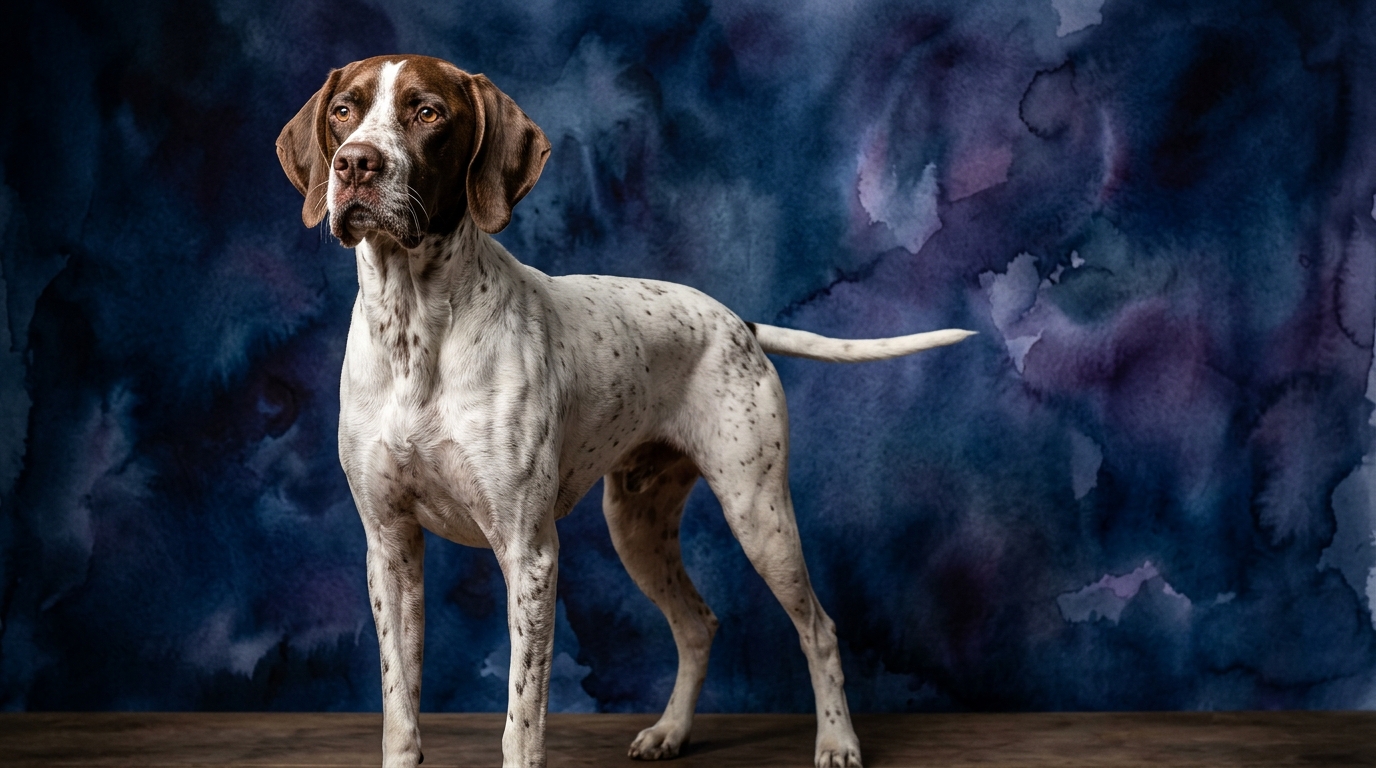
The Cosmic Pet Pet IQ Lab assesses five crucial dimensions of canine intelligence, offering a nuanced look beyond simple 'smart' labels. For the Pointer, a breed celebrated for its prowess in the field, we observe a balanced cognitive profile across the board. Its Problem Solving is rated 3/5, indicating a moderate ability to navigate novel challenges and figure out solutions. Training Speed also stands at 3/5, suggesting a steady, consistent learning pace. Social Intelligence is 3/5, reflecting an average capacity for understanding human cues and social dynamics. Instinctive Drive is likewise 3/5, signifying a well-rounded natural inclination for its breed-specific tasks without being overly intense in any single area. Finally, Memory is also 3/5, meaning Pointers can retain learned information and experiences reasonably well.
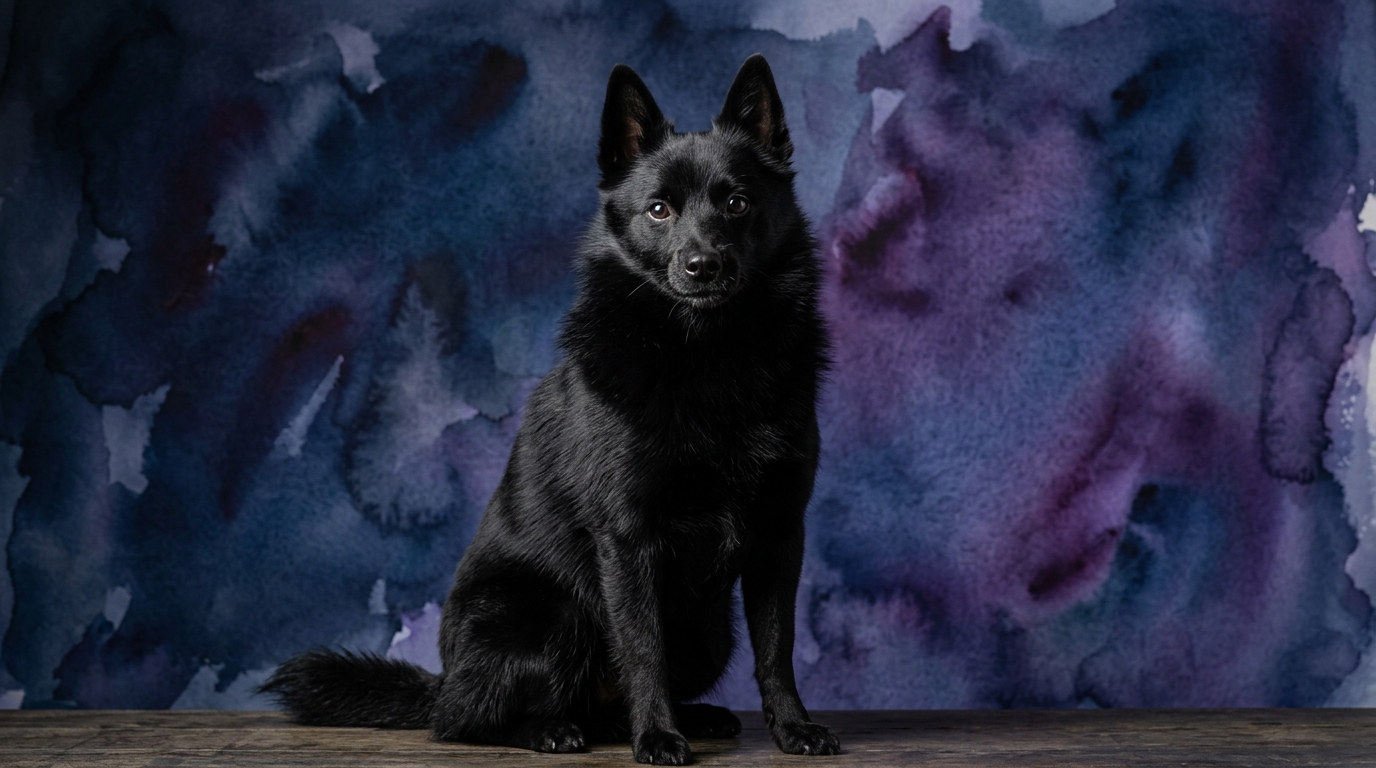
The Schipperke, in contrast, presents a profile marked by striking cognitive strengths in specific areas. Its Problem Solving ability is rated an impressive 5/5, indicating a highly adept mind capable of independently figuring out complex puzzles and situations. This breed also excels in Training Speed, scoring 5/5, which means it picks up new commands and routines with remarkable quickness. Social Intelligence is 3/5, similar to the Pointer, suggesting a solid but not exceptional understanding of social nuances. Instinctive Drive is 3/5, pointing to a balanced set of natural urges, often expressed as vigilance and a desire to patrol. Crucially, the Schipperke also boasts a 5/5 in Memory, signifying an excellent capacity for recall and retaining intricate sequences of information over time.
Where the Pointer Excels Cognitively
While the Schipperke often shows higher raw scores, the Pointer's cognitive strengths lie in its balanced and adaptable nature, particularly in contexts requiring sustained, cooperative effort. Its 3/5 Problem Solving, for instance, isn't about rapid, independent breakthroughs but about methodical, persistent engagement with tasks. In the field, this translates to a dog that can systematically work through scent trails, adapting to changing conditions without becoming easily frustrated by minor setbacks, preferring to rely on its handler’s guidance rather than forging an entirely new path. This moderate problem-solving capacity, combined with its 3/5 social intelligence, makes the Pointer an excellent partner in collaborative activities, where communication and teamwork with a human are paramount.
The Pointer's balanced 3/5 Instinctive Drive also means it possesses a working aptitude that is less prone to single-minded obsession than breeds with higher, more specialized drives. This allows for a more versatile application of its energy and focus, enabling it to transition between different activities or tasks with relative ease. Its 3/5 Memory, while not photographic, is perfectly sufficient for retaining a complex repertoire of hunting signals and routines over a long period, making it a reliable and consistent performer in its traditional role. The Pointer's cognitive profile emphasizes reliability, consistency, and a strong partnership ethic over independent ingenuity.
Where the Schipperke Shines Cognitively
The Schipperke's cognitive profile showcases an impressive capacity for rapid learning and ingenious problem-solving. Its 5/5 Problem Solving ability means this breed is highly adept at figuring out how to open cabinets, navigate complex environments, or even manipulate objects to achieve a goal. This is a dog that can assess a situation, devise a strategy, and execute it, often surprising owners with its cleverness. This attribute makes them excellent candidates for puzzle toys, intricate training routines, and even tasks requiring a degree of independent thought.
Furthermore, the Schipperke's 5/5 Training Speed and 5/5 Memory work in tandem to create a highly efficient learner. They grasp new commands and concepts with remarkable quickness, often requiring fewer repetitions than many other breeds. Once learned, these lessons are deeply ingrained, making them incredibly reliable in remembering complex sequences of commands or tricks. This cognitive efficiency allows Schipperkes to excel in competitive obedience, agility, and even advanced trick training, where precision and rapid recall are essential. Their keen memory also contributes to their effective role as vigilant guardians, remembering past perceived threats or unusual occurrences.
Ease of Training: Pointer vs. Schipperke
When it comes to ease of training, the Schipperke clearly has an edge, primarily due to its 5/5 Training Speed and 5/5 Memory. These attributes mean Schipperkes absorb and retain information quickly. They often pick up new commands in just a few repetitions and remember them for the long term. This cognitive efficiency translates into a dog that can progress rapidly through training levels, mastering complex behaviors and sequences with relative ease. Their independent problem-solving (5/5) also means they might try to figure out tasks on their own, which can be a double-edged sword: while they can learn quickly, they might also use their cleverness to outsmart their handler if training isn't consistent and engaging. For example, a Schipperke might quickly learn to open a gate, requiring an owner to be equally clever in securing their environment.
The Pointer, with its 3/5 scores in Training Speed and Memory, requires a more patient and consistent approach. They are willing to learn, thanks to their moderate social intelligence (3/5), which fosters a desire to work alongside their human. However, they will need more repetitions to solidify commands and a longer period for retention. Their learning style is more about steady progress and reinforcement rather than quick uptake. A Pointer might take longer to perfect a 'stay' command, but once it's consistently practiced and understood in partnership with its handler, it will perform reliably. Their moderate instinctive drive means they are not easily distracted by overwhelming urges, allowing for focused, albeit slower, learning sessions. This difference means a Schipperke is more suited for owners who enjoy intricate, fast-paced training challenges, while a Pointer thrives with patient, routine-based instruction.
Suitability: Active Owners vs. Relaxed Owners
Both the Pointer and the Schipperke are breeds that generally thrive with active engagement, but the nature of that activity differs significantly. The Pointer, originating from a sporting background, is inherently suited for owners who lead an active, outdoors-oriented lifestyle. Its 3/5 instinctive drive, combined with its history as a gun dog, means it requires consistent physical exercise, such as long runs, hikes, or field work, to be content. These dogs need space to stretch their legs and a purpose that allows them to utilize their natural scenting and pointing abilities. A Pointer is not a dog content with short strolls; it needs robust physical outlets. Therefore, they are ideal for active owners who can provide daily, vigorous exercise and appreciate a dog that is a reliable, steady companion during outdoor adventures.
The Schipperke, while smaller, is equally energetic, but its activity needs often lean more towards mental stimulation and vigilant 'work.' Its high problem-solving and memory scores mean it thrives on intricate training, puzzle toys, and tasks that engage its clever mind. While they enjoy physical activity, a bored Schipperke is more likely to invent its own 'job,' which might include patrolling the house, barking at perceived threats, or figuring out how to get into forbidden areas. They are highly observant and thrive on having a role, even if that role is simply 'guarding' their home. This makes them suitable for active owners who enjoy engaging in advanced obedience, agility, or trick training, and who appreciate a clever, vigilant companion that needs consistent mental enrichment as much as physical exertion. A truly relaxed owner might find the Schipperke's independent problem-solving and alertness challenging to manage without sufficient outlets.
The Verdict
Choose a Pointer if you seek a steadfast, cooperative companion for consistent outdoor activities and appreciate a dog that learns at a steady pace through patient, routine-based training.
Opt for a Schipperke if you desire a quick-witted, independent thinker who excels at problem-solving and thrives on fast-paced, intricate training challenges, offering an energetic and vigilant presence.
🧠 Find Your Pet's IQ Score
Our Pet IQ Lab assessment covers 25+ tests across 5 cognitive dimensions — personalized to your breed.
Take the Full IQ Test →Frequently Asked Questions
Which breed is better for first-time dog owners?
The Pointer's more balanced cognitive profile and willingness to partner can make it a slightly more forgiving choice for first-time owners who are committed to consistent exercise and patient training. The Schipperke's independent problem-solving and high energy require an owner who can consistently engage their sharp mind.
Do Pointers and Schipperkes get along with other pets?
Both breeds have a social intelligence rating of 3/5, suggesting they can generally coexist with other pets if properly socialized from a young age. Pointers tend to be more outwardly friendly, while Schipperkes might be more selective or assertive, especially with smaller animals due to their ratting history.
Which breed is more prone to behavioral issues if not stimulated?
The Schipperke, with its 5/5 problem-solving and memory, is more likely to develop creative, potentially undesirable behaviors if not given sufficient mental and physical outlets. A bored Schipperke might become destructive or excessively vocal, whereas a bored Pointer might become restless or exhibit less focused energy.