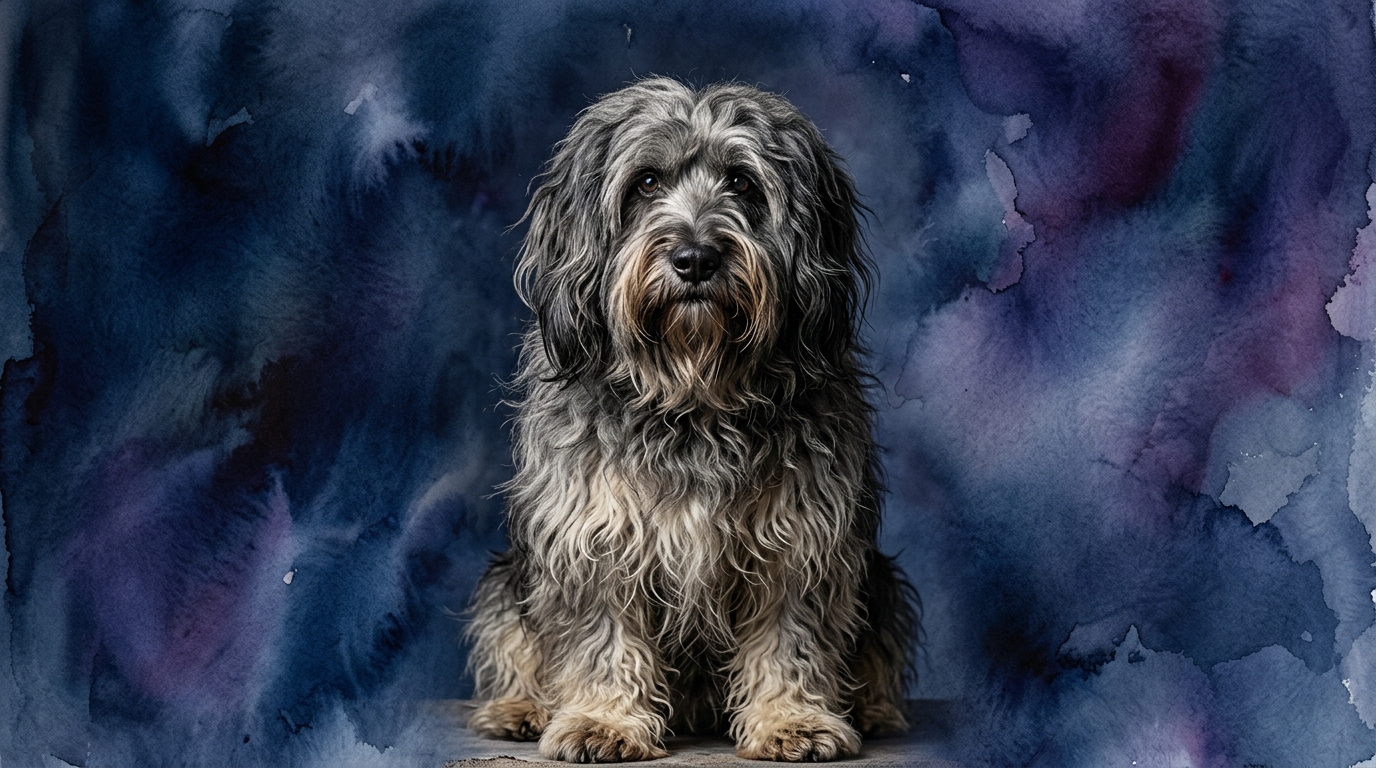
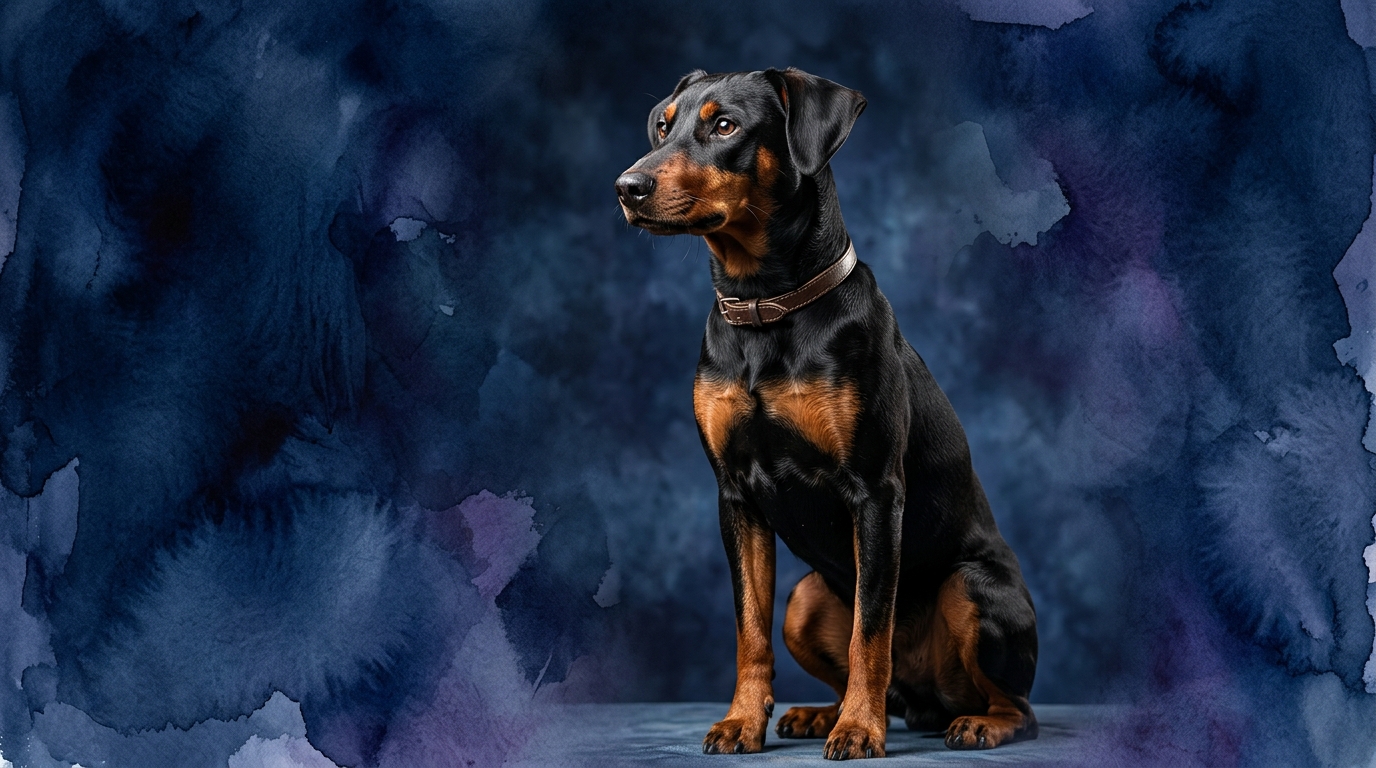
Side-by-Side IQ Profile: PON vs. GP
**Polish Lowland Sheepdog (PON):**
**Problem Solving (3/5):** The PON's problem-solving is practical, rooted in its herding heritage. They excel at real-time decisions like re-gathering straying sheep or navigating complex terrain, demonstrating independent judgment in dynamic, unpredictable situations. This isn't abstract puzzle-solving, but dynamically adapting to live environmental challenges.
**Training Speed (3/5):** PONs learn at a moderate pace, absorbing commands with consistent, positive reinforcement. Their inherent independence, vital for field decisions, means they might ponder commands before executing. Training needs patience and understanding their thoughtful nature.
**Social Intelligence (3/5):** Their social acumen is tuned to group dynamics. They form deep bonds with family, understanding subtle cues. Historically, they read sheep and shepherd, translating to a nuanced understanding of their domestic social environment, though often reserved with strangers.
**Instinctive Drive (3/5):** Primarily focused on herding—gathering, guiding, and protecting their 'flock' (family). This manifests as a desire for organization and protection, alongside a moderate protective instinct.
**Memory (3/5):** PONs have reliable memory for commands, routines, and their environment. They recall past interactions and specific locations, aiding their herding duties and anticipation of movements.
**German Pinscher (GP):**
**Problem Solving (3/5):** The German Pinscher's problem-solving is quick and decisive, historically for vermin control and guarding. They are resourceful in navigating spaces to locate prey or identifying threats, focusing on strategic, individual pursuit and immediate environmental assessment.
**Training Speed (3/5):** GPs are quick learners when motivated. Their strong-willed, independent nature means rapid concept grasp, but consistent, firm guidance is crucial for compliance. Engaging, varied training prevents boredom and selective hearing.
**Social Intelligence (3/5):** GPs show strong social intelligence within their family, reading moods and intentions. Outside this, their acumen is discerning and protective, excellent at identifying unfamiliar individuals or threats, making them vigilant guardians.
**Instinctive Drive (3/5):** Robust, encompassing a strong prey drive, territorial guarding, and desire for physical activity. This drive is central to their assertive personality, requiring appropriate outlets.
**Memory (3/5):** GPs have solid memory for commands, routines, and perceived threats. They recall training sequences and territorial boundaries, contributing to their effectiveness as watchdogs and companions.
Where the Polish Lowland Sheepdog Wins Cognitively
While both breeds score identically, the Polish Lowland Sheepdog's cognitive strengths shine particularly in contexts demanding nuanced environmental understanding and group management. Their problem-solving at a 3/5 level is uniquely applied to dynamic, living puzzles; they excel at reading subtle shifts in a flock's behavior or the changing landscape to anticipate movements and maintain order. This requires an intricate form of cognitive mapping and predictive reasoning. Furthermore, their social intelligence, also a 3/5, is geared towards fostering cohesion and communication within a group, making them adept at mediating interactions and maintaining a harmonious family unit, often with a gentle but firm presence.
Where the German Pinscher Wins Cognitively
Conversely, the German Pinscher's identical 3/5 cognitive scores manifest distinct advantages in scenarios demanding rapid, decisive action and individual resourcefulness. Their problem-solving prowess is most evident in situations requiring quick assessment and physical execution, such as navigating obstacles during a chase or strategically cornering vermin. This involves a different kind of spatial reasoning and tactical thinking. Their social intelligence, while equally rated, is more focused on acute discernment, allowing them to quickly identify and react to perceived threats or unfamiliar elements, making them exceptionally vigilant and protective of their territory and people. Their training speed, at 3/5, often translates into a keenness for high-energy, task-oriented learning, excelling in activities that engage their physical drive and mental sharpness.
Which is Easier to Train and Why
Given their identical 3/5 training speed scores, 'easier' is relative. The Polish Lowland Sheepdog's training involves a thoughtful, sometimes independent, streak. They learn efficiently but their herding background encourages questioning the 'why' behind an instruction, requiring patience and positive reinforcement. Consistent, gentle guidance is crucial for their independent nature. A bored PON may bark excessively or rearrange household items, signaling a need for mental engagement. The German Pinscher learns quickly and enthusiastically, but their high energy and strong will demand a firm, consistent hand. Success hinges on engaging their assertive nature with varied, high-intensity activities and clear boundaries from puppyhood. Without adequate mental and physical stimulation, GPs can become destructive, bark excessively, or develop resource guarding, stemming from powerful drives needing direction. Neither is passively 'easy'; the PON needs a patient, communicative approach, while the GP requires a confident, active leader to channel their energy.
Which Suits Active Owners vs. Relaxed Owners
When considering an owner's lifestyle, both breeds lean heavily towards the active end of the spectrum, but with different nuances. The Polish Lowland Sheepdog, while possessing a moderate energy level compared to some working breeds, still requires significant daily physical activity and, crucially, ample mental stimulation. Long walks, interactive play, and opportunities for 'work'—even if it's just puzzle toys or advanced training—are essential. A PON is not suited for truly relaxed owners who prefer minimal engagement; their cognitive needs for problem-solving and social interaction must be met to prevent boredom and undesirable behaviors. The German Pinscher, however, is unequivocally a breed for highly active owners. Their robust instinctive drives and high energy levels demand substantial daily exercise, such as running, agility, or vigorous play sessions. They thrive on structured activities that challenge both their bodies and minds. A GP is not content with short walks and will quickly become restless and potentially destructive in a low-activity household. For owners seeking a companion for marathons, hiking, or dog sports, the GP is an excellent match; for those seeking a thoughtful companion who enjoys long, meandering walks and mental games, the PON might be a better fit, though still far from a 'relaxed' dog.
The Verdict
Opt for the Polish Lowland Sheepdog if you appreciate a thoughtful, independent companion with a strong desire to keep its 'flock' organized, who thrives on nuanced social interaction and requires patient, consistent guidance to channel their herding instincts into a harmonious family life.
Select the German Pinscher if you seek a bold, energetic, and discerning companion who excels in fast-paced activities, and you are prepared to provide firm, consistent leadership and ample physical and mental challenges to direct their powerful drives.
🧠 Find Your Pet's IQ Score
Our Pet IQ Lab assessment covers 25+ tests across 5 cognitive dimensions — personalized to your breed.
Take the Full IQ Test →Frequently Asked Questions
Are Polish Lowland Sheepdogs good family dogs?
Yes, Polish Lowland Sheepdogs are typically devoted and protective family members, forming strong bonds with their human 'flock'. They are generally good with children and other pets when properly socialized, though their herding instincts might lead them to gently 'gather' family members.
Do German Pinschers bark a lot?
German Pinschers can be prone to barking, especially when acting as watchdogs or when bored and under-exercised. Their alert nature means they often vocalize to signal perceived threats or unfamiliar sounds, requiring consistent training to manage this tendency.
Which breed is better for first-time dog owners?
Neither breed is typically recommended for first-time dog owners due to their strong personalities and cognitive needs. Both the Polish Lowland Sheepdog's independence and the German Pinscher's assertive drive require confident, experienced handling and a commitment to consistent training and socialization.