Side-by-Side IQ Profile: Pomeranian vs. Alaskan Malamute
The Cosmic Pet Pet IQ Lab employs a comprehensive framework to assess canine intelligence, looking beyond simple obedience to encompass various cognitive dimensions. Here, we present the detailed profiles for the Pomeranian and the Alaskan Malamute, highlighting their individual strengths and characteristics.
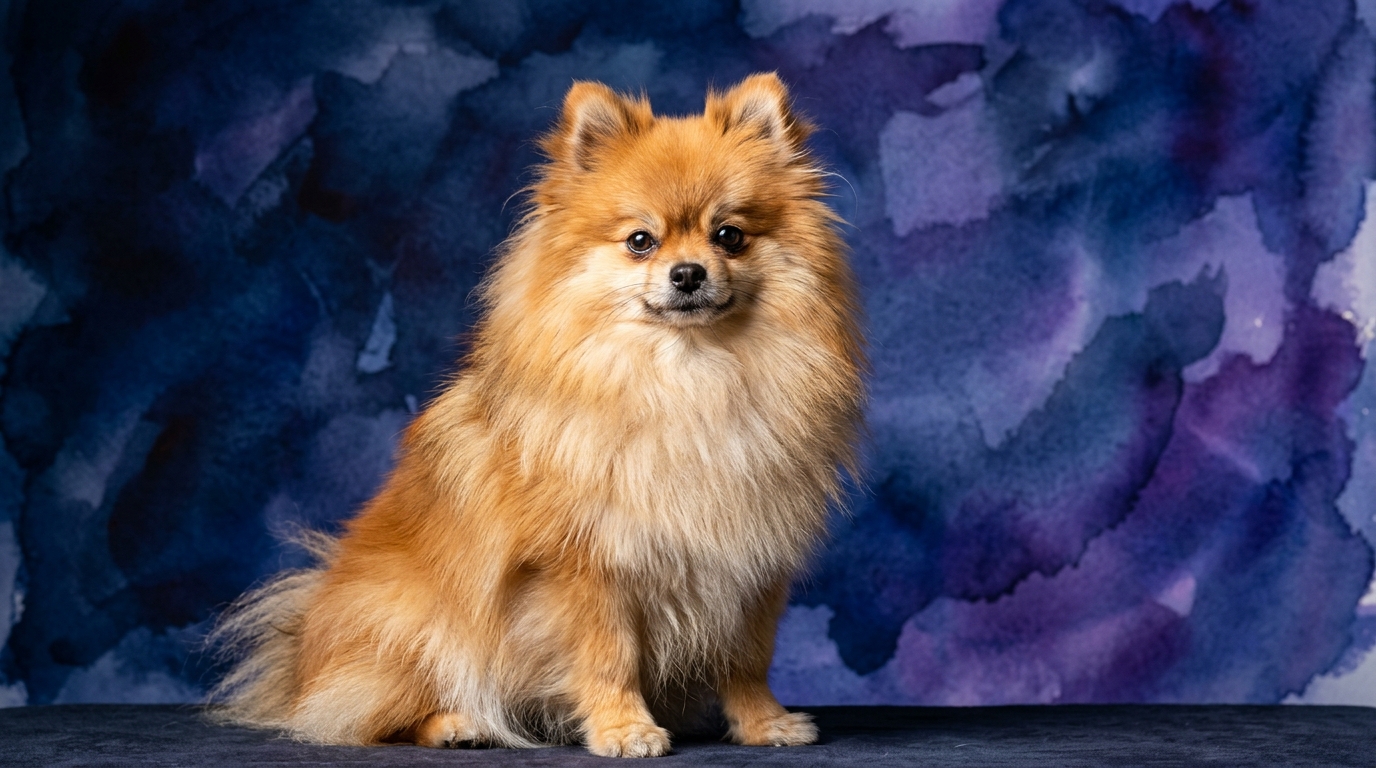
The Pomeranian, ranking #23 on the Coren scale, demonstrates a solid capacity for understanding and obeying new commands. Their Problem Solving score of 4/5 indicates a keen ability to navigate challenges, often finding creative solutions to access desired objects or overcome minor obstacles. Their small size doesn't limit their mental agility; they can figure out puzzles or manipulate situations to their advantage with surprising cleverness. Training Speed for Pomeranians also stands at 4/5, meaning these compact companions generally grasp new commands with impressive swiftness, often requiring fewer repetitions than many other breeds. Their eagerness to please and focus on their handler contribute significantly to their quick learning curve in obedience and tricks. Social Intelligence, rated at 4/5, shows Pomeranians are adept at reading human emotions and social cues, often adjusting their behavior to match the mood of their household. They can be quite perceptive, understanding subtle signals and forming strong, interactive bonds with their primary caregivers. Their Instinctive Drive is a moderate 3/5; while they retain some ancestral drives, particularly a strong prey drive towards small scurrying creatures, their overall instinctive behaviors are moderately expressed. Their history as companion dogs has somewhat softened the intensity of their primal urges compared to breeds bred for specific working roles. Finally, their Memory, also 4/5, means Pomeranians recall learned commands, routines, and even specific events over extended periods, contributing to consistency in training and recognition of people and places.
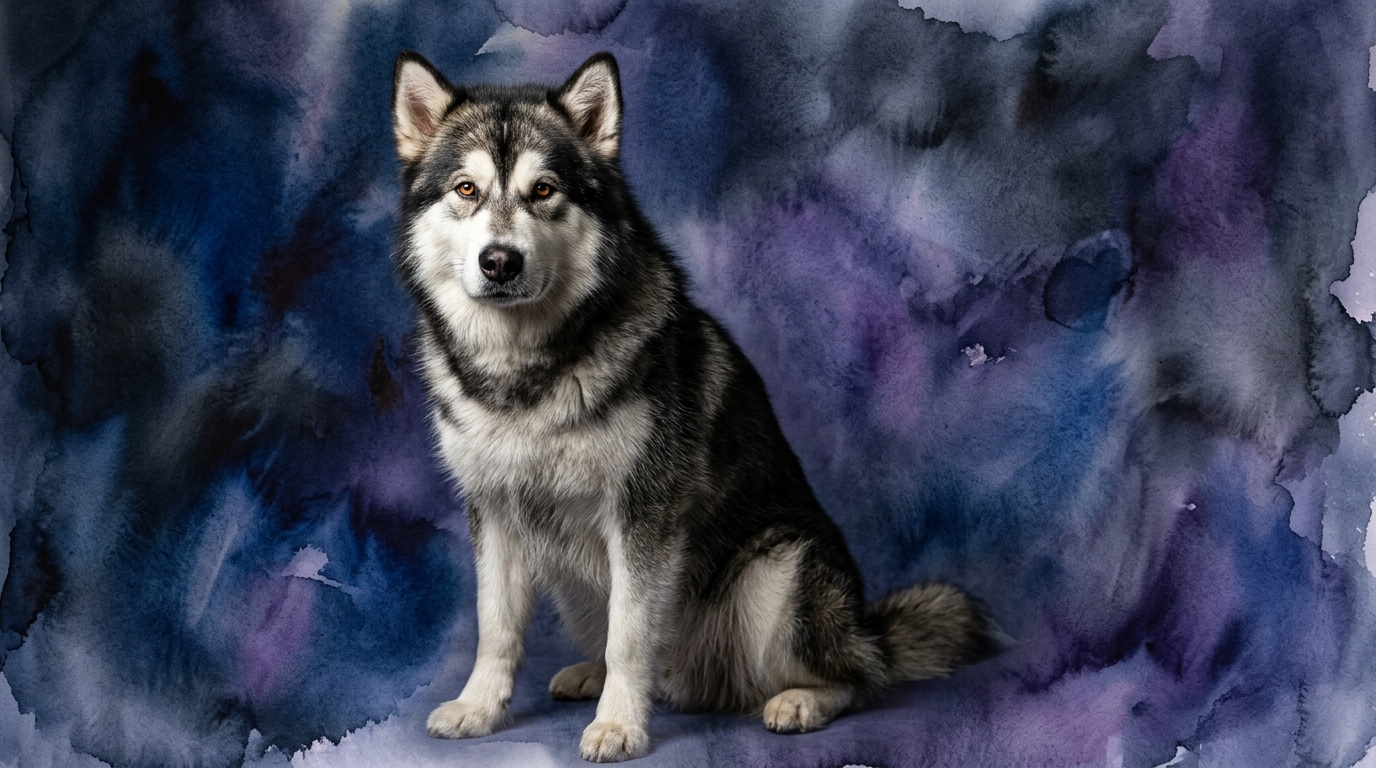
The Alaskan Malamute, holding a Coren rank of #50, is positioned in the 'average working/obedience intelligence' category, indicating a capacity for learning but often with a more independent approach. Their Problem Solving score is 4/5, robust and particularly evident when it comes to achieving their own goals. Whether it's figuring out how to open a gate, unlatch a crate, or strategize to get to a desired location, their persistence and ingenuity are notable. This often manifests in overcoming physical barriers. Training Speed for Malamutes is 2/5; while capable of learning, they often take more repetitions to solidify new commands compared to breeds with higher scores. Their independent nature and strong will mean they might understand what is asked but choose to comply only if they perceive a benefit or if the motivation is strong enough. This isn't due to a lack of mental capacity but rather a different motivational framework. Social Intelligence for Malamutes is 3/5; they are generally good at understanding their pack dynamics and the general mood of their human family. However, their social interactions can sometimes be more direct and less nuanced than breeds specifically bred for close human partnership. They form deep bonds but might not always be as overtly tuned into subtle human emotional shifts. This is where Malamutes truly excel: their Instinctive Drive is a perfect 5/5. This drive is profoundly strong, rooted in their heritage as powerful sled dogs, encompassing an intense desire to pull, a formidable prey drive, and a deep-seated need for physical activity and purposeful work. These instincts are central to their being and heavily influence their behavior. Lastly, their Memory is 4/5; Alaskan Malamutes demonstrate a strong recall, retaining learned tasks, routines, and experiences for a long time, which can be both a benefit and a challenge as they also recall negative experiences or successful escapades.
Where the Pomeranian Wins Cognitively
Pomeranians exhibit a clear edge in aspects related to cooperative learning and handler focus. Their Training Speed of 4/5, compared to the Malamute's 2/5, means they typically absorb new commands and behaviors with greater efficiency. This isn't merely about speed; it reflects a stronger inclination to engage with human directives and an intrinsic motivation to work alongside their owner. For instance, a Pomeranian is more likely to quickly pick up a complex trick or a multi-step obedience sequence because they are often more attuned to their handler's cues and eager for positive reinforcement directly from them. Their Social Intelligence, also rated higher at 4/5, allows them to more readily interpret subtle human body language and vocal inflections, making them exceptionally responsive to nuanced communication. This translates into a dog that often feels more 'in sync' with their owner's intentions during training and daily life, making them particularly rewarding for those who enjoy intricate communication and rapid learning in a companion.
Where the Alaskan Malamute Wins Cognitively
The Alaskan Malamute's cognitive strengths shine brightest in areas demanding independent thought, physical resilience, and primal problem-solving. Their Instinctive Drive, a perfect 5/5, is unparalleled in this comparison. This robust drive fuels their exceptional ability to navigate challenging environments, perform endurance tasks, and engage in persistent, goal-oriented behaviors. While a Pomeranian might solve a puzzle for a treat, a Malamute's Problem Solving (4/5) often manifests in overcoming significant physical obstacles, like figuring out how to scale a fence or outsmart a containment strategy to explore. Their Memory (4/5) combined with this powerful drive means they remember successful strategies for achieving their goals, even if those goals diverge from human expectations. This makes them formidable partners for tasks requiring stamina and self-reliance, qualities that were critical for their historical role as sled dogs in harsh conditions. Their cognitive prowess here is less about pleasing a handler and more about mastering their environment to satisfy their own deep-seated needs.
Training Dynamics: Pomeranian vs. Alaskan Malamute
Based on their cognitive profiles, the Pomeranian is generally easier to train for standard obedience and companion behaviors. Their Training Speed of 4/5 indicates they respond well to positive reinforcement and repetition, forming associations quickly. Their higher Social Intelligence (4/5) means they are often more focused on their handler during training sessions, eager to please, and adept at picking up on subtle cues. This cooperative nature reduces the effort required to teach new commands and modify behaviors. For example, a Pomeranian is more likely to offer eye contact and remain engaged throughout a training session, making it straightforward to introduce new concepts like "stay" or "heel." Their smaller size also means that even when they are being stubborn, their physical manageability makes redirection simpler.
In contrast, the Alaskan Malamute's Training Speed of 2/5 highlights a different approach to learning. While equally capable of understanding, their powerful Instinctive Drive (5/5) and independent nature mean they require more consistent, highly motivating training methods. A Malamute might understand a command but choose not to perform it if their own strong drives (like the urge to explore a scent or pull) are more compelling at that moment. Their Problem Solving skills (4/5) are often directed towards achieving their goals, which might conflict with training objectives. Therefore, training a Malamute often involves significant patience, creative motivation, and an understanding of their deep-seated needs for purpose and physical exertion, making it a more challenging, albeit rewarding, endeavor. An owner must be prepared to be more persuasive and engaging to hold a Malamute's attention against their natural instincts, often requiring the training to feel like a joint venture rather than a simple command-and-response.
Matching Breeds to Lifestyles: Active vs. Relaxed Owners
For relaxed owners seeking a delightful companion, the Pomeranian often presents a more suitable match. While they enjoy play and short walks, their moderate Instinctive Drive (3/5) means their needs for intense physical exertion are typically lower. Their Social Intelligence and eagerness to please make them content with indoor activities, cuddle time, and moderate mental stimulation through toys and simple training games. They thrive on close human interaction and are generally more adaptable to a less rigorous daily schedule, fitting comfortably into quieter households. Their compact size makes them ideal for apartment living, provided they receive sufficient attention and a few short bursts of activity.
Conversely, the Alaskan Malamute is unequivocally suited for active owners who are prepared to meet a significant demand for physical and mental engagement. Their profound Instinctive Drive (5/5) means they require extensive daily exercise, purposeful activities like sledding, canicross, long hikes, or consistent mental challenges. A Malamute that doesn't have its needs for work and exertion met can become bored, leading to behaviors like digging, destructive chewing, or excessive vocalization. Owners must be committed to providing outlets for their powerful pulling instincts and their natural desire to explore and roam, making them ideal for adventurers and those who enjoy an outdoor, active lifestyle. Their resilience and endurance are not just physical traits but deeply intertwined with their cognitive satisfaction.
The Verdict
Choose a Pomeranian if you seek a highly responsive companion eager for cooperative learning and adaptable to a more relaxed home environment, thriving on close social interaction and moderate activity.
Opt for an Alaskan Malamute if you are an active individual or family prepared to channel immense instinctive drives into purposeful work and extensive outdoor activities, valuing a resilient and independent partner.
🧠 Find Your Pet's IQ Score
Our Pet IQ Lab assessment covers 25+ tests across 5 cognitive dimensions — personalized to your breed.
Take the Full IQ Test →Frequently Asked Questions
Do Pomeranians learn tricks easily?
Yes, Pomeranians typically learn tricks with impressive ease due to their quick training speed and eagerness to engage with their handlers. Their focus and responsiveness make them adept at mastering various commands and complex sequences.
Are Alaskan Malamutes difficult to train?
Alaskan Malamutes can present more training challenges due to their strong independent nature and intense instinctive drives. While capable of learning, they require consistent, patient, and highly motivating training methods to ensure compliance.
Which breed is better with children?
The suitability with children depends more on individual temperament and socialization than breed alone. Pomeranians are delicate and can be overwhelmed by rambunctious play, while Malamutes, though generally gentle, are large and powerful, requiring supervision with very young children.
How much exercise does each breed need?
Pomeranians require moderate daily exercise, such as short walks and indoor play, to stay healthy and happy. Alaskan Malamutes, conversely, need extensive daily physical activity, including long runs, hikes, or purposeful work, to satisfy their high instinctive drive.
Do these breeds have good memory?
Both Pomeranians and Alaskan Malamutes possess a strong memory (4/5). They are capable of recalling commands, routines, and experiences over extended periods, which aids in training and reinforces learned behaviors.