The Cosmic Pet Pet IQ Lab Profiles: A Side-by-Side Look
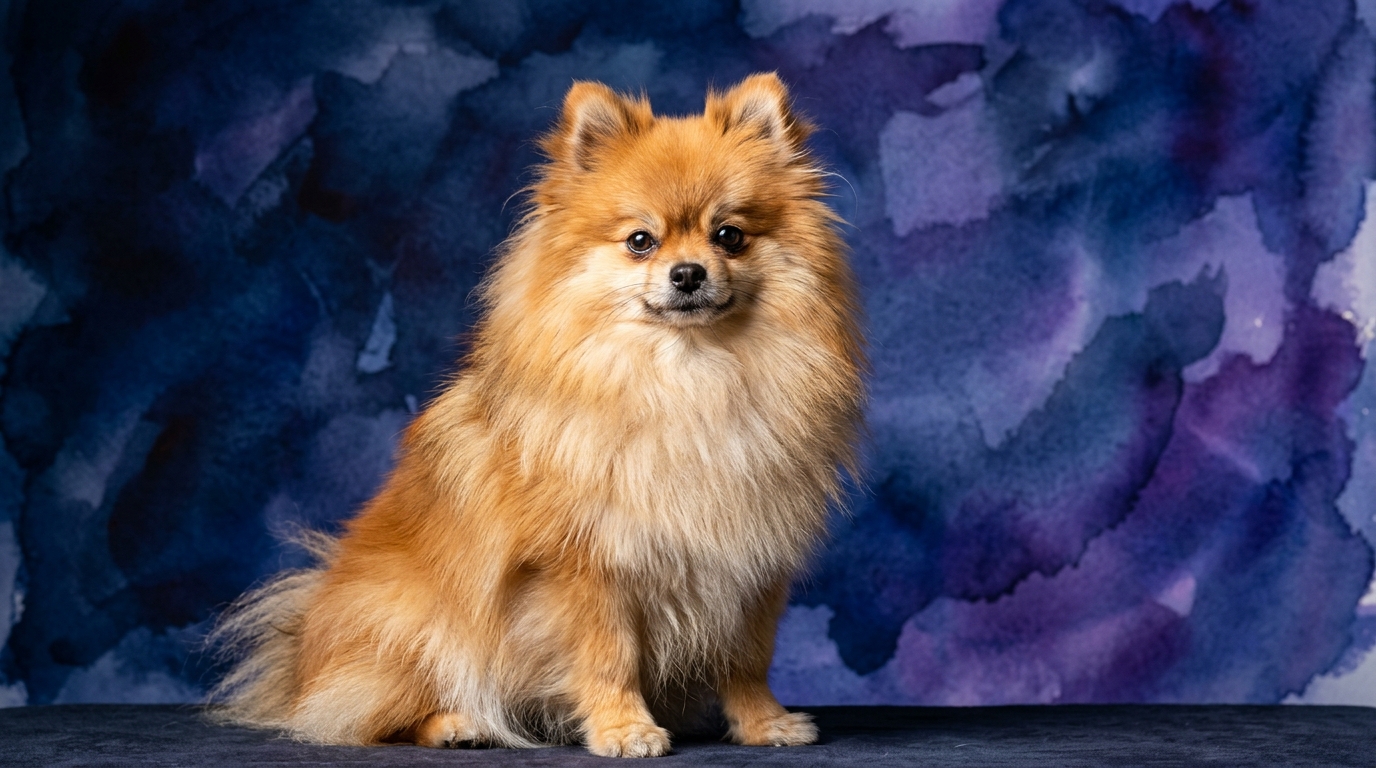
**Pomeranian (Toy Group, Coren Rank #23):** This small dynamo consistently scores high across several cognitive dimensions. Their Problem Solving (4/5) reflects a notable capacity for figuring out novel situations, often devising clever ways to achieve a desired outcome, such as manipulating toys for treats or navigating complex household obstacles. Their quick thinking allows for rapid adaptation.
The Pomeranian's Training Speed (4/5) indicates they typically grasp new commands and routines with efficiency, often requiring fewer repetitions than many other breeds, driven by their eagerness to engage. Social Intelligence (4/5) means they exhibit a sharp understanding of cues, adeptly reading moods and adjusting their behavior. Their Instinctive Drive (3/5) is moderate, manifesting as alert barking or chasing small objects, while their Memory (4/5) is robust, allowing for consistent recall of learned information over time.
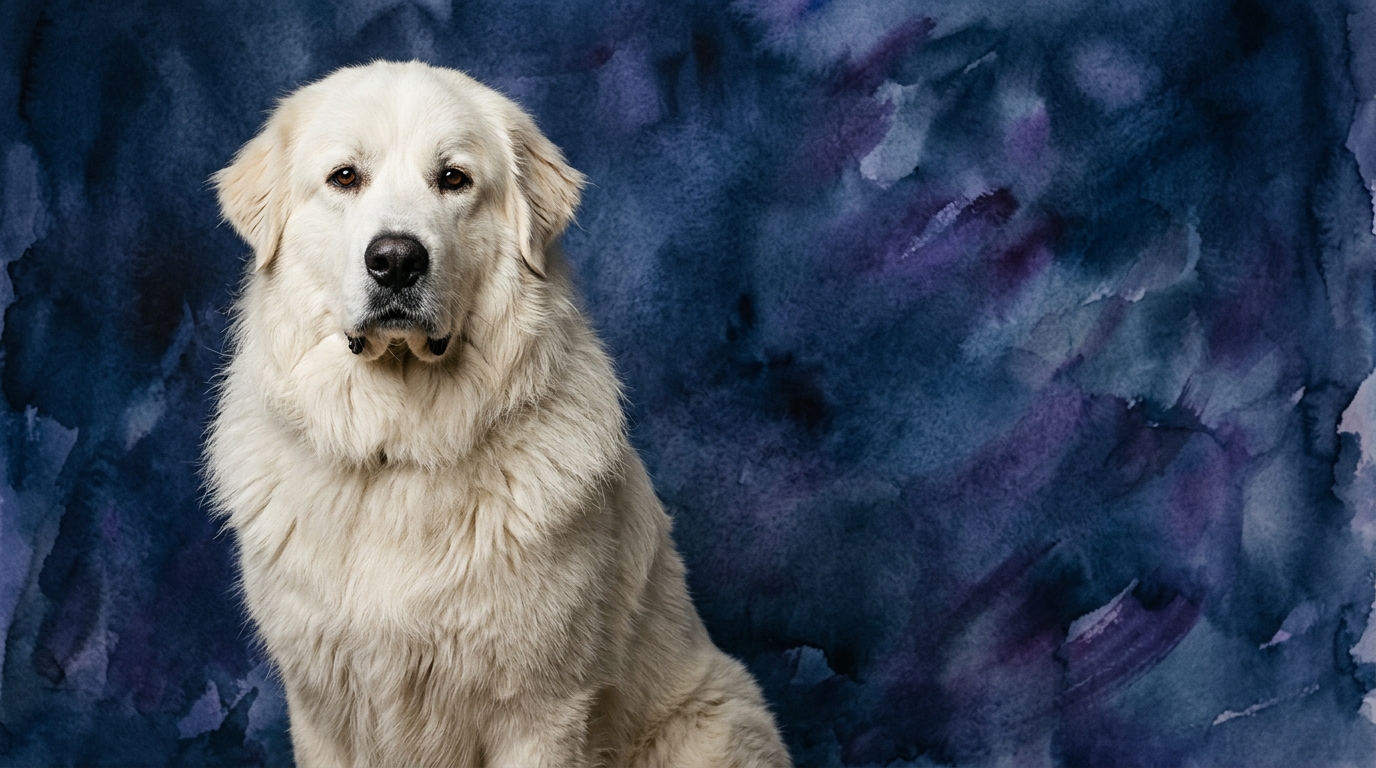
**Great Pyrenees (Working Group, Coren Rank #64):** In contrast, the Great Pyrenees presents a cognitive profile shaped by its ancient role as a guardian. Their Problem Solving (3/5) is more deliberate and independent; while capable of resolving complex issues, especially those related to their guarding duties, their solutions might take longer to form and are often rooted in their primary directive rather than quick adaptation to arbitrary tasks.
The Great Pyrenees' Training Speed (3/5) suggests that learning new commands can be a slower process, often requiring consistent repetition and patience. Their independent nature often means they evaluate the utility of a command before complying. Social Intelligence (3/5) is practical, focused on understanding flock dynamics and differentiating between threats, but less about overt eagerness in new social interactions. Their Instinctive Drive (3/5) is profoundly channeled into guarding, leading to vigilance and territoriality, and their Memory (3/5) is effective for significant events and routines, particularly those tied to their protective duties, though recall for less critical information may require more reinforcement.
Where the Pomeranian Shines Cognitively
The Pomeranian’s higher scores across Problem Solving, Training Speed, Social Intelligence, and Memory indicate a breed that thrives on mental engagement and intricate human interaction. Their quick wit allows them to rapidly assess situations and learn new tricks or commands with impressive speed, making them excellent candidates for advanced obedience or rally sports. This adaptability isn't just about structured learning; it extends to their ability to navigate complex social scenarios, often charming their way into favorable positions or understanding subtle shifts in human emotions.
Their superior memory means once a lesson is learned, it often sticks, making them consistent performers in activities that require sustained recall. They are masters of their immediate environment, often finding creative solutions to access forbidden areas or secure a coveted toy, demonstrating a proactive problem-solving approach that keeps owners on their toes. This cognitive agility allows them to thrive in dynamic household settings where varied stimulation is provided.
The Great Pyrenees' Unique Cognitive Strengths
While the Great Pyrenees may not boast the same scores in conventional obedience metrics, their cognitive strengths are profoundly rooted in their historical purpose: independent livestock guarding. Their Problem Solving (3/5) and Instinctive Drive (3/5) are intricately linked, enabling them to make autonomous decisions in the absence of human direction, a critical trait for a guardian animal. This isn't about solving a puzzle for a treat, but rather assessing a potential threat, determining the best course of action to protect their perceived flock, and executing it with unwavering resolve.
Their social intelligence, while rated 3/5, is geared towards discerning friend from foe, understanding the hierarchy within their charge, and maintaining a watchful, protective presence rather than seeking broad social approval. Their memory, also 3/5, is particularly effective for remembering territories, perceived threats, and the routines of their charges, ensuring consistent vigilance. These dogs possess a deep, practical understanding of their environment and their role within it, a cognitive strength that prioritizes self-reliance and protective strategy over eager compliance.
Training Dynamics: Patience vs. Precision
Training a Pomeranian typically involves precision and consistency, leveraging their quick Training Speed (4/5) and Memory (4/5). They are often eager to please and respond exceptionally well to positive reinforcement, frequently picking up new commands within a few repetitions. Their higher social intelligence means they are highly attuned to their trainer's feedback and motivations, making the training process a collaborative and relatively swift experience. The primary challenge often lies in managing their spirited nature and ensuring their quick minds are consistently engaged to prevent boredom or the development of undesirable “clever” habits.
Conversely, training a Great Pyrenees demands substantial patience and a profound understanding of their independent spirit. Their Training Speed (3/5) suggests a slower uptake, and their inherent job as a guardian means they often evaluate the necessity or relevance of a command before complying. They are not inherently disobedient, but rather prioritize their own assessment of a situation, especially if it conflicts with their protective instincts. Effective training involves building a strong, trusting relationship and consistently demonstrating the practical value of commands. Repetition is key, but so is understanding that their primary directive is protection, which can sometimes override a learned command if they perceive a genuine threat; their 3/5 memory means that while they *can* learn, consistent, long-term reinforcement is vital.
Lifestyle Compatibility: Active Engagement vs. Relaxed Vigilance
The Pomeranian, with its higher scores in Problem Solving, Training Speed, and Social Intelligence, thrives in an environment that offers regular mental stimulation and social interaction. Active owners who enjoy teaching tricks, participating in dog sports like agility or rally, or simply engaging in frequent, varied play sessions will find a highly responsive and engaged companion. Their cognitive profile makes them excellent candidates for advanced obedience and problem-solving games, keeping their sharp minds occupied and preventing boredom. They are well-suited for owners who enjoy a dynamic, interactive relationship with their pet and can provide consistent mental challenges.
The Great Pyrenees, on the other hand, is better suited for owners who appreciate a more relaxed, yet deeply responsible, canine presence. Their cognitive strengths lean towards independent thought and steadfast guardianship rather than constant interactive engagement with humans. They are content to observe and patrol their territory, requiring less structured “active” mental stimulation in the form of puzzle toys or complex commands. Instead, their minds are engaged in assessing their environment and fulfilling their protective instincts. Owners who value a calm, watchful companion and have the space for them to survey their domain will find their temperament and cognitive makeup a perfect fit, understanding that their mental activity is often self-directed.
The Verdict
Choose the Pomeranian if you desire a highly interactive, quick-to-learn companion eager for mental challenges and social engagement, perfect for an owner who enjoys teaching and participating in varied activities.
Opt for the Great Pyrenees if you seek a calm, independent guardian whose cognitive strengths lie in vigilant protection and autonomous decision-making, ideal for owners with space and an appreciation for a steadfast, self-reliant presence.
🧠 Find Your Pet's IQ Score
Our Pet IQ Lab assessment covers 25+ tests across 5 cognitive dimensions — personalized to your breed.
Take the Full IQ Test →Frequently Asked Questions
Does a lower Coren rank mean a dog is less intelligent?
Not necessarily in a holistic sense. The Coren rank primarily measures working and obedience intelligence, reflecting how quickly a breed learns and performs commands. A lower rank, like the Great Pyrenees' #64, often indicates a more independent thinking dog, rather than a lack of cognitive ability for its intended purpose or a deficiency in their breed-specific intelligence.
How does 'instinctive drive' impact a dog's daily behavior?
Instinctive drive refers to a breed's innate behavioral tendencies, like guarding, herding, or retrieving, which significantly influence their daily actions. For a Pomeranian (3/5), this might manifest as alert barking or chasing small objects, while for a Great Pyrenees (3/5), it's a strong, inherent need to patrol and protect, significantly shaping their responses to their environment and strangers, often prioritizing this drive over other cues.
Can a Great Pyrenees be trained for complex tasks despite its 3/5 training speed?
Yes, a Great Pyrenees can learn complex tasks, but it will typically require more patience, repetition, and a consistent, positive training approach. Their independence means they need to understand the 'why' behind a command, and training often benefits from making the task relevant to their natural instincts or building a very strong bond of trust and mutual respect.