The Cosmic Pet Pet IQ Lab: Side-by-Side Profiles
At The Cosmic Pet Pet IQ Lab, we assess canine cognition across five crucial dimensions: Problem Solving, Training Speed, Social Intelligence, Instinctive Drive, and Memory. These metrics offer a nuanced understanding beyond simple obedience, revealing how a dog perceives, learns, and interacts with its world.
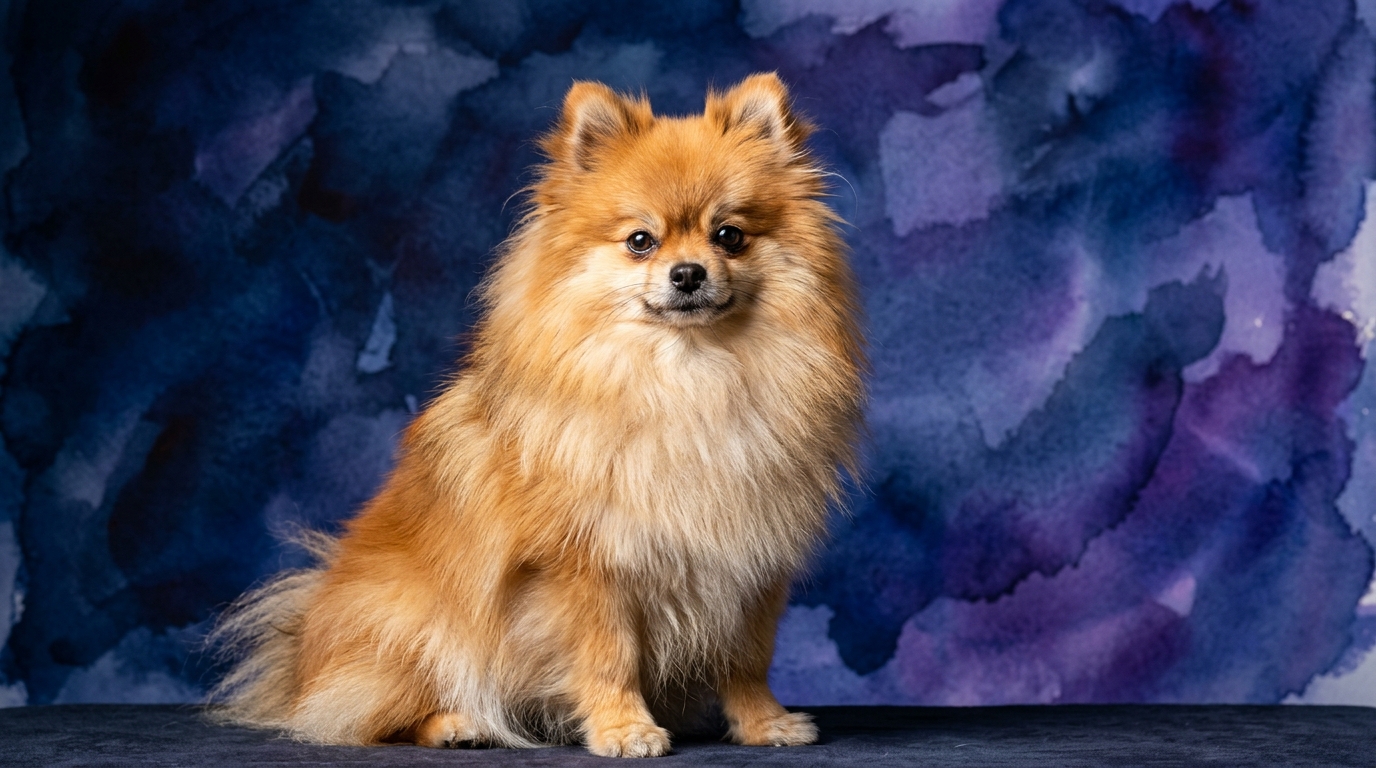
The Pomeranian, a lively toy breed, registers an impressive Coren rank of #23, indicating a significant capacity for learned behaviors and problem-solving. Its IQ profile includes a strong 4/5 in Problem Solving, suggesting a keen aptitude for navigating complex situations and figuring out novel challenges. Training Speed also scores 4/5, reflecting its eagerness and quick grasp of new commands and routines. Social Intelligence, vital for interacting with humans and other animals, is rated 4/5, pointing to its perceptive nature in social contexts. Instinctive Drive, while present, is a balanced 3/5, meaning its inherent urges are manageable within a household setting. Finally, its Memory stands at a robust 4/5, enabling it to retain lessons and experiences effectively.
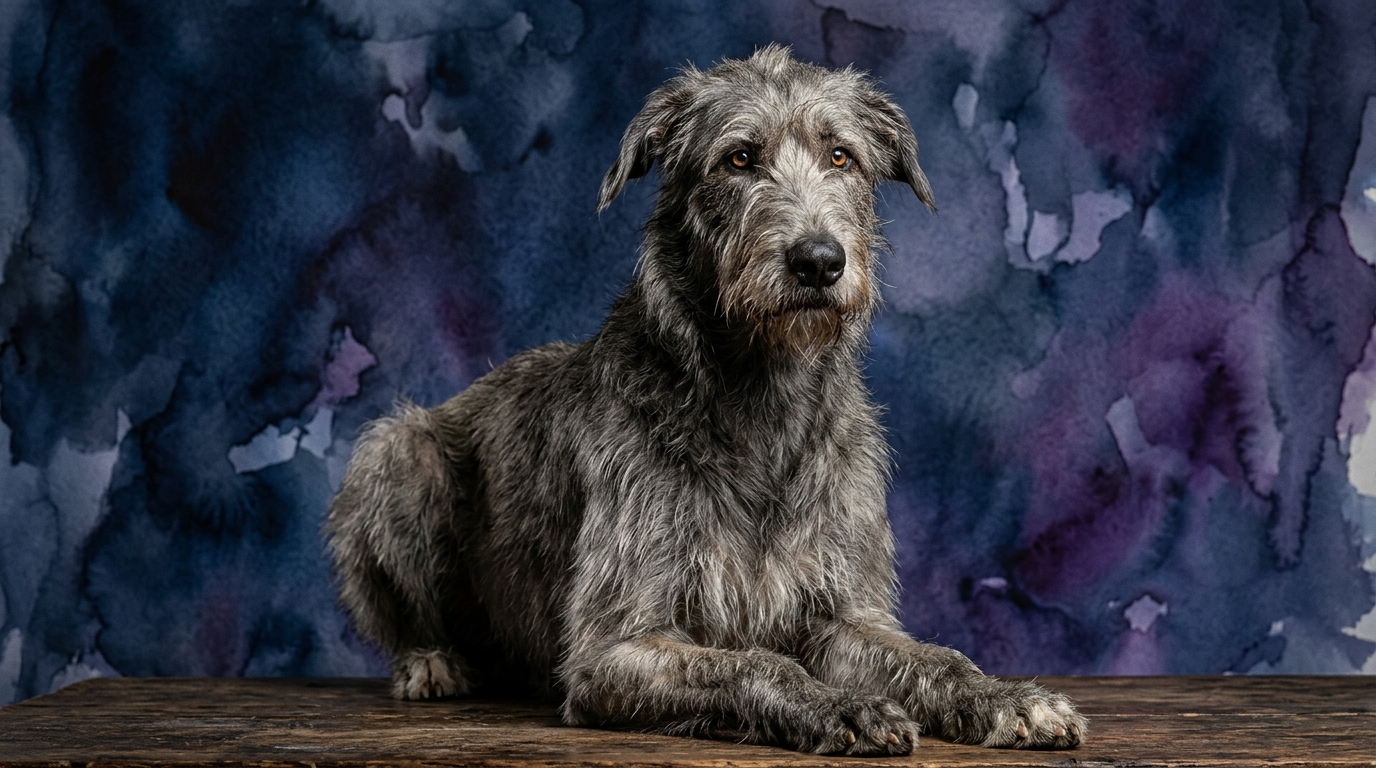
In contrast, the Irish Wolfhound, a dignified hound breed of immense stature, is not Coren-ranked, which is common for breeds whose primary historical role wasn't centered on complex obedience trials. Its IQ profile presents a more uniform set of scores: Problem Solving is 3/5, indicating a functional capacity to overcome obstacles, though perhaps with less abstract ingenuity than some breeds. Training Speed is also 3/5, suggesting a steady, deliberate learning pace that requires patience and consistency. Social Intelligence matches at 3/5, meaning it forms strong bonds and understands social cues, but might exhibit less overt engagement than a more outwardly expressive breed. Instinctive Drive, fitting for a hound, is 3/5, reflecting its deep-seated hunting and tracking heritage. Its Memory also scores 3/5, allowing it to remember routines and people, but perhaps without the same detail recall as a higher-scoring breed.
Where the Pomeranian Wins Cognitively
The Pomeranian's cognitive strengths clearly shine in areas requiring quick thinking and adaptability. Its 4/5 Problem Solving score means it's often adept at figuring out puzzles, opening cabinets, or even manipulating situations to its advantage, a trait that can be both endearing and mischievous. Owners might observe Poms quickly learning how to bypass baby gates or retrieve hidden toys, demonstrating a proactive approach to mental challenges.
Furthermore, the Pomeranian's superior 4/5 Training Speed and 4/5 Social Intelligence combine to create a highly responsive companion. This breed tends to pick up new commands with fewer repetitions and is often more attuned to human emotional states, making it excellent for advanced obedience, trick training, or even canine sports where rapid learning and owner-dog synchronicity are paramount. Their strong memory (4/5) ensures that once a lesson is learned, it's likely to stick, building a reliable repertoire of behaviors over time.
Where the Irish Wolfhound's Cognitive Profile Excels
While the Irish Wolfhound’s individual scores might be lower than the Pomeranian's in some areas, its cognitive profile is uniquely suited to its majestic nature and historical purpose. Its 3/5 in Instinctive Drive, for instance, isn't about complex problem-solving for human entertainment, but rather a deep-seated, focused drive for its original role as a sight hound – spotting and pursuing prey. This translates into an operational intelligence that prioritizes observation, endurance, and independent decision-making in vast environments, rather than rapid-fire responses to human cues.
The Wolfhound's consistent 3/5 across Problem Solving, Training Speed, Social Intelligence, and Memory suggests a balanced, steady, and profound cognitive processing rather than a quick, high-octane one. Its problem-solving might be slower, but it's often methodical and persistent, especially when it comes to tasks that align with its natural inclinations. Its social intelligence, while perhaps less effusive, is characterized by a calm discernment and deep loyalty, reflecting a more introspective and observant approach to social bonding. This cognitive steadiness contributes to its renowned gentle giant temperament, making it a thoughtful and deliberate presence.
Training Dynamics: Patience vs. Precision
When it comes to ease of training, the data from The Cosmic Pet Pet IQ Lab points towards the Pomeranian being the more readily trainable breed, primarily due to its 4/5 Training Speed compared to the Irish Wolfhound's 3/5. Pomeranians often exhibit a keen desire to please and a quick understanding of cause-and-effect, making positive reinforcement highly effective and yielding faster results. Their smaller size also makes managing their training easier in practical terms, as a less-than-perfectly trained Pomeranian poses less physical challenge than an untrained Wolfhound.
The Irish Wolfhound, with its 3/5 Training Speed, requires a more patient and consistent approach. While certainly capable of learning, their hound heritage often means a degree of independent thinking and a less urgent need to comply with human directives. Training success with a Wolfhound hinges on building a strong, respectful relationship, using clear and consistent cues, and understanding that their learning might be slower but is often deeply ingrained once achieved. Behavioral differences, such as the Wolfhound's potential for stubbornness or distraction by scent, contrast with the Pomeranian's generally higher focus on its handler during training sessions.
Lifestyle Match: Active Engagement vs. Calm Companionship
The cognitive profiles of these breeds suggest different ideal owner lifestyles. The Pomeranian, with its high Problem Solving (4/5), Social Intelligence (4/5), and Memory (4/5), thrives with active owners who enjoy engaging their pet in varied mental and physical activities. They are well-suited for owners who want a companion to learn tricks, participate in dog sports like agility or obedience, or simply enjoy a highly interactive and responsive pet that can adapt to new situations and social outings with enthusiasm. Their quick processing makes them excellent partners for an owner seeking a constantly engaged and mentally stimulated friend.
The Irish Wolfhound, conversely, with its consistent 3/5 scores, often suits owners who appreciate a calmer, more deliberate companion. While they need significant physical exercise, their cognitive approach is less about constant mental gymnastics and more about a steady, observant presence. They are ideal for relaxed owners who value quiet companionship, long, unhurried walks, and a dog that is emotionally deep rather than overtly demonstrative. Their independent nature means they can be content with a less 'hands-on' mental engagement, preferring to observe and participate on their own terms, making them excellent, dignified companions for a more serene household.
The Verdict: Choosing Your Canine Companion
The Verdict
Choose a Pomeranian if you seek a highly engaged, quick-learning companion eager for interactive training, mental challenges, and a vibrant social life. Their cognitive agility makes them a rewarding partner for owners who enjoy teaching new things and experiencing a responsive bond.
Opt for an Irish Wolfhound if you appreciate a calm, dignified presence that offers profound loyalty and a steady, independent nature. They are best for owners who value deliberate learning, patient companionship, and a majestic dog whose cognitive strengths lie in their observant and enduring spirit.
🧠 Find Your Pet's IQ Score
Our Pet IQ Lab assessment covers 25+ tests across 5 cognitive dimensions — personalized to your breed.
Take the Full IQ Test →Frequently Asked Questions
Does a higher Coren rank always mean a 'smarter' dog?
Not necessarily; a Coren rank primarily reflects a breed's ability to learn and obey human commands, which aligns with Training Speed and Problem Solving. Breeds not ranked, like the Irish Wolfhound, may possess different types of operational intelligence or instinctive drives that weren't the focus of Coren's methodology.
How does 'Instinctive Drive' differ between a Pomeranian and an Irish Wolfhound?
Both breeds score 3/5, but the nature of their drive varies significantly. The Pomeranian's drive might manifest as playful chasing or territorial barking, while the Irish Wolfhound's drive is rooted in its historical role as a sight hound, focusing on spotting and pursuing prey, requiring a different kind of focus and endurance.
Can an Irish Wolfhound learn complex tricks despite its 3/5 Training Speed?
Absolutely. While an Irish Wolfhound may take longer to master complex tricks compared to a Pomeranian, consistent, positive reinforcement and a patient approach will yield results. Their 3/5 Memory means learned behaviors are retained, so persistence from the owner is key.