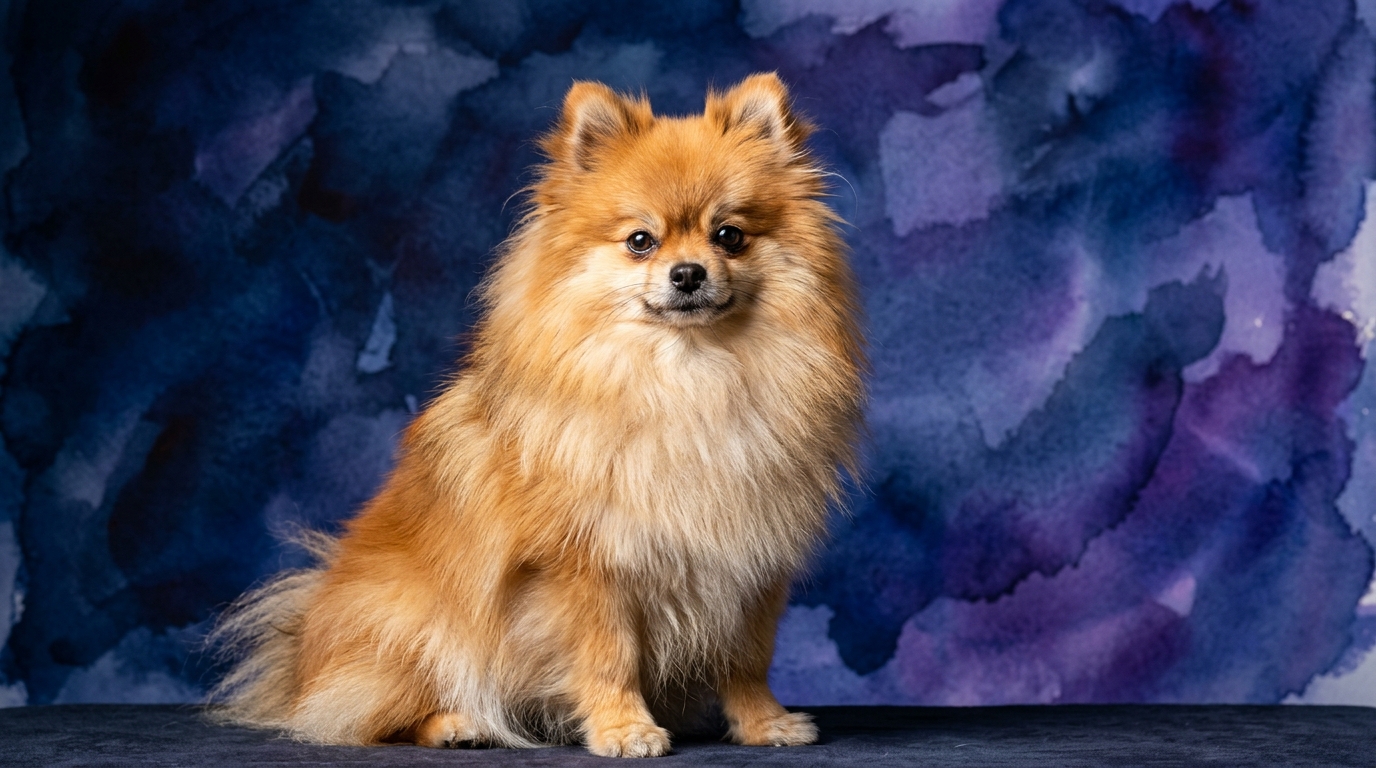
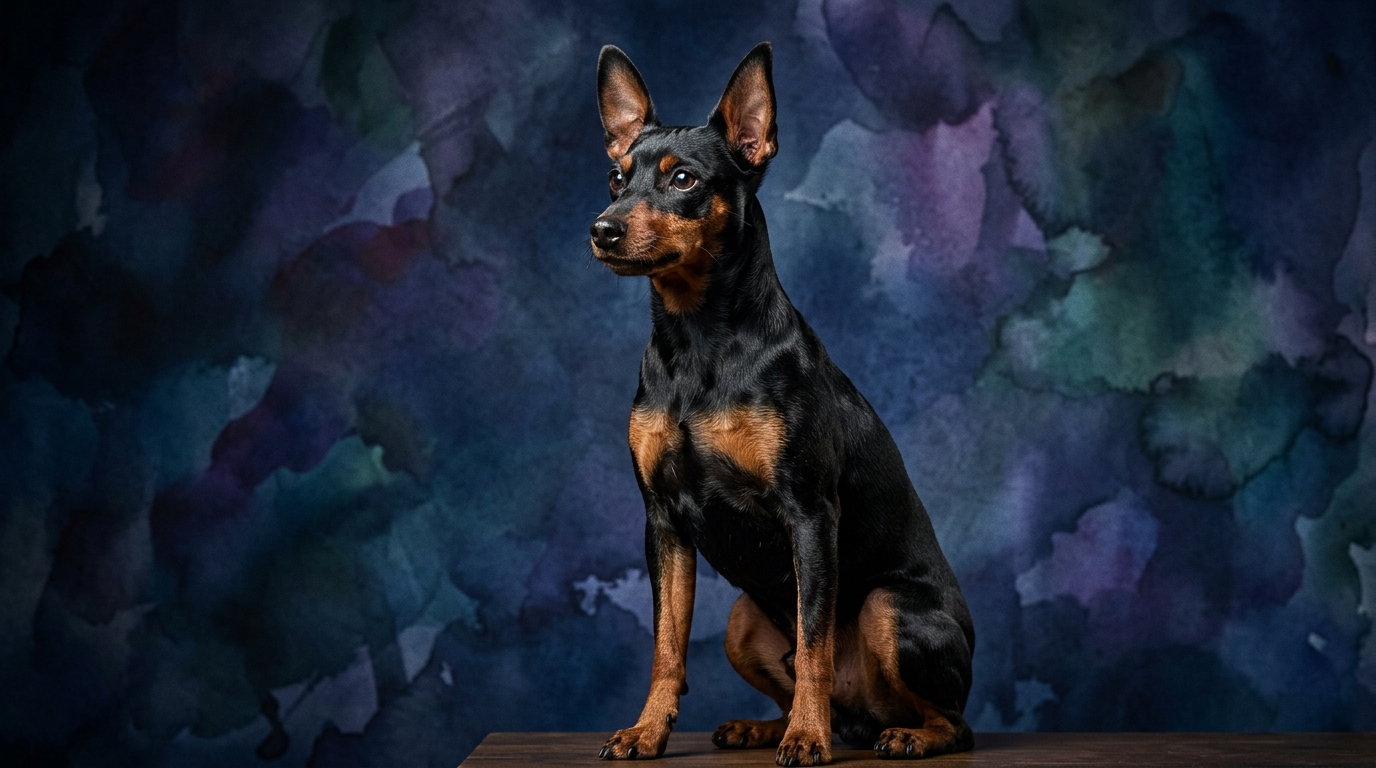
Side-by-Side Cognitive Profiles: Pomeranian vs. Miniature Pinscher
The Cosmic Pet Pet IQ Lab employs a unique five-dimensional framework to assess canine intelligence, moving beyond simple obedience to explore the nuances of a dog's mind. For the Pomeranian, a breed ranked #23 by Stanley Coren, we observe a profile indicating a highly adaptable and socially astute companion. Their Problem Solving is rated at 4/5, suggesting a capacity to navigate complex environmental challenges and figure out puzzle toys with relative ease. Training Speed also stands at 4/5, signifying a quick grasp of new commands and a responsiveness that makes learning a rewarding experience for both dog and owner. Social Intelligence, another strength at 4/5, highlights their ability to keenly interpret human emotions and intentions, fostering a deeply empathetic bond. Their Instinctive Drive is a moderate 3/5, indicating some inherent breed tendencies like alertness or vocalization, but generally well-managed. Finally, Memory is strong at 4/5, meaning they retain learned behaviors and significant experiences effectively over time.
In contrast, the Miniature Pinscher, while not specifically Coren-ranked, presents a consistent and capable cognitive profile. Their Problem Solving ability is rated 3/5, demonstrating competence in solving straightforward tasks, though they might require more structured guidance for novel or intricate challenges. Training Speed is also 3/5, implying they learn at a steady pace, benefiting significantly from consistent, clear reinforcement rather than rapid-fire lessons. Social Intelligence for the Min Pin is 3/5, indicating they understand fundamental social cues and interactions, though they might exhibit a more independent streak or a cautious approach to new people compared to the Pomeranian. Their Instinctive Drive is 3/5, reflecting a pronounced prey drive and territoriality rooted in their historical role, which requires careful management and early socialization. Memory is rated 3/5, suggesting they remember routines and learned skills, but might benefit from occasional refreshers to keep less frequently practiced behaviors sharp.
Where the Pomeranian Excels Cognitively
The Pomeranian's cognitive strengths are evident across multiple dimensions, particularly in areas requiring adaptability, rapid learning, and nuanced social understanding. Their superior Problem Solving (4/5) means they are often more adept at independently deciphering environmental puzzles, whether it's figuring out how to open a cabinet or manipulating a complex treat dispenser. This cognitive agility translates into a dog that can quickly assess and respond to new situations, making them less prone to frustration when faced with unexpected changes in routine or environment. Furthermore, their elevated Training Speed (4/5) and Social Intelligence (4/5) work synergistically; Poms not only grasp commands quickly but also excel at understanding the context and intent behind them, often anticipating their owner's wishes. This makes them highly receptive to advanced obedience, trick training, or even canine sports where a deep partnership and mutual understanding are key. Their robust Memory (4/5) ensures that these learned skills and social lessons are retained over long periods, making their training efforts durable and their social bonds profound.
Distinct Cognitive Strengths of the Miniature Pinscher
While the Miniature Pinscher's scores are consistently at 3/5, this profile highlights a different, equally valuable set of cognitive strengths rather than a deficit. Their instinctive Drive, rated 3/5, is a significant aspect of their intelligence, manifesting as a focused determination that can be a powerful asset. This drive, rooted in their historical role as ratters, translates into a tenacious pursuit of specific goals, whether it’s diligently tracking a scent in a game or exhibiting unwavering vigilance in guarding their perceived territory. This single-minded application of their cognitive resources, combined with their moderate Problem Solving (3/5), allows them to be highly effective in tasks that require persistence and a clear objective. Their self-assured nature, a byproduct of their cognitive independence, means they are often less reliant on constant human direction once a task or routine is understood. Owners who appreciate a dog with a strong will and a purposeful approach to their environment will find the Min Pin's cognitive makeup particularly engaging, rewarding their focused efforts with consistent, clear guidance.
Training Dynamics: Which Breed is Easier to Shape?
Based on the Pet IQ Lab data, the Pomeranian, with a Training Speed of 4/5, generally presents as the more straightforward breed to train. Their higher Social Intelligence (4/5) means they are often more attuned to human cues and possess a stronger innate desire to cooperate, quickly understanding what is expected of them. This allows for a smoother learning curve, enabling them to pick up complex commands and even intricate tricks with fewer repetitions. Their eagerness to please, combined with their problem-solving aptitude, means they often find joy in the training process itself, responding well to positive reinforcement and engaging readily in interactive learning sessions. This makes them excellent candidates for a wide range of activities, from basic manners to competitive obedience.
In contrast, the Miniature Pinscher, with a Training Speed of 3/5, requires a more patient, consistent, and often more creative approach. Their independent nature and strong Instinctive Drive (3/5) mean they can sometimes be more challenging to motivate, often needing handlers to find highly engaging rewards and varied training methods to maintain their focus. Min Pins are intelligent, but their cognitive style leans towards self-direction; they need to understand the 'why' or find the personal incentive in a task. While capable of learning a great deal, the Min Pin benefits immensely from a firm yet positive training regimen that respects their spirited personality and channels their natural tenacity, ensuring that lessons are clear, consistent, and rewarding to build a strong partnership.
Lifestyle Match: Active vs. Relaxed Owners
When considering lifestyle fit, both breeds, despite their Toy group classification, possess distinct energy levels and engagement needs. The Pomeranian, with its moderate Instinctive Drive (3/5) and high Social Intelligence (4/5), can adapt remarkably well to both moderately active and more relaxed owner lifestyles. While they certainly enjoy playtime, walks, and mental stimulation, they are often equally content with indoor activities, cuddling on the couch, or simply observing their human companions. Their adaptability and strong social bond mean they thrive on interaction, whether it's a brisk stroll around the block or a quiet evening spent together. This versatility makes them suitable for owners who appreciate a lively, responsive companion but don't necessarily seek a constant exercise partner, fitting seamlessly into various domestic routines.
The Miniature Pinscher, however, while also rated 3/5 for Instinctive Drive, typically suits more active and engaged owners. Their robust energy level and bold spirit, rooted in their active ratting heritage, benefit significantly from regular physical exercise, consistent mental stimulation, and structured engagement to prevent boredom and channel their natural drives effectively. Owners who enjoy frequent, vigorous walks, active playtime, puzzle toys, and perhaps even participation in dog sports like agility or earthdog trials will find the Min Pin a rewarding, energetic companion. Their independent streak also means they thrive on clear boundaries and consistent leadership, making them an ideal match for owners prepared to invest time in structured activities and training that harnesses their purposeful nature.
The Verdict
Choose the Pomeranian if you seek a highly responsive, adaptable, and quick-learning companion who thrives on social interaction and excels in diverse training disciplines. Their empathetic nature and strong memory make them a joy for owners who value a deeply connected and easily managed pet.
Opt for the Miniature Pinscher if you appreciate a spirited, independent, and tenacious companion, and are willing to invest in consistent training and provide ample physical and mental stimulation to channel their innate drives. They are ideal for active owners who enjoy a dog with a bold personality and a purposeful approach to life.
🧠 Find Your Pet's IQ Score
Our Pet IQ Lab assessment covers 25+ tests across 5 cognitive dimensions — personalized to your breed.
Take the Full IQ Test →Frequently Asked Questions
Are Pomeranians good for first-time dog owners?
Yes, Pomeranians can be excellent for first-time dog owners due to their high social intelligence and training speed. Their eagerness to please and adaptability make them relatively easy to manage and train, fostering a positive first-time ownership experience.
Do Miniature Pinschers bark a lot?
Miniature Pinschers can be prone to barking due to their instinctive drive and territorial nature. Early socialization and consistent training are crucial to manage this behavior, teaching them appropriate times and situations for vocalization.
How much daily exercise do these breeds need?
Pomeranians typically require moderate daily exercise, such as short walks and indoor play, thanks to their adaptable nature. Miniature Pinschers, with their higher energy and drive, benefit from more vigorous and consistent exercise, including longer walks and mentally stimulating activities.