Side-by-Side IQ Profile: Pomeranian vs. Norwegian Lundehund
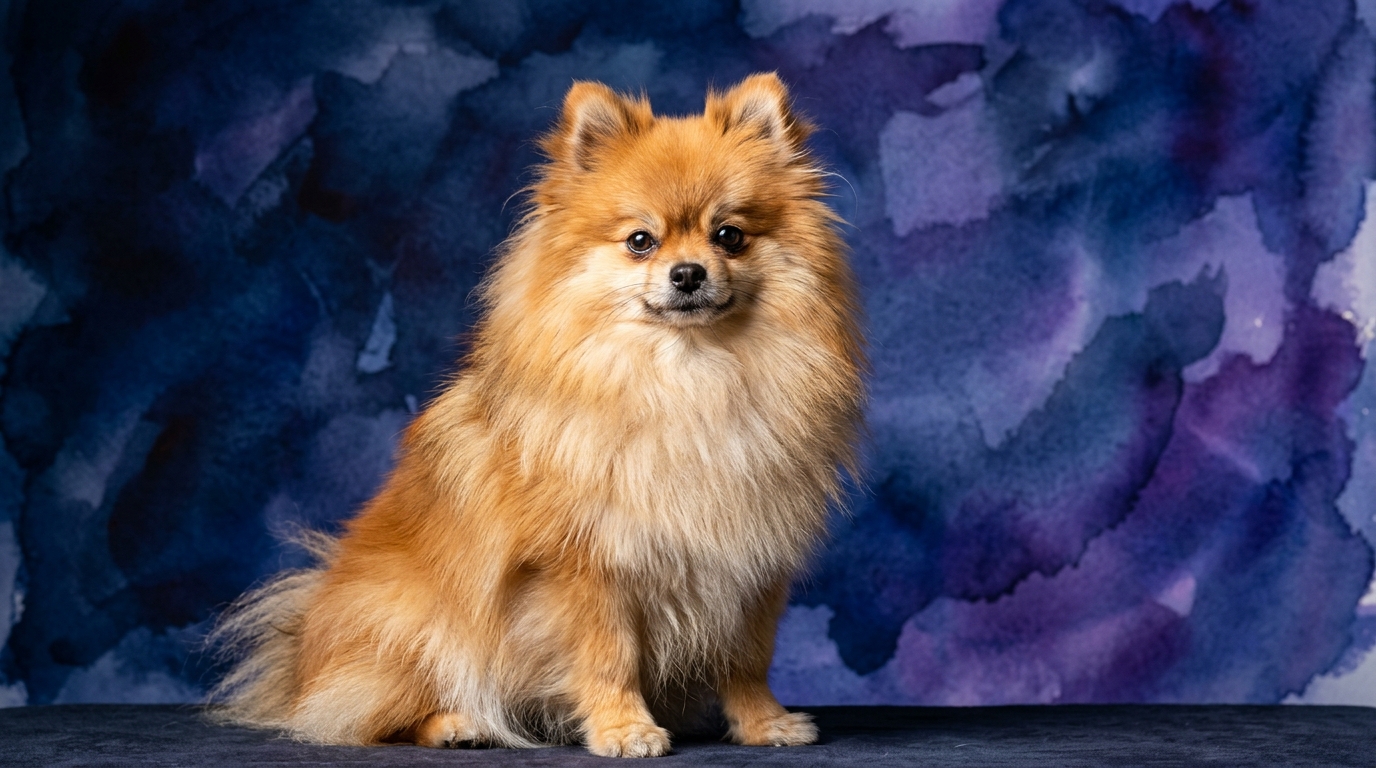
The Pomeranian, a member of the Toy group with a notable Coren rank of #23, presents a robust cognitive profile according to The Cosmic Pet Pet IQ Lab. Their Problem Solving is rated at 4/5, indicating a strong capacity to figure out novel situations and puzzles, often leveraging their surroundings or human interaction. Training Speed also scores 4/5, reflecting their quick grasp of new commands and routines, making them highly receptive to structured learning. Social Intelligence stands at 4/5, highlighting their adeptness at reading human cues, adapting to various social dynamics, and forming strong bonds with their families. Their Memory is also strong at 4/5, allowing them to retain learned behaviors, routines, and specific commands over extended periods. Instinctive Drive, however, is a moderate 3/5, suggesting a present but not overwhelming urge for traditional canine working behaviors like chasing or herding.
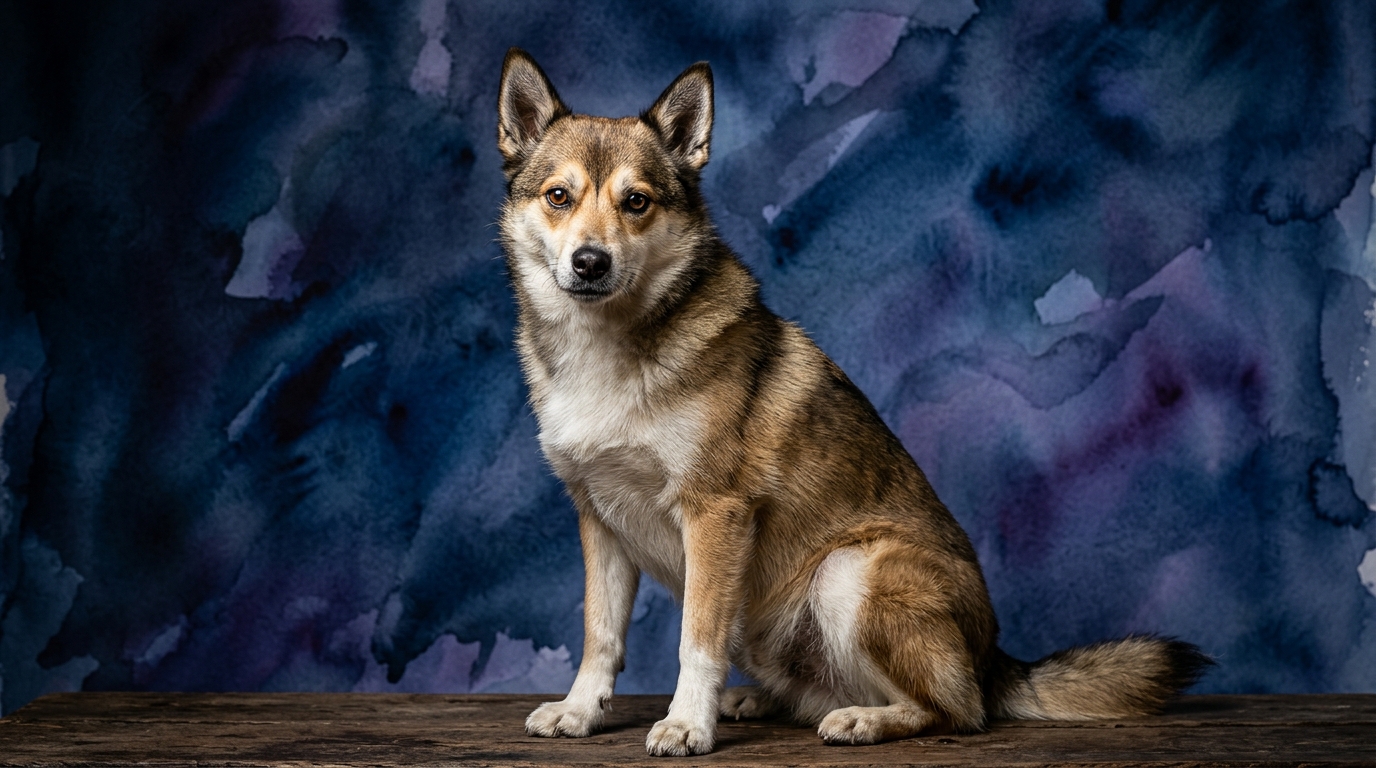
In contrast, the Norwegian Lundehund, a unique breed from the Non-Sporting group and not appearing on Coren's traditional ranking, displays a more specialized and uniform cognitive assessment. Each of their five dimensions – Problem Solving, Training Speed, Social Intelligence, Instinctive Drive, and Memory – is rated at 3/5. This consistent scoring suggests a balanced but perhaps less generalized cognitive approach compared to the Pomeranian. Their Problem Solving at 3/5 implies an ability to navigate challenges, often independently, but perhaps less inclined towards human-directed puzzle-solving. Training Speed at 3/5 means they are capable of learning, but might require more patience and varied methods due to their independent nature. Social Intelligence at 3/5 indicates they are capable of forming bonds and understanding social cues, but may not be as inherently people-focused as some breeds. Their Instinctive Drive, also 3/5, is particularly specialized, focused historically on navigating complex terrains for hunting puffins, rather than broad working tasks. Memory at 3/5 suggests they retain information adequately, especially tasks related to their historical function.
Where the Pomeranian Wins Cognitively
The Pomeranian's cognitive strengths shine brightest in areas demanding quick uptake, social attunement, and adaptable problem-solving. Their 4/5 score in Training Speed means they excel at learning complex sequences of tricks or obedience commands, often delighting owners with their capacity to master new skills rapidly. This aptitude extends beyond basic commands to participation in dog sports like agility, where their mental agility complements their physical nimbleness. Their strong memory allows them to recall these extensive repertoires even after periods of inactivity, making retraining a smoother process.
Furthermore, the Pomeranian's superior Social Intelligence (4/5) gives them a distinct advantage in navigating the human world. They are often highly perceptive of their owner's moods and intentions, leading to a strong emotional bond and an intuitive understanding of household rules and routines. This cognitive sensitivity makes them adept at adapting to various social settings, from quiet evenings at home to bustling family gatherings, provided they are well-socialized. Their problem-solving skills (4/5) are frequently employed in finding ways to get attention or manipulate situations to their advantage, showcasing a subtle but effective form of strategic thinking within a domestic environment.
Where the Norwegian Lundehund Wins Cognitively
While the Lundehund's scores are consistently 3/5, these numbers reflect a highly specialized and ancient form of cognitive aptitude rather than a general deficit. Their Problem Solving (3/5) and Instinctive Drive (3/5) are deeply intertwined with their historical role as puffin hunters in rugged coastal environments. This meant independently navigating treacherous cliffs, squeezing into narrow rock crevices, and retrieving birds without direct human command. Their intelligence is geared towards autonomous task execution in challenging natural settings, where human guidance was minimal.
The Lundehund's memory (3/5) is likely exceptional for recalling complex routes and specific hunting strategies, honed over centuries of adaptation to a unique ecological niche. Their physical adaptations, such as extra toes and extreme flexibility, are not just physical traits but are intrinsically linked to their cognitive approach to their environment—they think about movement and access in ways other breeds do not. This breed's specific cognitive wins lie in their self-reliance, their unique physical problem-solving, and their ability to operate effectively in demanding, unstructured environments, often requiring less direct human oversight for tasks they are naturally inclined to perform.
Which is Easier to Train and Why?
Based on The Cosmic Pet Pet IQ Lab's metrics, the Pomeranian is generally easier to train than the Norwegian Lundehund. The Pomeranian's 4/5 Training Speed and 4/5 Social Intelligence mean they are quicker to pick up new commands and are more inherently motivated by human approval and interaction. They thrive on positive reinforcement and respond well to consistent, engaging training sessions, often eager to please their human companions. Their ability to quickly associate actions with rewards, coupled with their strong memory, makes the learning process efficient and rewarding for both dog and owner.
The Norwegian Lundehund, with a 3/5 score in both Training Speed and Social Intelligence, presents a different training dynamic. Their historical independence, developed from working alone in remote areas, means they are not as inherently driven by a desire to please humans. Training a Lundehund requires significant patience, creativity, and a deep understanding of their unique personality. They respond best to positive reinforcement and engaging methods that make training feel like a game or a puzzle they can solve independently, rather than rote obedience. Their natural inclination towards self-direction means owners must be consistent and find ways to make training relevant to the Lundehund's intrinsic motivations, rather than expecting immediate compliance.
Which Suits Active Owners vs. Relaxed Owners?
The Pomeranian can surprisingly suit a range of owners, though they are particularly well-matched with those who enjoy mental engagement. While energetic, their small size means their physical exercise needs are often met with moderate activity, such as daily walks and indoor play. However, their 4/5 Problem Solving and Social Intelligence mean they thrive on mental stimulation—puzzle toys, learning new tricks, and interactive games are crucial to keep their minds engaged and prevent boredom. A relaxed owner who is willing to dedicate time to mental enrichment and social interaction will find a highly adaptable and affectionate companion. An active owner could certainly involve them in dog sports like agility or obedience, where their cognitive strengths would shine.
The Norwegian Lundehund, on the other hand, is generally better suited for active owners who appreciate and can accommodate their unique physical capabilities and independent nature. Their historical role as agile hunters in challenging terrain means they possess significant stamina and a need for varied physical activity. Simple walks might not be enough; they often benefit from opportunities to explore, climb, and engage in activities that challenge their unique physical structure and specialized problem-solving skills. Their 3/5 Instinctive Drive, while not high in a general sense, is deeply rooted in seeking out and navigating complex environments. Owners who enjoy hiking, exploring, or engaging in unique dog sports that leverage the Lundehund's agility and independence will find a fulfilling partnership. A relaxed owner might struggle to provide the necessary outlets for their physical and mental stimulation, potentially leading to frustration for both dog and human.
The Verdict
Choose the Pomeranian if you seek a highly responsive, trainable companion eager for social interaction and mental games, thriving in a home environment with consistent engagement.
Choose the Norwegian Lundehund if you are an experienced owner valuing independence, unique physical capabilities, and are prepared to engage a dog with specialized cognitive strengths in activities that challenge their natural instincts.
🧠 Find Your Pet's IQ Score
Our Pet IQ Lab assessment covers 25+ tests across 5 cognitive dimensions — personalized to your breed.
Take the Full IQ Test →Frequently Asked Questions
Are Norwegian Lundehunds difficult to train compared to Pomeranians?
Yes, Lundehunds generally require more patience and consistency in training due to their independent nature and 3/5 Training Speed, contrasting with the Pomeranian's quicker 4/5 Training Speed and eagerness to please. Their historical role means they are less inclined towards broad obedience and more towards autonomous action.
Do Pomeranians require a lot of mental stimulation despite their size?
Absolutely. With 4/5 Problem Solving and Social Intelligence, Pomeranians thrive on mental challenges like puzzle toys, learning new tricks, and engaging in interactive play. Neglecting their mental needs can lead to boredom and potentially undesirable behaviors, highlighting that size does not dictate cognitive needs.
What unique cognitive traits does the Lundehund possess related to its history?
The Lundehund's cognitive traits are deeply tied to its puffin-hunting past, including specialized problem-solving for navigating complex terrain and extreme physical flexibility. Their 3/5 Instinctive Drive is geared towards autonomous exploration and task execution in challenging natural environments, making them uniquely adapted for independent work.