Side-by-Side Cognitive Profiles
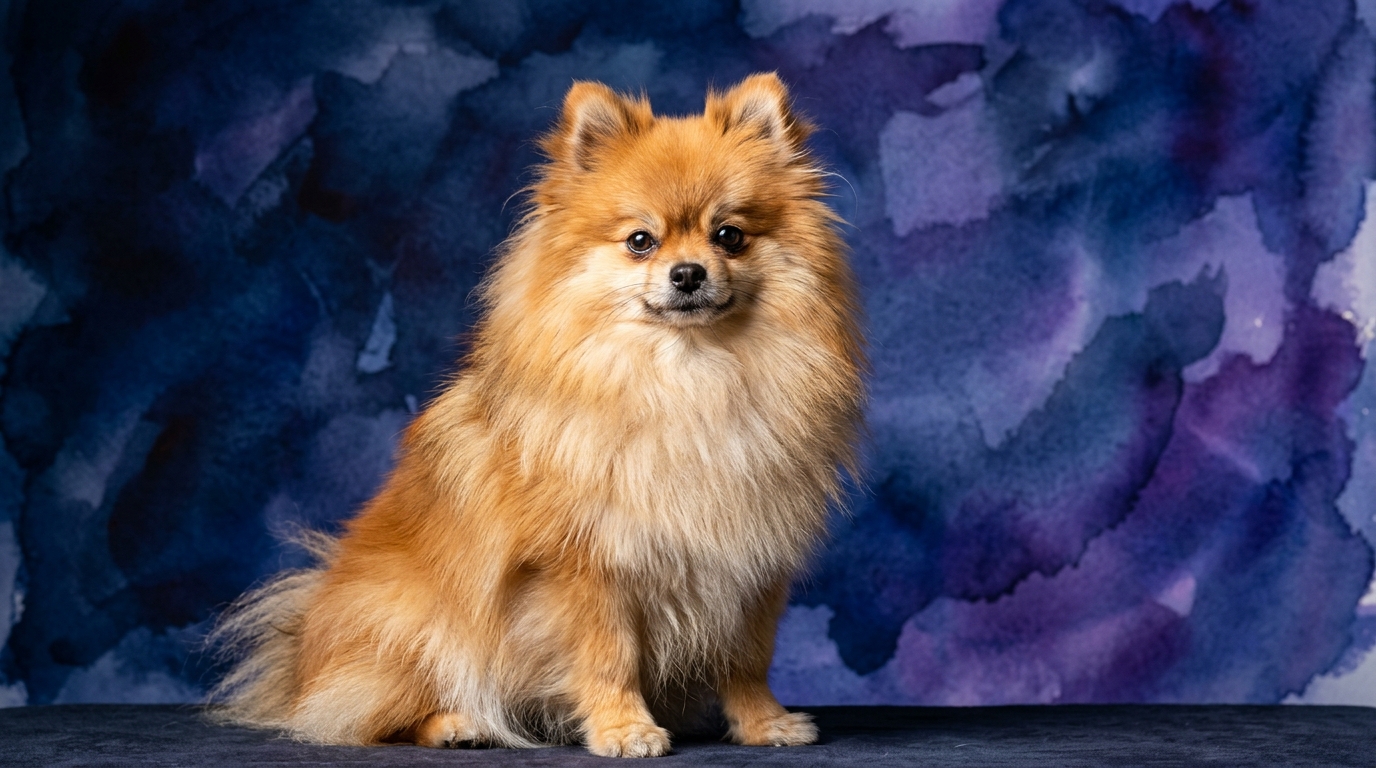
Our Cosmic Pet IQ Lab assesses canine intelligence across five critical dimensions: problem solving, training speed, social intelligence, instinctive drive, and memory. For the Pomeranian, a Toy breed ranked #23 by Coren, its profile is robust: Problem Solving 4/5, Training Speed 4/5, Social Intelligence 4/5, Instinctive Drive 3/5, and Memory 4/5. This suggests a highly perceptive and adaptable companion, quick to grasp new concepts and keenly aware of its social environment. Their moderate instinctive drive is often channeled into playful pursuits and alert barking, rather than intense hunting.
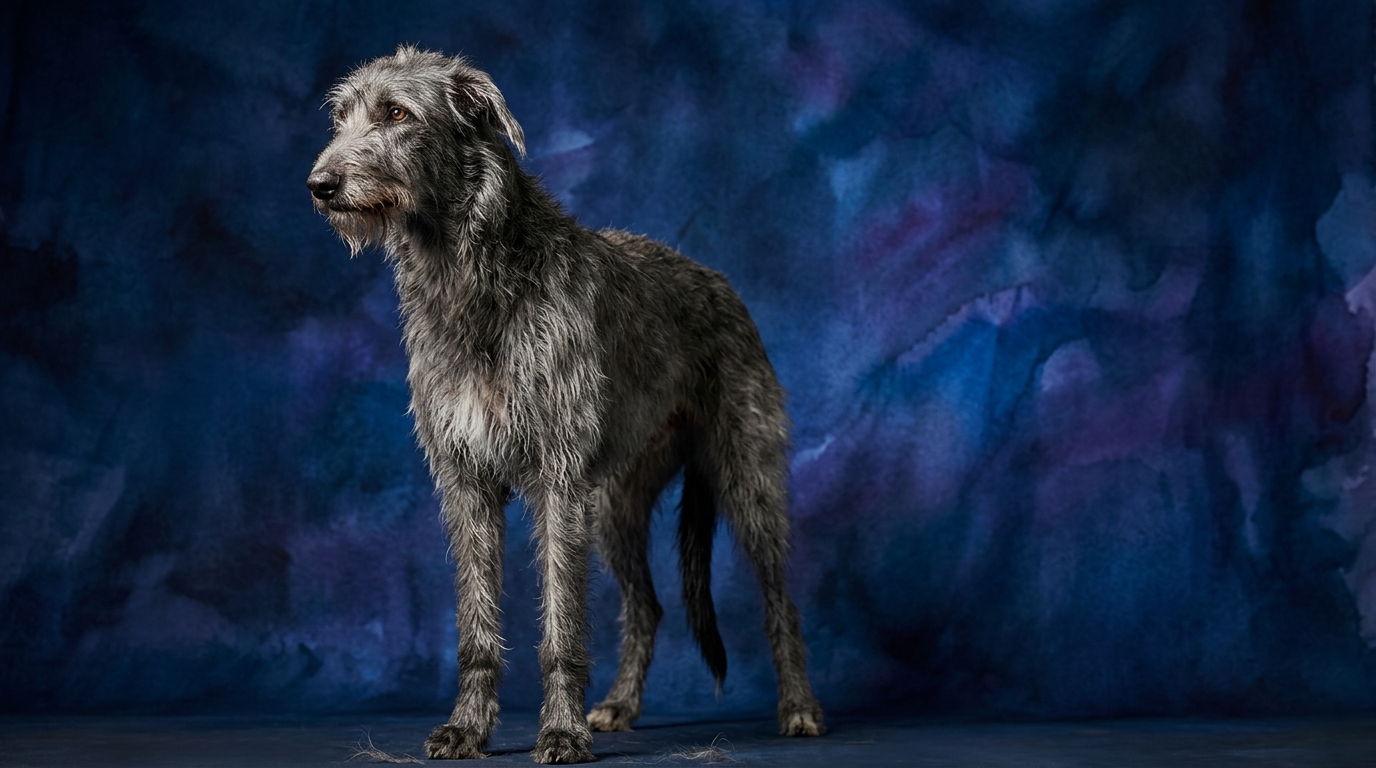
In contrast, the Scottish Deerhound, a majestic Hound breed not currently Coren-ranked, presents a profile of consistent capability: Problem Solving 3/5, Training Speed 3/5, Social Intelligence 3/5, Instinctive Drive 3/5, and Memory 3/5. This indicates a dog that is certainly capable of learning and understanding, though perhaps requiring more patience and repetition than its smaller counterpart. Their social intelligence is solid, allowing for harmonious living, and their instinctive drive, while also a 3/5, manifests very differently, rooted deeply in their heritage as sighthounds built for independent pursuit and endurance. Their memory is reliable, but may not retain complex sequences as swiftly.
Where the Pomeranian Shines Cognitively
The Pomeranian's cognitive strengths are evident in its higher scores across most dimensions. Its 4/5 in Problem Solving signifies a dog that can quickly assess novel situations and devise solutions, whether it's figuring out a complex puzzle toy or navigating an obstacle course. This isn't just about physical dexterity; it's about mental agility in spatial reasoning and strategic thinking. Owners frequently observe their Poms quickly understanding cause-and-effect, like how to open a treat container or get attention through specific behaviors.
Furthermore, the Pomeranian's 4/5 in Training Speed and Memory contribute to its reputation as a swift learner. They typically pick up new commands with fewer repetitions and retain them over long periods, making them excellent candidates for obedience, agility, or even trick training. Their exceptional Social Intelligence (4/5) means they are highly attuned to human emotions and cues, often seeming to anticipate their owner's moods or intentions. This makes them remarkably responsive and empathetic companions, adept at reading subtle body language and vocal tones, fostering a deeply connected bond.
The Scottish Deerhound's Unique Cognitive Strengths
While the Scottish Deerhound's general scores are lower, its cognitive profile reflects a specialized, functional intelligence honed by centuries of selective breeding for specific tasks. Its 3/5 in Instinctive Drive is a profound strength in its breed context, reflecting an intense, focused pursuit drive. This isn't merely a physical urge; it involves sophisticated cognitive processes like long-distance visual tracking, independent decision-making during a chase, and an enduring mental stamina required to sustain focus over vast distances and varied terrain. They possess a keen awareness of their surroundings, constantly processing visual stimuli.
The Deerhound's 3/5 in Problem Solving, while not as high as the Pomeranian's, manifests as a different kind of intellectual prowess. Rather than quick, intricate puzzle-solving, their problem-solving often involves strategic navigation of open spaces, assessing wind direction for scent, or determining the most efficient path to intercept prey. This requires spatial reasoning, predictive analysis, and an independent spirit that values self-reliance over constant human direction. Their memory, also a 3/5, is reliable for retaining crucial information related to their environment and routine, though perhaps not for complex, multi-step commands unrelated to their natural inclinations. They might remember a favored running path or the location of a specific squirrel for weeks, demonstrating a practical, rather than performative, memory.
Training: A Tale of Two Approaches
When it comes to ease of training, the data clearly favors the Pomeranian with its 4/5 Training Speed compared to the Scottish Deerhound's 3/5. Pomeranians are typically eager to please and highly motivated by positive reinforcement, quickly forming associations between commands and rewards. Their high social intelligence also makes them very receptive to human instruction, often thriving in structured training environments where they can engage closely with their owners. Their smaller size and inherent desire for interaction further contribute to their trainability, making them adaptable to various training methods and settings.
The Scottish Deerhound, conversely, often requires a more patient and nuanced training approach. As sighthounds, they possess an independent streak and a deep-seated instinctive drive to chase. While they are certainly capable of learning, their attention can be easily diverted by moving objects or interesting scents in the environment. Their lower training speed score means more repetitions are often necessary for commands to become solidified, and trainers must consistently provide motivation that aligns with their inherent nature, such as opportunities for controlled running or scent work. Their impressive size and strength also mean early and consistent socialization and leash training are paramount, focusing on clear communication and building a strong, respectful bond rather than expecting immediate, eager compliance.
Matching Canine Cognition to Owner Lifestyle
The distinct cognitive profiles of these two breeds naturally align with different owner lifestyles. The Pomeranian, with its high problem-solving and social intelligence, is an excellent fit for owners who enjoy consistent mental engagement with their pets. They thrive on interactive play, learning new tricks, and being an integral part of family activities. Their adaptability means they can be content with urban living, enjoying brisk walks and indoor games, yet are equally happy accompanying owners on more adventurous outings. They suit individuals or families who appreciate a dog that is always 'tuned in' and ready for intellectual stimulation, making them ideal companions for those who enjoy active, mentally stimulating interactions.
The Scottish Deerhound, with its specialized instinctive drive and independent problem-solving, is best suited for active owners who understand and can accommodate a sighthound's unique needs. They require significant space for secure, off-leash running to satisfy their inherent chase drive and maintain both physical and mental well-being. While calm and gentle indoors, their need for bursts of intense exercise is non-negotiable. They are ideal for owners who appreciate a dog with a noble, somewhat reserved demeanor, who can provide ample opportunities for their breed-specific exercise, and who are comfortable with a companion whose cognitive strengths lie in focused, independent outdoor activities rather than constant human-directed tasks. They are not the best choice for purely relaxed owners seeking a sedentary lapdog, but rather for those who embrace a lifestyle that includes dedicated outdoor time and appreciate a gentle giant's quiet companionship indoors after their needs are met.
The Verdict: Choosing Your Canine Companion
Understanding the nuanced cognitive differences between the Pomeranian and the Scottish Deerhound is key to finding your ideal companion. Both breeds offer unique joys, but their intellectual makeup guides their suitability for various homes and lifestyles.
The Verdict
Choose the Pomeranian if you seek a quick-witted, highly interactive companion that thrives on mental engagement, learns rapidly, and adapts well to various living situations, offering a blend of playful energy and affectionate loyalty.
Opt for the Scottish Deerhound if you cherish an independent, gentle giant, possess the space for their significant exercise needs, appreciate a dog with deep, focused instinctive drive, and value a calm indoor demeanor once their physical and mental stimulation needs are met.
🧠 Find Your Pet's IQ Score
Our Pet IQ Lab assessment covers 25+ tests across 5 cognitive dimensions — personalized to your breed.
Take the Full IQ Test →Frequently Asked Questions
Is a Pomeranian good at learning tricks?
Yes, with a Training Speed score of 4/5 and high Problem Solving, Pomeranians are generally excellent at learning tricks. They enjoy mental challenges and thrive on positive reinforcement, often picking up new commands and complex sequences with enthusiasm and speed.
Do Scottish Deerhounds need a lot of mental stimulation?
Scottish Deerhounds do need mental stimulation, particularly opportunities to engage their instinctive drive. While not typically suited for intricate puzzle toys, they benefit greatly from activities that allow them to use their sighthound senses, such as secure off-leash running, exploring new environments, or engaging in scent work, which fulfills their natural cognitive predispositions.
Which breed is more adaptable to apartment living?
The Pomeranian is significantly more adaptable to apartment living due to its small size and moderate exercise requirements. While they still need regular walks and mental engagement, their activity can often be managed indoors. The Scottish Deerhound, conversely, requires substantial space and regular, vigorous outdoor exercise, making apartment living generally unsuitable for their well-being.