Side-by-Side IQ Profile
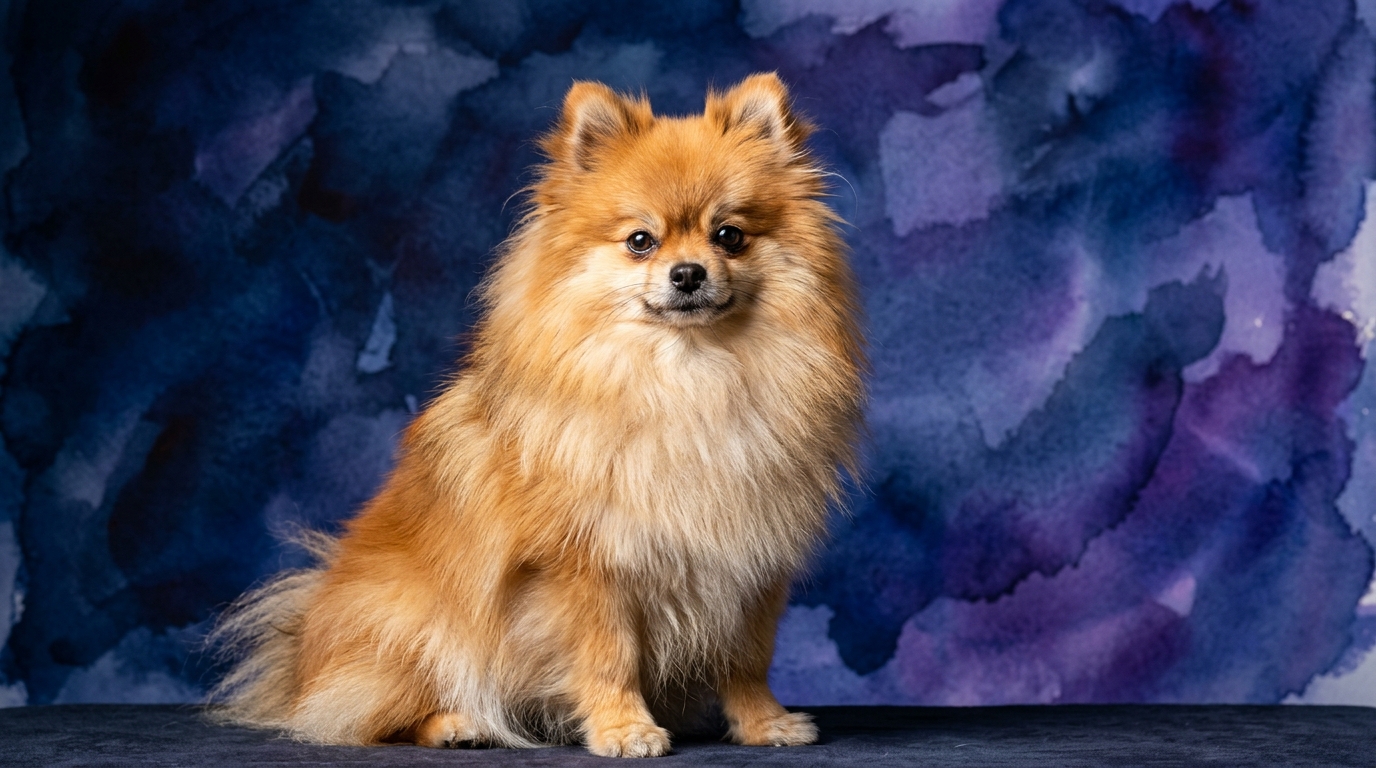
At The Cosmic Pet Pet IQ Lab, we assess canine intelligence across five key dimensions. The Pomeranian, a Toy group dog, holds a Coren rank of #23, indicating a strong capacity for obedience and working intelligence. Its profile includes Problem Solving 4/5, Training Speed 4/5, Social Intelligence 4/5, Instinctive Drive 3/5, and Memory 4/5. These scores collectively paint a picture of a highly engaged and adaptable learner.
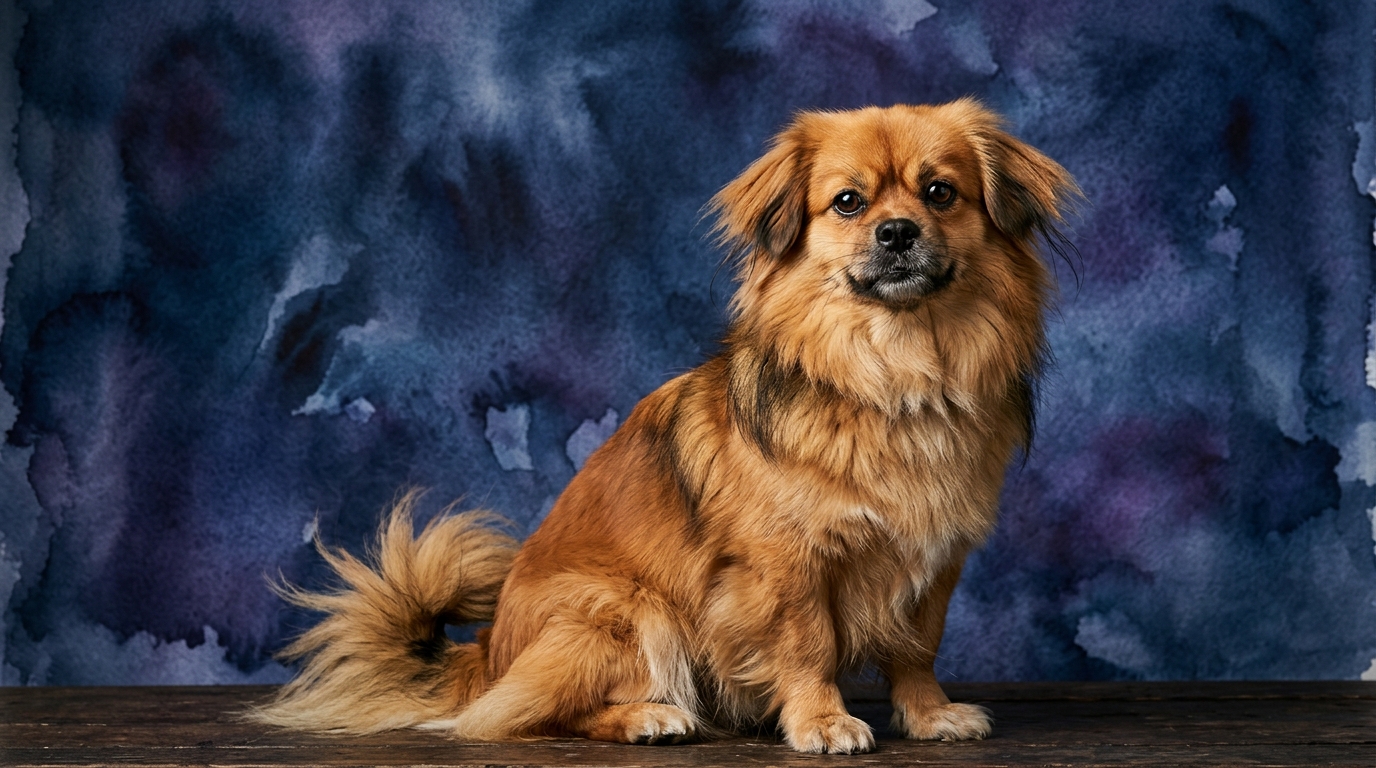
In contrast, the Tibetan Spaniel, a Non-Sporting breed, is not Coren-ranked. Its IQ profile shows more moderate scores: Problem Solving 3/5, Training Speed 3/5, Social Intelligence 3/5, Instinctive Drive 3/5, and Memory 3/5. This suggests a different cognitive style, one that might prioritize observation and self-possession over constant active engagement in problem-solving or rapid learning.
Where Pomeranian Wins Cognitively
The Pomeranian's cognitive strengths shine brightly in areas demanding quick wit and adaptability. Their 4/5 Problem Solving means they adeptly navigate household challenges, like figuring out puzzle toys or strategizing for attention. This breed's superior Training Speed (4/5) translates into rapid command acquisition, making them a joy for owners who relish teaching complex sequences or dog sports. Furthermore, their Social Intelligence (4/5) enables fine-tuned responses to human emotions, fostering highly responsive interactions. They often anticipate needs, offering comfort or initiating play with remarkable timing. Their excellent Memory (4/5) ensures learned behaviors stick, making long-term training highly rewarding.
Where Tibetan Spaniel Wins Cognitively
While the Tibetan Spaniel's scores are numerically lower, their cognitive profile offers distinct advantages. Their 3/5 Problem Solving often means they are less prone to outsmarting boundaries or constantly seeking mischief, content with established routines. This can be a 'win' for owners desiring a more predictable, less cognitively demanding companion. Their 3/5 Social Intelligence, while indicating a degree of independence, also means they are less likely to be overly clingy or suffer intense separation anxiety, fostering self-reliance. They form strong loyal bonds, often on their own terms, offering companionship without constant solicitousness. The consistency across their 3/5 scores suggests a balanced, less extreme cognitive makeup, translating into a calm, stable presence for those valuing quiet companionship.
Which is Easier to Train and Why
When evaluating ease of training, the Pomeranian generally presents a more straightforward path. With 4/5 Training Speed and Problem Solving, Pomeranians typically pick up commands with impressive swiftness. They respond well to positive reinforcement and show eagerness to please, making them receptive to complex tricks or obedience. Their social intelligence quickly aids understanding and behavioral adjustment. Conversely, the Tibetan Spaniel, with its 3/5 ratings, requires a more patient, consistent approach. Their independent streak, from historical watchdog roles, can manifest as thoughtful rather than immediate responses. While capable, they might need more repetitions, making clear, positive reinforcement and a strong bond essential for successful training.
Which Suits Active Owners vs Relaxed Owners
For active owners who enjoy engaging their dog in various mental and physical activities, the Pomeranian is often more fitting. Their higher social intelligence and problem-solving skills mean they thrive on interactive play, puzzle toys, and consistent mental challenges. They enjoy learning tricks and participating in agility, readily joining family activities. In contrast, the Tibetan Spaniel's slightly lower cognitive intensity and independent social intelligence suit relaxed owners. They appreciate routine, gentle walks, and quiet companionship. While they enjoy interaction, they are often content to observe or curl up without demanding constant engagement. Their balanced drives mean they are less likely to create 'entertainment' through destructive behaviors, ideal for a calm canine presence.
The Verdict
Choose a Pomeranian if you seek a highly interactive companion eager to learn, solve puzzles, and engage deeply in family activities, thriving on consistent mental stimulation and responsive training.
Opt for a Tibetan Spaniel if you prefer a more independent, calm companion who appreciates routine, offers quiet loyalty, and requires a patient, consistent training approach without constant mental demands.
🧠 Find Your Pet's IQ Score
Our Pet IQ Lab assessment covers 25+ tests across 5 cognitive dimensions — personalized to your breed.
Take the Full IQ Test →Frequently Asked Questions
Do Pomeranians get bored easily if not mentally stimulated?
Yes, due to their 4/5 problem-solving and social intelligence, Pomeranians can become restless or develop unwanted behaviors if their minds aren't adequately challenged. They thrive on puzzle toys, training sessions, and interactive play to keep them engaged and content.
Are Tibetan Spaniels difficult to train because of their independence?
Tibetan Spaniels are not inherently difficult, but their 3/5 training speed and independent streak mean they require more patience and consistency. Positive reinforcement and building a strong, trusting bond are crucial, as they may take more repetitions to master commands.
How do their differing social intelligence scores impact household dynamics?
A Pomeranian's 4/5 social intelligence means they are highly attuned to family, seeking interaction and adapting easily. A Tibetan Spaniel's 3/5 score suggests affection but more independence, potentially less demonstrative with strangers and requiring time to warm up, offering quieter companionship.