Side-by-Side Cognitive Profiles: A Deeper Look
The Cosmic Pet Pet IQ Lab assesses canine intelligence across five critical dimensions: Problem Solving, Training Speed, Social Intelligence, Instinctive Drive, and Memory. While both the Portuguese Water Dog (PWD) and the Norwegian Lundehund (NL) register a solid 3 out of 5 across all these categories, the *manifestation* of these scores is deeply shaped by their ancestral roles and physical adaptations, offering a rich tapestry of distinct cognitive styles.
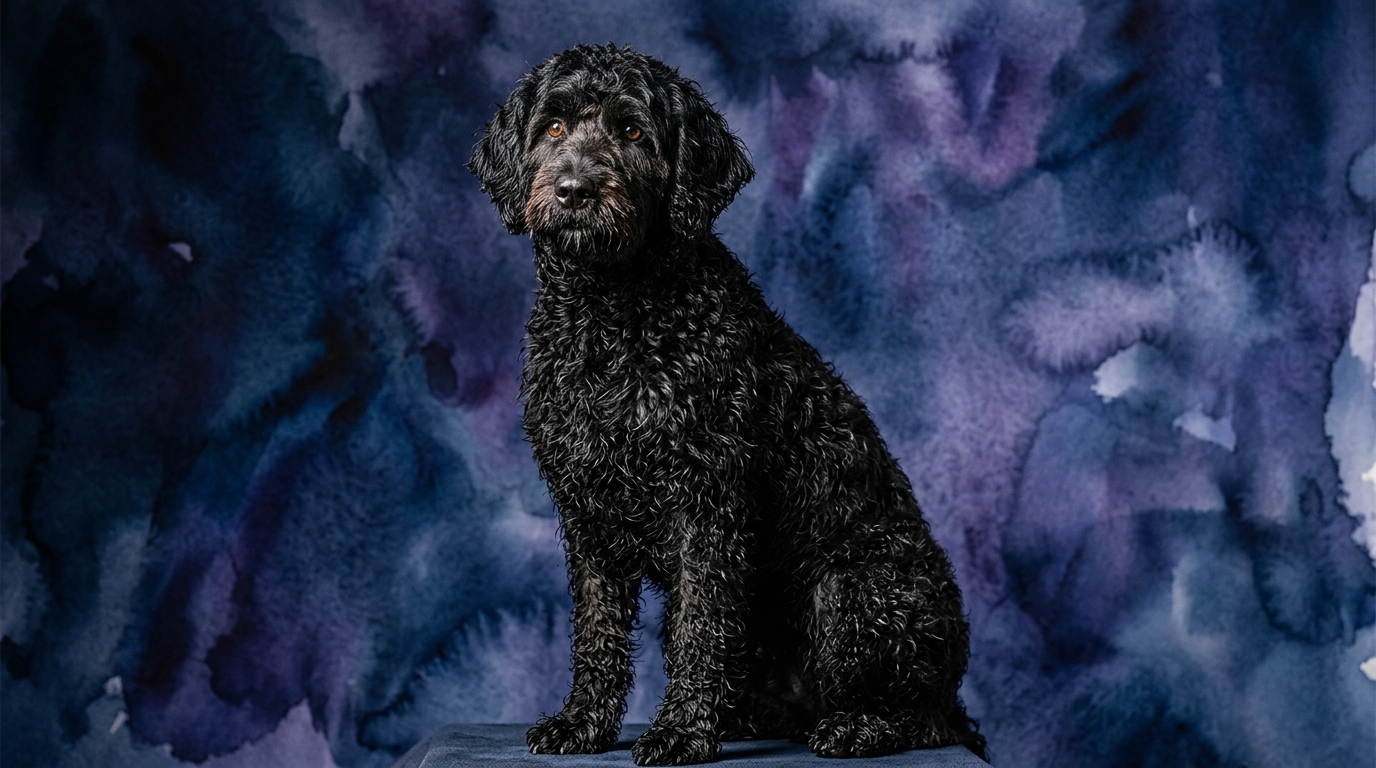
For the **Portuguese Water Dog**, a breed rooted in maritime work, their Problem Solving (3/5) often manifests as a methodical, task-oriented approach, like figuring out how to retrieve objects from water or navigating complex boat environments. Their Training Speed (3/5) reflects an eagerness to learn commands for practical partnership, making them responsive to consistent instruction. Social Intelligence (3/5) developed from close collaboration with fishermen, enabling them to keenly interpret human cues and intentions. Their Instinctive Drive (3/5) is strongly tied to water work and retrieving, a desire to engage in purposeful activity alongside their handler. Finally, their Memory (3/5) would have been crucial for recalling complex routines, specific commands, and the locations of fishing gear.
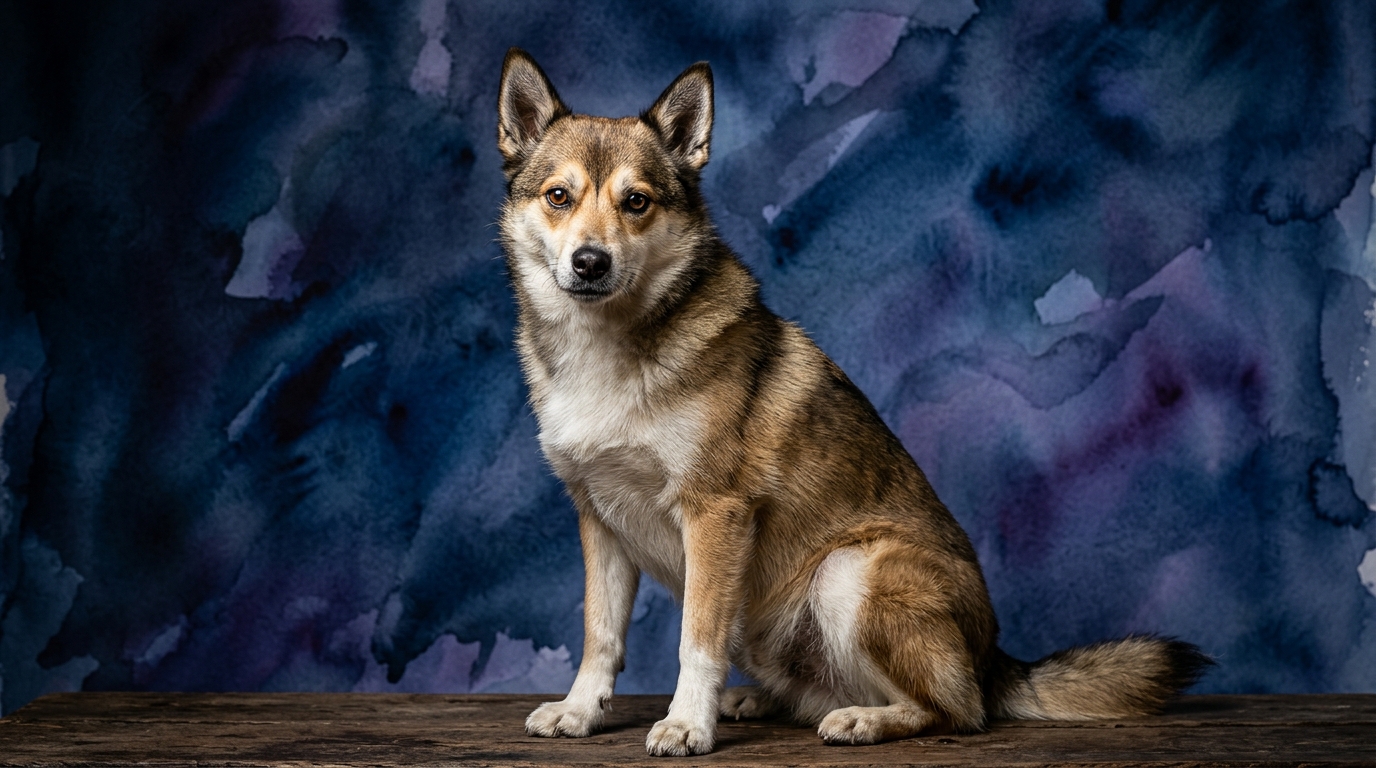
The **Norwegian Lundehund**, an ancient breed specialized in hunting puffins on treacherous cliffs, exhibits Problem Solving (3/5) centered on physical agility and spatial navigation, such as squeezing into tight crevices or planning routes across uneven terrain. Their Training Speed (3/5), while present, is often influenced by their independent nature; they learn quickly if motivated by curiosity or a specific reward but may be selective. Social Intelligence (3/5) for Lundehunds involves understanding their place within a family unit, but with a strong sense of self-reliance rather than an inherent eagerness to please. Their Instinctive Drive (3/5) is intensely focused on exploration, burrowing, and investigating, a testament to their specialized hunting heritage. Their Memory (3/5) is particularly strong for spatial details, allowing them to recall intricate burrow systems and cliff paths.
Where the Portuguese Water Dog Shines Cognitively
The Portuguese Water Dog's cognitive strengths are intrinsically linked to their historical role as a fisherman's indispensable assistant. Their Problem Solving (3/5) excels in contexts requiring sequential thought and a methodical approach, such as learning a multi-step fetch routine where specific items must be retrieved in order, or systematically figuring out how to open a complex puzzle toy. This demonstrates a cognitive aptitude for understanding and executing structured tasks with precision.
Furthermore, the PWD’s Social Intelligence (3/5) is particularly pronounced in their capacity for collaborative partnership. They often display an uncanny ability to anticipate human needs and desires within a working context, moving to retrieve a dropped item before being asked, or adapting their behavior based on subtle shifts in their owner's mood or instructions. This deep attunement to human interaction makes them exceptionally responsive and engaged companions in shared activities.
Where the Norwegian Lundehund Excels Cognitively
The Norwegian Lundehund's cognitive prowess is a testament to its highly specialized evolutionary niche. Their Problem Solving (3/5) is remarkable in situations demanding physical dexterity and creative spatial reasoning. Unlike the PWD's methodical approach, a Lundehund might quickly assess a new environment, identifying the most obscure or challenging route through obstacles, or figuring out how to contort their unique, flexible bodies to access seemingly impossible spaces. This reflects an improvisational and physically integrated form of intelligence.
Their Instinctive Drive (3/5) is not merely a general prey drive but a deeply ingrained, nuanced urge to explore, investigate, and burrow. This drive fuels their relentless curiosity, prompting them to thoroughly examine every nook and cranny. Coupled with their excellent Memory (3/5) for spatial details, they can recall the intricate layouts of burrows, the precise locations of objects they've investigated, and safe paths, making them tenacious and thorough explorers of their world.
Training Aptitude: PWD's Eagerness vs. Lundehund's Independence
Despite both breeds scoring 3/5 in Training Speed, the practical experience of training a Portuguese Water Dog versus a Norwegian Lundehund can differ significantly due to their underlying behavioral motivations. The PWD, with its history of active collaboration, generally approaches training with an eager, cooperative spirit. Their strong social intelligence and inherent desire to work alongside humans mean they often find intrinsic reward in pleasing their handler and performing tasks. They typically learn and retain commands consistently, especially when training is engaging, varied, and taps into their methodical problem-solving and memory for sequential tasks.
The Norwegian Lundehund, while equally capable of learning, approaches training with a distinct independence. Their problem-solving and instinctive drive, honed for solitary hunting, means they are often motivated by curiosity and personal interest rather than a strong desire to please. Training a Lundehund requires understanding their self-reliant nature; they learn quickly when the task is novel, challenging, or offers a tangible reward that aligns with their exploratory instincts. However, they may decide a command isn't worth their effort if it doesn't align with their current priorities, requiring patience, consistency, and a highly motivating approach to maintain engagement. Their memory for routines is good, but their selective obedience can sometimes make them appear stubborn to an inexperienced handler.
Lifestyle Compatibility: Active Companions vs. Independent Explorers
For active owners seeking a highly engaged and collaborative partner, the Portuguese Water Dog is an excellent match. Their instinctive drive (3/5) for work and robust physical capabilities mean they thrive with consistent, vigorous exercise that stimulates both body and mind, such as agility, dock diving, or long hikes. Their social intelligence (3/5) makes them exceptional partners for these activities, as they are keenly attuned to their owner's participation and enthusiasm. A relaxed owner might find the PWD's consistent need for engagement overwhelming, potentially leading to boredom-driven behaviors if their cognitive and physical needs are not adequately met.
The Norwegian Lundehund, while physically capable and requiring exercise, suits a different type of active owner, or even a more relaxed owner who appreciates independence. Their activity requirements often prioritize exploration and mental stimulation over constant, high-intensity output. Owners who enjoy unique dog behaviors, such as intricate climbing or thorough investigation of environments, will appreciate the Lundehund's specialized instinctive drive (3/5) and problem-solving (3/5) abilities. They can be content with moderate daily walks and ample opportunities to investigate their surroundings, but they also require highly secure environments due to their strong exploratory instincts and ability to escape. For relaxed owners, the Lundehund’s capacity for independent activity can be a boon, provided their cognitive needs for investigation are met without constant human direction.
The Verdict
Choose the Portuguese Water Dog if you seek a highly collaborative, eager-to-please partner for active lifestyles and enjoy engaging in diverse training and dog sports, valuing their methodical problem-solving and deep social bond.
Opt for the Norwegian Lundehund if you appreciate a unique, independent explorer with remarkable physical and spatial problem-solving skills, and are prepared to engage with their innate curiosity and specialized drives for investigation.
🧠 Find Your Pet's IQ Score
Our Pet IQ Lab assessment covers 25+ tests across 5 cognitive dimensions — personalized to your breed.
Take the Full IQ Test →Frequently Asked Questions
Do Portuguese Water Dogs and Norwegian Lundehunds have similar exercise needs?
While both breeds require regular exercise, their needs differ in quality. PWDs thrive on consistent, high-intensity activities that involve their owner, whereas Lundehunds benefit more from opportunities for independent exploration and mental challenges in varied environments, rather than constant owner-led engagement.
Are either of these breeds good for first-time dog owners?
The Portuguese Water Dog can be a good choice for committed first-time owners willing to dedicate time to consistent training and ample exercise, as their eagerness to please aids the learning process. The Norwegian Lundehund, due to its independent nature and unique behavioral traits, might be more challenging for a novice owner who may not understand their specific motivations.
How do their social intelligence scores of 3/5 manifest differently in each breed?
For the PWD, 3/5 social intelligence translates to a strong desire for human partnership and responsiveness to cues within a working context, making them attuned companions. For the Lundehund, it means understanding pack dynamics and being affectionate, but with a greater emphasis on individual agency and less inherent drive to please, often preferring to engage on their own terms.