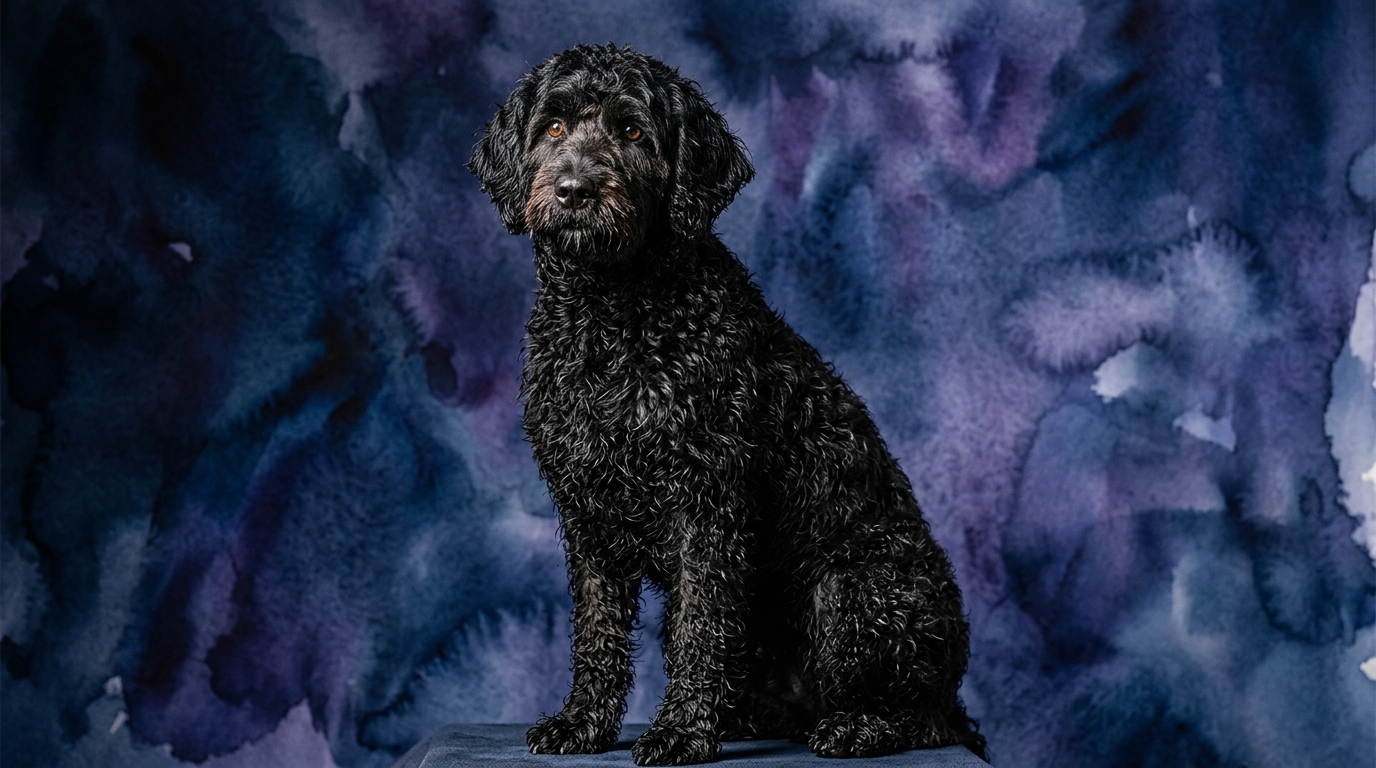
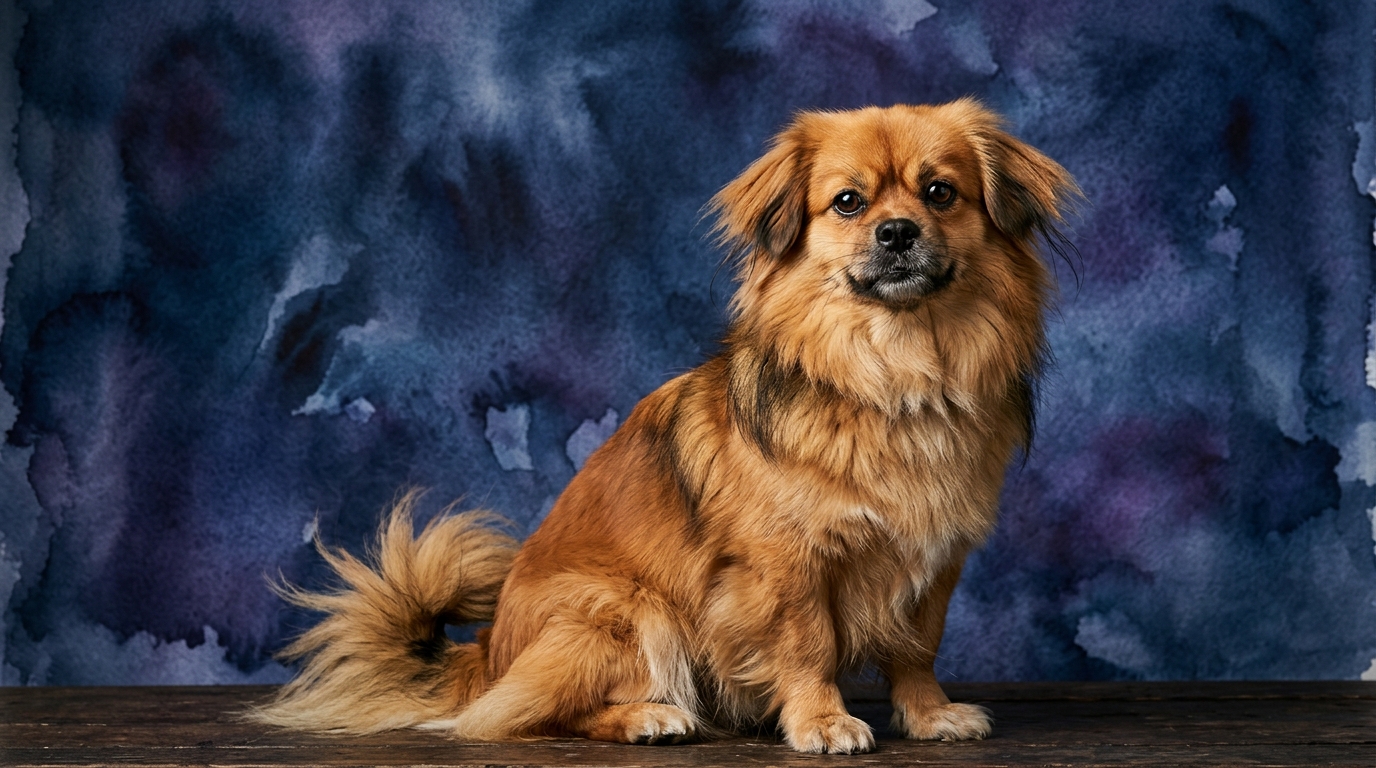
Side-by-Side Cognitive Profile: Unpacking Identical Scores
At first glance, the Portuguese Water Dog (PWD) and the Tibetan Spaniel (Tibbie) share the same 3/5 rating across all five cognitive dimensions: Problem Solving, Training Speed, Social Intelligence, Instinctive Drive, and Memory. However, these identical scores don't imply identical mental processes; rather, they highlight different expressions of cognitive capacity rooted in their distinct histories and breed purposes. Understanding these nuances is key to appreciating their individual forms of mental dexterity.
For the Portuguese Water Dog, a 3/5 in Problem Solving reflects a practical, task-oriented cleverness. Historically, these dogs were fishermen's companions, retrieving lost gear, herding fish into nets, and even carrying messages between boats. Their problem-solving acumen is geared towards overcoming physical obstacles or strategizing to achieve a tangible goal, such as figuring out how to open a cabinet or navigating a complex agility course. This is not abstract thought, but rather efficient, purposeful action.
Their 3/5 Training Speed indicates a dog that learns readily when motivated by purpose and engagement. PWDs are generally eager to participate and grasp new commands with consistency, but their independent working spirit means they aren't necessarily instant, robotic learners. They excel when training is a collaborative, mentally stimulating activity rather than rote repetition, thriving on variety and challenges that tap into their innate drives.
A 3/5 in Social Intelligence for the PWD signifies a capacity to form strong bonds and read human cues, yet also maintain a degree of independence. They are perceptive regarding their family's moods and intentions but can be discerning or reserved with strangers. Their social cognition is attuned to partnership and collaboration in a working context, making them responsive to their handler's directions while also capable of independent decision-making when necessary.
The PWD's 3/5 in Instinctive Drive points to a robust inclination towards activity, retrieving, and aquatic pursuits. This drive isn't just about physical energy; it’s a powerful internal motivator for purposeful engagement. Without appropriate outlets, this drive can manifest as boredom or destructive behaviors, as their minds are constantly seeking a 'job' to do, reflecting their heritage as working water dogs.
Finally, a 3/5 in Memory for the Portuguese Water Dog means they possess a solid ability to retain commands, routines, and experiences. They remember complex sequences of tasks and can recall specific locations or individuals over time. This cognitive strength is crucial for dogs expected to perform intricate, multi-step duties reliably, making them dependable partners in various activities and daily life.
Turning to the Tibetan Spaniel, their 3/5 in Problem Solving manifests differently. Bred as companions and watchful sentinels in Tibetan monasteries, their cleverness often revolves around navigating social situations or optimizing their comfort. A Tibbie might 'problem solve' how to gain attention, subtly manipulate a situation for a treat, or find the warmest, most strategic sunbeam. Their solutions are often less about physical tasks and more about social negotiation and environmental mastery within a domestic setting.
The Tibetan Spaniel’s 3/5 Training Speed suggests they are capable learners but often possess a charmingly independent streak. They respond well to positive reinforcement and gentle, engaging methods, but might need more convincing if a task doesn't immediately appeal to their companion-oriented nature. They learn what they deem important, which often aligns with their social needs and personal comfort, rather than an inherent drive to perform complex tasks.
Their 3/5 in Social Intelligence is profoundly expressed through their keen perception of human emotions and household dynamics. Tibbies are highly attuned to their owners’ moods, often offering comfort or seeking interaction at just the right moment. While they can be reserved with strangers, within their family unit, their social cognition allows for nuanced, reciprocal communication, making them excellent, empathetic companions.
A 3/5 in Instinctive Drive for the Tibetan Spaniel is primarily focused on alertness, companionship, and guarding their perceived territory or family. This isn't the intense drive for physical work seen in many sporting or working breeds. Instead, it's a deep-seated desire to be close to their people, act as a 'watchdog' with their keen senses, and engage in social play, reflecting their long history as monastic companions and small household guardians.
The Tibbie’s 3/5 Memory means they reliably recall routines, people, and past interactions. They remember who offers the best cuddles, where the treats are kept, and past experiences, both positive and negative. This memory aids their social navigation and allows them to anticipate daily events, contributing to their sense of security and their ability to integrate seamlessly into family life.
Where the Portuguese Water Dog Excels Cognitively
When it comes to task-oriented application of their intellect, the Portuguese Water Dog often shines. Their Problem Solving (3/5) and Instinctive Drive (3/5) combine to create a dog well-suited for complex, multi-step activities requiring sustained focus and physical engagement. They excel in scenarios where they need to figure out how to retrieve a specific item from a challenging location, or master the intricate sequences of dog sports like agility or competitive obedience, demonstrating a practical, hands-on form of cleverness.
Where the Tibetan Spaniel Excels Cognitively
The Tibetan Spaniel's cognitive strengths lean towards social and observational acuity. Their Social Intelligence (3/5) is particularly pronounced, allowing them to excel at reading subtle human cues, anticipating emotional states, and navigating complex household dynamics with remarkable sensitivity. Their Problem Solving (3/5) often manifests as finding the most comfortable spot, subtly 'training' their owners for attention or treats, or understanding the perfect moment to offer companionship, highlighting a more interpersonal and comfort-driven intelligence.
Which Breed is Easier to Train and Why
Assessing 'easier to train' with identical 3/5 Training Speed scores requires looking at the nature of their trainability. The Portuguese Water Dog, with its strong Instinctive Drive (3/5) and working heritage, is generally eager to learn and perform tasks. They grasp concepts quickly when training is engaging and purposeful, often seeing commands as a 'job' to be done. However, their independent spirit and high energy mean consistency is paramount, and they can become distracted if not properly channeled, often requiring a handler who can match their enthusiasm and provide clear, consistent direction.
The Tibetan Spaniel, conversely, possesses a gentle but independent nature. Their 3/5 Training Speed means they are perfectly capable of learning, but their motivation often stems from social connection and positive reinforcement rather than an inherent drive for 'work.' They might require more patience and creativity from a trainer to make tasks seem worthwhile, often responding best to reward-based methods and a light touch. They are less driven by a need to perform complex duties and more by a desire for companionship, meaning training is most effective when it strengthens the bond and is perceived as a pleasant interaction.
Which Suits Active Owners vs. Relaxed Owners
For active owners seeking a dynamic partner, the Portuguese Water Dog is often a natural fit. Their robust Instinctive Drive (3/5) and practical Problem Solving (3/5) mean they thrive on consistent physical and mental stimulation. They excel in activities like long hikes, swimming, dog sports, or engaging in complex training sessions. An owner who can provide varied challenges and a structured outlet for their energy will find a PWD to be an enthusiastic and fulfilling companion.
Relaxed owners, or those seeking a perceptive and affectionate companion without intense physical demands, will find the Tibetan Spaniel highly suitable. While playful and alert, their energy needs are moderate, content with regular walks, playtime in the yard, and ample lap time. Their exceptional Social Intelligence (3/5) makes them wonderful at integrating into a quieter lifestyle, providing comforting presence and subtle interaction without requiring constant, high-octane engagement.
The Verdict
Opt for the Portuguese Water Dog if you are an active individual or family ready to provide consistent mental and physical challenges, enjoying a partner who thrives on purposeful activity and collaborative training.
Select the Tibetan Spaniel if you desire a perceptive, affectionate companion who excels at subtle social interaction and thrives in a home where close human connection and a more relaxed pace are prioritized.
🧠 Find Your Pet's IQ Score
Our Pet IQ Lab assessment covers 25+ tests across 5 cognitive dimensions — personalized to your breed.
Take the Full IQ Test →Frequently Asked Questions
Do Portuguese Water Dogs and Tibetan Spaniels have different memory capabilities despite the same score?
While both scored 3/5, their memory application differs. PWDs often use their memory for recalling complex task sequences and practical commands, while Tibbies might apply theirs more to remembering social routines, preferences, and specific people.
How does a 3/5 Problem Solving score manifest differently in these breeds?
A PWD's 3/5 Problem Solving typically involves physical challenges or task completion, like figuring out how to retrieve an object. A Tibbie's 3/5 Problem Solving often relates to social navigation, comfort optimization, or subtly influencing human behavior for their benefit.
Are both breeds equally good with children, considering their social intelligence scores?
Both score 3/5 in Social Intelligence, but their expression differs. PWDs are often boisterous and playful, needing supervision with very young children due to their energy. Tibbies are generally gentle and perceptive but can be reserved, preferring calm interactions and potentially being less tolerant of rough play.