Side-by-Side IQ Profile: Pug vs. Akita
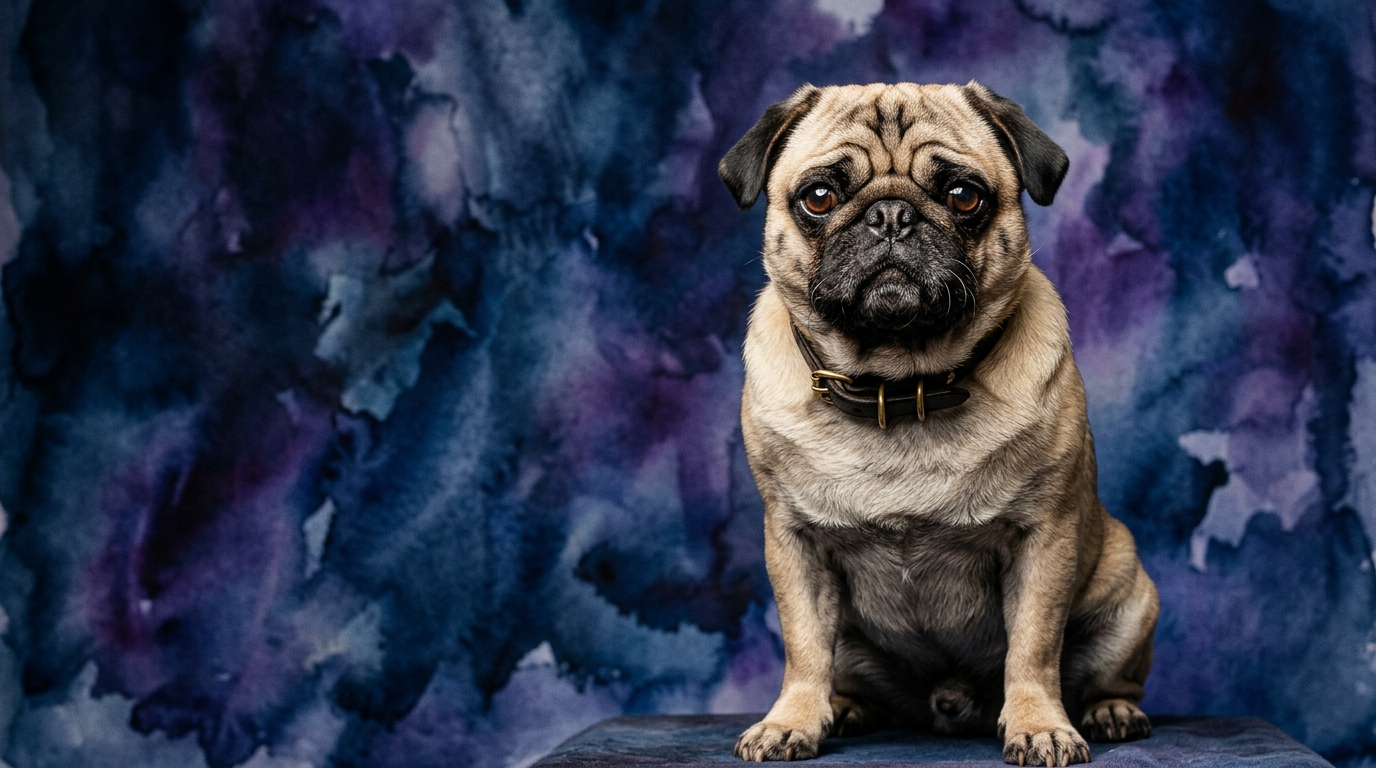
The Cosmic Pet Pet IQ Lab employs a comprehensive five-dimensional framework to assess canine intelligence, moving beyond simple obedience to capture a breed's full cognitive scope. For the Pug, a charming companion ranked #57 on the Coren scale, its profile paints a picture of a dog deeply attuned to its human family. Its Problem Solving score of 2/5 suggests they might not independently strategize complex tasks, often preferring to look to their human for guidance. Training Speed also sits at 2/5, indicating they learn at a moderate pace and may require consistent, patient repetition rather than quick grasp of new commands. However, the Pug truly shines in Social Intelligence, scoring a remarkable 5/5, reflecting their profound ability to understand human emotions, seek interaction, and adapt seamlessly to family dynamics. Their Instinctive Drive is a modest 2/5, meaning they typically lack strong urges for hunting, guarding, or demanding physical tasks, content with proximity and comfort. Memory, at 3/5, allows them to recall routines and familiar faces with good reliability.
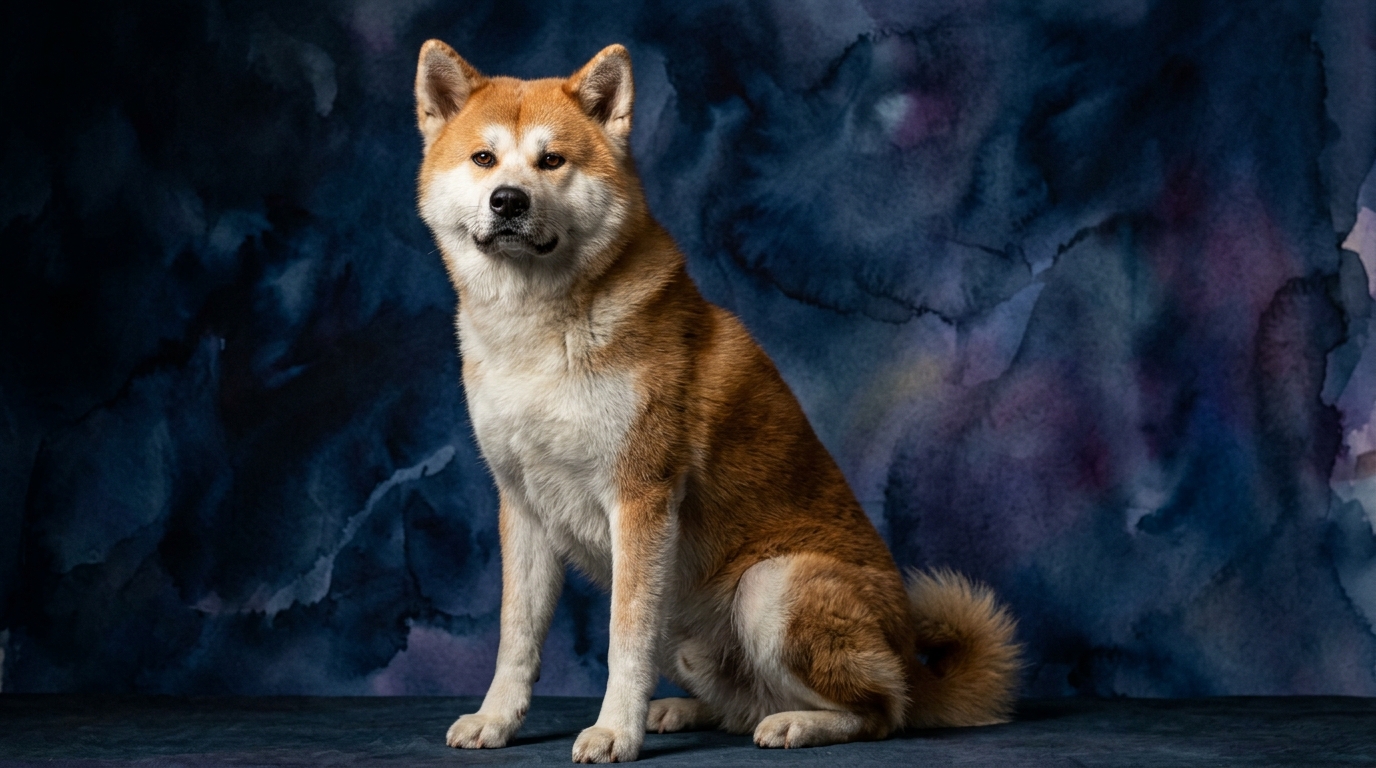
In contrast, the Akita, a dignified Working breed positioned at Coren rank #54, presents a profile built on independence and purpose. Its Problem Solving score of 3/5 indicates a greater capacity for independent thought and navigating novel situations compared to the Pug, often finding solutions without direct human intervention. Training Speed, surprisingly, mirrors the Pug at 2/5; while capable of learning, their strong will means they might not always be eager to comply without a clear purpose or compelling motivation. Social Intelligence for the Akita is 3/5, suggesting they form deep bonds but are often more reserved and selective in their interactions, valuing loyalty within their inner circle over broad social engagement. Where the Akita truly distinguishes itself is in Instinctive Drive, achieving a powerful 5/5. This score reflects their inherent urges for guarding, protection, and a strong sense of territory, demanding outlets for these natural tendencies. Their Memory is also robust at 4/5, enabling them to retain intricate commands, learned routines, and experiences over extended periods, contributing to their reputation for reliability in specific roles.
Where the Pug Wins Cognitively
The Pug's undisputed cognitive strength lies in its exceptional Social Intelligence, scoring a perfect 5/5. This isn't merely about being friendly; it signifies a deep, innate ability to read and respond to human emotional cues with remarkable accuracy. A Pug can sense a shift in your mood, often responding with comforting proximity or playful attempts to lighten the atmosphere. This high social acumen means they excel in environments where close human interaction and emotional reciprocity are paramount, effortlessly integrating into the family unit and becoming an intuitive emotional anchor. Their understanding of social dynamics makes them particularly adept at navigating diverse household situations, often acting as a bridge between family members or adapting to new visitors without significant stress, provided they feel secure. This contrasts sharply with the Akita's more reserved 3/5 in social intelligence, highlighting the Pug's unique talent for empathetic connection.
Furthermore, while its Problem Solving and Training Speed scores are moderate, the Pug's social intelligence often compensates by making them highly cooperative in contexts they perceive as social interaction. They are motivated by companionship and approval, often attempting tasks not out of an inherent drive to solve problems, but to engage with their human. This desire for connection can make them surprisingly amenable to learning simple routines that reinforce their bond, even if complex, multi-step commands are beyond their typical cognitive scope.
Where the Akita Wins Cognitively
The Akita's cognitive profile showcases distinct strengths, particularly in its robust Instinctive Drive (5/5), superior Memory (4/5), and independent Problem Solving (3/5). Their high instinctive drive translates into a powerful sense of purpose and a strong territorial instinct, making them highly aware of their surroundings and potential threats. This isn't just about guarding; it means they possess an inherent motivation to observe, patrol, and act decisively when they perceive a need, making them naturally alert and protective. This deep-seated drive requires consistent engagement and appropriate outlets to channel their natural inclinations productively, rather than allowing them to manifest in undesirable ways.
Coupled with their impressive memory (4/5), Akitas are capable of retaining intricate information and complex sequences over time. They remember specific commands, the layout of their territory, and past interactions with remarkable clarity, which is crucial for tasks requiring consistency and recall. This memory, combined with their moderate problem-solving ability, allows them to think through situations independently. They can assess a new obstacle, recall previous experiences, and devise a course of action, even if it's not the one their human might prefer. This independent decision-making, while valuable for a working dog, means they often consider whether a command aligns with their own perceived purpose before complying, a trait stemming from their strong drive and self-reliance rather than a lack of understanding.
Which Is Easier to Train and Why?
Despite both breeds sharing a Training Speed score of 2/5, the experience of training a Pug versus an Akita can feel vastly different due to their divergent social intelligence and instinctive drives. The Pug, with its 5/5 Social Intelligence, often appears 'easier' to train in basic obedience because it is highly motivated by human approval and connection. They are eager to please and value positive interactions, making them receptive to reward-based training that strengthens the bond. While they may not grasp complex commands quickly due to their 2/5 Problem Solving, their desire for companionship makes them consistent and willing participants in short, fun training sessions, especially if treats and praise are involved. Behavioral issues in Pugs are often more related to separation anxiety or house-training challenges, stemming from their need for constant social engagement.
The Akita, with its high Instinctive Drive (5/5) and lower Social Intelligence (3/5 compared to the Pug), presents a different training challenge. While they possess a higher Problem Solving score (3/5) and excellent Memory (4/5), enabling them to learn and retain complex tasks, their strong will means they often require a compelling reason to comply beyond mere human approval. They are not inherently driven to 'please' in the same way a Pug is; instead, they weigh commands against their own internal logic and purpose. Training an Akita demands a confident, consistent, and patient approach, focusing on clear communication and establishing trust and respect. They learn best when tasks are presented as purposeful and engaging, rather than arbitrary commands. Their independent nature means they might test boundaries or ignore commands they deem unnecessary, requiring an owner who understands their intrinsic motivations and can channel their powerful drives effectively.
Which Suits Active Owners vs. Relaxed Owners?
When considering lifestyle compatibility, the cognitive profiles of the Pug and Akita offer clear guidance. The Pug, with its low Instinctive Drive (2/5) and high Social Intelligence (5/5), is an ideal match for relaxed owners who prioritize companionship and low-intensity activities. Pugs thrive in environments where they can be close to their human family, enjoying short walks, cuddle sessions, and being an integral part of daily household life without demanding extensive physical or mental exertion. Their cognitive makeup points to a dog content with emotional connection and gentle engagement, making them perfect for those seeking a devoted, undemanding presence.
Conversely, the Akita's powerful Instinctive Drive (5/5) and higher Problem Solving (3/5) necessitate an active owner who can fulfill their need for purpose and mental stimulation. These dogs require consistent physical exercise, structured training that challenges their intellect, and opportunities to engage their natural guarding and protective instincts in appropriate ways. An Akita thrives with an owner who understands the breed's independent nature and provides outlets for their drives through activities like obedience training, scent work, or guarded walks. They are not content to be mere couch companions; their cognitive design demands engagement and a clear role, making them best suited for experienced, active individuals or families committed to meeting their profound needs.
The Verdict
Choose the Pug if you seek an emotionally intuitive companion, deeply attuned to family dynamics and content with a relaxed, affection-rich lifestyle. Their joy comes from close proximity and gentle interaction.
Opt for the Akita if you are an experienced, active owner ready to channel a powerful, independent intellect and strong protective drives. They thrive with purpose, structure, and consistent, engaging mental challenges.
🧠 Find Your Pet's IQ Score
Our Pet IQ Lab assessment covers 25+ tests across 5 cognitive dimensions — personalized to your breed.
Take the Full IQ Test →Frequently Asked Questions
Do Pugs have a good memory?
Pugs possess a respectable Memory score of 3/5, meaning they are quite capable of remembering routines, familiar faces, and basic commands. They excel at recalling elements that reinforce their social bonds and daily comforts.
Are Akitas good at problem-solving?
Akitas have a Problem Solving score of 3/5, indicating a moderate to good capacity for independent thought and navigating novel situations. They often assess challenges and devise their own solutions, sometimes exhibiting a strong will in the process.
Which breed is more social with strangers?
The Pug, with its 5/5 Social Intelligence, is generally more outgoing and adaptable with strangers, often seeking interaction. The Akita, scoring 3/5, is typically more reserved and selective, forming deep bonds with its family but often maintaining a watchful distance with unfamiliar individuals.