
Side-by-Side Cognitive Profiles
The Cosmic Pet Pet IQ Lab employs a five-dimensional framework to assess canine intelligence, providing a nuanced view of each breed's cognitive capabilities. For the Pug, a charming Toy group member, their profile is marked by a profound aptitude for social connection. Their Problem Solving is rated at 2/5, indicating a preference for established routines over novel challenges, while Training Speed also sits at 2/5, suggesting that consistent, patient methods yield the best results. Where Pugs truly shine is in Social Intelligence, scoring an exceptional 5/5, reflecting their mastery of human-canine communication and emotional attunement. Their Instinctive Drive is low at 2/5, meaning they are less inclined towards independent tasks, and their Memory is a solid 3/5, enabling them to recall important routines and associations. The Pug's Coren rank is #57.
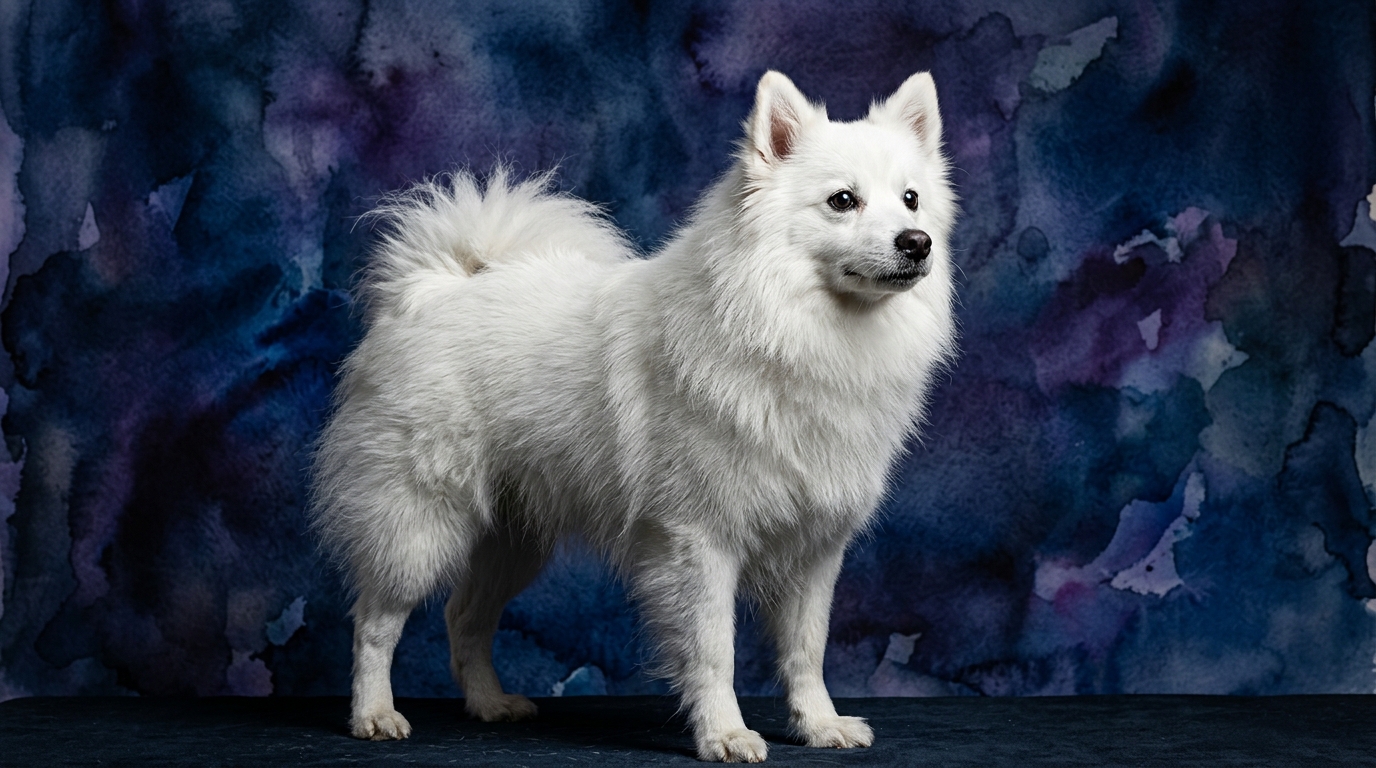
In contrast, the American Eskimo Dog (ESD), a spirited member of the Non-Sporting group, presents a more balanced cognitive profile across the board. While not Coren-ranked, their scores from the Pet IQ Lab paint a picture of versatile capability. Their Problem Solving is rated at 3/5, demonstrating a moderate ability to navigate new situations and figure things out. Training Speed is also 3/5, indicating a good capacity for learning new commands and behaviors with reasonable repetition. Social Intelligence for the ESD is 3/5, suggesting they are responsive and cooperative, though perhaps not with the same intense human focus as a Pug. Their Instinctive Drive is a balanced 3/5, reflecting a moderate urge to engage in purposeful activities, and their Memory, like the Pug, is 3/5, allowing them to retain learned information effectively.
Where the Pug Wins Cognitively
The Pug's preeminent cognitive strength lies in its remarkable Social Intelligence, scoring a perfect 5/5. This isn't just about being friendly; it reflects an advanced capacity to interpret human emotions, body language, and vocal inflections, making them exceptional companions. A Pug can often anticipate their owner's mood or needs, offering comfort or seeking attention with uncanny precision. This high social acumen means they excel in cooperative living, understanding household dynamics and fitting seamlessly into family life. Their ability to form deep, empathetic bonds is a testament to this cognitive dimension, making them master communicators in the language of companionship. While their Problem Solving and Training Speed are lower, their social brilliance ensures they navigate human relationships with unparalleled grace and effectiveness, often using charm and subtle cues to get their way. Their 3/5 Memory supports this, allowing them to remember which behaviors elicit positive responses from their favorite people.
Where the American Eskimo Dog Wins Cognitively
The American Eskimo Dog demonstrates a cognitive advantage through its more balanced and generally higher scores in Problem Solving, Training Speed, and Instinctive Drive, each rated at 3/5. This equilibrium suggests a dog with greater adaptability and a broader range of practical cognitive skills. Their Problem Solving ability (3/5) means they are more inclined to independently assess and overcome minor obstacles, whether it's figuring out how to open a cabinet or navigating a complex toy puzzle. This is a step above the Pug's preference for guidance. The ESD's Training Speed (3/5) indicates a quicker grasp of new commands, making them more receptive to varied training regimens and dog sports. Furthermore, their Instinctive Drive (3/5) provides a solid foundation for engagement in tasks, giving them a purpose-driven mindset that can be channeled into activities like agility, tricks, or even assistance roles. This drive, coupled with their moderate social intelligence, enables them to be both cooperative and independently capable, a versatile combination that allows them to thrive in structured activities and mentally stimulating environments.
Training Dynamics: Pug vs. American Eskimo Dog
When it comes to ease of training, the American Eskimo Dog generally holds an edge due to its higher Training Speed (3/5) and Instinctive Drive (3/5). ESDs often possess a keen eagerness to please and a natural inclination to engage with tasks, making them responsive to positive reinforcement and capable of learning a wide array of commands and behaviors efficiently. Their moderate drive means they can stay focused on a task for longer periods and are often motivated by the opportunity to work alongside their human. This translates into quicker progress in obedience, trick training, and even dog sports, provided their mental and physical needs are met to prevent boredom-induced mischief.
The Pug, with a Training Speed of 2/5 and Instinctive Drive of 2/5, presents a different training experience. While certainly trainable, Pugs require more patience, consistency, and a strong reliance on positive reinforcement, often centered around food motivation. Their lower drive means they may not always see the inherent 'point' in performing a task for its own sake, preferring instead to cuddle or nap. Their high Social Intelligence (5/5) can be leveraged, as they often respond well to training that strengthens their bond with their owner, but trainers must be prepared for moments of charming stubbornness or distraction. Real behavioral differences include the ESD's tendency to be more 'go-get-em' in a training session, whereas a Pug might require more encouragement and shorter, more frequent sessions to maintain engagement, often relying on their memory (3/5) to recall specific cues once learned.
Lifestyle Match: Active vs. Relaxed Owners
The distinct cognitive and physical profiles of these breeds lead to clear preferences for owner lifestyles. For relaxed owners who cherish quiet companionship and a less demanding physical routine, the Pug is an ideal match. Their low Instinctive Drive (2/5) means they are perfectly content with short, leisurely strolls, indoor playtime, and extended periods of napping on the couch. Their exceptional Social Intelligence (5/5) ensures they are deeply attuned to their owner's presence, providing constant, affectionate company without requiring extensive exercise or complex mental challenges. They thrive in environments where their primary 'job' is to be a beloved family member, making them superb companions for those seeking a charming, low-energy presence.
Conversely, the American Eskimo Dog is better suited for active owners who can provide consistent engagement and opportunities for mental and physical exertion. With a balanced Instinctive Drive (3/5) and moderate Problem Solving skills (3/5), ESDs enjoy having a 'job' to do, whether it's participating in agility, learning new tricks, or simply going on brisk walks and hikes. Their cognitive makeup means they benefit greatly from activities that challenge their minds and bodies, preventing boredom and channeling their energy constructively. Owners who enjoy outdoor adventures, dog sports, or simply have the time and desire to engage in regular training sessions and interactive play will find the ESD a rewarding and enthusiastic partner, thriving on shared experiences and intellectual stimulation.
The Verdict: Choosing Your Canine Companion
The Verdict
Choose a Pug if you prioritize unparalleled social connection and a charming, affectionate companion with lower physical demands and a generally relaxed demeanor. Their profound ability to connect emotionally makes them perfect for owners who value deep, quiet companionship.
Opt for an American Eskimo Dog if you seek a more engaged, versatile, and trainable partner who thrives on activity, mental stimulation, and a moderate level of independent problem-solving. They are an excellent choice for active owners ready to channel their balanced drive into constructive pursuits.
🧠 Find Your Pet's IQ Score
Our Pet IQ Lab assessment covers 25+ tests across 5 cognitive dimensions — personalized to your breed.
Take the Full IQ Test →Frequently Asked Questions
Is the American Eskimo Dog truly smarter than a Pug?
Based on The Cosmic Pet Pet IQ Lab data, the American Eskimo Dog demonstrates higher scores in problem-solving, training speed, and instinctive drive, indicating a broader range of practical cognitive abilities. The Pug, however, excels significantly in social intelligence, making them cognitively superior in understanding human emotions and social cues.
Which breed is better for first-time dog owners?
For first-time owners seeking a dog that is relatively low-energy and focused on companionship, the Pug can be a good fit, provided patience is applied to training. If a first-time owner is prepared for more active engagement and consistent mental stimulation, the American Eskimo Dog, with its moderate trainability, could also be a rewarding choice.
How do their memory scores compare?
Both the Pug and the American Eskimo Dog received a Memory score of 3/5 from The Cosmic Pet Pet IQ Lab. This indicates that both breeds possess a good capacity for retaining learned information, commands, and routines, making them capable of remembering training cues and household expectations effectively.