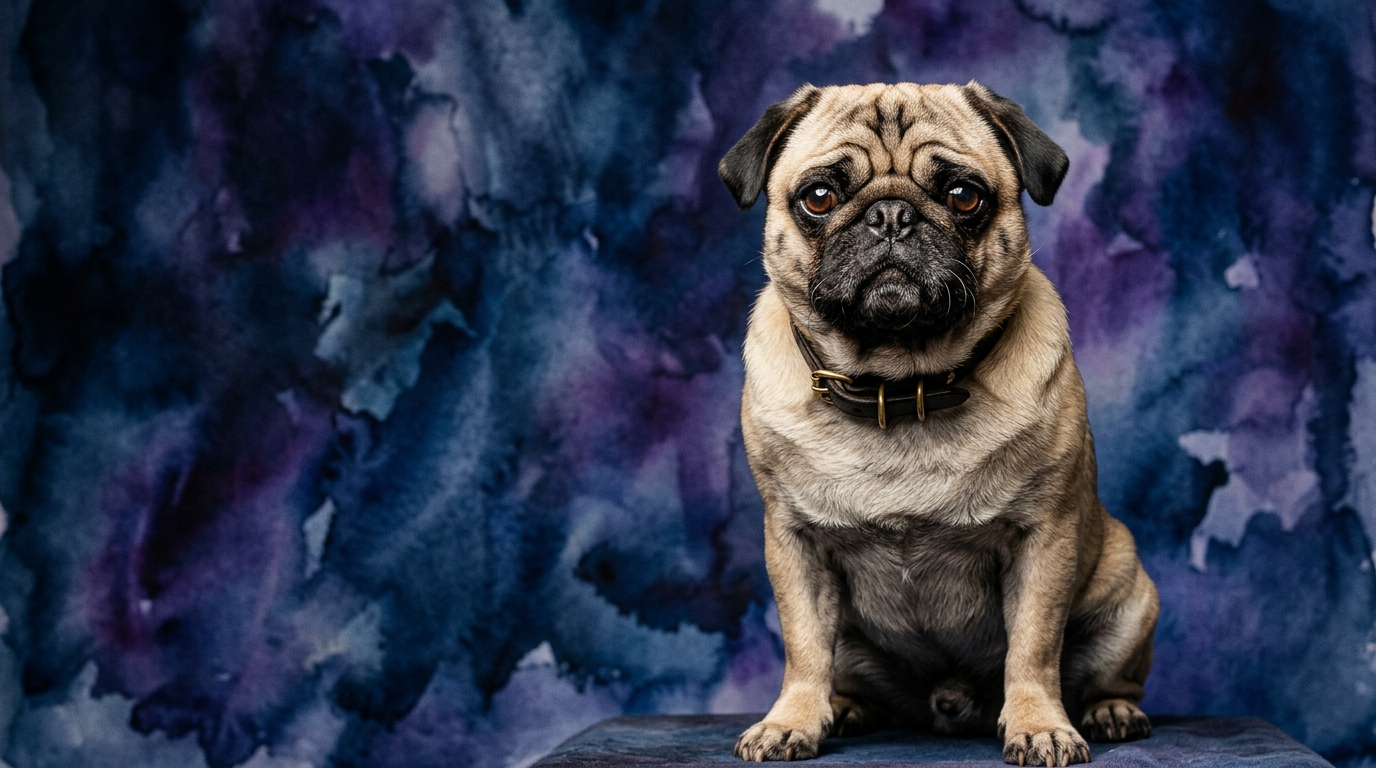
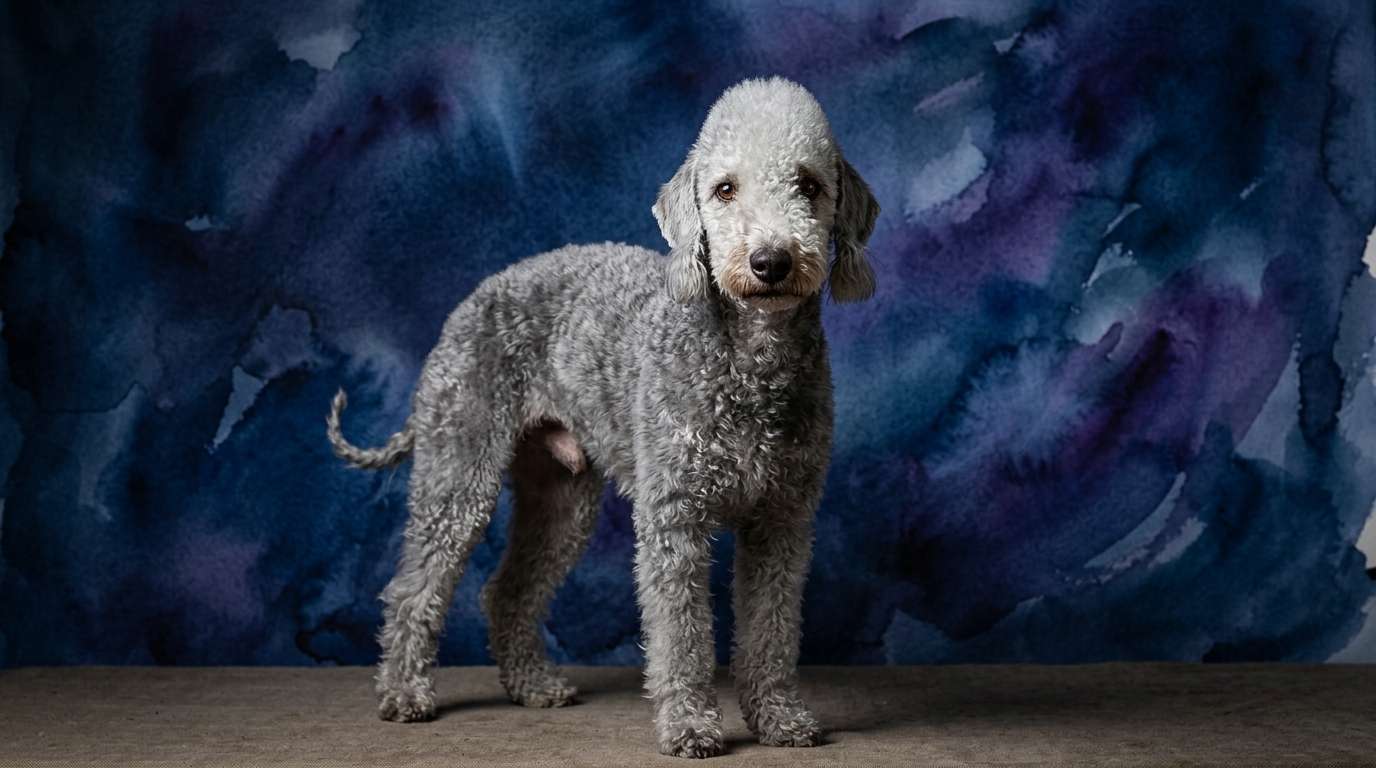
Side-by-Side IQ Profile: Pug vs. Bedlington Terrier
At The Cosmic Pet Pet IQ Lab, we evaluate canine cognition across five crucial dimensions. For the Pug, a Toy breed ranked #57 by Coren, and the unranked but equally intriguing Terrier-group Bedlington Terrier, these profiles paint a clear picture of their innate capabilities.
The Pug's cognitive blueprint leans heavily into social connection. Their Problem Solving is rated at 2/5, indicating they typically prefer human assistance over independent strategizing for complex tasks. Training Speed also sits at 2/5, suggesting a more deliberate learning pace that thrives on patience and repetition. However, their Social Intelligence is an outstanding 5/5, showcasing an exceptional capacity for emotional attunement and reading human cues. Instinctive Drive is low at 2/5, meaning minimal urges for hunting or digging, while Memory is a moderate 3/5, capable of retaining routines and well-reinforced commands.
The Bedlington Terrier presents a more balanced cognitive profile, reflecting its working heritage. Their Problem Solving is rated 3/5, demonstrating a moderate ability to independently figure out puzzles or navigate obstacles. Training Speed is also 3/5, indicating a responsive learner with consistent methods. Social Intelligence is a 3/5; while they form strong family bonds, they may not exhibit the same universal overt friendliness as a Pug. Instinctive Drive is moderate at 3/5, retaining some classic terrier traits like curiosity and moderate prey drive. Their Memory, like the Pug's, is a solid 3/5, capable of retaining learned behaviors and routines effectively.
Where the Pug Wins Cognitively: The Art of Connection
The Pug's undisputed cognitive strength lies in their extraordinary Social Intelligence, rated at a perfect 5 out of 5. This isn't merely about being affectionate; it's a sophisticated ability to interpret the subtle nuances of human behavior, from changes in vocal tone to shifts in body language. A Pug will often anticipate a need for comfort or play, offering a nudge or a soft gaze, demonstrating an almost intuitive understanding of human emotional states. This profound empathetic capacity makes them exceptional at providing emotional support and integrating seamlessly into the intricate social fabric of a family, often using their charm and understanding to solicit attention or comfort. Their adeptness at reading their human companions allows them to navigate domestic life with a remarkable social grace, making them unparalleled emotional anchors.
Where the Bedlington Terrier Wins Cognitively: Independent Engagement
Conversely, the Bedlington Terrier's cognitive advantages emerge in areas demanding more independent thought and action, specifically in Problem Solving (3/5) and Instinctive Drive (3/5). While not reaching the highest echelons of problem-solving, their moderate capability means they are more inclined to independently assess and navigate challenges, such as figuring out how to retrieve a hidden treat or exploring novel environments with a discerning curiosity. This is often fueled by their inherent terrier instincts, which, while moderate, provide a natural drive to investigate, chase, and engage with their surroundings. Unlike the Pug, who might wait for human intervention, a Bedlington Terrier is more likely to devise its own strategy to overcome a minor obstacle or satisfy its investigative urge, showcasing a practical, task-oriented intelligence rooted in their working heritage.
Which is Easier to Train, and Why?
Evaluating ease of training requires understanding both a breed's Training Speed and their underlying motivations. The Pug, with a Training Speed of 2/5, generally requires a more patient and repetitive approach. Their primary motivators are typically social reward and food, meaning short, fun sessions laden with praise and tasty treats yield the best results. While they possess high social intelligence and a desire to please, their cognitive processing for new commands can be slower, and they might become easily distracted or exhibit a stubborn streak if not adequately engaged. Consistency is paramount, transforming training into a positive, bonding experience rather than a demanding task.
In contrast, the Bedlington Terrier, with a Training Speed of 3/5, often grasps new commands more readily. Their moderate instinctive drive can be effectively channeled into training, making them responsive to tasks that involve problem-solving or engagement. They still thrive on positive reinforcement but might require less repetition than a Pug. However, their terrier independence can sometimes lead to selective listening if they perceive a task as uninteresting or if their natural curiosity pulls them elsewhere, necessitating clear, firm, and engaging guidance to maintain focus.
Suitability for Active vs. Relaxed Owners
The choice between these two breeds often hinges on an owner's lifestyle and energy levels. For relaxed owners who cherish quiet companionship and indoor activities, the Pug is an exemplary match. Their lower Instinctive Drive (2/5) means they are content with shorter, leisurely walks and extensive periods of cuddling or napping. Their exceptional Social Intelligence ensures they thrive on constant human presence and interaction, finding fulfillment in simply being near their people rather than demanding strenuous physical or mental exertion. They are the quintessential 'velcro dog,' perfectly suited for a calm home environment.
Conversely, the Bedlington Terrier caters to more active owners. Their moderate Instinctive Drive (3/5) and Problem Solving (3/5) indicate a greater need for both physical and mental stimulation. They enjoy exploring, engaging in moderate play, learning new tricks, and participating in activities that allow them to exercise their natural curiosity and terrier zest. While not requiring extreme athleticism, they need more than just a lap to be truly fulfilled, thriving in homes that provide structured walks, interactive games, and opportunities for mental engagement.
The Verdict
If your ideal companion is a deeply empathetic, emotionally attuned 'velcro dog' who thrives on constant human connection and a relaxed pace of life, the Pug will enrich your home with unparalleled devotion.
Opt for a Bedlington Terrier if you seek a moderately active, more independent companion who enjoys engaging in tasks, exploring, and possesses a spirited curiosity, and you are prepared to channel their terrier zest.
🧠 Find Your Pet's IQ Score
Our Pet IQ Lab assessment covers 25+ tests across 5 cognitive dimensions — personalized to your breed.
Take the Full IQ Test →Frequently Asked Questions
Are Pugs truly difficult to train?
Pugs aren't necessarily difficult, but they do require significant patience and consistent positive reinforcement. Their training speed is slower (2/5), meaning more repetitions are needed, and sessions should be short and fun, leveraging their desire for social praise and treats.
Do Bedlington Terriers need a lot of exercise?
Bedlington Terriers have a moderate need for exercise, reflecting their 3/5 instinctive drive. They benefit from daily walks, playtime, and mental stimulation, but they don't typically require the intense activity levels of some other terrier breeds.
Which breed is better with children?
Both breeds can be good with children, but their approaches differ. Pugs, with their high social intelligence, are often gentle and patient, thriving on family interaction. Bedlington Terriers, while affectionate with their family, might prefer slightly older, more respectful children who understand their moderate independence and occasional terrier exuberance.