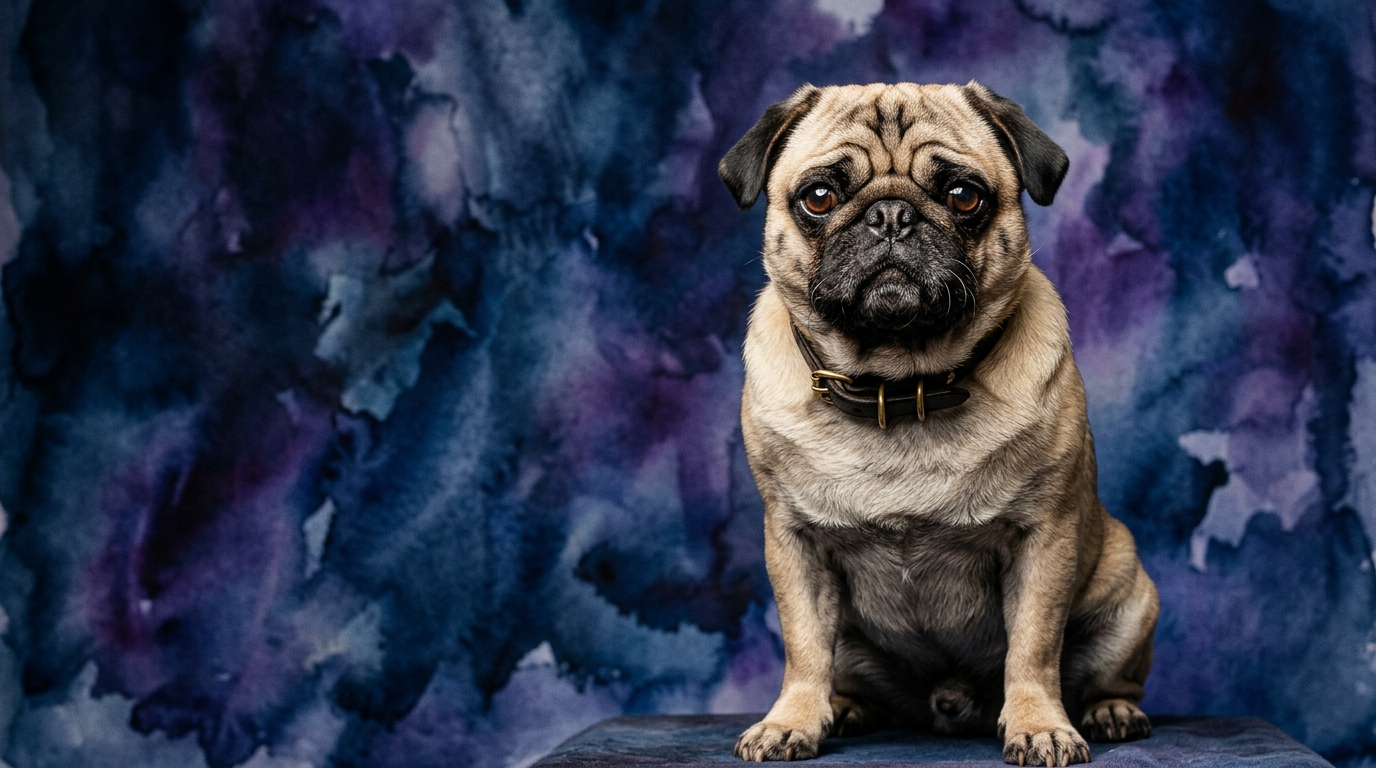
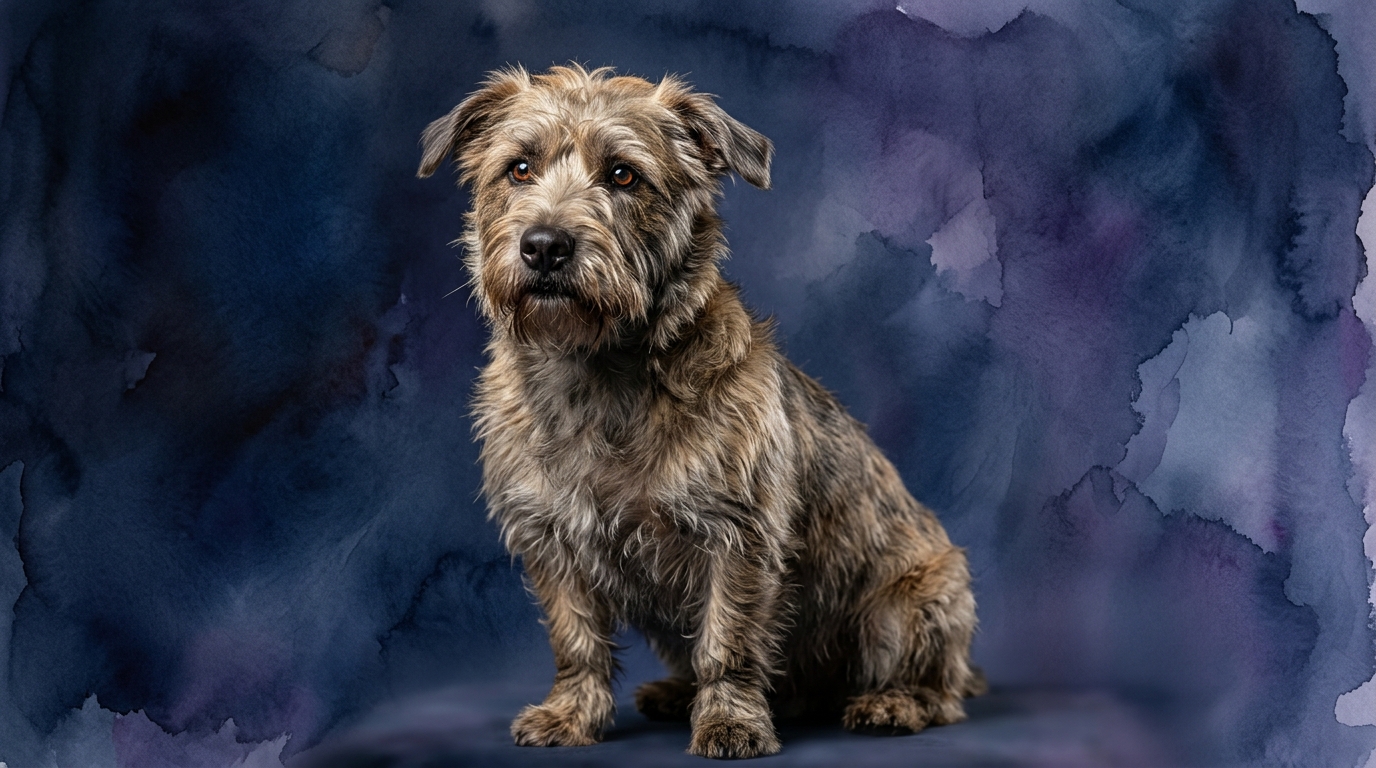
Side-by-Side Cognitive Profiles: Pug vs. Glen of Imaal Terrier
The Pug, a beloved Toy breed, exhibits a distinctive cognitive profile. Its Problem Solving score of 2/5 suggests a preference for simpler solutions or reliance on human guidance rather than complex independent strategizing. Training Speed, also at 2/5, indicates that learning new commands may require consistent repetition and patience from their human companions. However, the Pug truly shines in Social Intelligence, earning a perfect 5/5. This reflects an exceptional capacity for understanding human emotions, forming deep bonds, and navigating social dynamics within a household. Their Instinctive Drive, at 2/5, is relatively low, meaning they are less driven by primal urges like hunting or guarding, making them generally adaptable to domestic life. A Memory score of 3/5 suggests they retain learned behaviors and routines reasonably well.
The Glen of Imaal Terrier, a less common but hardy Terrier, presents a balanced yet distinct cognitive makeup. With a Problem Solving score of 3/5, Glens demonstrate a moderate aptitude for figuring out challenges independently, often employing persistence. Their Training Speed, also 3/5, indicates they are receptive to learning, though not always as eager to please as some breeds, often requiring engaging and varied training methods. Social Intelligence for the Glen is 3/5, suggesting they form strong bonds but may be more reserved or less overtly expressive in their emotional connections compared to the Pug. A moderate Instinctive Drive of 3/5 reflects their Terrier heritage, hinting at a natural inclination for digging, chasing, or exploring, though not to an extreme degree. Their Memory, like the Pug, scores 3/5, indicating a similar capacity for retaining information and routines.
Where the Pug's Mind Excels
The Pug's primary cognitive strength lies unequivocally in its Social Intelligence, scoring an impressive 5/5. This breed possesses an innate ability to read human cues, interpret moods, and seamlessly integrate into the emotional fabric of a family. They are masters of companionship, understanding when a comforting presence is needed or when playful interaction is desired. This profound social attunement means a Pug can often anticipate their owner's needs or reactions, making them incredibly intuitive companions. For instance, a Pug might settle quietly beside a stressed owner without being prompted, or initiate a gentle nudge when sensing a desire for affection. Their social prowess extends to getting along well with other pets and visitors, often deflecting conflict through their charming, non-confrontational demeanor. This keen social awareness translates into a dog that thrives on connection and offers unparalleled emotional support, often adapting their behavior to maintain harmony within their human pack.
Where the Glen of Imaal Terrier's Mind Shines
The Glen of Imaal Terrier demonstrates its cognitive strengths through a balanced profile that leans towards independent thought and practical problem-solving. With a Problem Solving score of 3/5, Glens are more inclined to tackle challenges with a degree of self-reliance compared to the Pug. This might manifest as figuring out how to retrieve a toy stuck under furniture or navigating a complex scent trail in the yard. Their moderate Instinctive Drive (3/5) complements this, providing the motivation to explore and engage with their environment, often driven by a terrier's natural curiosity and tenacity. While not as overtly social as the Pug, their 3/5 Social Intelligence suggests a capacity for forming deep, loyal bonds, often expressed through quiet devotion rather than effusive displays. This combination allows the Glen to be a more independent thinker, capable of engaging in activities that require a degree of mental fortitude and self-directed engagement, such as earthdog trials or scent work, where their tenacity and moderate drive are assets.
Training: Pug's Patience vs. Glen's Persistence
When it comes to training, the Pug and Glen of Imaal Terrier present different experiences, primarily due to their Training Speed and Instinctive Drive. The Pug, with a Training Speed of 2/5, requires significant patience and positive reinforcement. They are not quick to grasp complex commands and may need numerous repetitions. Their lower Instinctive Drive (2/5) means they are less motivated by external stimuli like chasing or digging, but also less driven by an inherent desire to work or perform tasks for their own sake. Training a Pug often relies heavily on their high Social Intelligence (5/5); they learn best when the reward is human affection, praise, or the opportunity to be close to their owner. Consistency is key, and training sessions should be kept short, positive, and engaging to prevent them from becoming bored or frustrated.
The Glen of Imaal Terrier, with a Training Speed of 3/5, is generally more receptive to training than the Pug, absorbing new concepts at a moderate pace. Their moderate Instinctive Drive (3/5) means they can be motivated by tasks that tap into their natural terrier instincts, such as scent games or digging opportunities, making these activities excellent training tools. However, their 3/5 Social Intelligence means they might not be as overtly eager to please as a Pug, and their independent streak can sometimes translate into stubbornness. Training a Glen requires creativity, varied approaches, and a firm but fair hand. They respond well to clear expectations and benefit from mentally stimulating activities that prevent boredom and channel their natural drives constructively. While they might not be as quick to obey every command, their persistence and problem-solving ability mean they can master complex tasks with the right approach.
Lifestyle Match: Active Explorers vs. Cozy Companions
Choosing between a Pug and a Glen of Imaal Terrier based on lifestyle hinges significantly on an owner's activity level and desire for canine engagement. The Pug, with its lower Instinctive Drive (2/5) and moderate Problem Solving (2/5), is an ideal fit for relaxed owners. They thrive in environments where companionship is prioritized over strenuous activity. Pugs are content with short walks, indoor play, and significant cuddle time, making them excellent apartment dwellers or companions for those with a less active lifestyle. Their unparalleled Social Intelligence (5/5) means they are highly attuned to their human family and are happiest when integrated into daily routines, even if those routines involve extended periods of quiet relaxation. They require minimal mental stimulation in the form of complex tasks, preferring instead the richness of social interaction and affection.
Conversely, the Glen of Imaal Terrier, with its moderate Instinctive Drive (3/5) and Problem Solving (3/5), is better suited for active owners who appreciate a dog with a bit more zest and independence. While not requiring marathon runs, Glens benefit from regular, engaging exercise that allows them to explore and use their senses. Activities like hiking, earthdog trials, agility, or even extended walks with opportunities for sniffing and digging align well with their cognitive and physical needs. Their balanced Social Intelligence (3/5) means they enjoy their family but don't demand constant attention, allowing for a degree of independence. Owners who enjoy training, puzzle toys, and providing varied mental challenges will find the Glen a rewarding companion, as they thrive on having a "job" or purpose, even if it's just a daily game of fetch or a scent-tracking exercise in the yard.
The Verdict
Choose a Pug if you seek an unparalleled emotional companion, content with a relaxed lifestyle, prioritizing social connection and intuitive understanding over independent problem-solving or high activity.
Opt for a Glen of Imaal Terrier if you appreciate a tenacious, moderately independent companion who enjoys engaging activities and requires an owner willing to provide consistent, stimulating training and exploration.
🧠 Find Your Pet's IQ Score
Our Pet IQ Lab assessment covers 25+ tests across 5 cognitive dimensions — personalized to your breed.
Take the Full IQ Test →Frequently Asked Questions
Do Pugs require a lot of mental stimulation?
Pugs primarily thrive on social stimulation and human interaction rather than complex mental tasks. While they benefit from basic training and puzzle toys, their contentment largely stems from being close to their family and receiving affection, aligning with their high social intelligence score.
Are Glen of Imaal Terriers good for first-time dog owners?
Glen of Imaal Terriers can be suitable for first-time owners who are committed to consistent training and providing mental and physical enrichment. Their moderate independence and terrier instincts mean they require a dedicated owner prepared for a bit more challenge than a highly biddable breed.
How do their memory scores impact daily life?
Both breeds have a memory score of 3/5, suggesting they retain learned behaviors and routines reasonably well. This means they can remember commands and house rules, but might require occasional refreshers, and won't forget past experiences, whether positive or negative.