Side-by-Side Cognitive Profiles
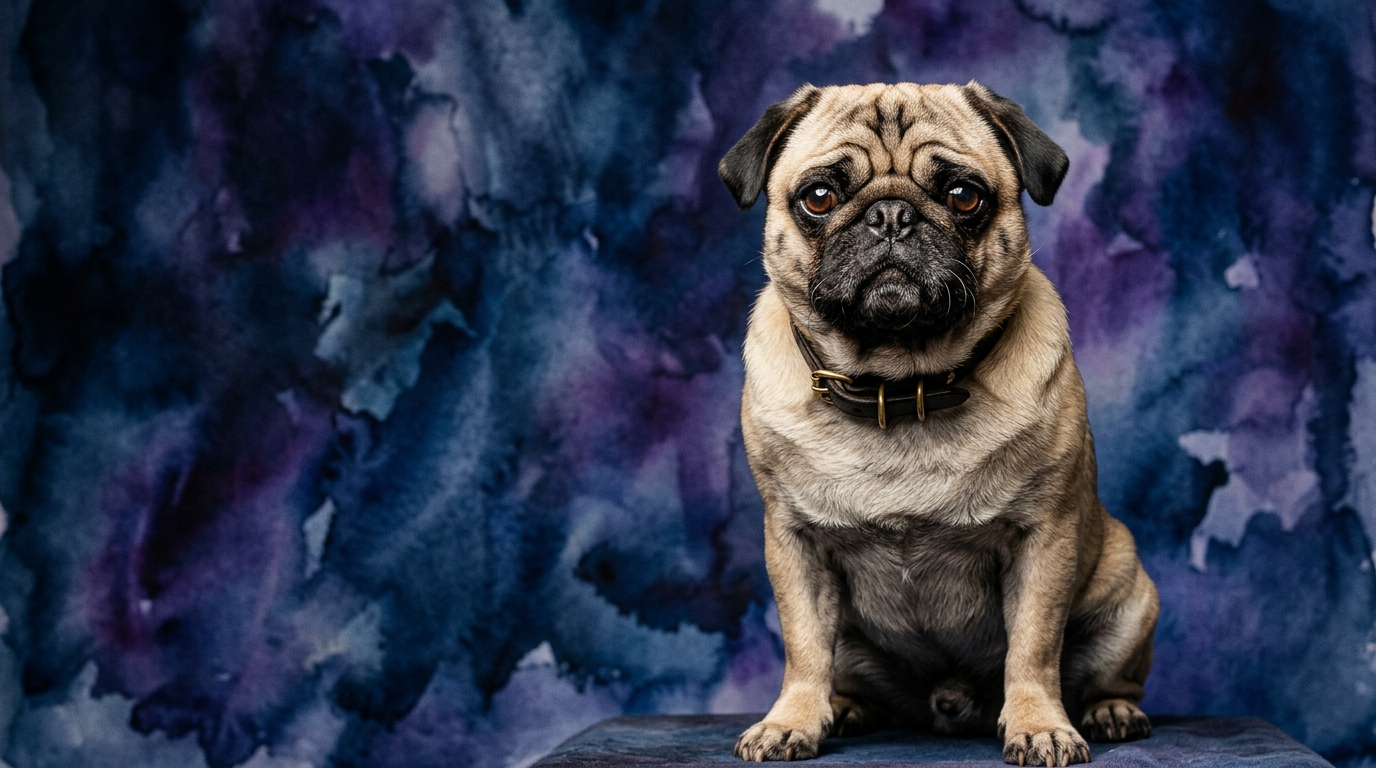
The Cosmic Pet Pet IQ Lab uses five dimensions for canine intelligence. The Pug, a Toy dog, scores 2/5 for Problem Solving, indicating less independent strategizing. Training Speed is also 2/5, requiring patience. However, their Social Intelligence is a perfect 5/5, reflecting deep human connection. Instinctive Drive is 2/5, meaning less primal motivation, while Memory is 3/5. The Pug holds a Coren rank of #57, placing them in the average working intelligence category.
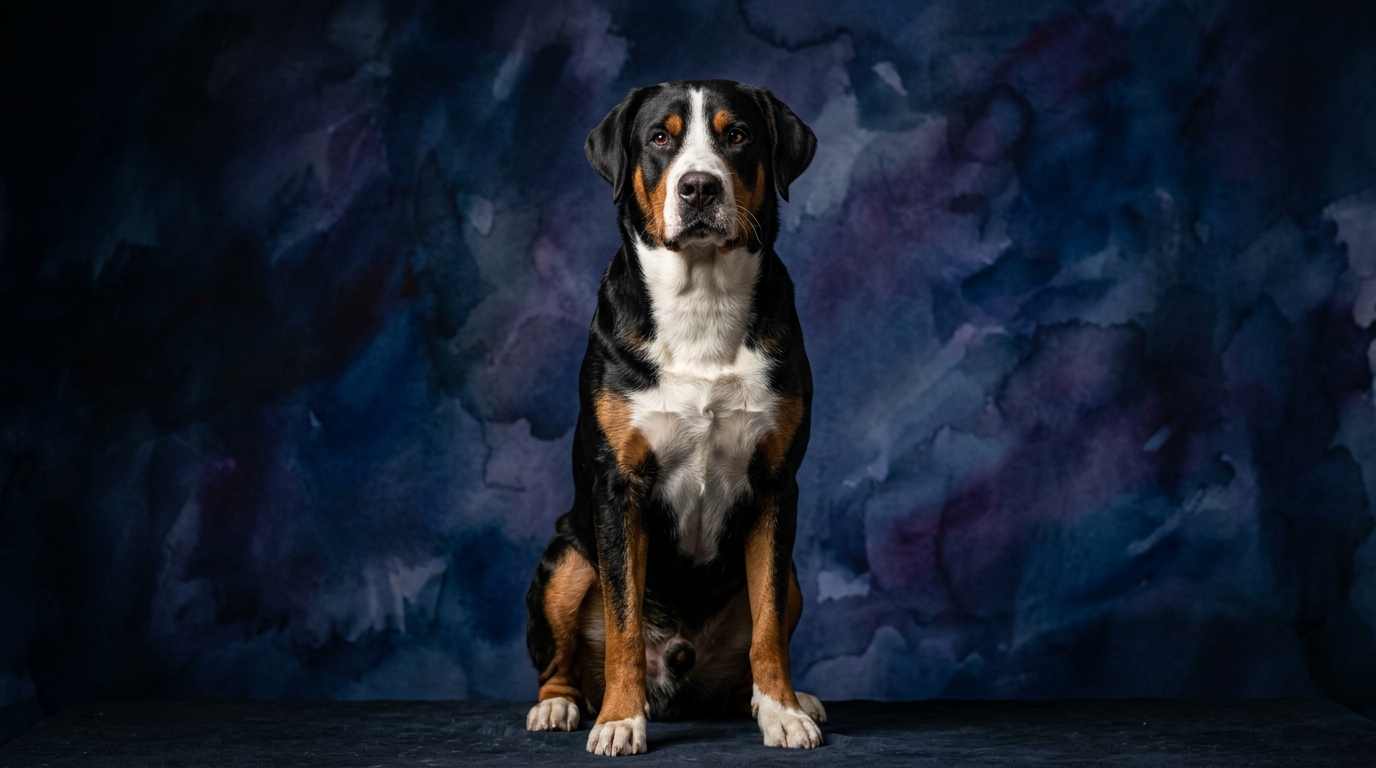
The Greater Swiss Mountain Dog, a Working breed, presents a balanced cognitive profile, though not Coren-ranked. Problem Solving is 3/5, suggesting moderate capacity for challenges. Training Speed is 3/5, allowing reasonable learning. Social Intelligence is 3/5, indicating strong but less intense bonds than a Pug. Instinctive Drive is 3/5, reflecting their working history, and Memory is 3/5. This balanced profile suggests a versatile, capable temperament.
Where the Pug Excels Cognitively
The Pug's primary cognitive strength is its exceptional Social Intelligence, scoring an undisputed 5/5. They are master communicators within a human household, adept at reading subtle shifts in mood and understanding non-verbal cues. This deep social awareness makes them unparalleled companion animals, thriving on interaction and reciprocal affection.
Their talent isn't just about being "cuddly"; it's a sophisticated understanding of social dynamics, allowing them to solicit attention and comfort effectively. This high social aptitude also aids their adaptability in various social settings, making them generally well-behaved around guests and other pets when properly socialized.
Where the Greater Swiss Mountain Dog Shines Cognitively
The Greater Swiss Mountain Dog outperforms the Pug in Problem Solving, Training Speed, and Instinctive Drive, each scoring a solid 3/5. Their superior Problem Solving means they are more likely to independently navigate new environments or figure out how to open a gate. This practical intelligence, a hallmark of their working heritage, allowed them to make sensible decisions in tasks like herding or guarding.
Their balanced Instinctive Drive provides a foundation for complex working behaviors. They have a natural inclination towards purpose-driven activities, making them amenable to tasks like carting or obedience. This drive, combined with moderate Training Speed, helps them grasp and retain multi-step commands, leading to a versatile working partner.
Training Aptitude: Pug vs. Greater Swiss Mountain Dog
The Greater Swiss Mountain Dog generally presents a more straightforward training path due to its 3/5 Training Speed and Problem Solving scores. They grasp new commands with reasonable speed and are often motivated by performing tasks. Their working dog history means they possess biddability and capacity for executing multi-step instructions, responding well to consistent positive reinforcement. They are less prone to boredom if training is engaging.
The Pug, with its 2/5 Training Speed, requires a patient, creative approach. While highly motivated by social interaction (5/5), their lower Problem Solving means they may struggle to generalize commands. Pug training benefits from making sessions feel like play, utilizing their desire for attention. They can be selectively deaf if the social reward isn't immediate, requiring engaging, short, positive sessions. Overall, the Greater Swiss typically learns faster for basic obedience.
Lifestyle Match: Active vs. Relaxed Owners
For owners seeking a relaxed, low-key companion focused on indoor comfort and social interaction, the Pug is an ideal match. Their lower Instinctive Drive (2/5) and moderate activity needs mean they are content with short walks and extensive cuddle sessions. Their exceptional Social Intelligence (5/5) ensures they thrive as the center of human attention, perfectly suiting those who want a constant, affectionate shadow and appreciate a dog whose primary role is companionship. They demand less rigorous physical or mental exertion, making them excellent for apartment dwellers or less active lifestyles.
Conversely, the Greater Swiss Mountain Dog suits active owners who provide consistent mental and physical engagement. With 3/5 in Problem Solving and Instinctive Drive, they benefit from activities like hiking, carting, or obedience trials. Their balanced cognitive profile means they enjoy purpose and can become restless without sufficient stimulation. Owners enjoying outdoor adventures, dog sports, or those with time for regular training and enrichment will find a willing, capable partner in the Greater Swiss Mountain Dog.
The Verdict
Choose a Pug if you prioritize an exceptionally social, affectionate, and relatively low-maintenance companion dog that excels at human connection and thrives in a relaxed home environment.
Select a Greater Swiss Mountain Dog if you seek a versatile, capable, and moderately active working dog that enjoys learning, problem-solving, and participating in outdoor adventures.
🧠 Find Your Pet's IQ Score
Our Pet IQ Lab assessment covers 25+ tests across 5 cognitive dimensions — personalized to your breed.
Take the Full IQ Test →Frequently Asked Questions
Is a Pug difficult to train due to its lower training speed score?
While a Pug's Training Speed is rated 2/5, they are certainly trainable. Success requires patience, consistency, and leveraging their high Social Intelligence by making training fun, positive, and focused on human interaction rather than just task completion.
Can a Greater Swiss Mountain Dog adapt to apartment living?
A Greater Swiss Mountain Dog can adapt to apartment living if owners commit to substantial daily exercise and mental stimulation. Their moderate Instinctive Drive and Problem Solving capacities mean they need regular engagement beyond short walks to prevent boredom and potential destructive behaviors.
Do Pugs shed a lot despite their short coats?
Yes, Pugs are surprisingly heavy-shedders year-round due to their double coat. Regular brushing is essential to manage loose hair and maintain coat health, often more so than many other short-haired breeds.