Side-by-side IQ Profile
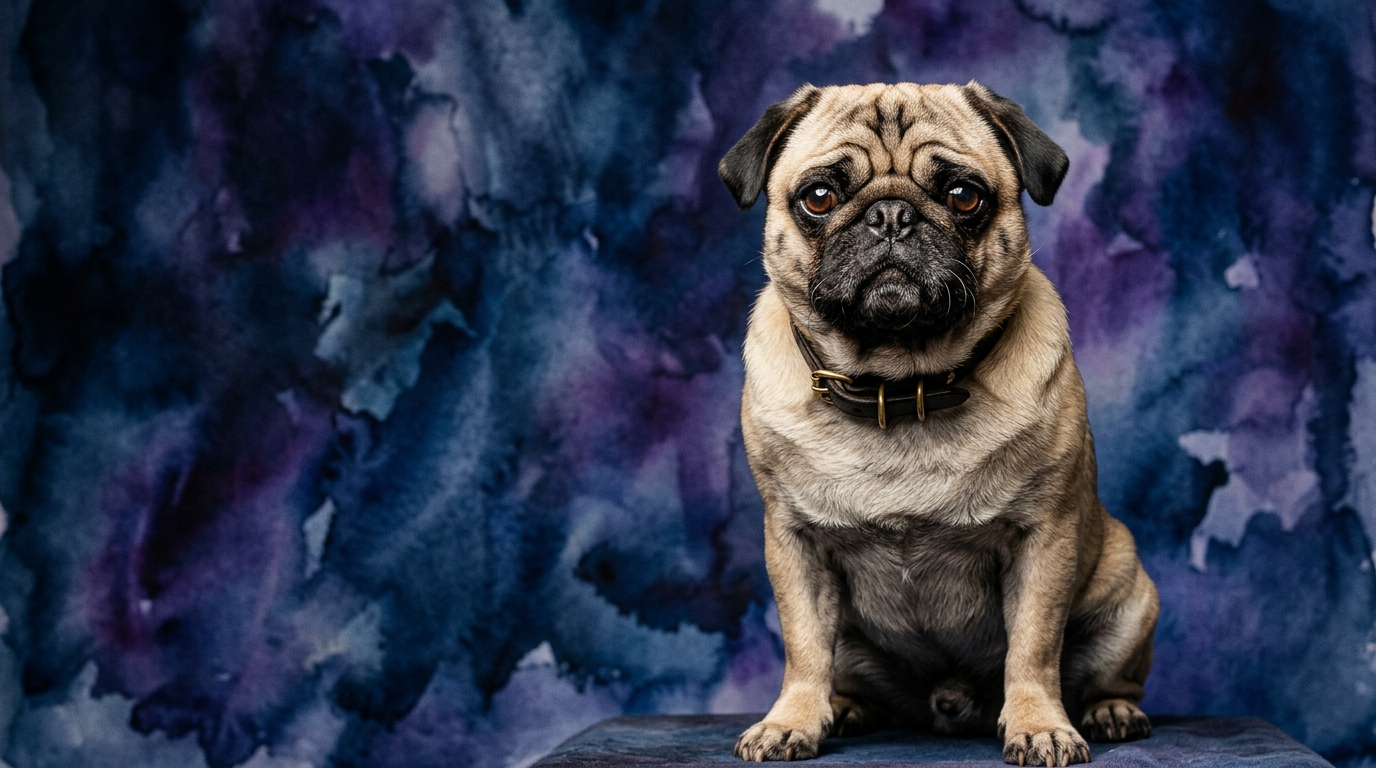
**Pug:** A delightful companion, the Pug sits at Coren rank #57. Their problem-solving ability is rated 2/5, indicating they may not naturally gravitate towards complex puzzles, preferring simpler interactions. Training speed, at 2/5, suggests acquiring new commands might require patient repetition and consistent positive reinforcement. Where Pugs truly shine is in social intelligence, scoring a perfect 5/5; they are remarkably attuned to human emotions and social cues, making them exceptionally empathetic companions. Their instinctive drive is 2/5, meaning they possess a low urge for typical working dog tasks, aligning with their role as lapdogs. Memory, rated 3/5, is average, allowing them to recall basic routines but perhaps not intricate sequences.
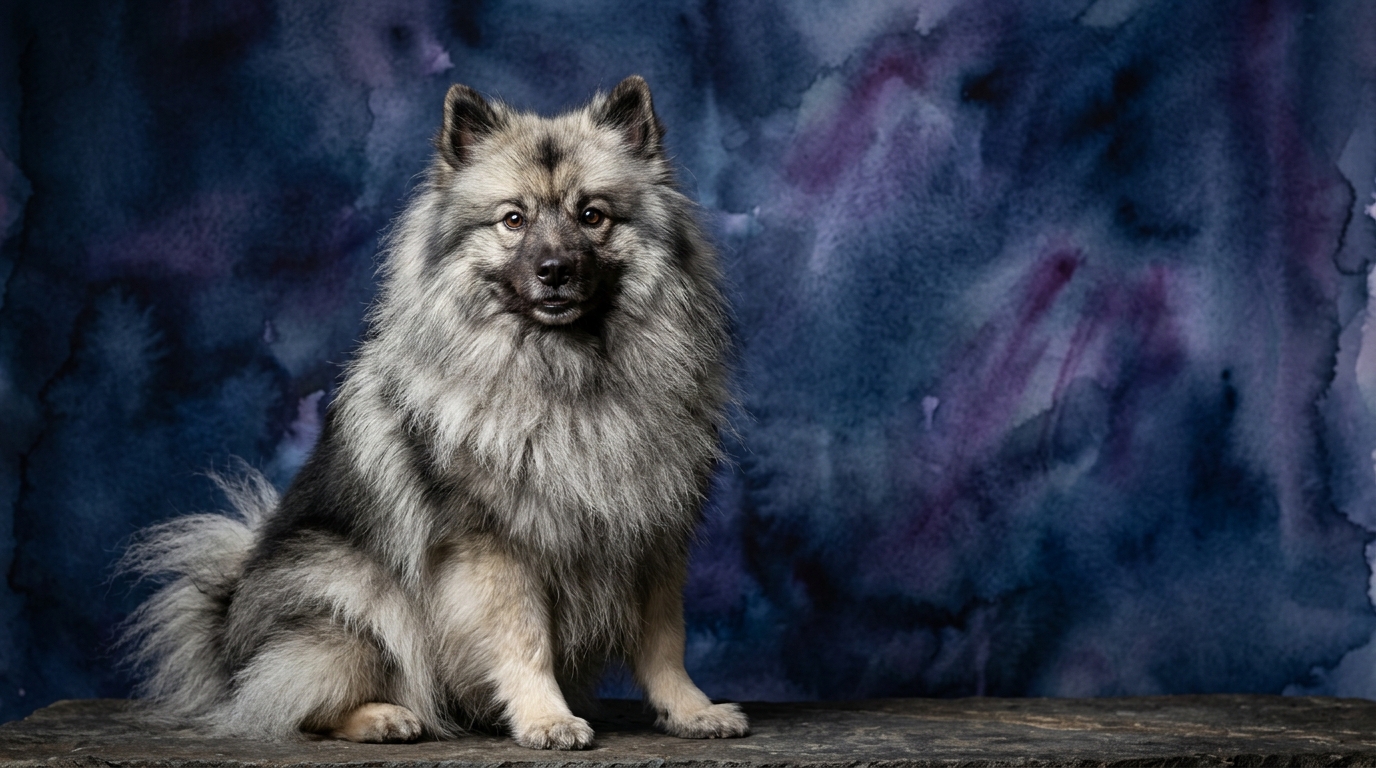
**Keeshond:** Standing at a commendable Coren rank #16, the Keeshond presents a different cognitive blueprint. Their problem-solving ability is a robust 4/5, suggesting a capacity for figuring out novel situations and engaging with stimulating mental games. Training speed, also 4/5, indicates they are quick studies, often grasping new commands with fewer repetitions. Social intelligence, at 3/5, is solid, meaning they connect well with their human families, though perhaps not with the intense empathy of the Pug. Their instinctive drive is 3/5, a moderate level reflecting their historical role as watchdogs and companions, possessing enough drive for engagement without being overly intense. A standout trait is their memory, a strong 5/5, enabling them to retain a vast repertoire of commands, routines, and experiences over significant durations.
Where Pug Wins Cognitively
The Pug's preeminent cognitive strength lies squarely in its social intelligence, scoring an unparalleled 5/5. This isn't merely about friendliness; it's a deep-seated ability to interpret human body language, vocal inflections, and emotional states with remarkable accuracy. A Pug can often sense an owner's mood shifts, offering comfort or playful distraction precisely when needed, creating an exceptionally strong emotional bond. Their cognitive architecture prioritizes affiliation and interaction, making them maestros of companionship. While they might not be adept at complex problem-solving, their capacity for reciprocal emotional connection and understanding human social dynamics is unmatched. This profound social attunement means they excel in roles where emotional support and close partnership are paramount.
Where Keeshond Wins Cognitively
The Keeshond demonstrates cognitive superiority across several dimensions, particularly in problem-solving, training speed, and memory. Their 4/5 problem-solving score means they are more likely to independently navigate new environments, figure out how to access desired items, or devise strategies to get what they want. This manifests as a thoughtful approach to challenges, rather than simply relying on instinct. Their training speed, also 4/5, signifies a rapid acquisition of new skills; a Keeshond typically requires fewer repetitions to master a command or trick, making advanced obedience or dog sports more accessible pursuits. Their most striking cognitive advantage is their 5/5 memory. This superior recall means they not only learn quickly but also retain that knowledge over extended periods, remembering complex sequences, intricate routes, or a wide array of specific commands with impressive fidelity. This combination allows the Keeshond to tackle more complex tasks and adapt to varied learning environments with greater ease.
Which is Easier to Train and Why
When evaluating ease of training, the Keeshond clearly holds an advantage. The Keeshond's training speed is rated 4/5, contrasting sharply with the Pug's 2/5. This difference stems from their core cognitive processing; Keeshonds are quicker to form associations between commands and actions, and their higher memory (5/5 vs. Pug's 3/5) ensures these learnings are retained efficiently. A Keeshond can often pick up a new trick or obedience cue in a handful of sessions, making them responsive and rewarding for owners who enjoy structured training. Their moderate instinctive drive (3/5) provides a natural inclination to engage and follow direction.
Pugs, on the other hand, while deeply desiring to please their humans due to their high social intelligence, often require significantly more patience and repetition. Their lower problem-solving ability (2/5) means they might not independently grasp the 'why' behind a command as quickly, and their slower training speed makes for a more gradual learning curve. Training a Pug often relies more heavily on leveraging their social motivation and desire for connection, using positive reinforcement like praise and affection, rather than expecting rapid mastery of complex tasks. While both breeds are trainable, the Keeshond's cognitive architecture is simply more geared towards efficient acquisition and retention of formal training.
Which Suits Active Owners vs Relaxed Owners
The cognitive profiles of the Pug and Keeshond naturally align them with different owner lifestyles. The Keeshond, with its strong problem-solving (4/5), rapid training speed (4/5), and exceptional memory (5/5), thrives with active engagement and mental stimulation. These dogs appreciate owners keen to teach new tricks, participate in dog sports like obedience or rally, or provide challenging puzzle toys. Their moderate instinctive drive (3/5) means they enjoy having a 'job' or purpose. Owners who enjoy regular, varied activities and can dedicate time to consistent training and mental enrichment will find a Keeshond a highly rewarding and engaged companion.
Conversely, the Pug's cognitive strengths make them an ideal fit for more relaxed, companionship-focused owners. Their unparalleled social intelligence (5/5) means their primary cognitive 'work' is often centered around emotional connection and understanding their human family. With lower problem-solving (2/5) and instinctive drive (2/5), Pugs are generally content with a comfortable lap, gentle strolls, and being at the heart of family life rather than constantly seeking out complex tasks. Owners who prioritize affection, a calmer home environment, and a dog whose greatest joy is simply being present with them will find the Pug's cognitive makeup perfectly suited to their lifestyle.
The Verdict
Choose a Pug if your priority is a deeply empathetic companion who excels in social connection and thrives in a relaxed, affectionate home environment where emotional bonding takes precedence over complex training.
Opt for a Keeshond if you seek a quick-learning, mentally agile dog eager to engage in structured training, problem-solving activities, and can offer consistent mental and physical stimulation.
🧠 Find Your Pet's IQ Score
Our Pet IQ Lab assessment covers 25+ tests across 5 cognitive dimensions — personalized to your breed.
Take the Full IQ Test →Frequently Asked Questions
Are Pugs difficult to train because of their intelligence?
Pugs aren't 'difficult' in the sense of being stubborn, but their training speed (2/5) means they require more patience and repetition than some breeds. Their high social intelligence (5/5) makes them eager to please, so positive reinforcement focused on connection is key for success.
What kind of mental stimulation does a Keeshond need?
A Keeshond's high problem-solving (4/5) and memory (5/5) means they benefit greatly from activities like puzzle toys, learning new tricks, advanced obedience, or even agility. Consistent mental challenges keep their active minds engaged and prevent boredom.
Can a Pug learn complex tricks despite its lower problem-solving score?
While a Pug's problem-solving is 2/5, they can certainly learn tricks. It might take longer and require more consistent, clear instruction, but their strong desire for social interaction (5/5) can be a powerful motivator, especially when training is fun and rewarding.