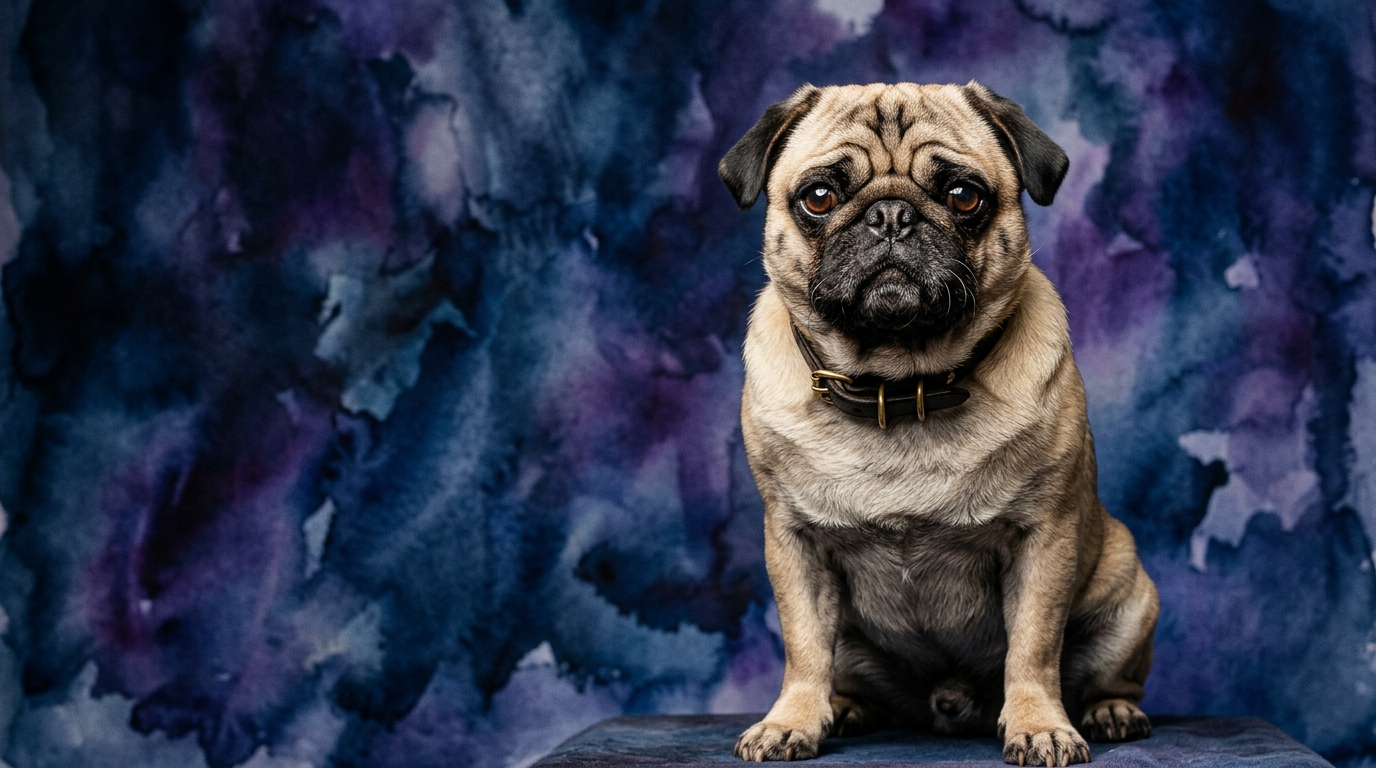
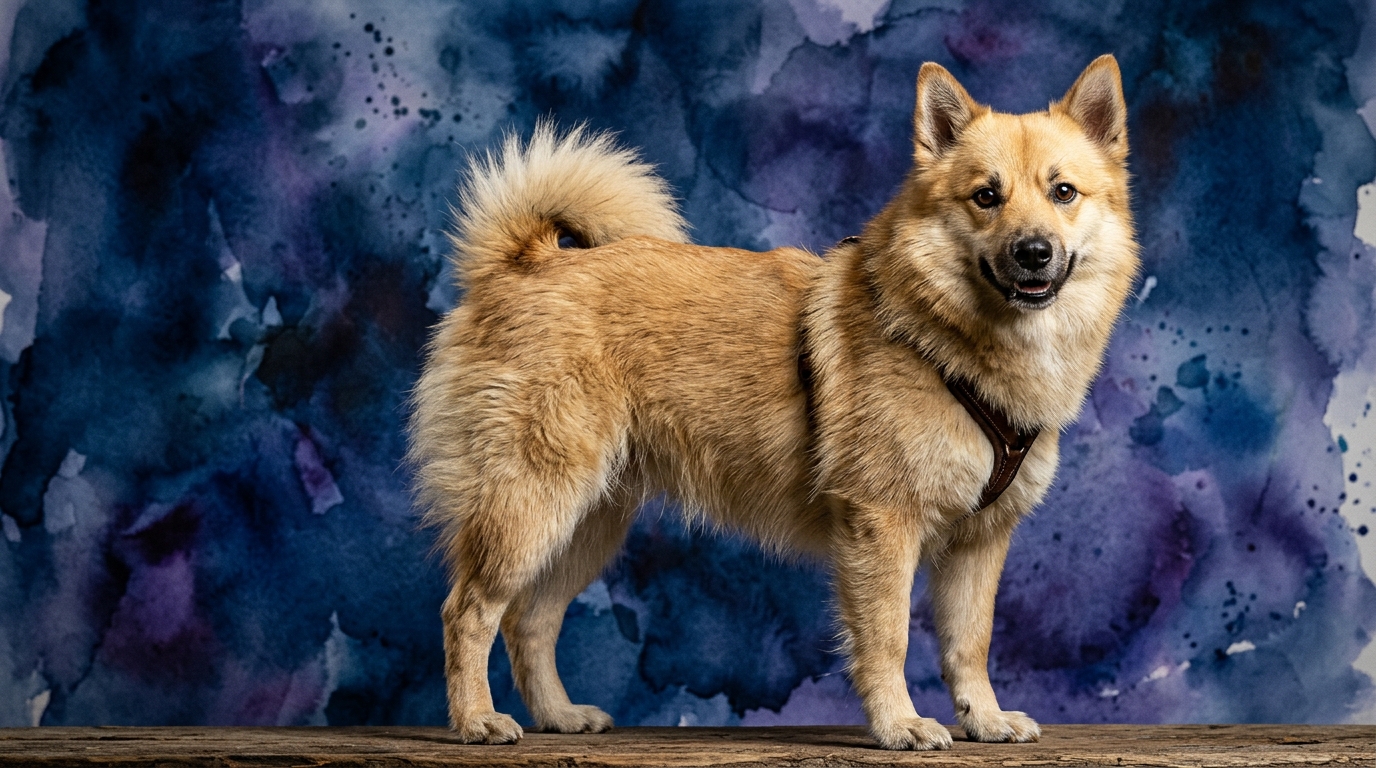
The Cosmic Pet Pet IQ Lab: Pug vs. Norwegian Buhund — A Cognitive Snapshot
At The Cosmic Pet Pet IQ Lab, we delve into five key dimensions of canine intelligence, offering a detailed perspective on what makes each breed's mind unique. For the Pug, a beloved companion with a Coren ranking of #57, their cognitive profile leans heavily into social connection. They score 2/5 in problem-solving, suggesting they may take longer to figure out novel puzzles or navigate complex environments independently. Their training speed is also 2/5, indicating that consistent, patient repetition is key to teaching new behaviors. However, their social intelligence is a remarkable 5/5, reflecting a deep attunement to human emotions and interactions. Instinctive drive, such as prey chase or working motivation, is low at 2/5, while their memory registers an average 3/5, allowing them to recall routines and familiar commands.
In contrast, the Norwegian Buhund, a spirited Herding breed not currently Coren-ranked, presents a more balanced and active cognitive blueprint. Their problem-solving ability is a moderate 3/5, meaning they possess a reasonable capacity to assess situations and devise solutions, perhaps figuring out how to open a gate or retrieve a hidden toy with some persistence. Their training speed matches this at 3/5, suggesting they can learn new commands at an average pace, often grasping concepts after a moderate number of repetitions. Social intelligence for the Buhund is also 3/5; they are affectionate and observant of their human companions, but perhaps with a touch more independence than the highly people-centric Pug. Their instinctive drive is a solid 3/5, reflecting their heritage as working dogs with a natural inclination towards herding and engagement. Like the Pug, their memory is rated 3/5, enabling them to retain training and past experiences effectively.
Where the Pug's Cognitive Strengths Shine Brightest
The Pug's standout cognitive strength lies unequivocally in their social intelligence, scoring a perfect 5/5. This isn't merely about being friendly; it signifies an exceptional capacity to interpret human cues, emotions, and intentions. A Pug often seems to anticipate your mood, offering a comforting nudge when you're down or engaging in playful antics when you seek amusement. This profound attunement makes them unparalleled emotional support animals, thriving on interaction and providing constant, empathetic companionship. Their low instinctive drive (2/5) means they are less likely to be distracted by external stimuli like chasing squirrels, allowing their focus to remain intently on their human family. This cognitive architecture creates a dog that is consistently present, deeply connected, and remarkably sensitive to the nuances of human interaction, making them masters of relational dynamics within the home environment.
This high social intelligence also contributes to their adaptability within a family setting. While their problem-solving (2/5) and training speed (2/5) might not lend themselves to complex task learning, their ability to read and respond to human social signals means they often integrate seamlessly into daily routines. They understand household rhythms and human expectations through observation and connection, rather than by figuring out abstract rules. This makes them incredibly intuitive companions who excel at being deeply integrated members of the family, providing comfort and connection that few other breeds can match with such consistent devotion. They are content to be near you, processing the world primarily through the lens of their bond with their people.
The Norwegian Buhund's Distinct Cognitive Advantages
The Norwegian Buhund's cognitive advantages are rooted in a more active and independent mental framework, particularly evident in their problem-solving (3/5), training speed (3/5), and instinctive drive (3/5). Unlike the Pug, a Buhund possesses a moderate ability to assess and navigate novel situations. This might manifest as figuring out how to manipulate a puzzle toy to release treats, or devising a strategy to access a favorite spot. Their herding heritage contributes to this, as herding requires independent thought and quick decision-making in dynamic environments. This cognitive agility means they are often more engaged by tasks that require mental effort, enjoying the process of working through a challenge rather than simply relying on direct human guidance.
Furthermore, the Buhund's moderate training speed (3/5) indicates a dog that can pick up commands and routines with a reasonable number of repetitions, often showing eagerness to learn when appropriately motivated. Coupled with their instinctive drive (3/5), which can be channeled into dog sports like agility, obedience, or even mock herding, they are dogs that thrive on having a purpose. This drive isn't just about physical activity; it's a cognitive need to engage with the world, solve problems, and utilize their natural abilities. Their social intelligence (3/5) supports this by enabling them to form good working partnerships with their handlers, understanding cues and responding reliably, even if their independence means they occasionally offer their own interpretation of a command.
Training Dynamics: Which Breed Learns with Greater Ease?
When it comes to training, the Norwegian Buhund generally presents a more straightforward learning curve than the Pug, primarily due to their higher scores in problem-solving and training speed. A Buhund's 3/5 training speed means they will typically grasp new commands and concepts in an average number of repetitions, often finding satisfaction in the learning process itself. Their 3/5 problem-solving ability allows them to generalize commands and adapt to varied training environments more readily. While they retain a degree of herding dog independence, meaning they might occasionally prioritize their own ideas, consistent, clear, and engaging training methods leverage their moderate instinctive drive and cognitive curiosity effectively. They respond well to positive reinforcement and appreciate tasks that challenge them mentally.
The Pug, with a training speed of 2/5 and problem-solving at 2/5, requires a different approach. They will likely need more repetitions to solidify new behaviors, and trainers must be patient and consistent. Their lower instinctive drive means they aren't inherently motivated by complex tasks or the 'job' of training. Instead, leveraging their 5/5 social intelligence is key; Pugs respond exceptionally well to positive reinforcement that involves praise, affection, and treats, as these strengthen their bond with their human. Short, frequent training sessions are more effective than long, demanding ones, as their focus may wane. While they might not excel at complex obedience routines, they can learn a wide array of household manners and tricks when training is framed as a fun, bonding experience.
Tailoring to Lifestyles: Active Explorers vs. Relaxed Companions
The distinct cognitive profiles of the Pug and Norwegian Buhund make them suitable for very different owner lifestyles. For individuals or families seeking a truly relaxed, devoted companion whose primary joy is human connection, the Pug is an excellent match. Their exceptional social intelligence (5/5) means they thrive on simply being present with their people, offering comfort and companionship without demanding extensive mental or physical exertion. Their lower problem-solving (2/5) and instinctive drive (2/5) mean they are content with a less structured routine and minimal complex mental engagement, preferring cuddles on the couch over intricate puzzle toys. They are ideal for owners who enjoy a quiet home life and desire a canine friend deeply attuned to their emotional landscape.
Conversely, the Norwegian Buhund is better suited for active owners who can provide consistent mental and physical stimulation. Their moderate problem-solving (3/5), training speed (3/5), and instinctive drive (3/5) indicate a dog that benefits from having a 'job' or engaging in regular activities that challenge their intellect and utilize their herding instincts. This could include dog sports, advanced obedience, regular puzzle feeders, or engaging walks that offer opportunities for exploration. Owners who enjoy hiking, dog parks, or participate in canine activities will find a willing and capable partner in the Buhund. They are not content to be mere couch potatoes; their cognitive makeup requires outlets for their curious minds and energetic spirits, making them a fit for dynamic households ready to engage them actively.
The Verdict
Choose the Pug if you prioritize a deeply empathetic, low-key companion who excels at social bonding and seeks a quiet, devoted presence in your life.
Opt for the Norwegian Buhund if you're an active owner seeking an engaged, moderately independent partner who thrives on mental challenges and enjoys participating in structured activities.
🧠 Find Your Pet's IQ Score
Our Pet IQ Lab assessment covers 25+ tests across 5 cognitive dimensions — personalized to your breed.
Take the Full IQ Test →Frequently Asked Questions
Are Pugs difficult to train?
Pugs have a training speed of 2/5, meaning they require more patience and repetition than some breeds. They respond best to positive reinforcement, short sessions, and training methods that leverage their strong desire for human connection, rather than complex tasks.
What kind of mental stimulation does a Norwegian Buhund need?
With a problem-solving score of 3/5 and an instinctive drive of 3/5, Norwegian Buhunds benefit from regular mental challenges. This can include puzzle toys, interactive games, obedience training, dog sports like agility, or even mock herding activities to satisfy their working heritage.
How does social intelligence differ between these breeds?
The Pug has an exceptional 5/5 social intelligence, indicating a profound ability to read and respond to human emotions and cues, fostering a deep, intuitive bond. The Norwegian Buhund's 3/5 social intelligence means they are affectionate and observant but maintain a greater degree of independence, forming good partnerships rather than singularly focused devotion.