Side-by-Side Cognitive Profiles
To understand the cognitive landscape of the Pug and the Nova Scotia Duck Tolling Retriever, we delve into five key dimensions, each offering insights into their unique mental aptitudes.
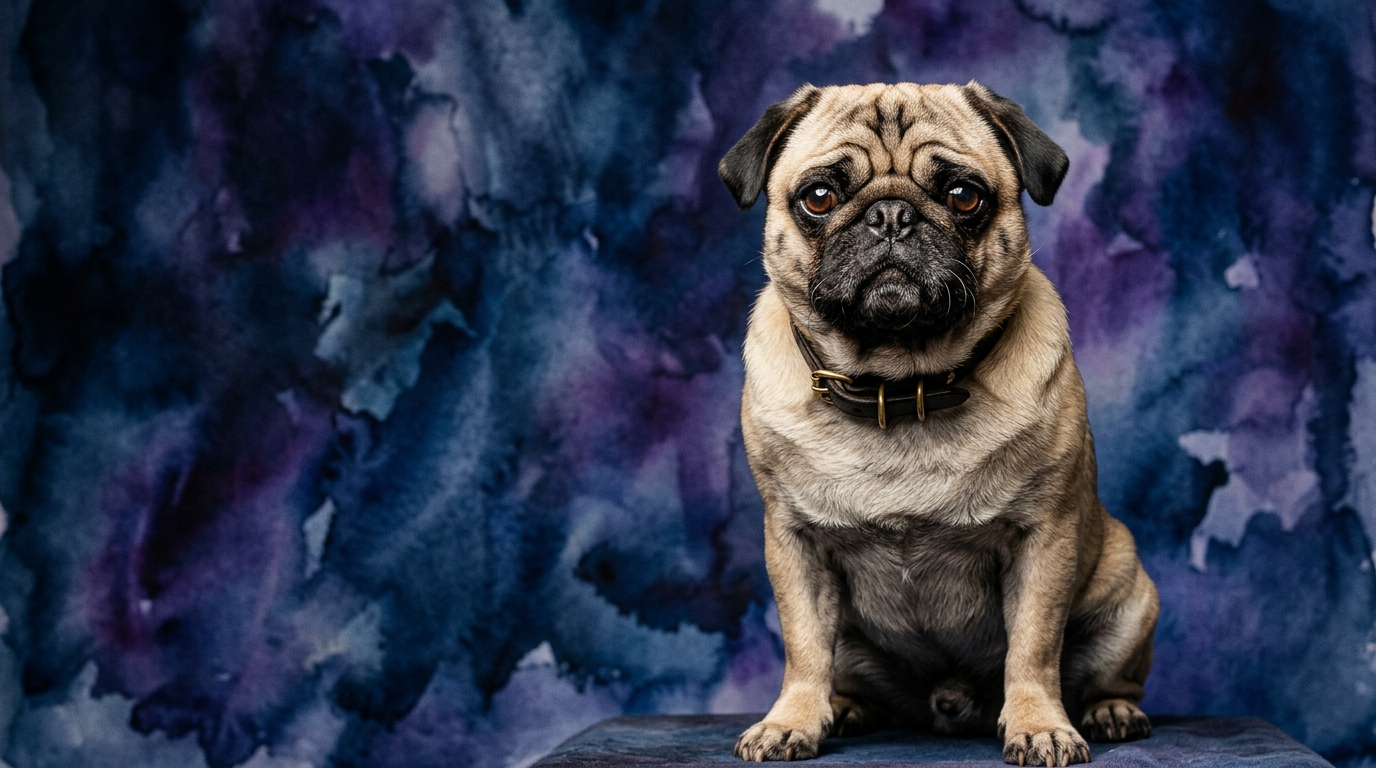
**Pug (Toy Group)**
**Problem Solving (2/5)**: Pugs typically approach novel challenges with less emphasis on complex, multi-step solutions, often relying on owner guidance or simple persistence. Their cognitive strengths lie more in social navigation than intricate environmental manipulation.
**Training Speed (2/5)**: Acquiring new commands can take Pugs more repetitions. Their motivation often ties to comfort or social interaction, meaning they might quickly lose interest if tasks become repetitive or overly demanding.
**Social Intelligence (5/5)**: This is the Pug's standout trait. They possess an exceptional ability to read human cues, understand household social dynamics, and adapt behavior to elicit desired responses like cuddles or treats. Their empathetic nature fosters deep, intuitive bonds.
**Instinctive Drive (2/5)**: Ancestral drives like hunting or herding are largely muted in Pugs. Their primary instinct centers on companionship and comfort, exhibiting low prey drive and minimal desire for independent 'work' or extensive exploration.
**Memory (3/5)**: Pugs show a moderate capacity for retaining information such as routines, familiar faces, and basic commands. They consistently remember favorite nap spots, meal times, and the people who offer the best attention.
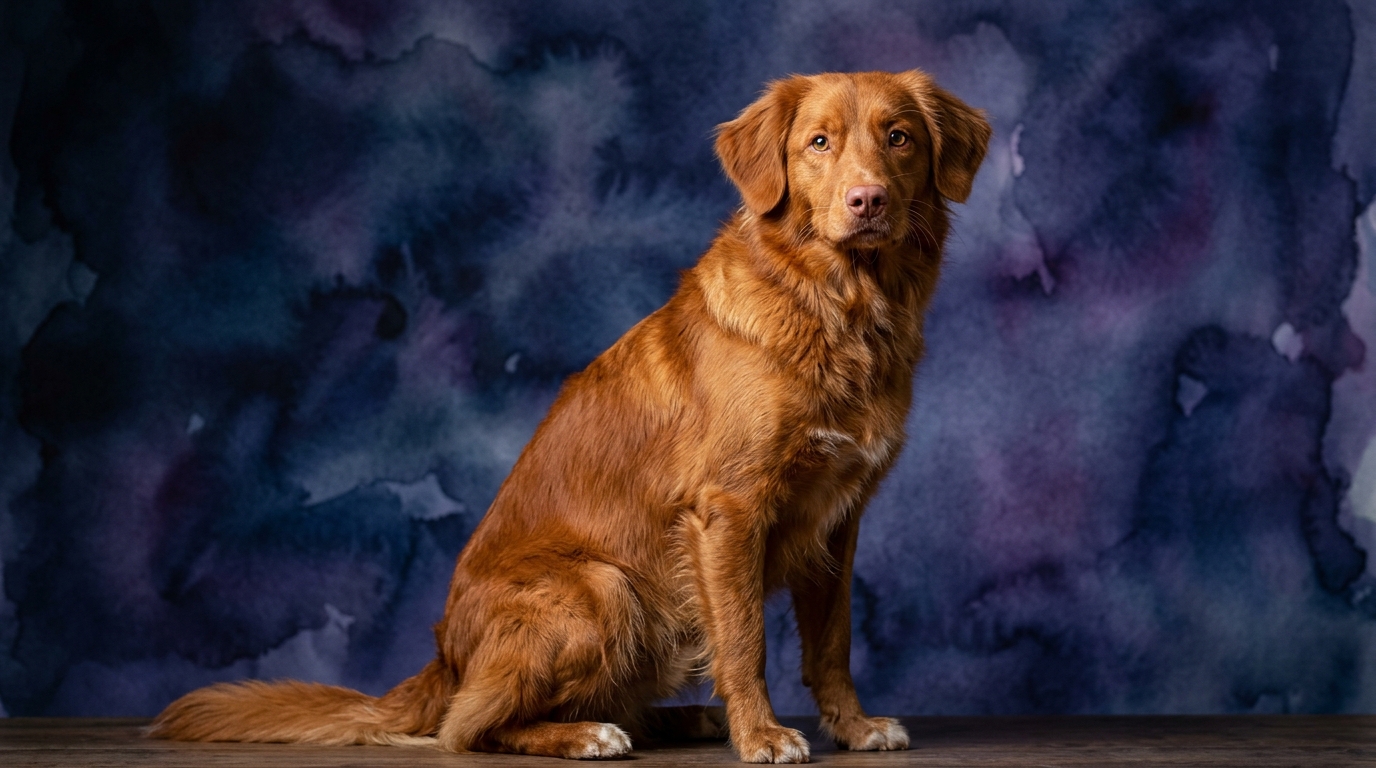
**Nova Scotia Duck Tolling Retriever (Sporting Group)**
**Problem Solving (3/5)**: Tollers exhibit a moderate capacity for practical problem-solving, often employing trial-and-error to retrieve a toy from a tricky spot or navigate obstacles. They demonstrate adaptability in achieving goals beyond simple instinct.
**Training Speed (3/5)**: Tollers generally pick up new commands and routines at a moderate pace. Eager to please and motivated by praise, play, or food, they are receptive to consistent positive reinforcement, appreciating having a 'job' to do.
**Social Intelligence (3/5)**: Tollers possess balanced social intelligence, connecting well with caregivers and being friendly with others. Their social interactions are often driven by a desire to engage in activities or work, rather than nuanced emotional manipulation.
**Instinctive Drive (3/5)**: The Toller's moderate instinctive drive is purposeful, focused on their retrieving heritage. This manifests as a strong desire to chase, fetch, and 'toll' waterfowl, translating into a natural inclination for activity and purpose involving toys and water.
**Memory (3/5)**: Tollers show a solid capacity for memory, retaining commands, training sequences, and locations. This aids their ability to perform multi-step tasks and recall learned behaviors over time, crucial for their retrieving roles.
Where the Pug Wins Cognitively
The Pug's exceptional Social Intelligence (5/5) truly distinguishes it. They excel at deciphering subtle human cues, sensing shifts in mood, and responding with comforting presence or charming antics. This isn't just about affection; it's a sophisticated ability to navigate interpersonal dynamics, anticipating needs and fostering deep, intuitive bonds. A Pug might offer comfort during distress or strategically position itself for attention, demonstrating a nuanced grasp of household harmony, making them unparalleled emotional anchors.
Where the Nova Scotia Duck Tolling Retriever Wins Cognitively
The Toller demonstrates a more robust aptitude across Problem Solving (3/5), Training Speed (3/5), and Instinctive Drive (3/5), all rated higher than the Pug. While a Pug might await a human solution, a Toller is more likely to experiment to retrieve a toy or figure out a gate. Their moderate training speed allows them to grasp new concepts efficiently, fueled by an intrinsic motivation for task engagement, particularly in retrieving or physical activities. This reflects a cognitive process focused on understanding, remembering, and purposeful execution, less prevalent in the Pug's profile.
Which is Easier to Train and Why
The Nova Scotia Duck Tolling Retriever generally proves easier to train for obedience and task-oriented activities. Their higher training speed (3/5) indicates quicker command acquisition, often driven by their moderate instinctive drive (3/5) to engage and work. Tollers find satisfaction in completing tasks and receiving positive reinforcement, making them eager participants. Teaching a Toller a multi-step retrieve, like “find the ball, bring it here, drop it,” is typically straightforward due to their inherent drive to perform such actions and ability to link sequences.
In contrast, the Pug's lower training speed (2/5) demands more patience and repetition. Their motivation stems primarily from social interaction and comfort (Social Intelligence 5/5), rather than an intrinsic drive for task completion. A Pug might master “sit” with a treat but “forget” it when distracted or if the reward isn't immediate. Their charming stubbornness, often a preference for comfort, means trainers need creativity and consistency, leveraging their social intelligence to make training a bonding experience. Pugs can learn, but their approach is less about efficient task acquisition and more about mutual enjoyment and gentle persuasion.
Which Suits Active Owners vs. Relaxed Owners
For active owners, the Toller is a compelling match. Their moderate instinctive drive (3/5) and problem-solving (3/5) mean they thrive on mental and physical engagement. They require activities like retrieving games, agility, or long hikes to channel their energy and cognitive abilities. An owner who enjoys outdoor adventures, dog sports, or seeks a dynamic partner would find the Toller a rewarding companion. Their moderate social intelligence ensures they enjoy companionship during activity without solely relying on constant human validation.
Relaxed owners will find the Pug perfectly aligned with their lifestyle. Their high social intelligence (5/5), combined with low instinctive drive (2/5) and problem-solving (2/5), makes them ideal for quiet companionship. Pugs are content with short walks, cuddle sessions, and being close to their human family. Their primary need is affection and connection, not rigorous exercise or complex mental challenges. An owner valuing a highly empathetic friend attuned to their emotional state, preferring indoor activities or gentle strolls, would appreciate the Pug's temperament. They are masters of relaxed co-existence.
The Verdict
If your lifestyle leans towards quiet companionship, valuing a highly empathetic and socially attuned friend who thrives on close human connection and gentle routines, the Pug is an exceptional choice.
Opt for the Nova Scotia Duck Tolling Retriever if you seek an engaged, moderately active partner for outdoor adventures, structured training, and a dog who finds purpose in retrieving and mental challenges.
🧠 Find Your Pet's IQ Score
Our Pet IQ Lab assessment covers 25+ tests across 5 cognitive dimensions — personalized to your breed.
Take the Full IQ Test →Frequently Asked Questions
Are Pugs difficult to train?
Pugs can require more patience and creative motivation during training due to their lower training speed and instinctive drive. They respond best to positive reinforcement, short sessions, and making training feel like a fun, bonding experience, leveraging their high social intelligence. Consistency is key, as they are easily distracted.
Do Tollers need a lot of exercise?
Yes, Nova Scotia Duck Tolling Retrievers have a moderate instinctive drive and benefit significantly from regular physical and mental stimulation. Daily activities like retrieving games, long walks, or dog sports help channel their energy and prevent boredom, ensuring they remain well-adjusted companions. They are not content with just a quick stroll around the block.
Which breed is better with children?
Both breeds can be good with children, but in different ways. Pugs, with their high social intelligence, are often gentle and patient, enjoying being part of family activities as long as children are respectful. Tollers, with their moderate energy and desire to play, can be fun companions for active children, particularly enjoying games of fetch, though their retrieving drive means they might occasionally be mouthy. Supervision is always essential with any dog and child interaction.