A Side-by-Side Look at Cognitive Profiles
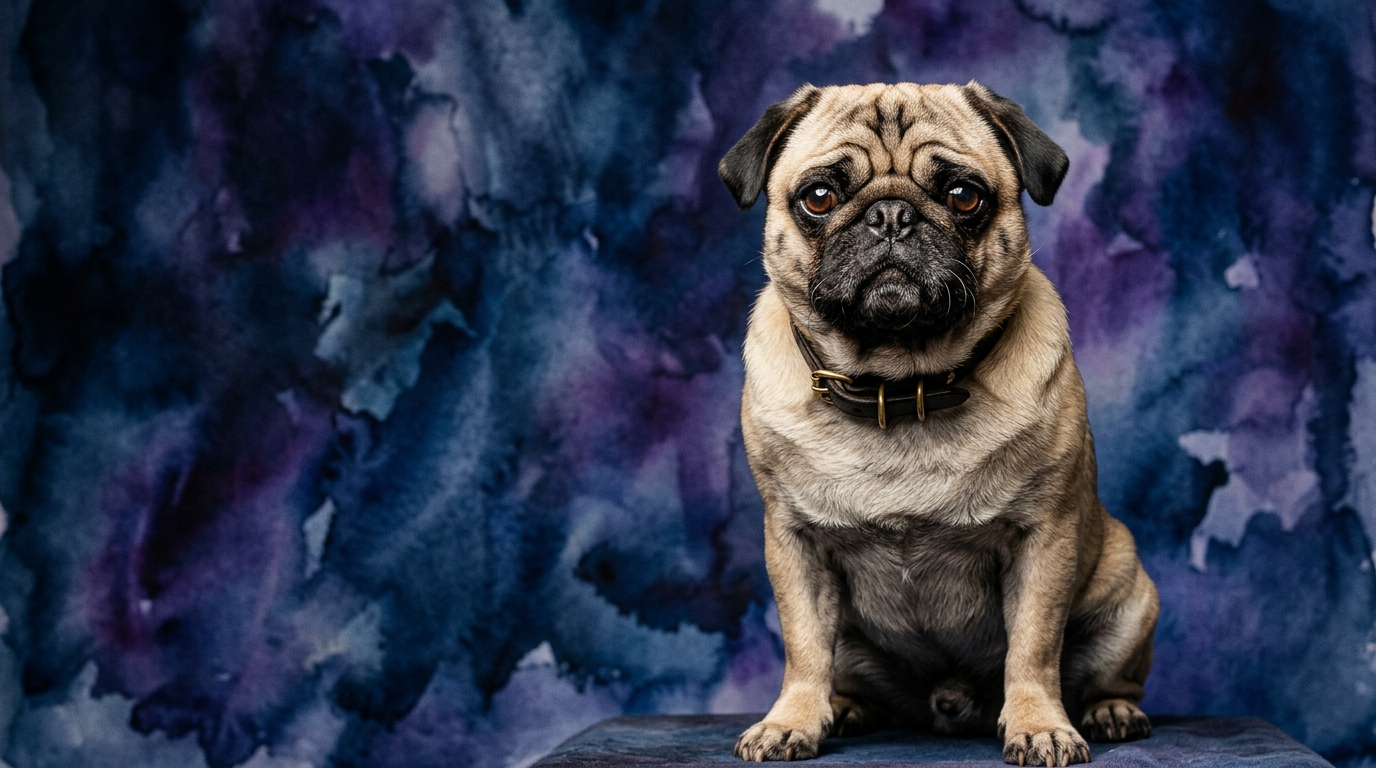
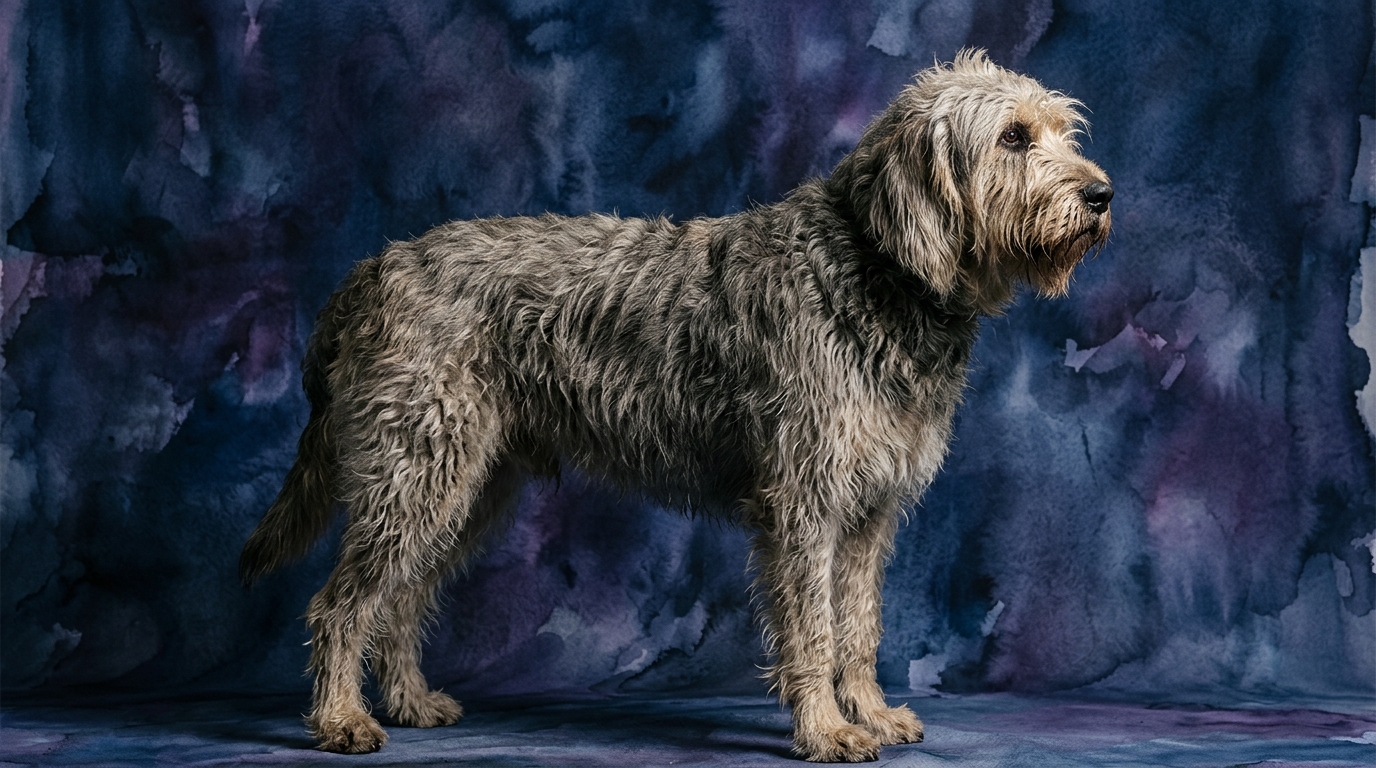
The Cosmic Pet Pet IQ Lab employs a five-dimensional framework to assess canine intelligence, moving beyond simple obedience to encompass a broader spectrum of mental aptitudes. For the Pug, a charming Toy group member, their profile is marked by a profound connection to humans, while the Otterhound, a robust Hound, demonstrates a more independent and instinct-driven intellect.
The Pug's cognitive breakdown shows Problem Solving at 2/5, indicating they are not typically inclined towards complex puzzle-solving or intricate independent tasks, preferring to rely on their human counterparts. Their Training Speed is also 2/5, meaning they can learn, but often require significant patience, positive reinforcement, and a playful approach to engage their attention and overcome occasional stubbornness. Where the Pug truly shines is in Social Intelligence, scoring a perfect 5/5; these dogs are masters at reading human emotions, cues, and forming deep, intuitive bonds, often seeming to anticipate their owner's needs or moods. Their Instinctive Drive is a low 2/5, reflecting their role as companions rather than working dogs, with minimal prey drive or strong urges to roam. Finally, their Memory sits at a moderate 3/5, sufficient for routines and recognizing familiar faces, but perhaps not for recalling intricate sequences of commands.
The Otterhound, unranked by Coren but with a distinct working heritage, presents a more balanced, albeit different, cognitive landscape. Their Problem Solving capability is rated 3/5, suggesting a moderate ability to figure things out independently, especially when motivated by scent or a desired outcome. Training Speed is also 3/5; Otterhounds can grasp commands at a reasonable pace, but their independent streak and strong sensory focus can sometimes make consistent execution a challenge. Their Social Intelligence is 3/5, indicating they are generally friendly and good-natured, but may not possess the same intense emotional attunement or human-focused drive as the Pug. With an Instinctive Drive of 3/5, they possess a robust working dog mentality, particularly their strong scenting ability and desire to follow a trail. Their Memory is also 3/5, likely excelling in recalling scent trails and geographical locations, while retaining general obedience commands effectively.
Where the Pug's Mind Excels
The Pug's primary cognitive advantage lies in its unparalleled Social Intelligence, scoring a perfect 5/5 compared to the Otterhound's 3/5. This isn't merely about being friendly; it's about a deep, intuitive understanding of human social dynamics. Pugs are adept at reading subtle facial expressions, body language, and vocal tones, often responding with comforting nudges or playful antics precisely when needed. This acute social awareness allows them to form incredibly strong, almost symbiotic bonds with their families, making them exceptional emotional support animals and dedicated companions. Their ability to integrate seamlessly into human social structures, often becoming the emotional heart of a household, is a testament to this unique cognitive strength.
Furthermore, the Pug's lower Instinctive Drive (2/5) can be seen as a cognitive win in a companion context. While an Otterhound might be compelled to follow a compelling scent for miles, a Pug is generally content to remain close to its human, with fewer internal distractions pulling them away. This means their attention is more consistently available for interaction and connection, rather than being consumed by primal urges to hunt or explore independently. For owners seeking a dog whose cognitive focus is almost entirely centered on human companionship, the Pug's profile is uniquely suited.
Where the Otterhound's Mind Takes the Lead
The Otterhound demonstrates a clear cognitive advantage in Problem Solving, with a score of 3/5 compared to the Pug's 2/5. This manifests in their ability to navigate complex environments and figure out solutions independently, particularly when a scent trail is involved. They are more likely to strategize how to overcome an obstacle to reach a goal, rather than waiting for human intervention or giving up. This capacity for independent thought and persistent exploration is a hallmark of their working heritage and a valuable cognitive trait for tasks requiring initiative.
Their Training Speed also edges out the Pug at 3/5. While not lightning-fast, Otterhounds generally grasp new commands and concepts more readily than Pugs, especially if the training is engaging and taps into their natural drives. They possess a more robust capacity for learning and executing tasks that require sequential understanding, provided the motivation is compelling. This slightly higher aptitude for learning structured tasks makes them more versatile in activities like obedience, agility, or scent work, where a quicker uptake of instructions is beneficial.
The Otterhound's Instinctive Drive, at 3/5, while sometimes challenging, is also a cognitive strength. This drive fuels their incredible sense of smell and their determination to follow a trail, making them exceptional at scent detection and tracking. This isn't just a physical attribute; it's a cognitive process of memory, pattern recognition, and sustained focus on a specific sensory input. For an owner who wants to engage a dog in mentally stimulating activities like nose work or tracking, the Otterhound's inherent drive provides a powerful cognitive engine for these tasks.
Training Dynamics: Pug vs. Otterhound
When it comes to ease of training, the differences between the Pug and the Otterhound are pronounced, stemming directly from their cognitive profiles. The Pug, with its Training Speed of 2/5 and high Social Intelligence, often learns best through positive reinforcement, play, and making training feel like a bonding experience. They can be easily distracted or become stubborn if they perceive training as boring or overly demanding. Their strong desire to please, however, can be a powerful motivator if the owner effectively communicates what is desired in an encouraging manner, leveraging their social intelligence. Consistency is key, but so is keeping sessions short, fun, and varied to maintain their interest, as their memory for complex sequences might not be their strongest suit.
The Otterhound, scoring 3/5 in Training Speed and 3/5 in Instinctive Drive, presents a different set of training challenges and rewards. They are capable of learning commands more quickly than Pugs, but their independent nature and powerful scent drive mean they may prioritize an interesting smell over a verbal cue. Training an Otterhound requires an owner who understands how to channel their natural hound instincts. Engaging them in scent games, using high-value rewards, and employing consistent, firm but fair methods are crucial. Their problem-solving ability can sometimes lead them to figure out how to get what they want in ways not aligned with commands, requiring an owner to be one step ahead. While they may grasp concepts faster, their independent spirit means reliable recall and focus in distracting environments will require significant, ongoing effort.
Matching Canine Minds to Owner Lifestyles
Understanding these cognitive differences is paramount when selecting a canine companion to match an owner's lifestyle. For the relaxed owner, whose life centers around companionship, indoor comfort, and gentle routines, the Pug is often an ideal fit. Their low Instinctive Drive and unparalleled Social Intelligence mean they thrive on human interaction, cuddle sessions, and short, leisurely walks. They are less demanding of extensive physical exercise or complex mental tasks that require independent problem-solving. A Pug's cognitive landscape is oriented towards being a devoted, emotionally attuned companion, content to be a warm presence by your side, engaging in brief bursts of play and absorbing the household's social rhythm. Their mental stimulation comes primarily from their human relationships and observing their surroundings from a cozy spot.
Conversely, the Otterhound is best suited for active owners who relish outdoor adventures and can provide ample mental and physical stimulation. Their higher Problem Solving, Instinctive Drive, and moderate Training Speed mean they need more than just a walk around the block. They thrive on activities that engage their powerful nose and their capacity for independent thought, such as long hikes, structured scent work, or exploring new environments. An Otterhound's mind is always seeking, processing, and following intriguing sensory information, making them excellent partners for owners who appreciate a dog with a purpose and a drive for exploration. They require an owner who understands their independent nature and can provide consistent training and engagement to channel their cognitive strengths productively, preventing boredom and potential mischief.
The Verdict
Choose a Pug if you prioritize deep emotional connection, a low-maintenance physical routine, and a dog whose world revolves around human companionship and social harmony.
Opt for an Otterhound if you lead an active lifestyle, appreciate an independent, scent-driven companion, and are prepared to engage their robust problem-solving skills and working instincts outdoors.
🧠 Find Your Pet's IQ Score
Our Pet IQ Lab assessment covers 25+ tests across 5 cognitive dimensions — personalized to your breed.
Take the Full IQ Test →Frequently Asked Questions
Do Pugs learn new tricks easily?
Pugs can learn new tricks, but their Training Speed of 2/5 means they often require patience, positive reinforcement, and engaging, short training sessions. Their social intelligence can make them eager to please if the learning process is fun and rewarding.
Are Otterhounds good at problem-solving?
Yes, Otterhounds show a moderate problem-solving ability (3/5), especially when motivated by scent or a specific goal. They can independently figure out ways to navigate challenges, reflecting their working hound heritage.
Which breed is more independent, Pug or Otterhound?
The Otterhound is generally more independent than the Pug, primarily due to its higher Instinctive Drive (3/5) and background as a working scent hound. Pugs, with their 5/5 Social Intelligence, are typically much more human-dependent and less inclined to explore independently.