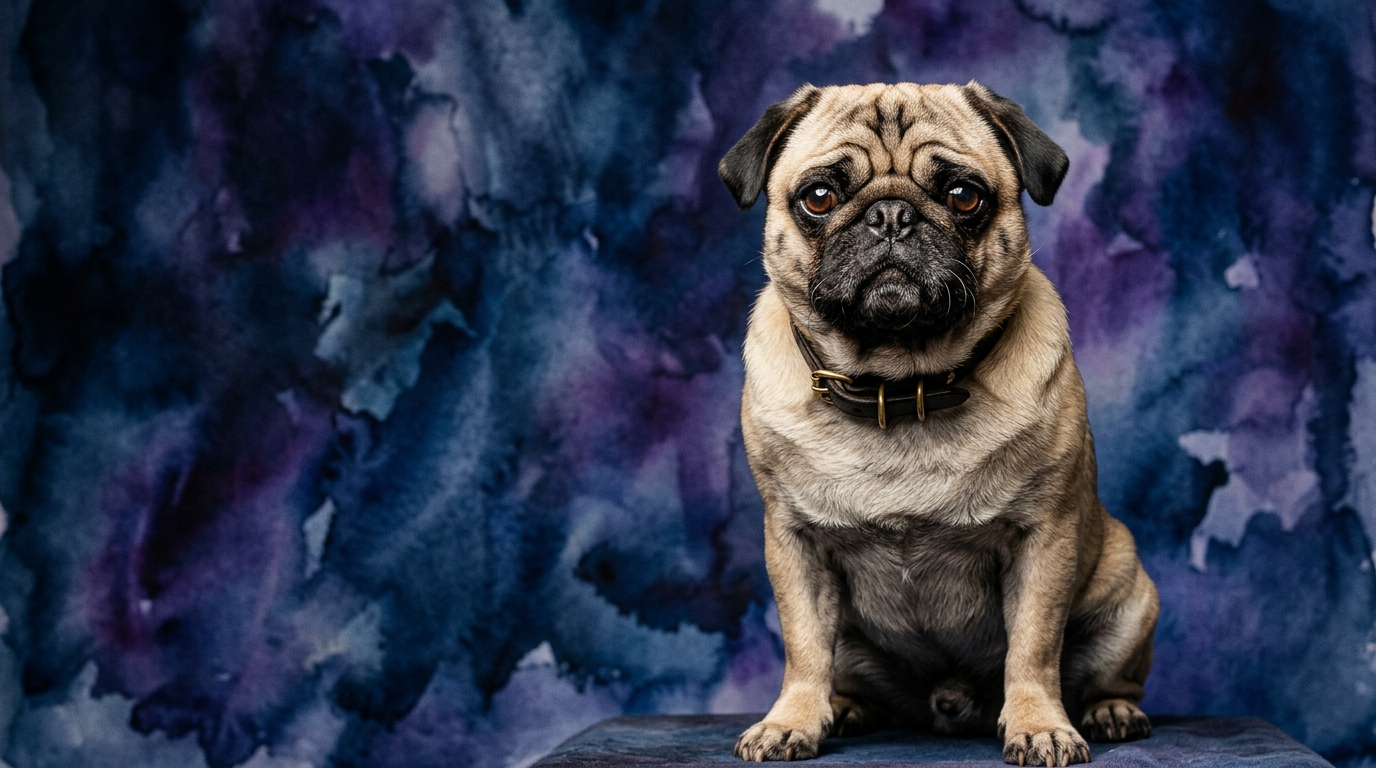
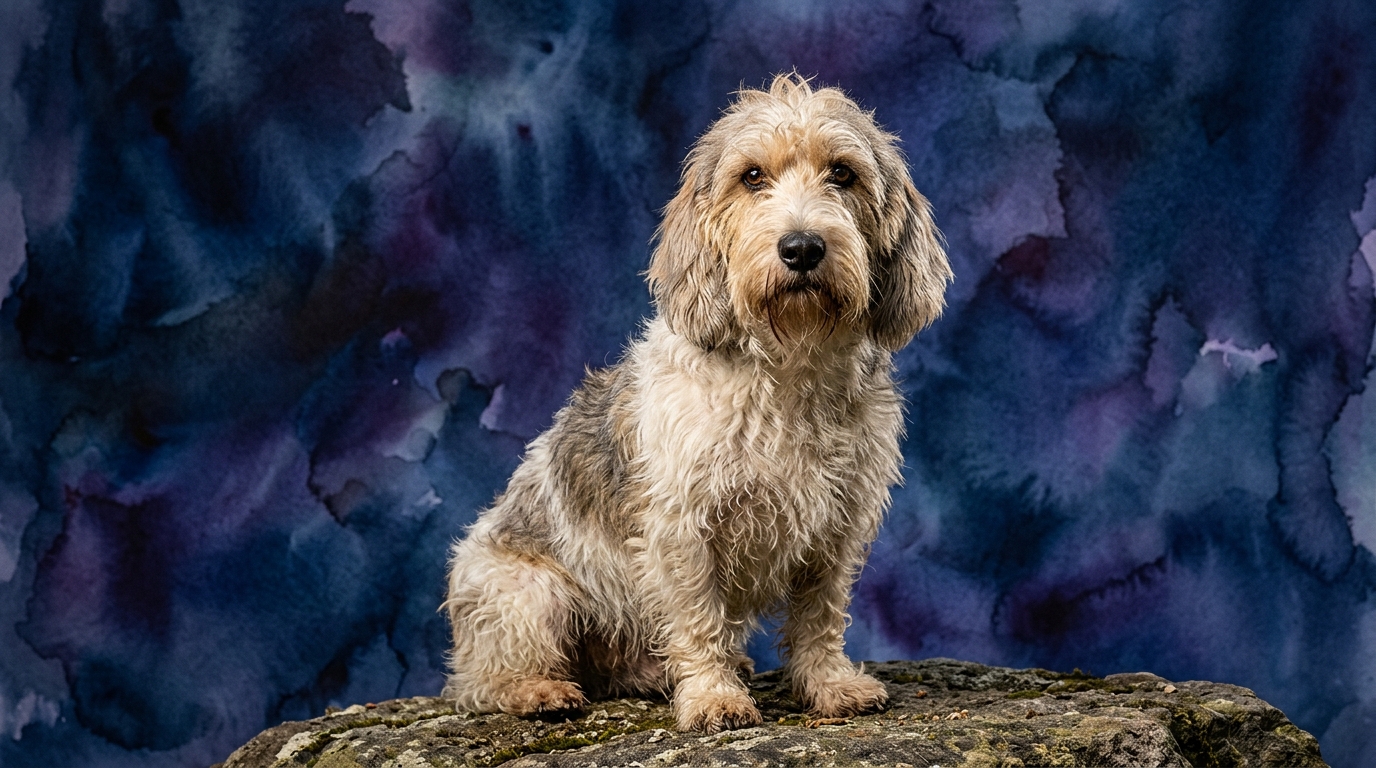
Side-by-Side IQ Profile
The Pug, a Toy breed, brings a unique cognitive blueprint to the table, reflected in its Coren rank of #57. Its problem-solving ability scores 2/5, indicating a preference for established routines over novel challenges, and its training speed is similarly 2/5, requiring patience and repetition for new commands. Where the Pug truly shines is its social intelligence, rated a remarkable 5/5, showcasing an exceptional capacity for understanding human cues and emotions, while its instinctive drive is low at 2/5. Memory for the Pug stands at a solid 3/5, allowing them to retain learned associations and familiar patterns effectively.
In contrast, the Petit Basset Griffon Vendéen (PBGV), a spirited Hound breed, presents a more balanced and often higher-scoring profile, though not Coren-ranked. Their problem-solving ability is a respectable 3/5, indicating a moderate capacity to navigate new obstacles or figure out simple puzzles. Training speed for the PBGV also registers 3/5, suggesting they grasp concepts more readily than Pugs, though consistent engagement is still key. Their social intelligence is 3/5, meaning they are affable and connected but perhaps not as intensely tuned into human emotional nuances as a Pug. The PBGV's instinctive drive is a higher 3/5, reflecting their heritage as scent hounds, while their memory also scores 3/5, supporting their ability to track and recall scent trails.
Where Pug Wins Cognitively
The Pug’s definitive cognitive advantage lies in its extraordinary social intelligence, scoring a perfect 5/5. This isn't merely about being affectionate; it's a sophisticated ability to read and respond to human emotional states, subtle body language, and vocal inflections. A Pug can often anticipate a change in your mood or understand an unspoken request, making them intuitive companions excelling at deep, empathetic bonds. This high social acuity means they are masters of connection, thriving on interaction and attuned to the nuances of their human family's social world.
This exceptional social intelligence also means Pugs are adept at navigating complex household dynamics and understanding their place within the family structure. While they might not be solving complex puzzles, they are experts at understanding who needs comfort, when to solicit attention, and charming their way to desired outcomes. Their cognitive strengths are deeply rooted in their companionship role, making them unparalleled at integrating into human social groups and becoming cherished, emotionally responsive members.
Where Petit Basset Griffon Vendéen Wins Cognitively
The Petit Basset Griffon Vendéen demonstrates a broader cognitive versatility, particularly excelling in areas that reflect its hound heritage. Its problem-solving ability, rated 3/5 compared to the Pug’s 2/5, indicates a greater capacity for independent thought and figuring out how to achieve a goal, whether navigating an obstacle or retrieving a hidden toy. This cognitive strength allows them to be more resourceful in navigating their environment and adapting to new situations, often employing trial-and-error strategies.
Furthermore, the PBGV’s instinctive drive, at 3/5, is a significant cognitive asset, manifesting as a keen nose and an inherent motivation to explore and follow scents. This drive isn't just about physical activity; it's a cognitive function involving complex scent discrimination, tracking, and memory recall of scent trails. Their balanced scores in problem-solving and training speed (both 3/5) suggest a more capable learner for tasks requiring sequential steps or independent decision-making in a practical context, especially when scent is involved.
Which is Easier to Train and Why
When considering ease of training, the Petit Basset Griffon Vendéen generally presents a more straightforward path due to its higher training speed (3/5) and problem-solving (3/5) scores compared to the Pug. PBGVs are often more receptive to learning new commands and can process new information with fewer repetitions. However, their hound nature means they can be easily distracted by compelling scents, requiring consistent, patient redirection, often leveraging their natural drive for exploration as a reward.
Conversely, the Pug, with a training speed of 2/5, typically requires significantly more patience and creative motivation strategies. While their high social intelligence means they are eager to please and form strong bonds, their attention span for repetitive tasks can be short, and they may quickly lose interest if not engaged. Food motivation works well, but trainers must be prepared for a slower learning curve and a need for highly positive reinforcement to counteract their tendency towards stubbornness or distraction. Their cognitive strength lies in their social connection rather than rapid task acquisition.
Which Suits Active Owners vs. Relaxed Owners
The choice between these breeds often comes down to an owner’s lifestyle and activity level, directly correlating with their distinct cognitive profiles. The Pug, with its low instinctive drive (2/5) and preference for companionship, is an ideal match for relaxed owners who seek a devoted, low-impact companion. Their cognitive strength in social intelligence makes them content with cozy indoor living and short, leisurely strolls, perfectly fulfilling their role as a charming lap dog. They thrive on emotional connection over strenuous physical or mental tasks.
The Petit Basset Griffon Vendéen, on the other hand, with its higher instinctive drive (3/5) and moderate problem-solving abilities, requires a more active and engaging owner. Their cognitive makeup demands outlets for exploration, scent work, and varied physical activity to keep them mentally stimulated and prevent boredom. Owners who enjoy outdoor adventures, hiking, or participate in canine sports like tracking or agility will find the PBGV a rewarding partner, as these activities tap into their natural cognitive strengths and fulfill their hound instincts.
The Verdict
Choose a Pug if you prioritize unparalleled social connection and a devoted, emotionally intuitive companion content with a relaxed lifestyle and minimal demands for complex mental stimulation.
Opt for a Petit Basset Griffon Vendéen if you seek a more independent, moderately trainable dog with a zest for exploration, a keen nose, and a need for engaging activities that challenge their problem-solving and instinctive drives.
🧠 Find Your Pet's IQ Score
Our Pet IQ Lab assessment covers 25+ tests across 5 cognitive dimensions — personalized to your breed.
Take the Full IQ Test →Frequently Asked Questions
Are Pugs difficult to train because of their low training speed?
Pugs require more patience and consistency in training due to their 2/5 training speed, but their high social intelligence means they are motivated by pleasing their owner and forming bonds. Positive reinforcement and short, engaging sessions are key to success.
How does the PBGV's instinctive drive affect daily life?
The PBGV's 3/5 instinctive drive means they have a strong urge to follow scents, which can lead to wandering or selective hearing outdoors. Secure fencing and leash training are crucial, and engaging them in scent games can be a rewarding outlet for this cognitive trait.
Can a Pug and a PBGV live together happily despite their differences?
Yes, they can coexist, especially if their individual needs for exercise and mental stimulation are met. The Pug's social intelligence helps them adapt to various household dynamics, while the PBGV's moderate social intelligence makes them generally amicable, provided introductions are positive.