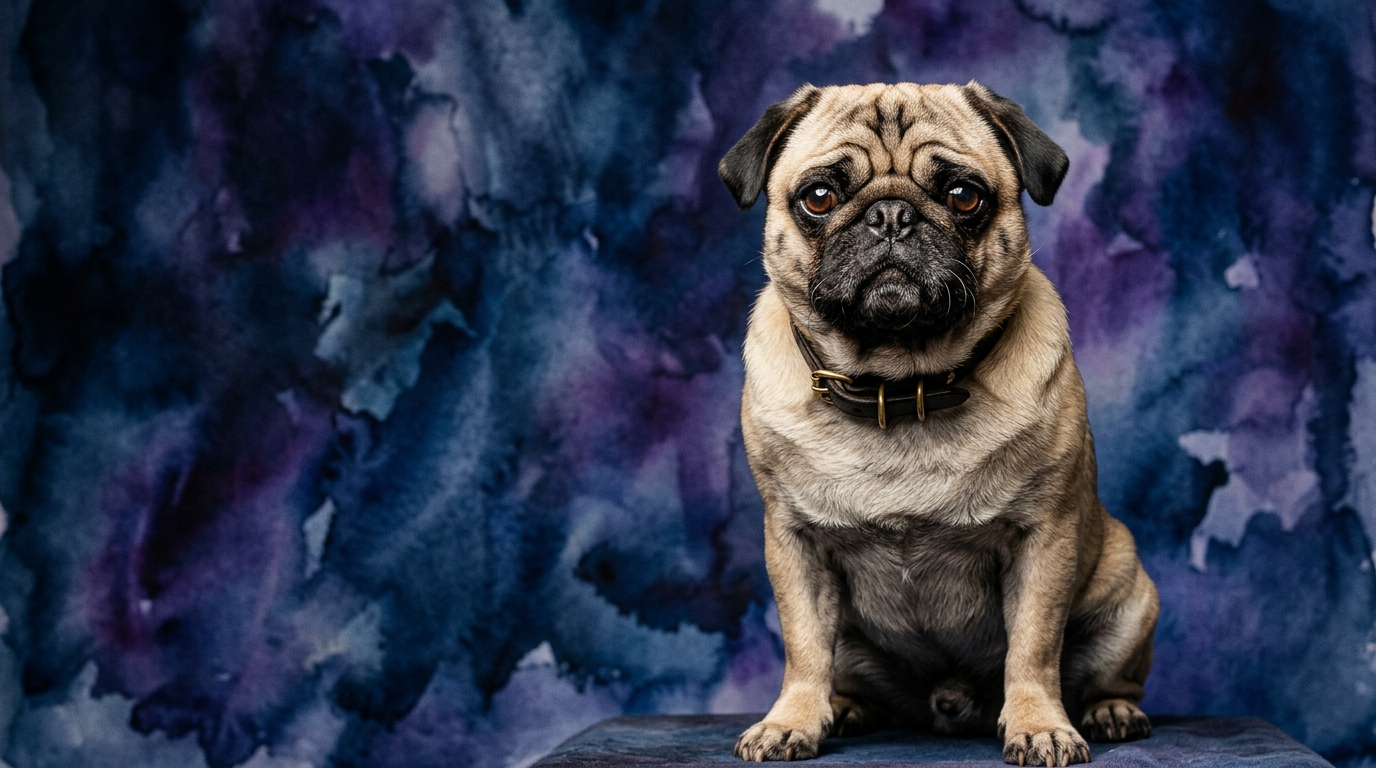
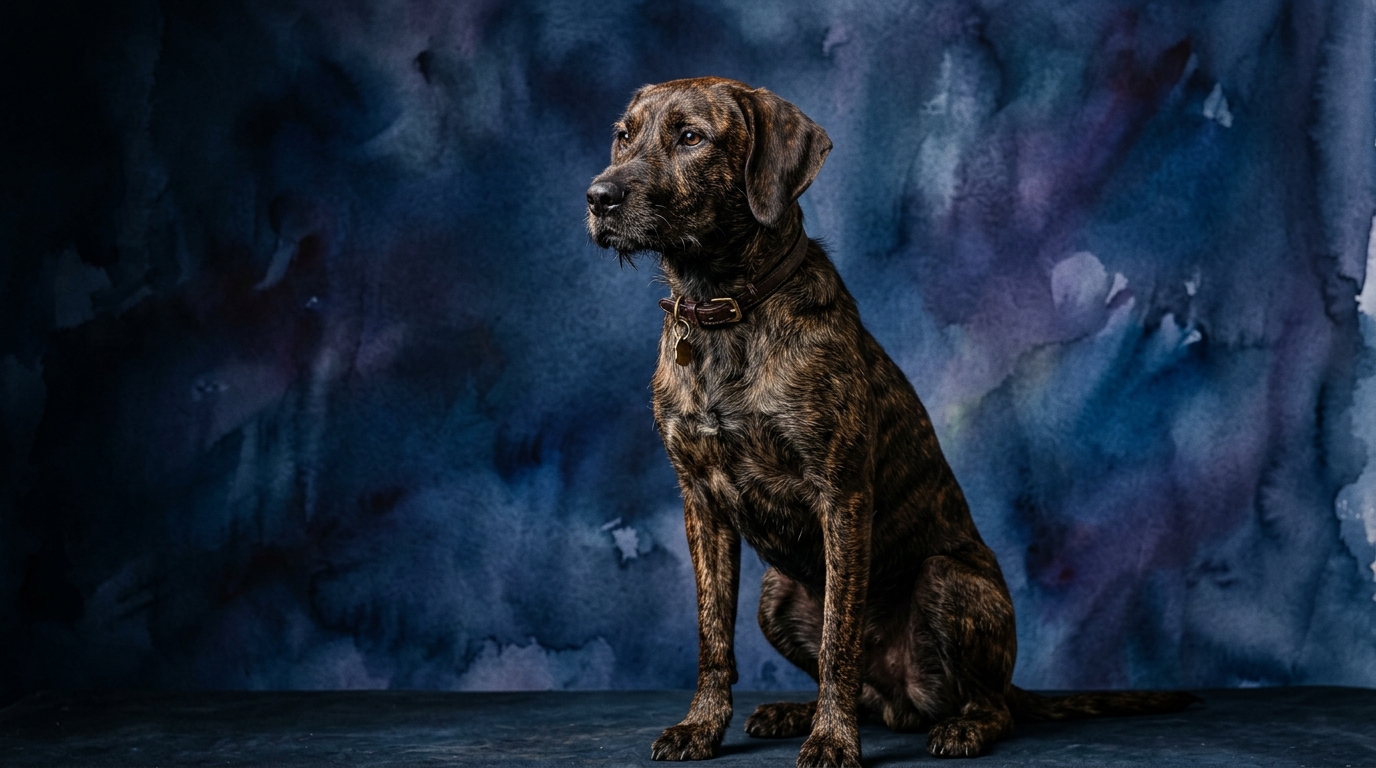
Side-by-Side IQ Profiles: Pug vs. Plott Hound
Our Cosmic Pet IQ Lab framework evaluates canine intelligence across five key dimensions, offering a nuanced perspective beyond traditional rankings. The Pug, a Toy group member, holds a Coren rank of #57, indicating a moderate working and obedience intelligence. Its IQ profile shows a Problem Solving score of 2/5, meaning Pugs often prefer routine over devising novel solutions and may require more guidance when faced with new obstacles. Training Speed is also 2/5, suggesting they learn new commands at a deliberate pace, often thriving on consistent, positive reinforcement rather than quick uptake. However, the Pug truly shines in Social Intelligence with a perfect 5/5, demonstrating an exceptional capacity to understand human emotions and cues, fostering deep bonds. Their Instinctive Drive is 2/5, reflecting a low innate urge for tasks like hunting or guarding, aligning with their role as companions. Memory stands at 3/5, indicating an average ability to recall learned behaviors and past experiences.
In contrast, the Plott Hound, a dedicated member of the Hound group, is not Coren-ranked, which is common for breeds specialized in scent work where traditional obedience measures don't fully capture their specific cognitive strengths. Its IQ profile presents a more balanced, moderate distribution across the board: Problem Solving is 3/5, suggesting a reasonable aptitude for figuring out challenges, particularly those related to their primary drive. Training Speed also scores 3/5, meaning Plott Hounds are capable learners, responding well to consistent methods, though perhaps not with the immediate eagerness of some more biddable breeds. Social Intelligence is 3/5, indicating they form strong connections with their human families but might not possess the same intuitive emotional attunement as the Pug. Their Instinctive Drive is 3/5, a moderate score that, for a hound, is concentrated intensely on tracking and scent work, driving their focus and perseverance in the field. Memory, like the Pug, is 3/5, allowing them to retain training and track complex scent trails effectively over time.
Where the Pug Excels Cognitively
The Pug's standout cognitive strength lies unequivocally in its Social Intelligence, scoring a remarkable 5/5. This isn't just about being friendly; it reflects a profound capacity to read and respond to human emotions, subtle body language, and vocal inflections. A Pug can often sense a change in its owner's mood, offering comfort or initiating play with uncanny timing. This exceptional social acumen allows them to integrate seamlessly into family life, making them superb emotional support animals and deeply intuitive companions. Their ability to connect on an almost empathetic level means they often anticipate human needs, whether it's snuggling closer during a quiet evening or nudging a hand for attention when they perceive loneliness. This cognitive trait is a cornerstone of their appeal, fostering an intense, mutually understanding bond that few breeds can rival. They thrive on interaction and reciprocate affection with an almost telepathic understanding of their human partners.
Where the Plott Hound Demonstrates Cognitive Superiority
The Plott Hound's cognitive advantages are rooted deeply in its working heritage, particularly in its Problem Solving and Instinctive Drive. With a Problem Solving score of 3/5, the Plott Hound displays a practical intelligence, especially when it comes to navigating complex environments or overcoming obstacles during a scent pursuit. This isn't about solving abstract puzzles, but rather the real-world application of logic to achieve a goal, like figuring out how to bypass a barrier to follow a track. Their Instinctive Drive, also 3/5, is a powerful cognitive engine, fueling their relentless focus and determination when on a scent. This drive isn't just a physical urge; it's a cognitive preoccupation that directs their problem-solving skills, memory, and attention toward a singular purpose. While a Pug might quickly give up on a toy hidden under a blanket, a Plott Hound will systematically investigate, using its superior olfactory senses and moderate problem-solving abilities to locate the 'prey.' This focused, task-oriented intelligence is what makes them exceptional working dogs in their specialized field.
Training Dynamics: Pug vs. Plott Hound
When it comes to trainability, the Pug and Plott Hound present different challenges and rewards, largely due to their disparate IQ profiles. The Pug's Training Speed of 2/5 suggests that they require patience and consistency. They are not quick to grasp new commands, but their high Social Intelligence (5/5) means they are deeply motivated by positive human interaction and praise. Training a Pug often relies on building a strong rapport and making sessions feel like a fun, bonding experience. They respond best to gentle methods, short sessions, and abundant rewards that reinforce their desire to please their beloved humans. Their lower Instinctive Drive (2/5) means fewer distractions from inherent working urges, allowing them to focus on the human trainer, provided the training is engaging and emotionally rewarding.
The Plott Hound, with a Training Speed of 3/5, is generally more capable of learning commands efficiently than a Pug, but their strong Instinctive Drive (3/5) for scent work can be a significant factor. While they have the cognitive capacity to learn, their attention can be easily diverted by interesting smells, making off-leash reliability a greater challenge without extensive, specialized training. Training a Plott Hound often requires understanding and channeling their natural drives, incorporating scent games or 'work' into their routine to keep them engaged. They respond well to clear, consistent commands and a trainer who understands how to manage their focused, sometimes independent, hunting mindset. Their moderate Social Intelligence (3/5) means they appreciate connection but are often more task-oriented than relationship-driven during training sessions, requiring a different motivational approach than the highly people-pleasing Pug.
Lifestyle Match: Active vs. Relaxed Owners
The cognitive profiles of the Pug and Plott Hound naturally align them with distinct owner lifestyles. The Pug, with its high Social Intelligence and lower Instinctive Drive, is the quintessential companion for relaxed owners. They thrive in environments where their primary 'job' is to be a beloved family member, enjoying gentle walks, ample cuddle time, and being an integral part of daily household activities. Their moderate memory and lower problem-solving needs mean they are content with routine and find comfort in predictable daily rhythms. Owners who desire a deeply affectionate, emotionally attuned canine presence that doesn't demand extensive physical exertion or complex mental tasks will find the Pug an ideal match. They are perfect for apartment living, seniors, or anyone seeking a devoted, low-key furry shadow.
Conversely, the Plott Hound's moderate problem-solving, training speed, and instinctive drive make them far better suited for active, adventurous owners. These dogs require consistent mental and physical stimulation to prevent boredom and destructive behaviors. Owners who enjoy hiking, running, or engaging in scent work, tracking, or other dog sports will find a Plott Hound eager to participate. Their strong, focused drive means they need outlets for their natural abilities, and a lack of appropriate engagement can lead to restlessness. They are best suited for homes with secure yards and owners committed to providing daily exercise, ongoing training, and opportunities to use their nose and brains. This breed excels when given a purpose, making them a superb partner for individuals or families who embrace an outdoor, active lifestyle and appreciate a dog with a robust, independent spirit.
The Verdict
Choose a Pug if you prioritize an emotionally intuitive, deeply affectionate companion who thrives on human connection and requires a more relaxed, predictable lifestyle.
Opt for a Plott Hound if you seek an active, independent partner for outdoor adventures, capable of engaging in challenging scent work, and you can commit to consistent training and mental stimulation.
🧠 Find Your Pet's IQ Score
Our Pet IQ Lab assessment covers 25+ tests across 5 cognitive dimensions — personalized to your breed.
Take the Full IQ Test →Frequently Asked Questions
Are Pugs truly difficult to train?
While Pugs have a slower training speed, they are highly motivated by social interaction and positive reinforcement. Their 'difficulty' often stems from an owner's expectation of rapid learning rather than appreciating their unique, relationship-driven approach to training.
Do Plott Hounds make good family pets despite their hunting instincts?
Yes, Plott Hounds can be wonderful family pets, known for being loyal and good with children when properly socialized. However, their strong instinctive drive means they require ample exercise and mental stimulation to be calm and content within a family setting.
Which breed requires more mental stimulation?
The Plott Hound generally requires more structured mental stimulation, particularly activities that engage their scenting abilities and problem-solving skills. While Pugs benefit from enrichment, their needs are typically met through social interaction and less complex, routine-based engagement.